DbcultAccessing Vault...
Cult Review
Senior Film Conservator
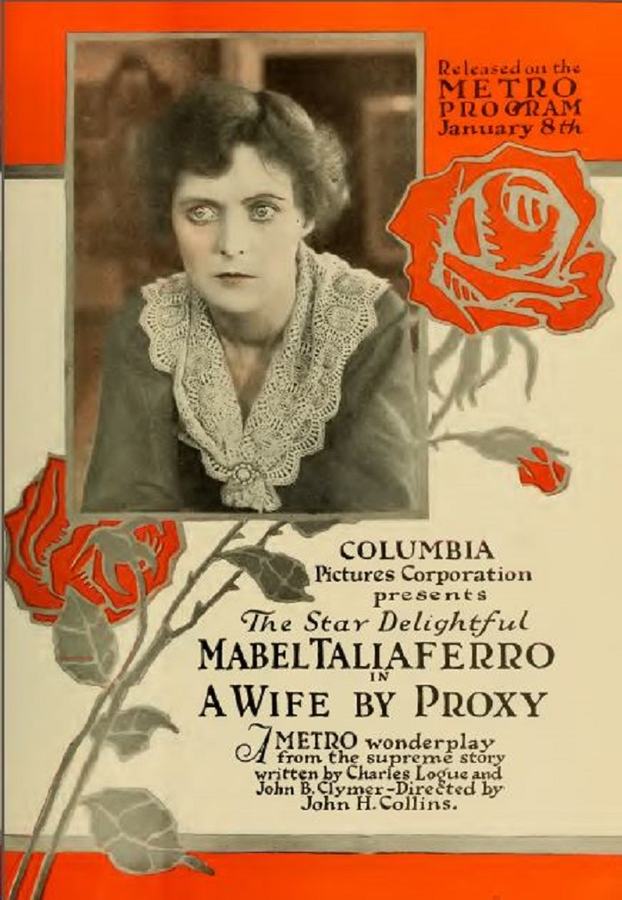
Stepping back into the flickering glow of early 20th-century cinema, one often encounters narratives that, despite their rudimentary technical trappings by today's standards, resonate with timeless human dramas. Such is the case with A Wife by Proxy, a 1917 melodrama that, upon closer inspection, reveals a sophisticated tapestry of ambition, betrayal, and the enduring power of hidden truths. Directed with a keen eye for suspense and character interplay, this film, penned by a collaborative team including the prolific June Mathis, John H. Collins, John B. Clymer, and Charles Logue, is more than a mere period piece; it's a testament to the enduring appeal of a well-crafted plot, even in the absence of spoken dialogue.
The film plunges us into the convoluted world of Norton Burbeck, a young man whose future hinges on a substantial inheritance. His heart, however, has been captured by the alluring Beatrice Gaden, a woman whose beauty, as is often the case in these grand cinematic narratives, masks a far more sinister interior. Beatrice, a true femme fatale in the making, is not merely content with Norton's affection; she conspires with his unscrupulous cousin, Howard, to orchestrate a cunning scheme designed to divest Norton of his rightful legacy. It’s a classic setup: the unsuspecting hero, the duplicitous lover, and the greedy relative. Yet, what elevates A Wife by Proxy beyond a simple morality play is the subtle undercurrent of Norton's own secret, an unrevealed card he holds close, threatening to upend the conspirators' meticulously laid plans.
The narrative architecture of A Wife by Proxy is surprisingly robust, particularly for a film of its era. It navigates the treacherous waters of familial greed and romantic deception with a certain elegance. Norton Burbeck, portrayed with an earnest vulnerability by Robert Walker, embodies the archetypal innocent caught in a web of intrigue. His affections for Beatrice Gaden, played by the captivating Sally Crute, are genuine, making her betrayal all the more poignant. Crute, with her expressive features, manages to convey both the superficial charm and the calculating coldness of Beatrice, a performance that must have been quite striking to contemporary audiences. The visual language of silent cinema, relying heavily on exaggerated gestures and facial expressions, finds fertile ground in characters of such moral ambiguity.
Howard, the cousin, brought to life by Jerome N. Wilson, is the quintessential villain—driven by envy and a profound sense of entitlement. His partnership with Beatrice forms the crux of the antagonist force, their combined machinations creating a formidable obstacle for Norton. The film spends considerable time building this tension, allowing the audience to witness their clandestine meetings and whispered plots, effectively drawing us into the suspense. This careful pacing is a hallmark of good storytelling, ensuring that the eventual revelation of Norton's 'ace up his sleeve' carries maximum impact. It’s a narrative technique that echoes through cinematic history, from the veiled threats of The Master Hand to the elaborate schemes of The Half Million Bribe, where financial stakes drive characters to desperate measures.
The cast of A Wife by Proxy, though perhaps less widely remembered than some of their contemporaries, delivered performances that were crucial to the film's success. Robert Walker, as Norton Burbeck, carries the emotional weight of the film. His portrayal of a man grappling with love, betrayal, and the looming threat of destitution is nuanced. He doesn't merely react; he conveys an inner turmoil that makes his character relatable and his eventual triumph all the more satisfying. Sally Crute, as the titular 'wife by proxy' in a sense, is utterly compelling. Her ability to switch from saccharine sweetness to cold calculation with just a shift in gaze or a subtle curl of the lip is a masterclass in silent film acting. She embodies the seductive danger that made characters like Beatrice so fascinating to audiences of the era.
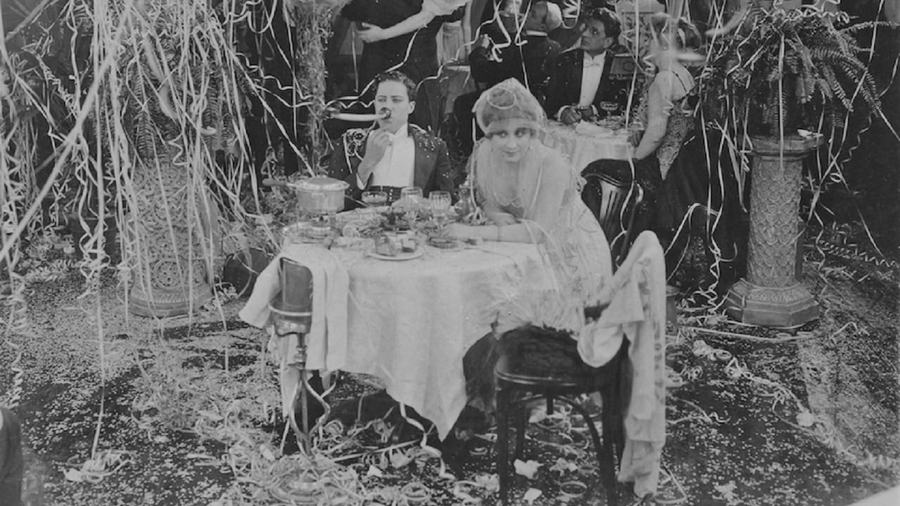
Jerome N. Wilson's Howard is suitably slimy, his villainy palpable without resorting to cartoonish exaggeration. The supporting cast, including Mabel Taliaferro, Yale Benner, Ricca Allen, George D. Melville, Fred Jones, and Edward Mack, each contribute to the film's rich texture. Mabel Taliaferro, a prominent star of the period, likely brought a significant draw to the film, even if her role here isn't the central one. Her presence adds a layer of theatrical gravitas, reminding us of the deep roots these early films had in stage traditions. The ensemble works in concert, their collective efforts creating a believable world of high stakes and personal drama. The physicality required for silent acting, where every gesture and expression must communicate entire paragraphs of emotion, is evident throughout, showcasing the unique talents of these pioneering performers.
The directorial choices in A Wife by Proxy are noteworthy for their effectiveness in building suspense and character. The camera work, while perhaps not as revolutionary as that of D.W. Griffith, is competent and serves the narrative well. There are moments of effective close-up that draw the audience into the characters' inner worlds, particularly during moments of revelation or intense emotional conflict. The use of parallel editing to show Beatrice and Howard conspiring while Norton remains oblivious is a classic technique, expertly deployed here to heighten dramatic irony. The visual symbolism, too, is subtle but present—the opulence of the Burbeck estate contrasting with the moral decay of the conspirators, for instance.
The film's aesthetic, typical of its time, relies on clear, well-lit sets and a straightforward presentation of action. Yet, within these constraints, the filmmakers manage to create an atmosphere of palpable tension. The blocking of actors, their movements within the frame, are all carefully orchestrated to convey relationships and power dynamics. Consider, for example, the scenes where Beatrice manipulates Norton; her physical proximity and subtle gestures communicate her deceptive influence far more effectively than any intertitle could. This dedication to visual storytelling is what makes silent films like A Wife by Proxy enduring objects of study and enjoyment. It shares a common lineage with films like The Children in the House, which also relied on strong visual narratives to convey familial bonds and conflicts.
At its core, A Wife by Proxy is a profound exploration of human avarice and the lengths to which individuals will go to secure wealth and status. The inheritance plot serves as a powerful catalyst, exposing the darker facets of human nature. Beatrice and Howard's scheme is not merely about money; it’s about a perceived right to a life of ease, a sense of entitlement that blinds them to moral considerations. This theme of inherited wealth as a corrupting force is a perennial one in literature and film, from classic novels to contemporary dramas. The film also delves into the theme of deception, not just external trickery but the self-deception that often accompanies villainy. Beatrice, for all her cunning, believes herself to be superior, incapable of being outsmarted, a fatal flaw that inevitably leads to her downfall.
The 'ace up Norton's sleeve' introduces the crucial theme of hidden knowledge and the unexpected power it can wield. It speaks to the idea that appearances can be deceiving, and that true strength often lies in what remains unsaid and unseen until the opportune moment. This narrative device provides a satisfying sense of poetic justice, as the schemers are hoisted by their own petard, their intricate plans undone by a simplicity they failed to anticipate. This pursuit of justice, often through an unexpected twist, is a satisfying element for audiences and a common thread in melodramas like Public Opinion, where societal norms and legal battles often dictate character fates.
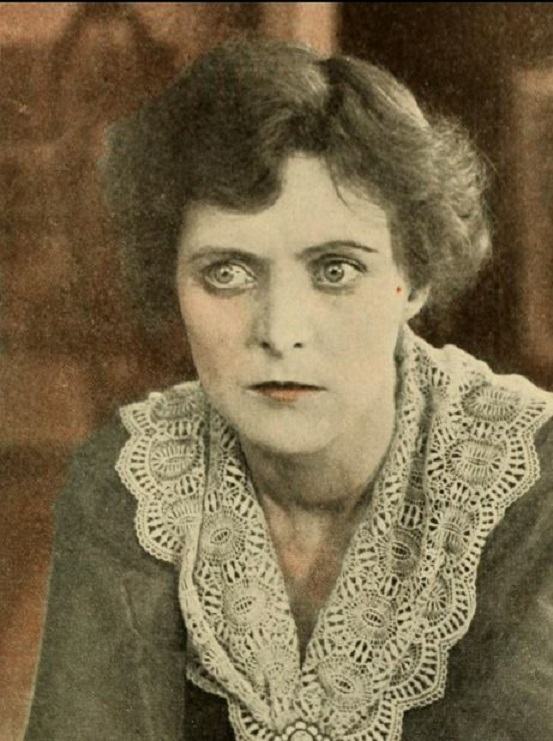
It is impossible to discuss A Wife by Proxy without acknowledging the significant contribution of its writers, particularly June Mathis. Mathis was a powerhouse in early Hollywood, one of the most influential women in the industry, known for her sharp storytelling and keen understanding of audience appeal. Her involvement, alongside John H. Collins, John B. Clymer, and Charles Logue, signals a well-structured and commercially viable narrative. Mathis was instrumental in shaping the careers of many stars and directors, and her fingerprints are often visible in the intricate plotting and character development of films from this period. Her ability to craft compelling narratives that translated effectively to the silent screen was unparalleled, often focusing on emotional depth and dramatic tension, much like the intricate social commentaries found in films like The Mischief Maker or the deeply emotional arcs in Moths.
The collaborative nature of early screenwriting is also on display here. While Mathis often took the lead, the contributions of Collins, Clymer, and Logue would have added layers of detail and refinement to the script. Their collective effort ensured that the story was not only engaging but also visually adaptable for the medium, a crucial skill in a time when the language of cinema was still being actively defined. The script for A Wife by Proxy is a testament to their collective talent, demonstrating how effective silent film narratives could be in conveying complex emotional and moral dilemmas without a single spoken word.
Viewing A Wife by Proxy today offers more than just entertainment; it provides a fascinating window into the social mores and anxieties of the early 20th century. Inheritance dramas were popular because they touched upon very real concerns about wealth distribution, social climbing, and the fragility of financial security. The film reflects a society where a large inheritance could fundamentally alter one's destiny, making the stakes incredibly high for characters like Norton, Beatrice, and Howard. It also subtly comments on gender roles; Beatrice, for all her villainy, is a woman operating within a patriarchal system, using her perceived vulnerability and beauty as tools for manipulation, a common trope in films like The Slave or Die Tangokönigin where women often navigate complex social landscapes.
The film's legacy, while perhaps not as monumental as some of its contemporaries, lies in its solid craftsmanship and its contribution to the evolving language of cinema. It demonstrates how effective silent films could be in telling gripping stories, relying on strong performances, clear direction, and well-structured plots. For enthusiasts of silent cinema, rediscovering films like A Wife by Proxy is a rewarding experience, offering insights into the foundations of modern filmmaking. It reminds us that the fundamental elements of compelling storytelling—character, conflict, and resolution—transcend technological advancements and remain the bedrock of cinematic art. Its ability to maintain tension and deliver a satisfying resolution without a single spoken word is a testament to the power of pure visual narrative, a skill that continues to influence filmmakers even today.
In conclusion, A Wife by Proxy stands as a fine example of early American melodrama. It might not possess the grandiosity of epics or the avant-garde experimentation of some European productions of the time, but it offers a tightly woven, engaging narrative. The performances are earnest and effective, the direction competent, and the thematic explorations of greed and justice remain as relevant today as they were over a century ago. It’s a film that quietly asserts its place in the annals of cinema, a silent whisper that still manages to speak volumes about the human condition. For those seeking to delve deeper into the rich tapestry of silent film, this particular piece offers a compelling journey into a world where expressions, gestures, and the sheer force of a well-told story were more than enough to captivate and enthrall.
IMDb —
1917
Community
Log in to comment.