DbcultAccessing Vault...
5.2/10
Senior Film Conservator
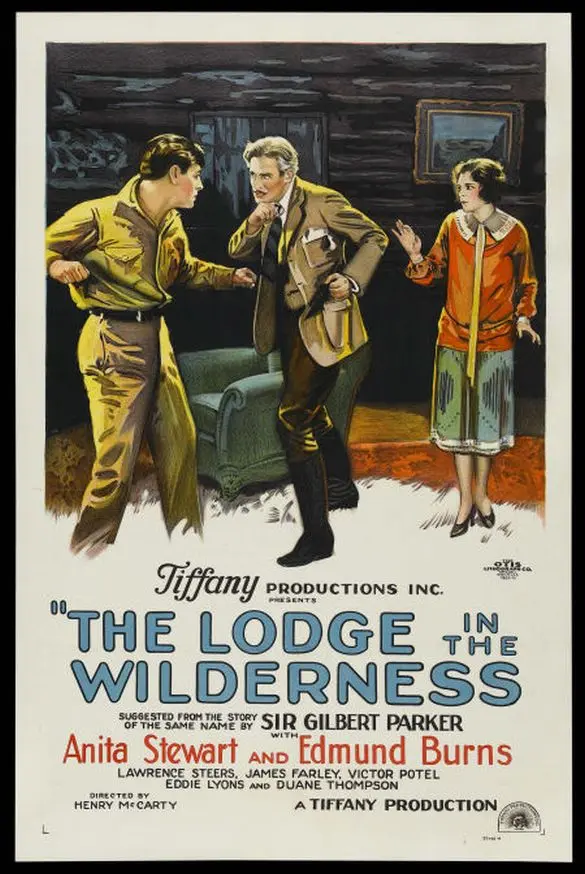
A definitive 5.2/10 rating for a film that redefined the boundaries of cult cinema. The Lodge in the Wilderness remains a cornerstone of transgressive art.
Short answer: yes, but...
Is The Lodge in the Wilderness worth watching today? The answer is yes, but with a caveat. This 1926 film, directed by Donald MacDonald, offers a blend of mystery and romance that is engaging and thought-provoking. However, its dated elements and pacing make it less accessible to modern viewers.
This film works because of its strong cast and the compelling mystery plot. The performances by Edmund Burns as Jim Wallace and Eddie Lyons as Donovan are standout elements, bringing depth and nuance to their characters. The story's twists and turns keep the audience engaged, making it a rewarding watch for those interested in early cinema.
This film fails because of its slow pacing and occasional awkward dialogue. The plot, while engaging, can feel paced in a way that is less satisfying to modern audiences who are used to faster-paced storytelling. Additionally, the film's reliance on stock characters and dialogue can be a turnoff for those seeking a more nuanced portrayal of characters.
You should watch it if you are a fan of early cinema, enjoy classic mystery and romance films, or are interested in exploring the storytelling techniques of the 1920s. It offers a window into a different era of filmmaking and can be a valuable educational tool. However, it may not appeal to those looking for a more modern, fast-paced narrative.
The performances in The Lodge in the Wilderness are one of its strongest aspects. Edmund Burns as Jim Wallace brings a sense of vulnerability and determination to his role. His interactions with Eddie Lyons as Donovan, the superintendent, are particularly effective, showcasing the tension and conflict between the two characters. Eddie Lyons, as Donovan, is equally compelling, delivering a nuanced performance that portrays his character's complex nature. The chemistry between the cast, especially between Burns and Lyons, is palpable and adds depth to the film's emotional core.
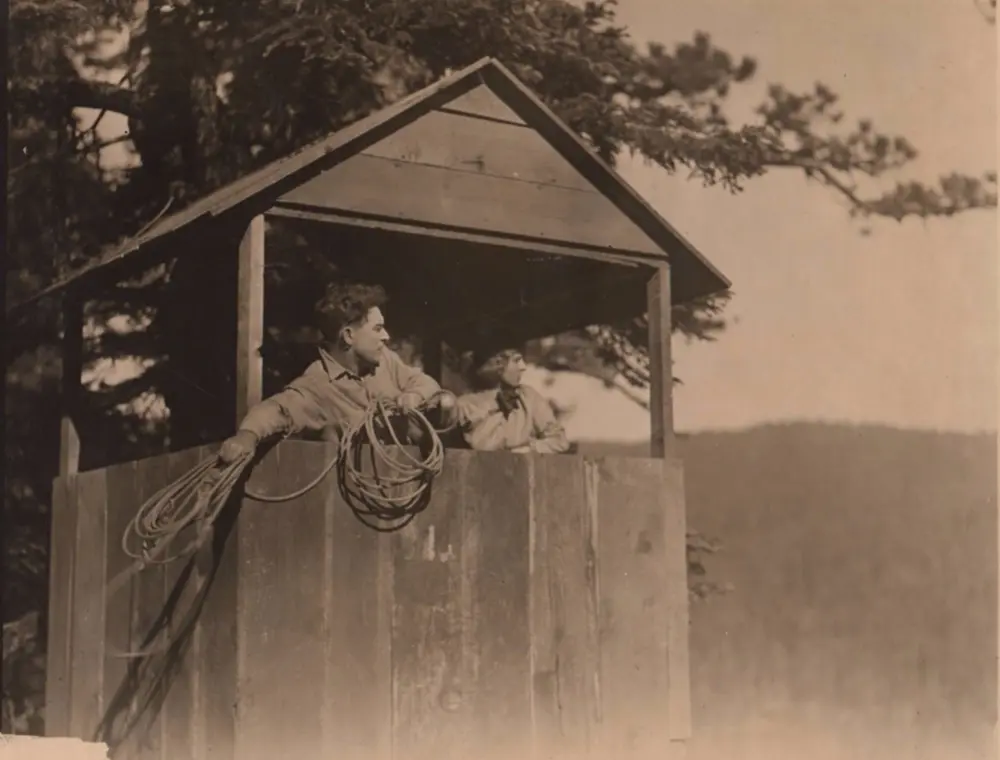
Donald MacDonald, the director of The Lodge in the Wilderness, brings a clear understanding of the pacing and visual storytelling of the era. The film's direction is well-crafted, with a focus on creating a sense of atmosphere and tension. The use of close-ups and medium shots effectively captures the emotions of the characters, allowing the audience to connect with their stories. However, the pacing can be slow at times, which may not appeal to modern viewers who are used to faster-paced narratives. The film's structure, with its unfolding mystery and romantic subplot, is well-executed, making it a satisfying watch.
The cinematography in The Lodge in the Wilderness is another strong aspect of the film. The visuals capture the beauty and ruggedness of the Northwest logging camp, providing a sense of the setting's harsh and isolated environment. The use of natural light and shadow creates a moody and atmospheric feel, enhancing the film's sense of tension. The camera work, while not as dynamic as modern techniques, effectively captures the key moments and emotions of the story. However, the film's reliance on black and white cinematography can make it less visually striking compared to modern films.
The pacing of The Lodge in the Wilderness is a mixed bag. On one hand, the film's slow build and methodical unfolding of the mystery create a sense of suspense and anticipation. This pacing works well for the film's storytelling, as it allows the audience to become invested in the characters and their stories. However, the film's slow pace can be frustrating for modern viewers who are used to faster-paced narratives. The film's scenes can feel drawn out at times, and the resolution of the mystery can feel anticlimactic. The film's pacing, while effective for its time, may not be as satisfying for contemporary audiences.
The tone of The Lodge in the Wilderness is a mix of mystery and romance. The film's mystery plot is engaging and suspenseful, with a sense of danger and intrigue. The romantic subplot, with Jim Wallace and Virginia Coulson, adds a layer of emotional depth to the film. The film's tone is well-crafted, creating a sense of tension and emotional resonance. However, the film's reliance on stock characters and dialogue can sometimes feel formulaic. The film's tone is well-executed, but it may not be as nuanced or complex as modern films.
For fans of early cinema, The Lodge in the Wilderness offers a fascinating glimpse into the storytelling techniques of the 1920s. The film's strong cast and compelling mystery plot make it a rewarding watch, but its slow pacing and occasional awkward dialogue may not appeal to all viewers. If you are interested in exploring the storytelling techniques of the past or are a fan of classic mystery and romance films, this film is worth watching. However, if you are seeking a more fast-paced and modern narrative, it may not be the best choice.
It works. But it’s flawed. The Lodge in the Wilderness is a fascinating and engaging film that offers a window into the storytelling techniques of the 1920s. Its strong cast and compelling mystery plot make it a rewarding watch, but its slow pacing and occasional awkward dialogue can be a turnoff for modern viewers. If you are interested in exploring the storytelling techniques of the past or are a fan of classic mystery and romance films, this film is worth watching. However, if you are seeking a more fast-paced and modern narrative, it may not be the best choice. Overall, The Lodge in the Wilderness is a valuable film for those interested in early cinema and offers a unique and engaging viewing experience.
IMDb —
1920
Community
Log in to comment.