DbcultAccessing Vault...
Cult Review
Senior Film Conservator
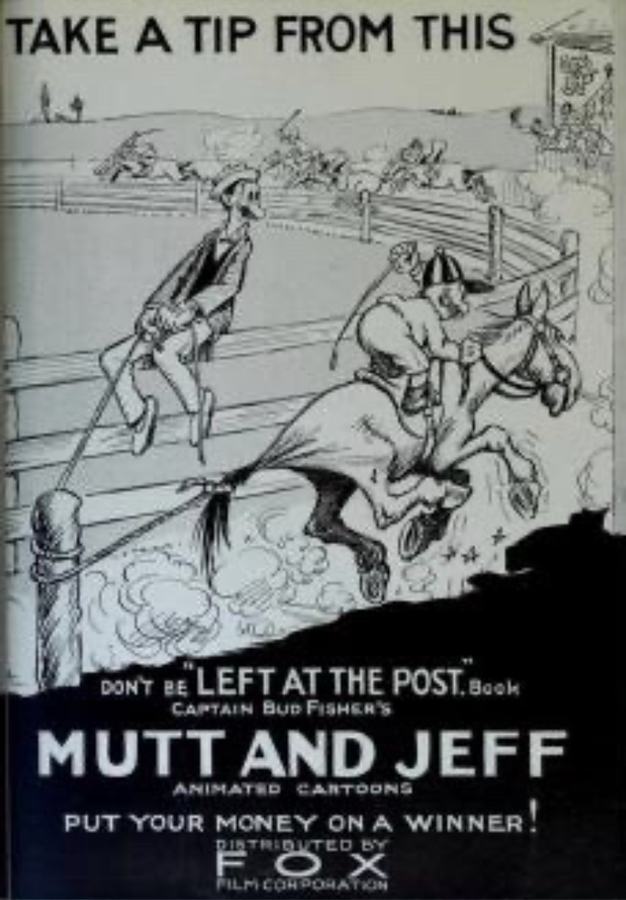
There are films that merely tell a story, and then there are those that etch themselves onto the very fabric of one’s cinematic consciousness, resonating long after the final frame fades. Bud Fisher’s 'Left at the Post' is unequivocally the latter. It is not merely a tale of the racetrack, nor simply an exploration of human-animal connection; it is a profound meditation on betrayal, resilience, and the relentless pursuit of redemption against a world determined to cast you aside. Fisher, wearing the dual hats of writer and lead actor, crafts a narrative that is as emotionally raw as it is visually compelling, offering a stark, unvarnished look at the price of ambition and the enduring power of an unbroken spirit.
From its opening moments, the film establishes a tone of simmering tension and impending doom. We are introduced to Jack Fisher, a jockey whose renown is matched only by his integrity. His world, however, is a precarious one, built on the shifting sands of wealth and influence. The cinematography, even in its early 20th-century sensibilities, manages to convey the dizzying heights of his success and the precipitous drop that follows. The camera often lingers on Fisher’s face, a canvas of quiet determination, hinting at the internal fortitude that will soon be tested to its limits. The initial scenes, depicting the thrill of the race, are executed with a visceral energy that pulls the viewer directly into the heart of the action, even if the silent era demands a different kind of engagement than modern spectacles. The thundering hooves, the strained expressions of the riders, the palpable excitement of the crowd—all are conveyed with a clarity that transcends the lack of spoken dialogue, relying instead on masterful visual storytelling.
Fisher's writing is particularly astute in its portrayal of Silas Vane, the avaricious stable owner whose machinations set the tragic events in motion. Vane is not a caricature of evil, but a chillingly believable antagonist, driven by a cold, calculating greed that prioritizes profit over loyalty, integrity, or even life. His betrayal of Fisher, orchestrated with subtle cruelty, is the pivot around which the entire narrative turns. It’s a stark reminder that the most devastating blows often come from those closest to us, those we trust. Fisher, as the writer, understands that true drama often lies in the quiet devastation rather than overt villainy. This nuanced approach to character, particularly for a film of its era, elevates 'Left at the Post' beyond a simple morality play.
As an actor, Bud Fisher imbues Jack with a compelling blend of vulnerability and steely resolve. His performance in the aftermath of the accident and subsequent blacklisting is particularly heartbreaking. The slump of his shoulders, the haunted look in his eyes, the slow, deliberate movements—each gesture speaks volumes of a man grappling with the sudden collapse of his identity. He doesn't merely portray sadness; he embodies a profound sense of loss and disorientation. The quiet dignity with which he endures his ostracization is a masterclass in understated acting, demonstrating that true strength often manifests not in grand gestures, but in the quiet refusal to be completely broken. This is where the film truly begins to distinguish itself, moving beyond the superficial excitement of the track to delve into the psychological landscape of its protagonist.
The discovery of 'Shadow,' the sickly, forgotten colt, marks a turning point in the narrative and in Fisher's character arc. This is where 'Left at the Post' truly finds its emotional core. The initial scenes of Fisher's despair, contrasted with the fragile existence of Shadow, create a powerful visual metaphor for their shared plight. Both are outcasts, deemed worthless, left to languish. The developing bond between man and horse is depicted with a tenderness that is deeply affecting. It's not a sudden, saccharine connection, but one forged through shared struggle, quiet understanding, and the painstaking process of rehabilitation. Fisher's dedication to Shadow becomes his own form of therapy, a purpose that slowly rekindles the embers of his spirit.
The camera work during these rehabilitation sequences is particularly noteworthy. Close-ups of Fisher's hands gently tending to Shadow, the horse's wary eyes slowly softening, the gradual strengthening of its gait—these moments are imbued with a quiet poetry. They speak to the restorative power of compassion and the profound connection that can exist between species. The film avoids anthropomorphizing Shadow excessively, instead focusing on the genuine, unspoken communication that develops between them. This realism grounds the emotional arc, making their eventual triumph all the more impactful. For those who appreciate narratives centered on perseverance against daunting odds, elements of Luck in Pawn might spring to mind, though 'Left at the Post' delves deeper into the psychological scars of abandonment.
Visually, 'Left at the Post' makes judicious use of its settings. The stark contrast between the opulent, bustling racetracks and the dilapidated, forgotten farm where Fisher and Shadow find refuge is a powerful statement on societal values and the transient nature of success. The dusty roads, the sun-drenched fields, the shadows cast by crumbling barns—these elements are not merely backdrops but active participants in the storytelling, reflecting the emotional state of the characters. The pacing of the film is deliberate, allowing moments of quiet contemplation to breathe before accelerating into sequences of dramatic tension. This measured rhythm ensures that the emotional beats land with maximum impact, preventing the narrative from feeling rushed or superficial.
The influence of Eliza, the compassionate local veterinarian, provides a much-needed counterpoint to the cynicism that pervades the racing world. Her unwavering belief in Fisher, and her practical assistance, highlight the importance of human connection and support in overcoming adversity. Her character, though perhaps less central than Fisher or Shadow, serves as an anchor of empathy, reminding us that even in the darkest of times, genuine kindness can be found. This human element of support resonates with the communal spirit sometimes seen in films like The Seed of the Fathers, where collective resilience is key.
The climax of the film, the unsanctioned race, is a masterclass in suspense and emotional payoff. It’s not just a physical contest, but a metaphorical battle for honor, dignity, and a second chance. Fisher's decision to re-enter the racing world, despite the risks and the powerful forces arrayed against him, is a testament to his newfound courage and his unshakeable faith in Shadow. The editing during this sequence is particularly effective, intercutting between the frantic energy of the race and the anxious faces of those who care for Fisher and Shadow. The visual language of defiance is potent, with Fisher and Shadow, once relegated to the margins, now squarely in the spotlight, challenging the very system that sought to crush them. The roar of the crowd, conveyed through clever visual cues and the sheer kinetic energy of the performers, feels almost audible.
The final moments of the race are a triumph not just of speed, but of spirit. The symbolism of Shadow, the 'left at the post' horse, surging ahead, mirroring Fisher's own journey from oblivion to vindication, is deeply satisfying. It's a powerful affirmation that true worth is not dictated by external judgment or corrupt systems, but by an inner fire that refuses to be extinguished. The film, in its conclusion, offers a cathartic release, a testament to the idea that justice, even if hard-won, can prevail. This echoes the dramatic tension and ultimate vindication found in films like Vendetta, albeit with a focus on personal rather than familial justice.
Beyond the thrilling narrative, 'Left at the Post' explores several profound themes that grant it enduring relevance. The theme of betrayal, particularly from within one's own circle, is handled with a stark realism that resonates universally. It forces us to confront the fragility of trust and the devastating impact of greed. Conversely, the film is a powerful ode to resilience and the human capacity for recovery. Fisher's journey from despair to defiant hope is a testament to the strength of the human spirit, a narrative that feels timeless. The bond between Fisher and Shadow also speaks to the profound therapeutic power of connection, illustrating how finding purpose, even in the most unexpected places, can be a pathway to healing.
The film also subtly critiques the corruption inherent in systems of power, whether it be the racing syndicates or societal structures that marginalize individuals. Vane represents the pervasive influence of money and control, and Fisher's struggle becomes a microcosm of the larger battle against injustice. This thematic depth elevates 'Left at the Post' beyond a simple sports drama, inviting viewers to ponder questions of ethics, morality, and the true cost of success. In its exploration of individual struggle against oppressive systems, it shares a spiritual kinship with films like The Feud, which also grapples with entrenched conflicts and the fight for justice.
Bud Fisher's achievement with 'Left at the Post' lies not only in its compelling storytelling but also in its ability to evoke such strong emotions without the aid of spoken dialogue or elaborate special effects. It relies on the power of performance, the artistry of cinematography, and the universal resonance of its themes. The film demonstrates that true cinematic impact stems from authentic human experience, vividly rendered. It reminds us that sometimes, the greatest stories are found in the quiet corners of life, among those who have been overlooked, underestimated, or, indeed, left at the post. For those interested in the craft of character-driven narrative, a comparison to the intricate portrayals in The Model might be illuminating, showcasing different approaches to revealing inner lives without dialogue.
In conclusion, 'Left at the Post' is a testament to Bud Fisher's multifaceted talent. As a writer, he crafts a narrative rich in emotional complexity and thematic depth. As an actor, he delivers a performance of remarkable subtlety and power, anchoring the film with a compelling portrayal of resilience. And as a visionary, he creates a cinematic experience that transcends its historical context, speaking to universal truths about human struggle, the quest for redemption, and the enduring hope that even when the world attempts to leave you behind, an unbroken spirit can always find its way back to the race. It's a film that deserves to be rediscovered, appreciated not just as a historical artifact, but as a timeless piece of storytelling that continues to inspire and move its audience.

IMDb —
1931
Community
Log in to comment.