DbcultAccessing Vault...
5.6/10
Senior Film Conservator
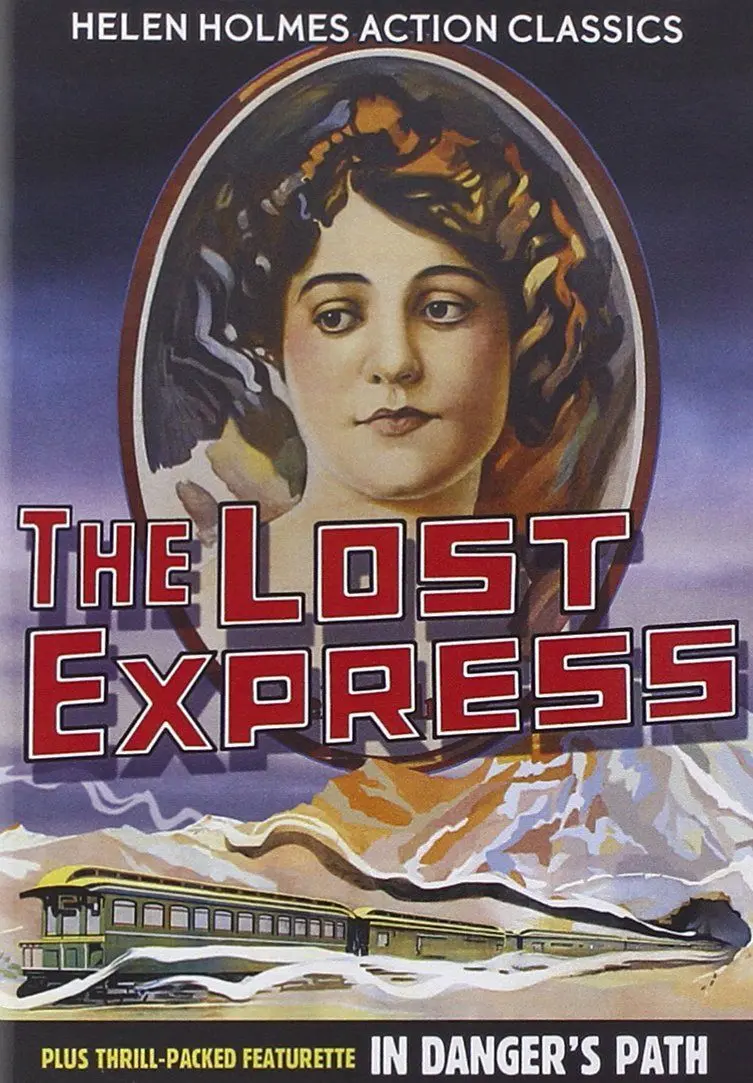
A definitive 5.6/10 rating for a film that redefined the boundaries of cult cinema. The Lost Express remains a cornerstone of transgressive art.
Short answer: Yes, but it's worth watching for the right audience. This 1926 action film, set on a millionaire's private train, offers a unique blend of suspense and dramatic tension that might appeal to silent film enthusiasts or those interested in early cinema.
The Lost Express is a silent film with a rich narrative and intricate character development, making it a remarkable piece of early filmmaking. However, if you're looking for a modern blockbuster, you might find it lacking. This film is best appreciated by those who enjoy the art of storytelling without dialogue and are willing to engage with a slower, more methodical pace.
This film works because: The elaborate set design and the train's transformation into a microcosm of society lend a fascinating layer to the narrative. The train itself becomes a character, with its various compartments serving as settings for different scenes and emotional beats. Additionally, the use of the train as a confined space heightens the sense of urgency and confinement, making the kidnapping plot more compelling.
This film fails because: Despite its strengths, The Lost Express falls short in certain areas. The pacing can be slow at times, and the technical aspects, such as sound and color, are absent, which can be a hurdle for modern viewers. The reliance on subtitles for dialogue can be a barrier, and the absence of visual effects makes some scenes feel dated.
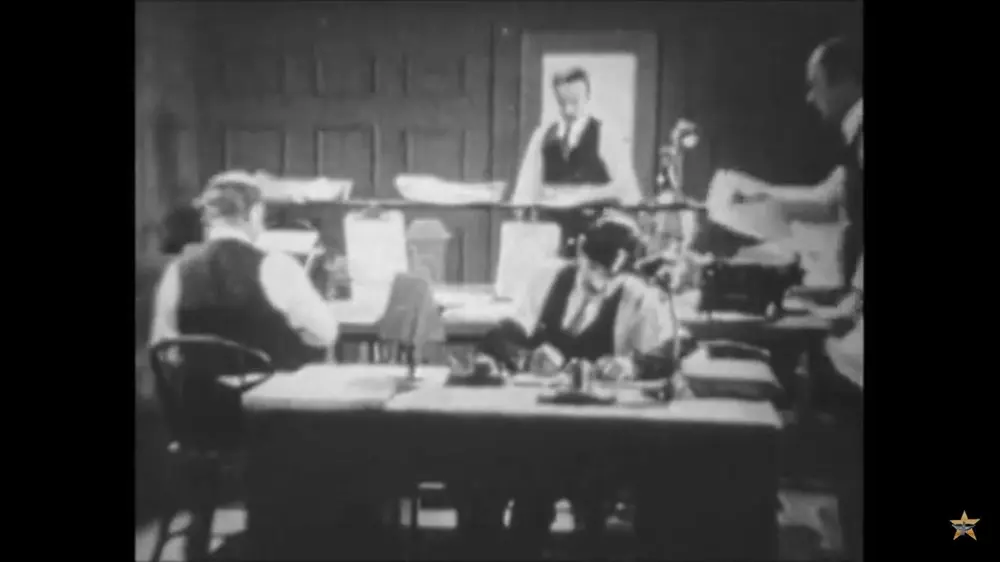
You should watch it if: You are intrigued by early cinema and silent films, appreciate a well-constructed narrative, or are interested in seeing how storytelling was approached in the silent era. This film is not for those seeking a fast-paced, action-packed modern movie but is perfect for those who want to step back in time and experience the art of filmmaking in its early stages.
The acting in The Lost Express is commendable, particularly the performances of Fred Church and Eddie Barry. Both actors bring a depth and authenticity to their roles, making their characters' journeys believable and engaging. The chemistry between the leads is evident, and their interactions feel genuine, even in the absence of dialogue.
However, the supporting cast, while talented, does not receive the same level of attention. The daughter, played by Helen Holmes, is a stock character, and other minor roles often feel underdeveloped. This lack of depth in the supporting cast can detract from the overall impact of the film.
The direction and cinematography of The Lost Express are impressive, given the time period. The train is used as a versatile setting, with each compartment serving a specific purpose and contributing to the overall atmosphere. The use of the train's confined space adds a layer of tension that enhances the sense of urgency in the narrative.
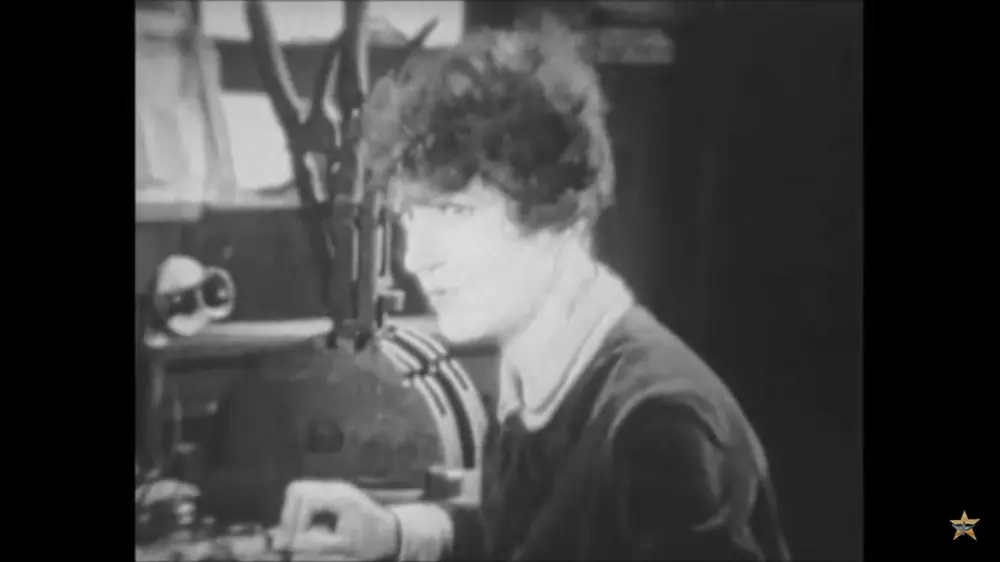
The cinematography is noteworthy for its use of lighting and framing. The train's interior is often used to create dramatic contrasts, with dark corners and bright shafts of light adding to the mood. The train's exterior shots, especially those of the tracks and landscapes, provide a sense of movement and adventure, complementing the film's action sequences.
The pacing of The Lost Express is deliberate and methodical, reflecting the slower pace of early cinema. While this can be seen as a strength, it can also be a weakness, as it may not appeal to modern audiences accustomed to fast-paced narratives. The film's tone is a mix of suspense and drama, with moments of humor and romance interspersed throughout. The tone is consistent, and the film never veers too far from its central themes of kidnapping and marital reconciliation.
For those interested in early cinema and silent films, The Lost Express is a must-watch. It offers a unique glimpse into the art of storytelling without dialogue and showcases the technical and narrative skills of the filmmakers. However, if you're looking for a modern blockbuster, you might find it slow and lacking in visual effects. This film is best appreciated by those who are willing to engage with a slower, more methodical pace and are intrigued by the history of cinema.
It works. But it’s flawed. The Lost Express is a fascinating piece of early cinema that offers a unique glimpse into the art of storytelling without dialogue. While it may not stand up to modern standards of filmmaking, it is a must-watch for those interested in the history of cinema and silent films. The film's strengths lie in its well-constructed narrative and engaging performances, but its slow pacing and lack of depth in the supporting cast can be a drawback. Ultimately, The Lost Express is a valuable artifact of early cinema and a worthwhile experience for those willing to engage with a slower, more methodical pace.
IMDb 6.8
1936
Community
Log in to comment.