DbcultAccessing Vault...
6.3/10
Senior Film Conservator
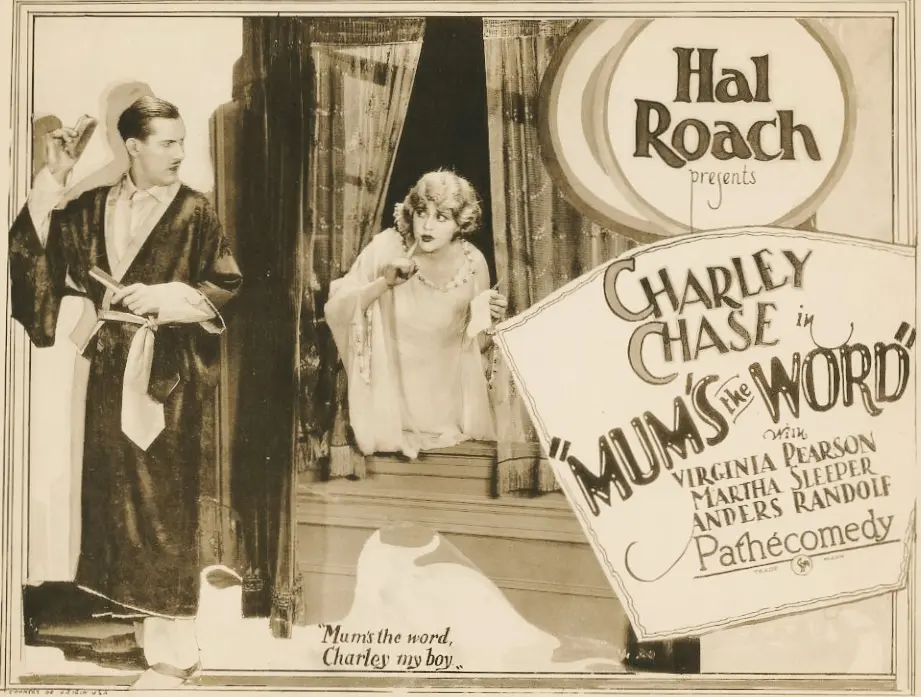
A definitive 6.3/10 rating for a film that redefined the boundaries of cult cinema. Mum's the Word remains a cornerstone of transgressive art.
Short answer: Yes, but only if you appreciate the meticulous architecture of 1920s situational farce. It is a fascinating relic that prioritizes social embarrassment over physical stunts, making it a unique entry in the silent era.
This film is for enthusiasts of the Hal Roach 'comedy of manners' style and those who enjoy seeing the 'everyman' struggle against impossible social odds. It is NOT for viewers who find silent film pacing tedious or those who expect the high-octane, death-defying acrobatics of a Buster Keaton production.
1) This film works because Charley Chase’s performance grounded in social humiliation remains relatable even a century later.
2) This film fails because the third-act resolution feels rushed and relies too heavily on the husband's inexplicable obliviousness.
3) You should watch it if you want to see the DNA of modern sitcoms like 'Three's Company' or 'Fawlty Towers' in their rawest form.
Mum's the Word is not merely a collection of gags; it is a clockwork mechanism designed to extract the maximum amount of discomfort from its protagonist. Unlike contemporary films like Percy which lean into more traditional character arcs, this short focuses entirely on the immediate, visceral panic of a man out of place. Charley Chase was the master of the 'polite' comedian—a man who desperately wants to follow the rules while the world conspires to make him break them.
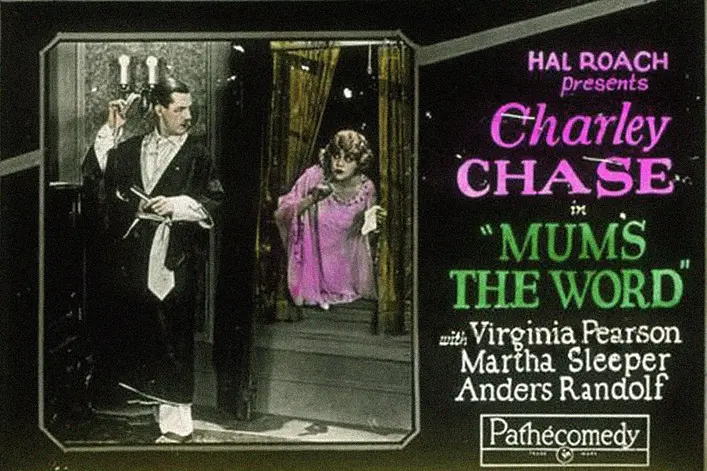
The central conceit—a son posing as his stepfather’s valet—allows for a specific type of physical comedy that is both intimate and invasive. Take, for instance, the shaving scene. It is a trope we have seen in everything from Battling Mason to modern cartoons, but Chase adds a layer of psychological tension. Every stroke of the razor is not just a potential gag; it is a moment where the son might accidentally reveal his true identity through a shared family trait or a nervous slip. The proximity required for the task heightens the husband’s suspicion, creating a feedback loop of anxiety that drives the plot forward.
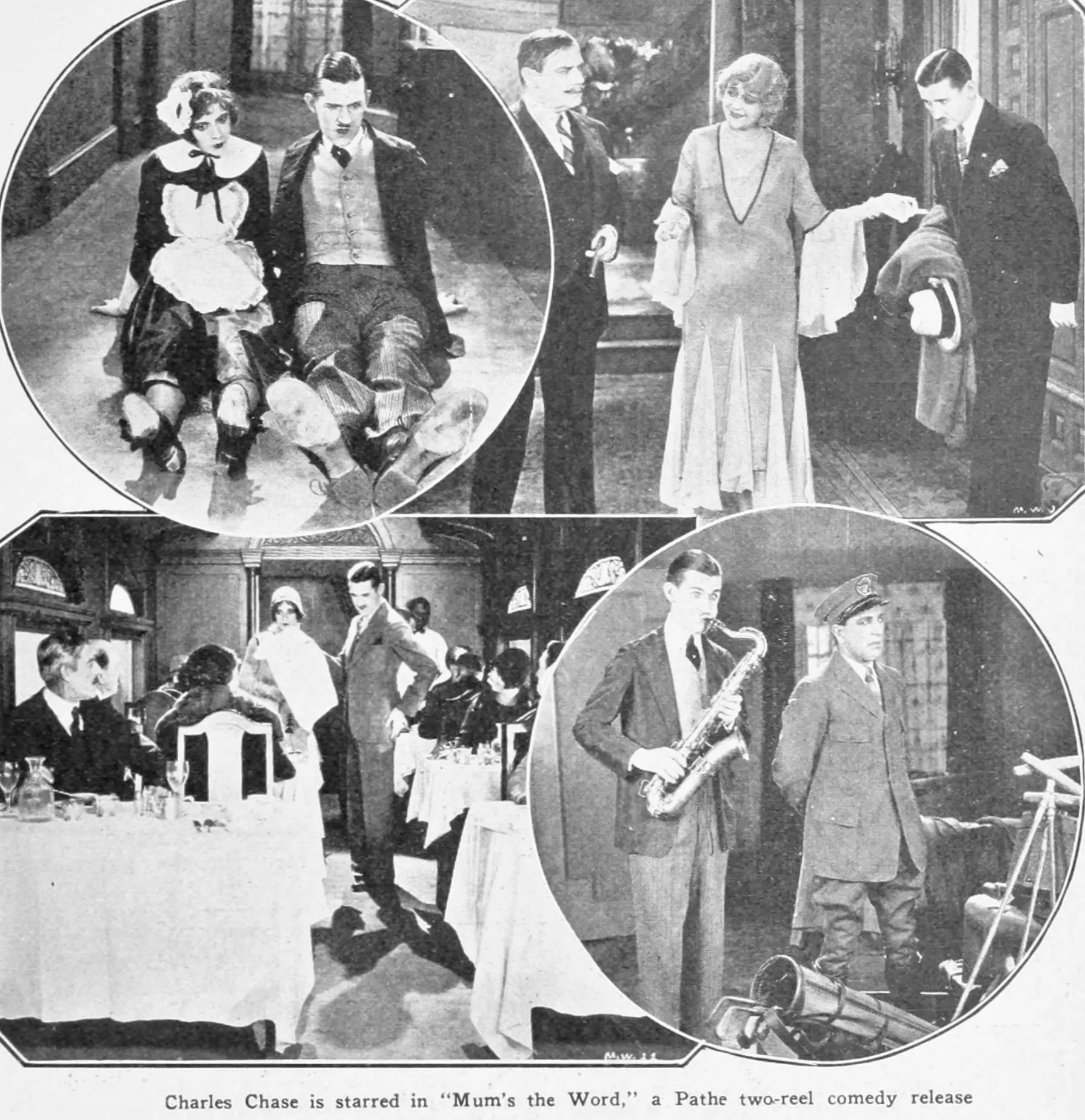
It works. But it’s flawed. The film’s reliance on the 'secret' is its greatest strength and its most glaring weakness. While the tension is palpable, the audience must accept a high degree of contrivance. Why doesn't the mother simply tell the truth? In the context of 1926 social mores, her fear of being cast out for having a 'past' (represented by her son) makes sense, but to a modern eye, her behavior borders on the villainous. She is essentially gaslighting her husband and endangering her son’s dignity for the sake of a bank account.
While Chase is the star, Martha Sleeper’s performance as the maid is the film’s secret weapon. Her character is not just a background extra; she is a chaotic variable that disrupts the already fragile lie the mother has constructed. Her attempts to sneak into the husband's room are played for laughs, but they add a layer of predatory energy that is surprisingly modern. It contrasts sharply with the more innocent romanticism found in films like Miss Nobody.
The nocturnal sequences are where the film truly finds its rhythm. The hallway becomes a stage for a complex dance of misdirection. You have the son trying to reach his mother for guidance, the husband trying to catch the 'valet' in an indiscretion, and the maid pursuing her own mysterious agenda. The choreography here is impeccable. It reminds one of the tight timing found in The High Horse, where the environment itself becomes an antagonist.
One surprising observation is how the film handles the concept of 'the help.' In many silent comedies, servants are invisible or purely slapstick foils. Here, the valet role is a costume of shame. Chase’s discomfort isn't just about getting caught; it’s about the loss of status. When he is forced to perform menial tasks, his body language changes—he becomes smaller, more subservient, yet his eyes remain wide with the panic of a trapped animal. It’s a nuanced bit of acting that transcends the medium’s usual broadness.
The direction (credited to Leo McCarey in many circles, though part of the Roach factory) is lean and efficient. There is no wasted space. Every shot is framed to maximize the geography of the house, ensuring the audience always knows where the characters are in relation to each other. This spatial awareness is crucial for farce. If the audience is confused about who is behind which door, the joke dies. Mum's the Word handles this better than The Moonstone, which often struggled with its own internal logic.
The pacing is relentless once the son arrives. The film moves from one 'close call' to the next with the precision of a metronome. However, the middle section does suffer slightly from repetitive gags. There are only so many times the husband can look suspicious before the audience starts to wonder if he is intentionally playing along. Anders Randolf plays the husband with a blustery, over-the-top energy that serves as a perfect foil to Chase’s understated panic. He is the immovable object to Chase’s very anxious force.
The film features exceptional physical timing and a lead performance that remains genuinely funny. Unlike The Perfect Flapper, which relies heavily on contemporary trends of the 20s, the themes of family secrets and social embarrassment in Mum's the Word are timeless. The cinematography is crisp, and the use of the house's interior layout is a masterclass in low-budget storytelling.
The ending feels like a sudden halt rather than a natural conclusion. The resolution of the 'maid' subplot is particularly weak, leaving her motivations largely unexplained. Additionally, the film requires a significant 'suspension of disbelief' regarding the husband's inability to recognize the obvious family resemblance between his wife and her son.
Is Mum's the Word a masterpiece? Not quite. But it is a vital piece of comedy history that showcases Charley Chase at the height of his powers. It lacks the grand scale of Hei de Vencer or the emotional weight of Samhällets dom, but it succeeds in its singular goal: making the audience squirm with laughter. It is a tightly wound, beautifully acted short that proves you don't need to fall off a building to be a comedy legend. You just need a razor, a secret, and a very suspicious husband.
Final Rating: 7.5/10 - A classic example of why Charley Chase was the 'thinking man's' silent comedian. It is worth the twenty-minute investment for any serious cinephile.
IMDb 7.7
1937
Community
Log in to comment.