DbcultAccessing Vault...
Cult Review
Senior Film Conservator
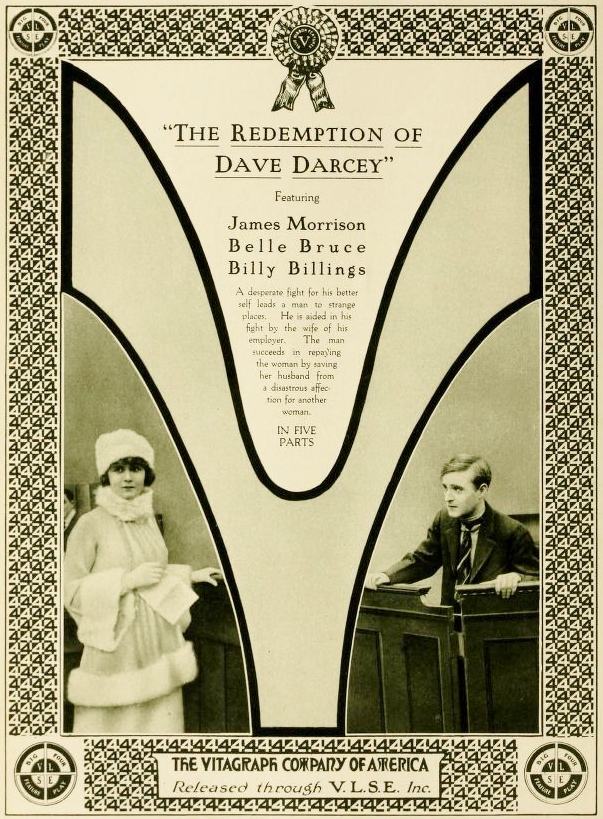
Step right up, cinephiles, and prepare to journey back to an era of grand narratives and silent splendor with The Redemption of Dave Darcey. This isn't just a film; it's a pulsating artifact from a bygone age, a testament to storytelling that transcends the lack of spoken dialogue, relying instead on visceral action, expressive performance, and a narrative scope that would make many modern blockbusters blush. In an industry still finding its footing, this picture masterfully weaves together threads of crime, moral transformation, industrial espionage, and heartfelt romance, culminating in a cinematic tapestry rich with human drama and thrilling suspense. It reminds us that the fundamental pillars of compelling narrative—conflict, character, and consequence—are timeless, irrespective of technological advancement.
Our story plunges headfirst into the murky underworld inhabited by Dave Darcey, a man whose hands are no stranger to ill-gotten gains. Following a particularly lucrative "haul," Dave decides to splurge, hosting a lavish dance for his loyal band of followers, an act of ostentatious generosity that inadvertently ignites a powder keg. This celebration, rather than cementing his status, serves as a beacon for Paddy Burns, a rival faction leader with a score to settle, a ghost from Dave's past demanding retribution. The ensuing confrontation is not merely a street brawl; it's a clash of old wounds and simmering resentments, escalating into a violent melee where Dave, in a moment of desperate self-preservation, critically wounds Paddy. This act, born of necessity, forces Dave into a desperate flight, a man hunted by his own past and the long arm of the law.
His escape, however, takes an unexpected turn, leading him into the opulent residence of Phillip Brenton, the scion of the formidable Benton Steel Works. Phillip, mistaking Dave for a common burglar, confronts him, demanding an explanation. What transpires next is a pivotal moment of raw honesty: Dave, cornered and perhaps weary of his life of crime, lays bare the entire tumultuous affair. This candid confession, delivered with a stark sincerity, surprisingly resonates with Phillip. Instead of judgment, Phillip extends an olive branch, an offer of legitimate employment within his father's steel plant. This isn't just a job; it's a lifeline, a chance for redemption, a stark contrast to the shadowy existence Dave has always known. It echoes the profound moral awakening seen in narratives like The Mark of Cain, where past transgressions haunt but also pave the way for a new path.
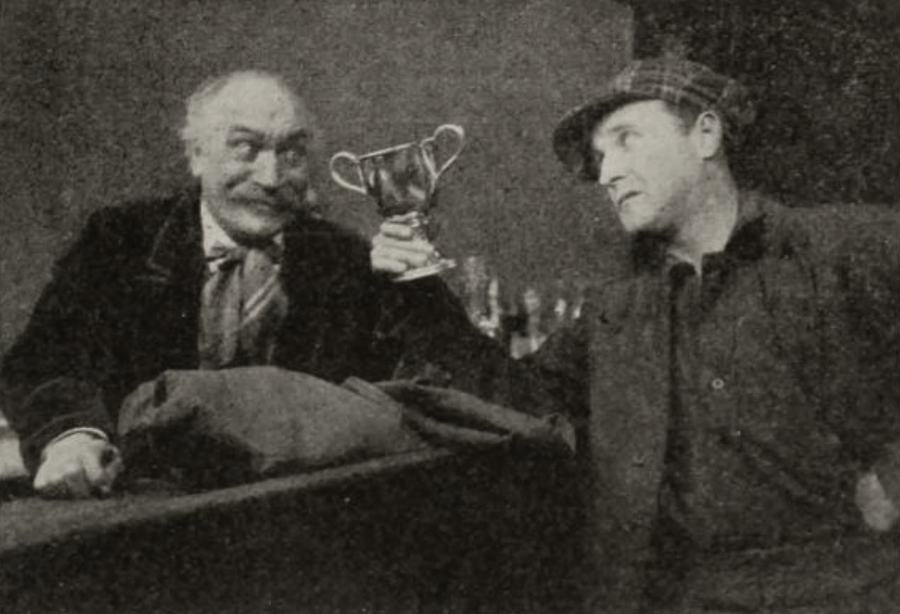
The path to reformation is rarely smooth, and for Dave Darcey, it's a veritable minefield. Phillip's father, a man of seasoned skepticism and pragmatic realism, remains unconvinced by his son's impulsive act of benevolence. He orchestrates a subtle yet potent test: a large roll of bills conspicuously placed, a silent siren call to Dave's ingrained criminal instincts. The internal struggle that ensues is a powerful, wordless ballet of conscience. It's a battle between the "old Dave"—the thief, the rogue—and the "new Dave"—the man striving for honesty, for a fresh start. This visceral contest, rendered with remarkable clarity through Carl Rich's nuanced performance, culminates in the triumph of the reformed man, who, with an almost defiant integrity, returns the money. This moment is not just about resisting temptation; it's about actively choosing a different destiny, cementing his nascent redemption.
But the narrative quickly expands beyond personal moral quandaries, drawing us into a web of international intrigue. The elegant and enigmatic Baroness Von Ehrenstein enters the scene, not as a romantic interest, but as a chillingly effective secret agent for a foreign government. Her mission: to neutralize the threat posed by the Benton Steel Works, which has secured a monumental war order for a nation hostile to her own. She is a fascinating antagonist, embodying the sophisticated, deceptive femme fatale trope that would become a staple in spy thrillers for decades to come. Her cunning is evident in her pretext for visiting the plant: gathering "local color" for a novel, a perfectly plausible cover for her nefarious reconnaissance. Phillip, tragically blinded by her charm and beauty, unwittingly becomes her personal guide, facilitating her and her accomplices' meticulous study of the vital industrial complex. This dangerous dalliance echoes the themes of misguided trust and national vulnerability explored in films like In Defense of a Nation.
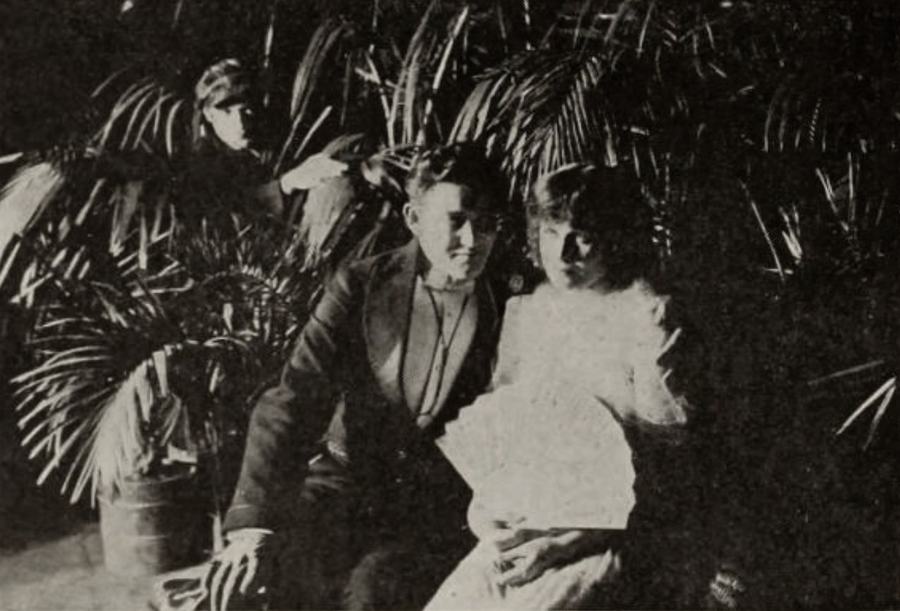
Phillip's infatuation with the Baroness leads him down a perilous path, causing him to neglect his fiancée, Grace. Her growing concern, a silent testament to the emotional toll of his distraction, prompts an inquiry to Dave. Ever loyal and protective, Dave, despite his own suspicions, shields Phillip by offering a vague, if dishonest, explanation of "business." Yet, Dave's street smarts and newly honed moral compass make him acutely aware of the Baroness's sinister machinations. He attempts to warn Phillip, to tear back the veil of infatuation, but his young employer, resentful of the perceived interference and perhaps too deeply entangled, dismisses him. This act of dismissal is a cruel irony, punishing the very man who has genuinely reformed and now seeks to protect him and his family's legacy. It highlights the often-unseen sacrifices made by those loyal to principles rather than power.
The narrative hurtles towards its explosive climax. The Baroness, seizing an opportunity born of Phillip's drunken stupor, pilfers his office keys, a crucial tool in her scheme. Her confederates, armed with the keys and a deadly agenda, hasten to the steel works. But Dave, now unemployed but ever vigilant, remains suspicious. His intuition, sharpened by a lifetime spent observing the darker side of humanity, compels him to follow them. What he witnesses confirms his gravest fears: the planting of bombs, designed to cripple the heart of the nation's industrial might.
A desperate struggle ensues, a one-man war against a well-organized network of saboteurs. Dave, despite being outnumbered, fights with the ferocity of a man defending not just a factory, but his own hard-won redemption. He is ultimately subdued, left bound hand and foot amidst the ticking explosives, a chilling testament to the ruthlessness of his adversaries. The scene is a masterclass in silent suspense, each cut, each close-up of the burning fuses, amplifying the tension. In a moment of sheer, primal will, Dave rolls himself towards a nearby saw, working frantically, his determination a visceral force, until he severs his bonds. This act of self-liberation is not just physical; it's a symbolic breaking free from the chains of his past, a definitive embrace of his heroic potential.
He then embarks on a frantic, heroic race against time, stamping out the fuses of the bombs. The cacophony of the impending explosion is conveyed through rapid cuts and intense facial expressions, a symphony of silent terror. Despite his valiant efforts, one of the bombs detonates, engulfing Dave in the wreckage. It's a moment of devastating uncertainty, leaving the audience to wonder if his sacrifice was in vain.
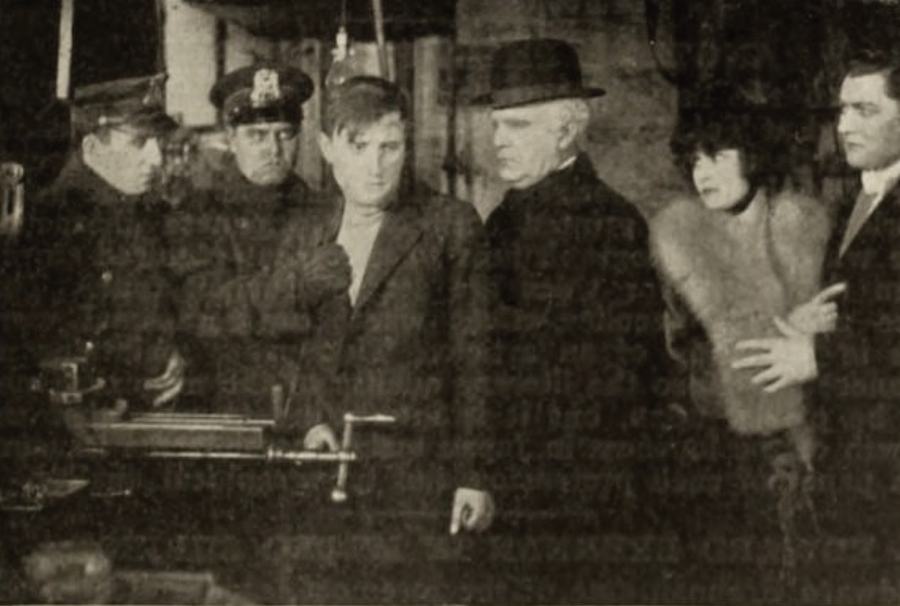
Meanwhile, a vigilant watchman, having witnessed fragments of the struggle, pursues the fleeing conspirators. The arrival of the police, followed closely by Phillip and his father, adds another layer of drama. In a cruel twist of fate, the elder Brenton, misinterpreting the scene of devastation, accuses Dave not only of attempting to destroy his plant but also resurrects the specter of Paddy Burns's attempted murder. It's a moment of profound injustice, a potential undoing of all Dave's efforts, reminiscent of the wrongful accusations that drive the plot of Ignorance.
However, truth, as it often does in these grand narratives, prevails. The watchman returns with the apprehended culprits, unraveling the true story and unequivocally clearing Dave's name. The final piece of the puzzle falls into place when a policeman delivers the news that Paddy Burns is, in fact, alive, having sustained only minor injuries. This revelation not only absolves Dave of the murder charge but also softens the assault charge, allowing him to be acquitted. His journey comes full circle, not merely escaping punishment, but achieving full vindication. He returns to the Benton Steel Works, not just with his old job, but with a better one, a symbol of his earned trust and respect. Phillip and Grace, their relationship strained by the ordeal, are reunited, their bond strengthened by the shared experience and Dave's selfless heroism. It’s a resolution that feels earned, a triumph of character over circumstance, echoing the ultimate reconciliation found in The Shepherd of the Southern Cross, albeit with entirely different stakes.
At the heart of The Redemption of Dave Darcey are its characters, each playing a vital role in the intricate dance of good and evil, loyalty and betrayal. Carl Rich, as Dave Darcey, delivers a performance that is both gritty and deeply empathetic. He portrays Dave's transition from a hardened criminal to a man of profound integrity with remarkable subtlety for the silent era, conveying internal conflict and burgeoning heroism through nuanced gestures and expressions. His Dave is not simply a reformed man; he is a man constantly battling his former self, making his eventual triumph all the more resonant.
James Morrison's Phillip Brenton serves as the film's moral compass, albeit one occasionally skewed by naivete and infatuation. His initial act of faith in Dave sets the entire redemption arc in motion, yet his susceptibility to the Baroness's charms highlights the vulnerabilities of even the most well-intentioned individuals. Mary Maurice, likely portraying Grace, offers a quiet strength, representing the anchor of genuine affection and moral clarity that Phillip temporarily abandons. The Baroness Von Ehrenstein, played by an uncredited actress (or perhaps one of the listed cast members in a dual role, common for the time), is a chillingly effective antagonist, a master manipulator whose cold resolve drives much of the film's suspense. Her character prefigures the iconic spy villains of later cinematic eras.
The film is rich with thematic depth. Redemption, naturally, stands as the central pillar. Dave's journey is a powerful exploration of the human capacity for change, the idea that one's past does not necessarily dictate one's future. It's a narrative that champions second chances, provided they are earned through genuine effort and sacrifice. This theme, while prevalent in many narratives, feels particularly potent here, given the stark contrast between Dave's former life and his heroic actions.
Loyalty is another critical thread, explored through Dave's unwavering commitment to Phillip, even after being dismissed, and Grace's steadfast love. Conversely, the Baroness embodies betrayal, not just of individuals but of national trust, echoing the complex loyalties and deceptions found in works like Dvoynaya zhizn (A Double Life). The film also subtly touches upon class distinctions and the judgments that often accompany them. Phillip's father's skepticism of Dave, despite his son's advocacy, speaks volumes about societal prejudices against those from the "wrong side of the tracks." Yet, Dave's actions ultimately transcend these societal barriers, proving his worth through deed rather than birthright.
The element of national security and industrial espionage adds a layer of geopolitical relevance that was undoubtedly potent in its time, reflecting anxieties about foreign threats and the protection of vital assets. This elevates the personal drama to a broader, more significant conflict, making Dave's heroism not just about personal salvation but about safeguarding the nation.
Directed by an uncredited hand but penned by the prolific Charles T. Dazey, The Redemption of Dave Darcey exemplifies the narrative ambition of early 20th-century filmmaking. Dazey, a veteran writer, clearly understood how to craft a compelling story that could thrive within the constraints of silent cinema. The film's pacing, while perhaps slower by today's standards, allows for a meticulous build-up of tension and character development. The use of intertitles would have been crucial for conveying dialogue and internal thoughts, guiding the audience through the complex plot. The action sequences, particularly Dave's desperate struggle in the factory, would have relied on dynamic camera work (for its time), rapid editing, and heightened physical performances to convey urgency and danger. Comparing it to other films of the era, such as Hämnaren (The Avenger) or Carmen, one can appreciate the diverse range of genres and storytelling approaches being explored.
The cast, featuring names like Carl Rich, James Morrison, Mary Maurice, Danny Hayes, Logan Paul, Robert Gaillard, Gerald Gordon, Billie Billings, John Costello, Charles J. Giegerich Jr., Emanuel A. Turner, and Belle Bruce, collectively brought this vibrant world to life. In an age before widespread star systems, these actors were the workhorses of the industry, honing their craft through sheer volume and dedication. Their ability to convey complex emotions without spoken words is a testament to their artistry and the unique demands of silent film acting. It's a reminder that compelling performances are not solely dependent on dialogue, but on the profound connection between actor and character, expressed through every gesture and glance.
Films like The Wasted Years or Forbandelsen (The Curse) often explored the heavy toll of past mistakes, but The Redemption of Dave Darcey offers a more optimistic counter-narrative: that even the most 'wasted years' can be redeemed through conscious effort and selfless acts. The juxtaposition of personal moral struggle with large-scale industrial sabotage and international espionage makes this film a fascinating precursor to later genre blends, demonstrating that early cinema was far from simplistic. It was an ambitious art form, constantly pushing boundaries and exploring the full spectrum of human experience.
The resolution, with Dave not only cleared of all charges but also elevated to a "better job" at the steel works, and Phillip and Grace reunited, provides a satisfying sense of closure. It reinforces the idea that good deeds are ultimately rewarded and that integrity, once found, can lead to a truly better life. This kind of moral clarity, while perhaps seeming quaint to some modern sensibilities, offered a powerful message of hope and justice to audiences of the era. It's a narrative that, despite its age, continues to speak to universal desires for second chances and the triumph of the human spirit against overwhelming odds.
In conclusion, The Redemption of Dave Darcey stands as a compelling example of early cinema's ability to craft intricate, emotionally resonant stories. It's a film that demands appreciation not just for its historical context but for its inherent dramatic power. From Dave's initial fall to his ultimate rise, from the intimate moral struggle to the grand scale of international espionage, every element is woven with purpose. The performances, though silent, speak volumes, conveying fear, love, betrayal, and heroism with an intensity that transcends spoken language. It is a reminder that the essence of great storytelling lies not in the tools available, but in the vision and skill of those wielding them. This film is more than a historical curiosity; it is a vibrant, thrilling narrative that continues to captivate, offering a window into the cinematic foundations upon which all subsequent film history has been built. It's a testament to the enduring power of a good story, well told, regardless of the era.

IMDb —
1926
Community
Log in to comment.