DbcultAccessing Vault...
7.1/10
Senior Film Conservator
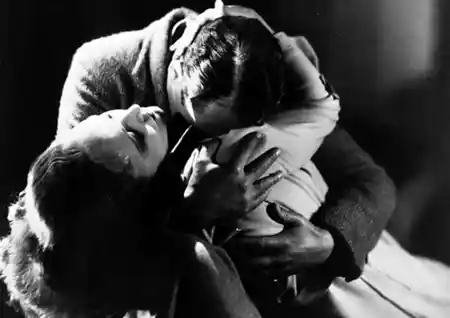
A definitive 7.1/10 rating for a film that redefined the boundaries of cult cinema. The Love Storm remains a cornerstone of transgressive art.
Okay, so The Love Storm from way back in 1931. Is it a must-see today? Probably not for everyone. If you’re into early talkies, the kind of melodramas that feel almost too dramatic, or just curious about how films worked back then, then yeah, give it a shot. But if you need fast pacing or explosions, you’ll probably be bored stiff. It's a slow burn, for sure, with some real old-school acting.
The premise is simple: a lighthouse keeper, William Kell, out on the lonely New Zealand coast. He marries Eileen, a dancer from a cabaret. Immediately, you can feel the clash of worlds. She’s all bright lights and movement; he’s… *fixed* in place. 💡
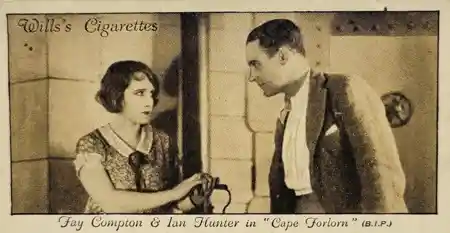
Fay Compton plays Eileen. She’s really something. You can almost feel her restlessness. Like, she’s used to crowds and attention, and now she’s just… there. Trapped, maybe. Her affair with Cass, Kell’s assistant, it feels less like a grand passion and more like pure, unadulterated boredom setting in. Cass, played by Ian Hunter, he’s a bit of a slick one. Not really charming, just… available. His smirk, it really gets under your skin.
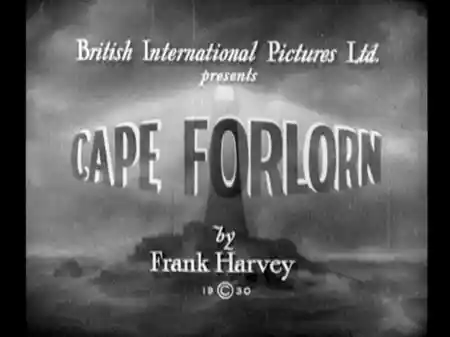
Donald Calthrop as Kell, the lighthouse keeper, he’s got this quiet intensity. You feel his isolation, even before all the drama kicks off. His reaction shots, especially when he starts to suspect things, they really sell the pain. No big speeches, just his face. It’s powerful, actually.
The lighthouse itself, sitting out there on the New Zealand coast, it’s not just a backdrop. It feels like a third character, trapping everyone. The way the wind howls, the waves crash… it just adds to the feeling of *no escape*.
Then this stranger, Kingsley, washes up after a wreck. An “absconder,” the plot says. He’s played by Frank Harvey. You just know he’s trouble. The way Eileen immediately turns her attention to him, it's pretty quick. Almost too quick, honestly. Like she was just waiting for the next distraction to float in with the tide. 🌊
There’s this one shot, very early on, of the waves crashing against the rocks near the lighthouse. It lingers for a beat or two longer than you'd expect. Almost like the director wanted you to really *feel* that relentless isolation. Or maybe the editor just liked the shot a lot. Hard to tell with these old films sometimes.
The tension builds, slowly but surely. Kingsley and Cass, they start to quarrel. It’s not a huge, explosive fight at first, more like simmering resentment. You can see it in their eyes, the way they glare. It’s all very subtle for a while. Then Eileen, she shows up with a revolver. And she fires… *blindly*.
Cass just drops. It’s a moment that feels both completely wild and somehow, in that 1930s way, totally inevitable. You see it coming, but it still makes you lean forward. The suddenness of it, after all that slow build-up, it’s quite something. The movie doesn't dwell on the gore, which is good. It's more about the shock and the aftermath.
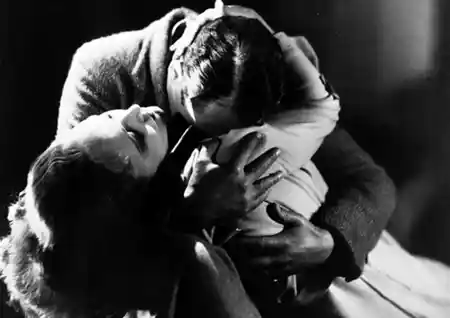
The sound quality, well, it’s 1931. You get some of that classic hiss and sometimes the dialogue feels a little… *canned*. But it's part of the charm, I guess. The shadows inside the lighthouse are fantastic though. They play with light so well, making everything feel even more claustrophobic. You really get a sense of how dark and lonely it must be there.
This film is a fascinating peek into early sound cinema. It’s clunky in places, sure, but it’s got a heart to it. A very *melodramatic* heart. If you can appreciate the pace and the acting style of the era, there's a lot to chew on here. It's an interesting character study, even if some of the plot points feel a bit… convenient, shall we say. You definitely won’t mistake this for a modern movie, but that’s kind of the point, isn't it?
IMDb —
1920
Community
Log in to comment.