DbcultAccessing Vault...
4.3/10
Senior Film Conservator
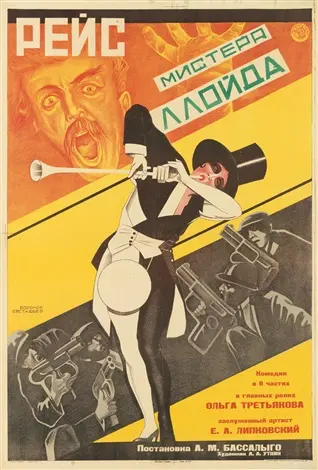
A definitive 4.3/10 rating for a film that redefined the boundaries of cult cinema. Reis mistera Lloyda remains a cornerstone of transgressive art.
Short answer: yes, but with significant caveats. This early Soviet production, Reis mistera Lloyda, is less a thrilling narrative for modern audiences and more a fascinating historical document, a window into the ideological battlegrounds of 1920s cinema. It's a film for cinephiles, historians, and those intrigued by the genesis of Soviet propaganda, but certainly not for casual viewers seeking contemporary pacing or nuanced character arcs.
This film works because it offers an unfiltered glimpse into the early Soviet Union's self-perception and its efforts to reshape national identity through art. It fails because its overt propagandistic intent often overwhelms genuine dramatic tension, rendering many characters as archetypes rather than believable individuals. You should watch it if you are deeply interested in silent cinema, political history, or the evolution of cinematic storytelling, particularly how cinema was weaponized for state-building. If you prefer subtlety, complex morality, or fast-paced action, you will likely find it a challenging, perhaps even frustrating, experience.
Dmitry Smolin's Reis mistera Lloyda, or 'The Journey of Mr. Lloyd,' plunges us into the tumultuous aftermath of the Russian Civil War, a period ripe with ideological fervor and personal upheaval. The plot, deceptively simple, follows an ex-soldier from Wrangel's defeated White Army. This isn't just a tale of flight and return; it's a parable of ideological conversion, a narrative designed to illustrate the 'correct' path for those once aligned with the old regime.
Our protagonist, a man stripped of his past allegiance, seeks refuge in the French Foreign Legion, a notorious haven for the world's dispossessed. This initial flight speaks volumes about the desperation of the era, the international landscape becoming a chessboard for political exiles. His subsequent defection from the Legion and his decision to return to the USSR mark the true beginning of his odyssey.
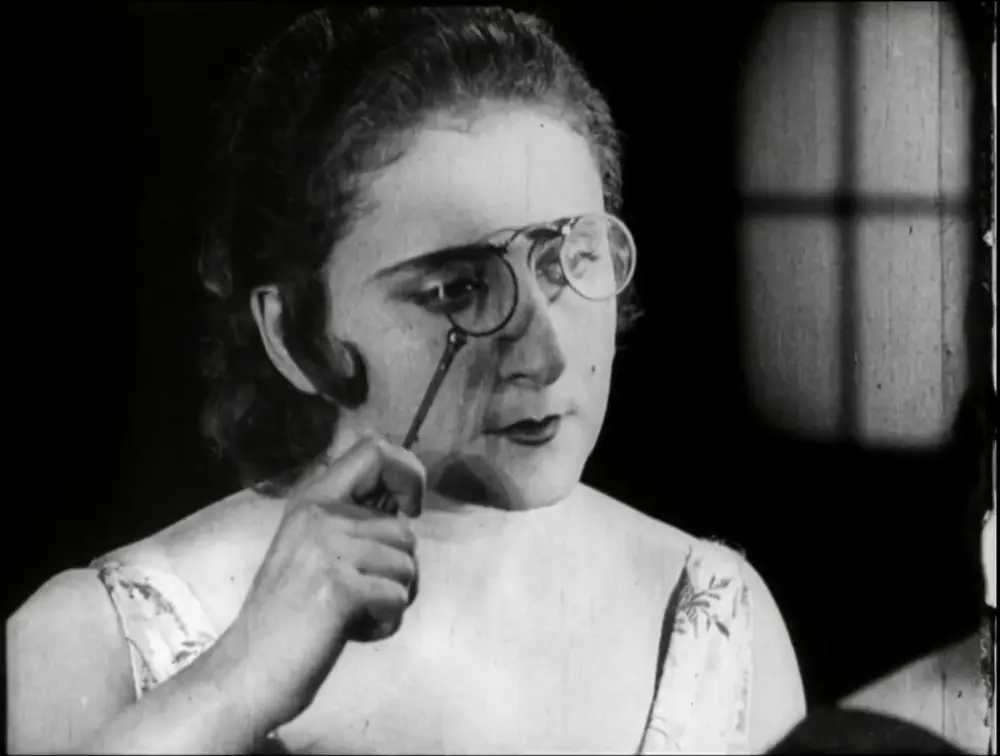
The film, through his journey, aims to dismantle the romanticized notion of the 'White Guard' and replace it with the narrative of a lost soul finding redemption within the Soviet fold. It's a reinterpretation of individual fate through the lens of collective destiny, where personal struggle is secondary to ideological correctness. The 'Lloyd' in the title hints at a false identity, a disguise necessary for survival and perhaps, a symbol of the old self that must be shed.
Dmitry Smolin, as the director, was tasked with more than just telling a story; he was propagating a message. In early Soviet cinema, the director was often an architect of state ideology, and Reis mistera Lloyda is a prime example of this directive. Smolin's approach is direct, almost didactic, employing visual motifs and character actions to reinforce the superiority of the Soviet system.
The pacing is deliberate, building a sense of grim determination rather than suspense. We see this in the sequences depicting the protagonist's life in the Foreign Legion – a bleak, oppressive existence contrasting sharply with the implied promise of the homeland. Smolin uses stark visual contrasts, often employing chiaroscuro lighting to emphasize moral and political dichotomies. The harsh desert landscapes of the Legion, for instance, are presented as a literal and metaphorical wasteland, a stark counterpoint to the fertile, industrious image of the burgeoning Soviet state.
While not as revolutionary in form as some of his contemporaries like Eisenstein or Vertov, Smolin’s direction here is effective in its clarity of purpose. He understands that for propaganda to work, the message must be unambiguous. There's little room for ambiguity in the protagonist's eventual realization; his path is laid out with almost allegorical precision. It’s less about a man’s internal struggle and more about a nation’s ideological triumph, visually rendered through one man’s journey.
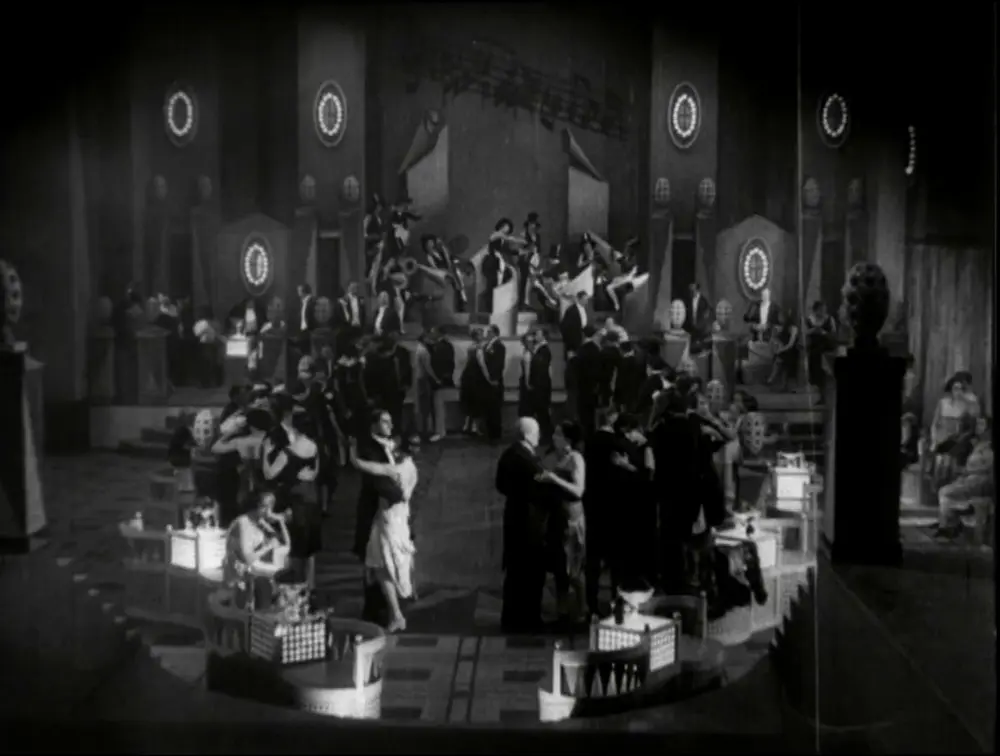
One could argue that the film's strength lies in its unyielding commitment to its message, even if that commitment sacrifices cinematic nuance. This directness, while alien to modern storytelling, was a powerful tool for shaping public opinion in a nascent state. Smolin effectively translates political doctrine into cinematic narrative, a challenging feat in any era.
The acting in Reis mistera Lloyda, led by Nikolai Vitovtov in the central role, operates within the conventions of early silent cinema, often leaning towards expressive physicality and exaggerated gestures to convey emotion and intent. This style, while perhaps jarring to contemporary eyes, was the lingua franca of the era, particularly in films with strong ideological undercurrents.
Vitovtov's portrayal of the ex-White Army soldier is necessarily broad. He must embody the 'lost soul' archetype, conveying desperation, disillusionment, and eventually, a dawning sense of purpose. His transformation, from a defeated figure in the Legion to a man tentatively embracing the Soviet ideal, is communicated primarily through his posture and facial expressions, as was common for the time. There's a certain stoicism to his performance that hints at the inner turmoil without overstating it, a necessary restraint given the film's overarching message.
The supporting cast, including B. Burov, Mariya Arnazi-Borshak, and Li Den Ten, fill out the world with characters who often serve as symbolic representations. Arnazi-Borshak, for instance, likely embodies a more sympathetic, perhaps even guiding, presence, a common trope for female characters in films aiming to humanize the revolutionary cause. These performances, while not aiming for naturalism, effectively serve the film's narrative and ideological requirements.
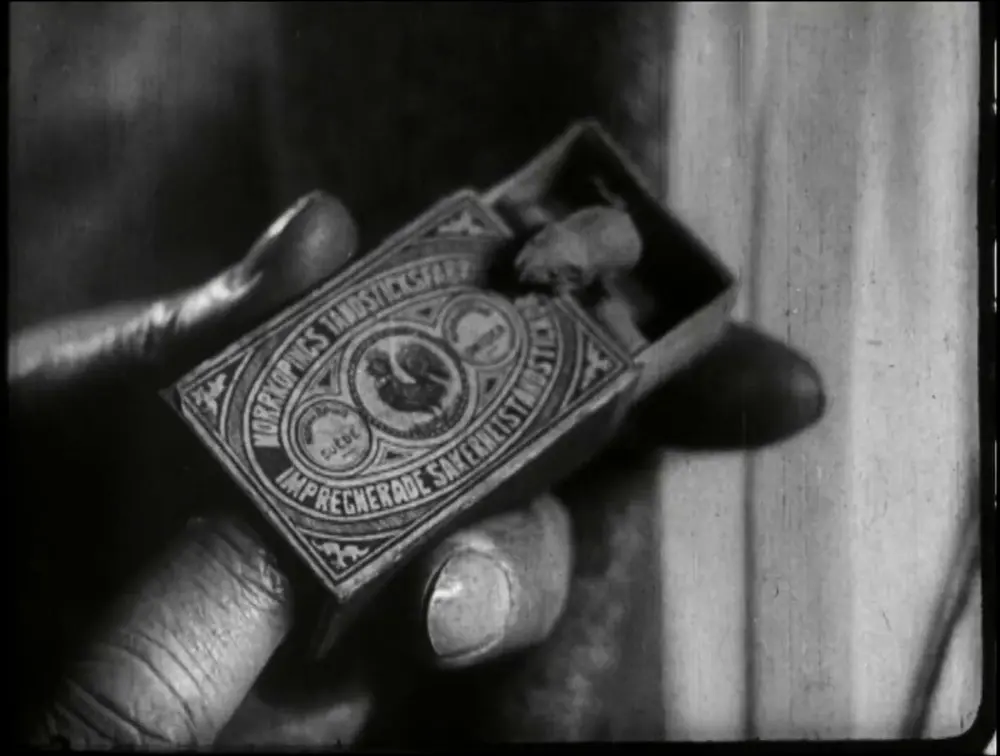
It’s crucial to view these performances not through the lens of method acting or psychological realism, but as part of a theatrical tradition that emphasized clarity and impact. The actors were not merely portraying individuals but contributing to a larger national allegory. Their work, therefore, is a testament to the early Soviet cinema's unique demands on its performers.
The visual language of Reis mistera Lloyda is, perhaps, its most enduring quality as a historical artifact. The cinematography, while likely constrained by the technology of the era, effectively builds atmosphere and underscores the film's themes. We can infer a reliance on practical sets and locations, lending a raw authenticity to the scenes.
Consider the depiction of the Foreign Legion. The starkness of the barracks, the uniforms, the barren landscapes—these elements collectively paint a picture of confinement and despair. This visual rhetoric is powerful, contrasting sharply with any scenes depicting the Soviet homeland, which would likely be framed with symbols of industry, progress, and collective spirit. The use of natural light, typical for early cinema, would have given these scenes a gritty, immediate quality.
The production design, while perhaps not elaborate by today's standards, would have been meticulously crafted to convey specific messages. Uniforms, flags, and architectural details would have been carefully chosen to signify allegiance and ideology. The film would have used these visual cues to guide the audience's emotional and political response, a common practice in propagandistic cinema of the time, much like the overt symbolism found in films such as The Living Image, or the Lady of Petrograd.
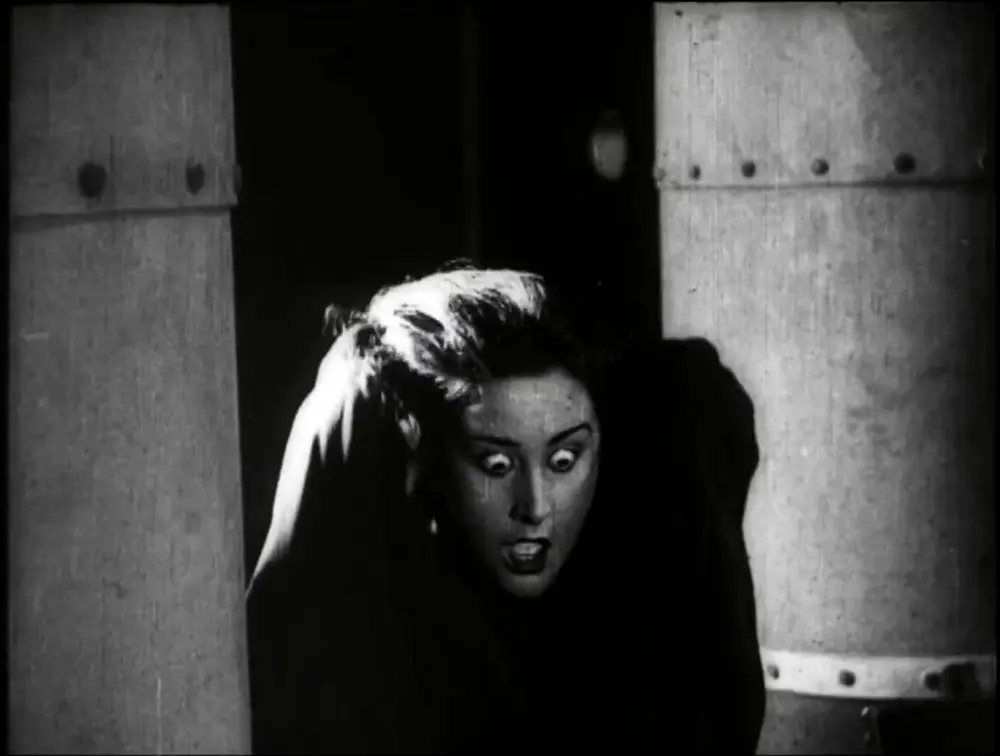
Even without detailed knowledge of specific shots, one can surmise that the visual composition would prioritize clarity of message over artistic flourish. Angles and framing would be chosen to emphasize the isolation of the protagonist or the might of the collective. It's a functional, purposeful aesthetic, designed to serve the narrative's ideological core.
The pacing of Reis mistera Lloyda is emblematic of early Soviet silent films: measured, often deliberate, and built around the unfolding of ideological concepts rather than rapid-fire action. This isn't a film designed for suspense in the modern sense, but for the slow, methodical construction of a political argument through narrative.
The tone is serious, earnest, and often didactic. There's little room for levity or ambiguity. The gravity of the protagonist's decision to return to the USSR, the inherent risks, and the ideological implications are conveyed with an unwavering solemnity. This tonal consistency ensures the audience remains focused on the film's core message: the inevitability and righteousness of the Soviet path.
While some might find this slow burn challenging, it allows for a deeper immersion into the period's political anxieties and hopes. The film functions as a cinematic essay, with each scene building upon the last to form a cohesive, if predetermined, conclusion. It's a stark contrast to the more entertainment-driven narratives emerging from Hollywood at the same time, such as Parisette.
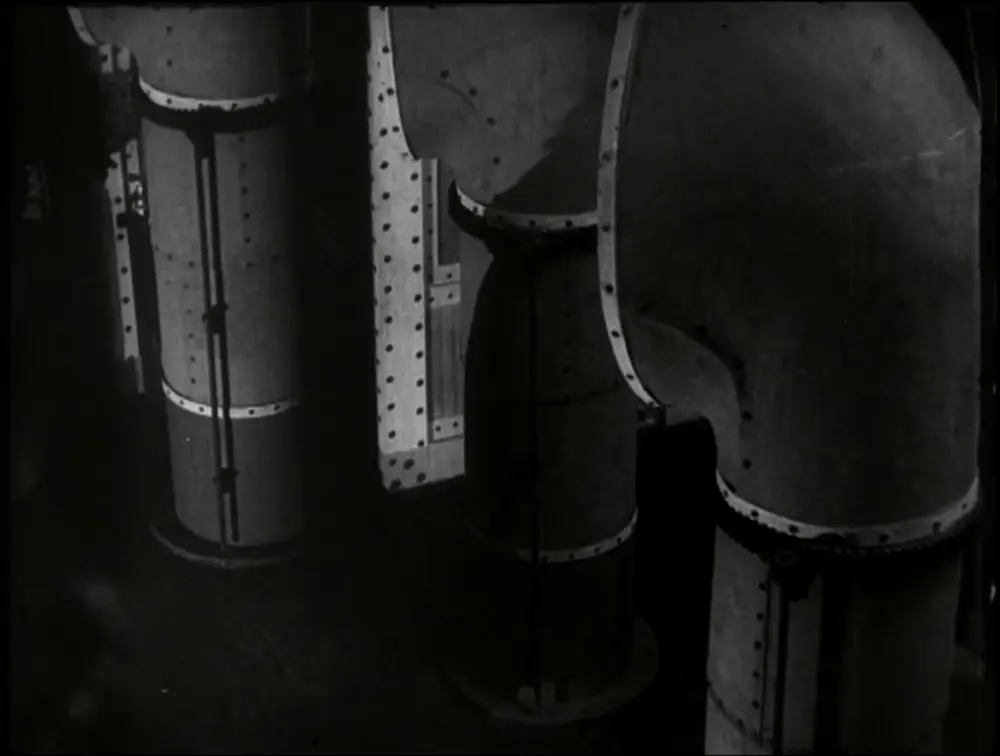
One could even argue that the film’s deliberate pacing is a form of ideological conditioning. It forces the viewer to confront the themes, to absorb the message without the distraction of superficial thrills. This makes it a fascinating case study in how cinema was used as a tool for nation-building and social engineering.
My most surprising observation about Reis mistera Lloyda is how, despite its overt propaganda, it inadvertently highlights the profound human cost of ideological warfare. The protagonist's journey, even when framed as a heroic conversion, still speaks to the displacement, fear, and forced reinvention that countless individuals faced in this turbulent era. It's a stark reminder that behind every grand political narrative are the lives upended by its demands. The film wants you to believe in the triumph, but you can't help but feel the underlying tragedy.
It works. But it’s flawed. The film’s strength lies in its unvarnished portrayal of a very specific historical and political moment. It doesn't attempt to be timeless; it aims to be timely. This commitment to its era is both its greatest asset and its biggest hurdle for modern audiences.
I firmly believe that judging films like Reis mistera Lloyda solely by contemporary cinematic standards misses the point entirely. Its value isn't in its entertainment factor, but in its historical testimony. It’s a piece of the puzzle, a fragment of a larger ideological project. To dismiss it as 'just propaganda' is to overlook its profound significance in understanding early 20th-century geopolitical and cultural shifts.
Reis mistera Lloyda is not a film that will captivate every viewer, nor should it be approached with modern expectations. It is a product of its time, a cinematic instrument designed to shape hearts and minds in a nascent communist state. Its value lies not in its ability to entertain in a conventional sense, but in its capacity to educate and provoke thought about a pivotal moment in history and the role cinema played within it.
For those willing to engage with its historical context and ideological framework, it offers a compelling, if challenging, experience. It’s a testament to the power of early cinema as a tool for social engineering, and a stark reminder of how narratives are crafted to serve political ends. While it may not leave you breathless with excitement, it will certainly leave you with a deeper understanding of an era defined by grand ideological struggles. Seek it out if you dare to delve into the archives of cinematic history; otherwise, you might find yourself adrift in its deliberate pace.
IMDb —
1919
Community
Log in to comment.