DbcultAccessing Vault...
5.2/10
Senior Film Conservator
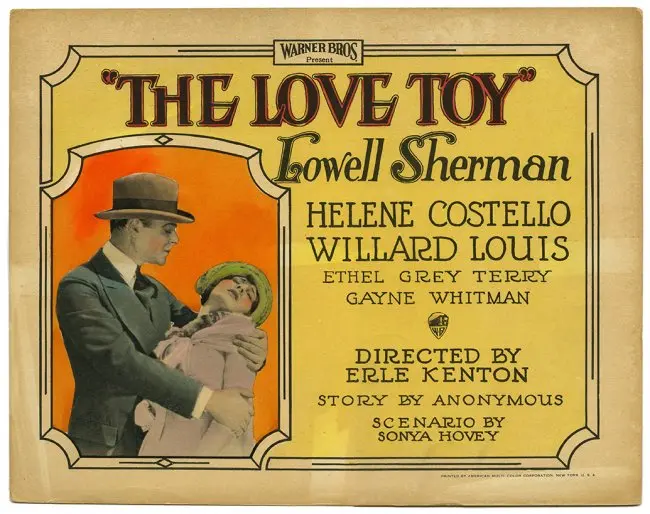
A definitive 5.2/10 rating for a film that redefined the boundaries of cult cinema. The Love Toy remains a cornerstone of transgressive art.
Is "The Love Toy" worth revisiting today? Short answer: yes, but with significant caveats that speak more to cinematic archaeology than pure entertainment. This 1926 romantic comedy-drama is a fascinating, if often frustrating, window into early Hollywood's attempts at blending farce with light romance, ultimately serving as a historical curiosity rather than a timeless classic.
It's a film for dedicated silent cinema enthusiasts, scholars of early studio systems, and those with a keen interest in the nascent careers of stars like Myrna Loy, but it will likely prove a challenging, if not entirely unrewarding, watch for casual viewers seeking modern narrative sophistication or even the polished charm of later silent-era gems.
This film works because... it offers a rare glimpse into the formative years of genre blending, particularly how romantic comedy tropes were being established against a backdrop of improbable political intrigue.
This film fails because... its narrative logic often collapses under the weight of its own farcical ambitions, leading to a disjointed pace and character motivations that stretch credulity even for a silent-era comedy.
You should watch it if... you are deeply invested in the evolution of film history, wish to witness the raw, early performances of soon-to-be legends, or have a specific academic interest in 1920s filmmaking techniques and storytelling.
"The Love Toy" takes a simple premise – a jilted lover seeks solace – and escalates it into a global farce with bewildering speed. Peter Remsen, played by Willard Louis, is our heartbroken protagonist, who, after being left at the altar, essentially runs away to a fictional European kingdom called Luzania. His intent? To simply exist, perhaps to mend his shattered ego. Yet, almost immediately, he's thrust into the role of valet to the King, a position he leverages to get closer to Princess Patricia (Myrna Loy).
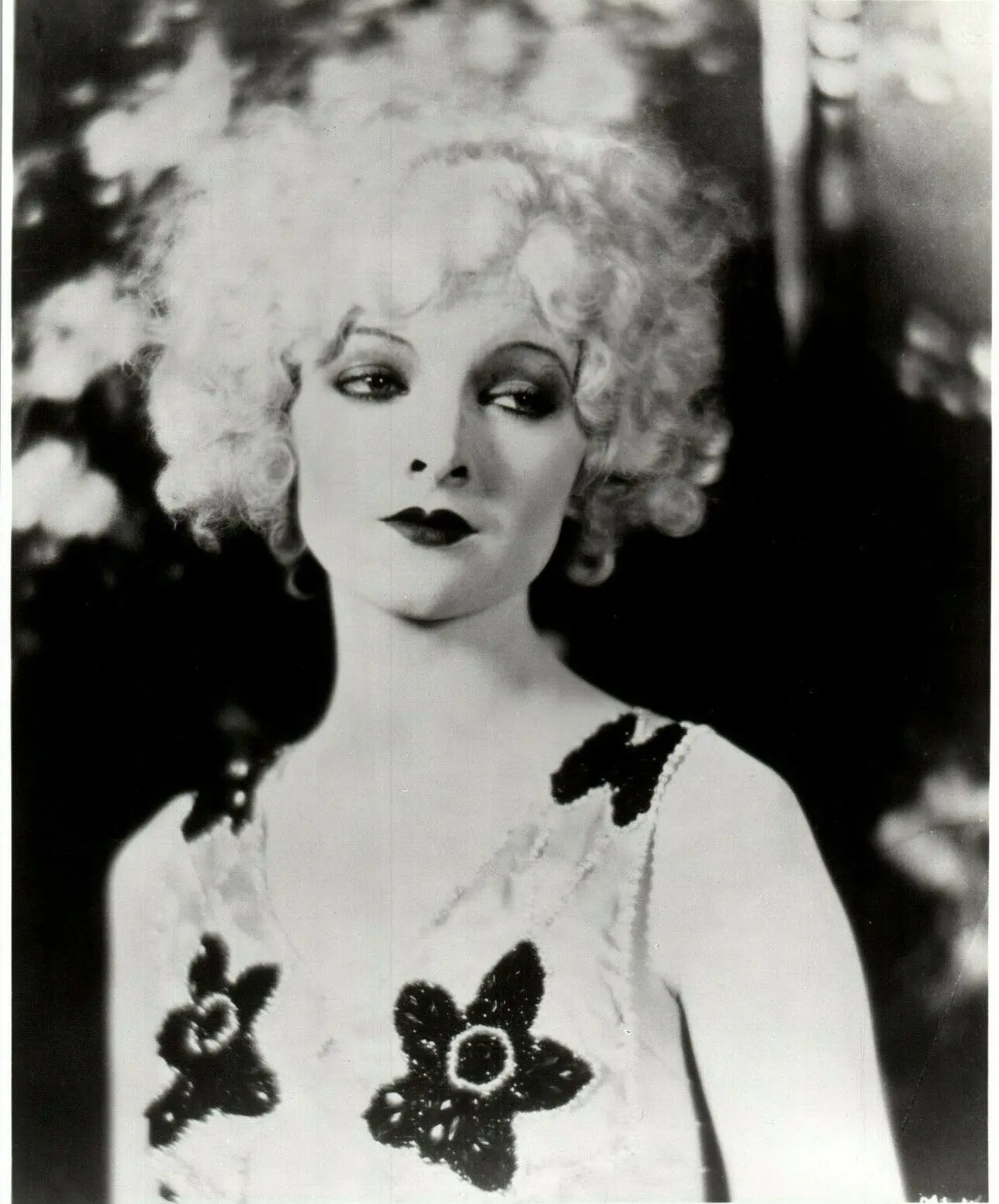
This initial setup, while quaint, quickly spirals into geopolitical chaos. The Queen of Belgradia, portrayed with villainous relish by Ethel Grey Terry, arrives, takes a shine to Peter, and when he rebuffs her advances, precipitates a full-blown international conflict. The absurdity peaks when the King of Luzania, rather than leading his nation into war, is depicted as entirely preoccupied with a dancer. This leaves Peter, the jilted, accidental valet, to take charge of the army. It’s a narrative contortion that would feel at home in a Marx Brothers film, yet here it's played with a straight face that borders on the surreal.
The climax involves Princess Patricia's kidnapping and Peter's heroic, if improbable, rescue in a tank, leading to their inevitable marriage. The plot is less a cohesive story and more a series of escalating comedic and dramatic events, strung together by the thinnest threads of logic. It’s a testament to early screenwriting’s experimental nature, where anything seemed possible, even if not entirely sensible.
The performances in "The Love Toy" are a mixed bag, offering both the broad strokes typical of silent-era acting and intriguing glimpses of future star power. Willard Louis, as Peter Remsen, carries the film's emotional and comedic weight. His initial portrayal of a heartbroken man is conveyed through classic silent film expressions – slumped shoulders, downcast eyes, and a general air of melancholic despair. As he transitions to the accidental military leader, Louis uses physical comedy and exaggerated gestures to show Peter's bewilderment and reluctant authority. In one memorable sequence, Peter’s attempts to rally the troops involve more flailing than commanding, a visual gag that lands surprisingly well.
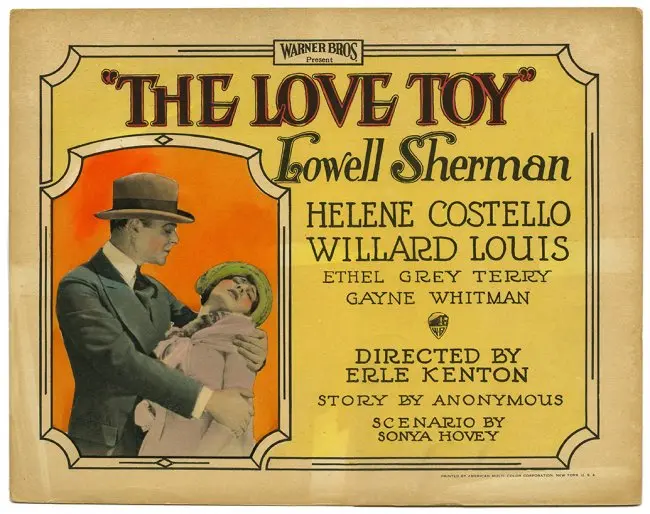
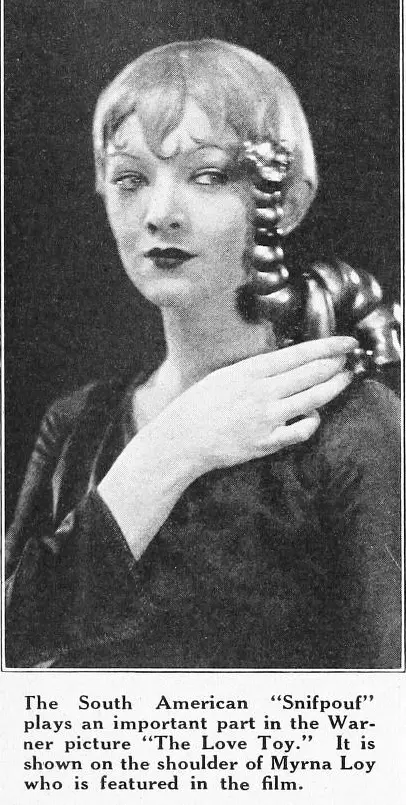
Myrna Loy, even in this relatively early role as Princess Patricia, demonstrates a captivating screen presence that hints at the sophisticated charm she would later perfect in films like The Thin Man. Her movements are graceful, her reactions subtle yet clear, and she brings a certain dignity to a character who could easily have been a mere damsel in distress. You can see the nascent star power in her ability to convey emotion without overacting, a skill that would define her career.
Ethel Grey Terry, as the vengeful Queen of Belgradia, fully embraces the melodramatic villainy required of her role. Her dramatic stares, sweeping gestures, and overt displays of anger and seduction are perfectly calibrated for the silent screen, providing a compelling antagonist whose motivations, while simple, drive much of the plot's conflict. Lowell Sherman, as the distracted King, provides effective comedic relief, his obliviousness to the unfolding war a recurring, if one-note, joke that nonetheless highlights the film's farcical leanings.
Charles Logue's direction in "The Love Toy" is a fascinating artifact of its time. The film oscillates wildly between intimate character moments and grand-scale spectacle, often struggling to find a consistent visual language. Logue relies heavily on intertitles to bridge narrative gaps and convey character thoughts, a common practice for the era. However, the sheer volume of exposition required to explain the rapidly shifting plot can sometimes feel overwhelming, pulling the viewer out of the visual experience.
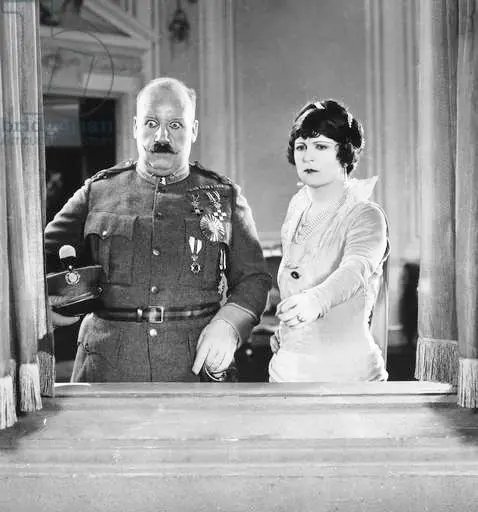
Visually, the film attempts to create a sense of European grandeur for Luzania and Belgradia, likely through elaborate set designs and costuming that, for 1926, would have been considered quite lavish. While specific details are scarce from the surviving context, one can infer that Logue would have focused on clear blocking and expressive acting to convey the story. The sequence depicting Peter taking command of the army, for instance, likely involves wide shots of confused soldiers juxtaposed with close-ups of Peter's bewildered yet determined face, a simple but effective cinematic trick.
The climactic tank rescue is undoubtedly the film's most ambitious visual sequence. For a 1926 production, orchestrating a tank chase and rescue would have been a significant undertaking, demanding careful staging and editing. It's a moment that, despite the film's other flaws, demonstrates an early Hollywood desire for action and spectacle, foreshadowing the grander productions to come. The cinematography, while perhaps not groundbreaking, effectively serves the narrative, focusing on clarity and emotional impact through close-ups when needed.
The pacing of "The Love Toy" is, to put it mildly, erratic. The film lurches from Peter's personal heartbreak to international diplomacy, then to war, and finally to a dramatic rescue, all within a compressed runtime typical of silent features. This rapid-fire progression means that many plot points feel underdeveloped or rushed. The emotional weight of Peter's initial rejection, for example, is quickly sidelined by his sudden immersion in royal intrigue. There’s little time to breathe, let alone fully absorb the implications of each new twist.
The tonal shifts are equally jarring. The film attempts to blend light romantic comedy with elements of political satire and high-stakes melodrama. The comedic absurdity of the King being distracted by a dancer while his country faces war sits uneasily alongside the genuine peril of Princess Patricia's kidnapping. This lack of a consistent tone makes it difficult for the audience to fully engage, constantly shifting gears between laughter and concern. It's an unconventional approach, certainly, and one that makes the film a fascinating study in early cinematic storytelling.
One could argue this chaotic blend is, in itself, a form of charm. It speaks to a period when genre conventions were still fluid, and filmmakers were experimenting with how much narrative complexity an audience could handle. The film's inability to settle on a single tone makes it a challenging watch but also a unique one, much like other experimental works of the era such as Der Schloßherr von Hohenstein or The Nation's Peril, which similarly pushed narrative boundaries.
For the casual viewer, "The Love Toy" is likely to be a difficult recommendation. Its silent-era conventions, exaggerated acting styles, and particularly its disjointed narrative can be off-putting to those accustomed to modern cinematic storytelling. The humor, while present, often relies on situational absurdity that might not translate universally across decades.
However, for film historians, silent film aficionados, or anyone interested in the foundational years of Hollywood, it offers considerable value. It's a rare opportunity to see a young Myrna Loy in an early role, to observe the narrative experiments of the 1920s, and to appreciate the sheer ambition of filmmakers working with nascent technology. Viewing it as a historical document rather than pure entertainment unlocks its true worth.
Like many films from its era, "The Love Toy" presents a unique set of strengths and weaknesses when viewed through a contemporary lens.
"The Love Toy" is an undeniably strange beast. It's a film that demands generosity from its audience, a willingness to overlook its narrative contortions and embrace its historical context. While it absolutely does not stand up as a compelling piece of entertainment for a general audience today, its value as a cinematic artifact is considerable. It works. But it’s flawed.
For those who delight in dissecting the roots of Hollywood's golden age, or who wish to track the embryonic stages of an iconic career like Myrna Loy's, it offers a peculiar, sometimes frustrating, but ultimately rewarding experience. It’s not a film you’ll love for its perfection, but one you might appreciate for its imperfections and the stories they tell about a bygone era of filmmaking. It’s a foundational piece, a stepping stone, and for that alone, it earns its place in the annals of cinema, even if it doesn't quite earn a spot on your regular rewatch list.
IMDb 5.8
1934
Community
Log in to comment.