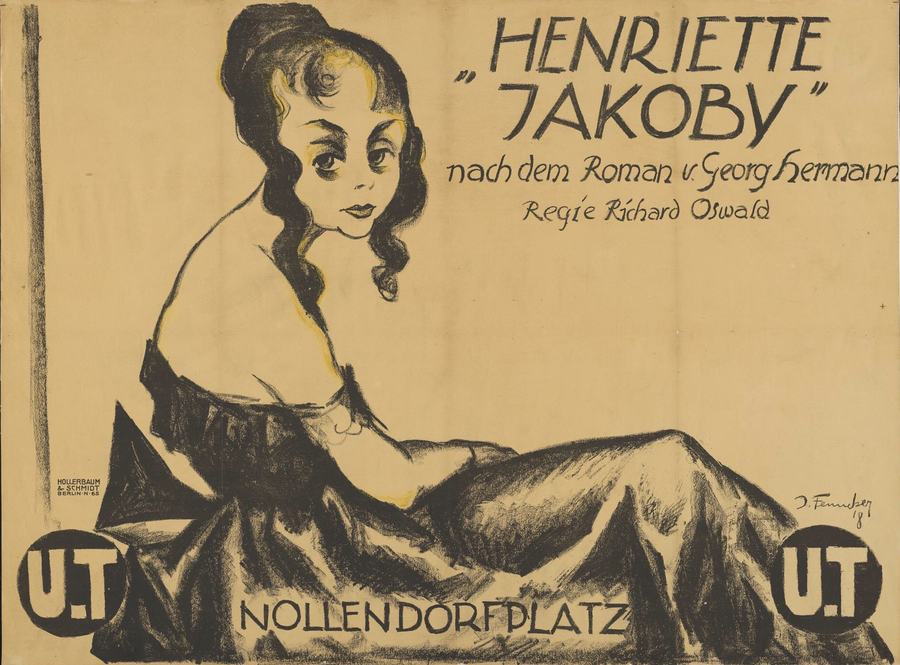
Summary
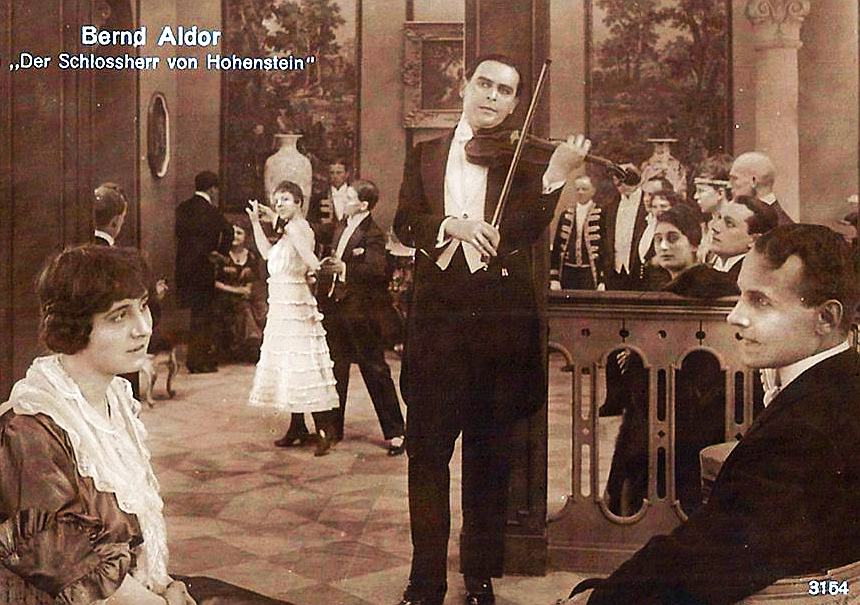
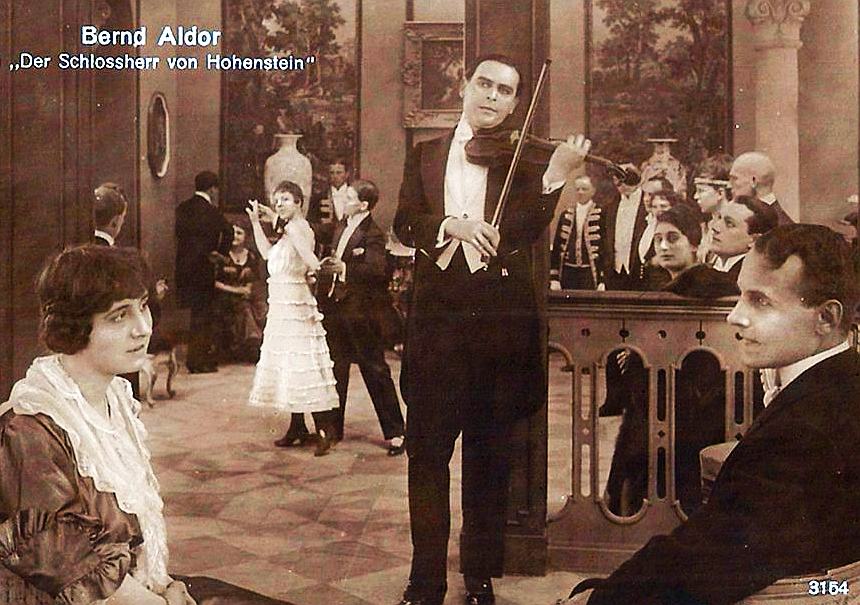
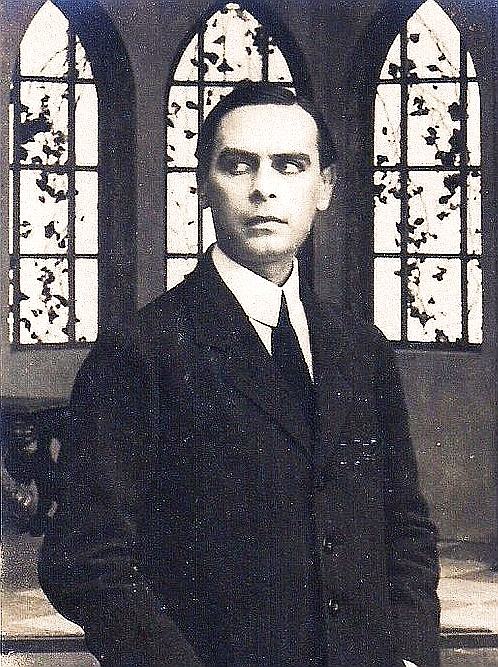
In the twilight of the Austro-Hungarian Empire, an ancestral pile of stone looms above the Danube like a mausoleum of forgotten titles. Ritters, counts, and their porcelain wives glide through candlelit corridors, trading whispers about a prodigal heir whose Paris debts outweigh the yearly yield of ten thousand acres. Rita Clermont’s Countess Adelheid—half-widow, half-phantom—keeps court in black lace, her eyes two obsidian shards reflecting every lie ever told in the Hall of Hohenstein. Ernst Ludwig’s prodigal, Erich von Hohenstein, returns not as redeemer but as walking contagion, dragging with him Reinhold Schünzel’s urbane notary, a man whose smile is a sealed warrant, and Albert Paul’s taciturn steward, whose devotion to the crested portcullis borders on the idolatrous. Into this hive of waxen gentility bursts Paula Barra’s Miliza, a Slovak violin prodigy raised on goat-milk and Bartók, her bow a slingshot aimed straight at the dynasty’s heart. She believes the castle’s vaults hide a Guarneri once pawned by Paganini; what she finds is a labyrinth of ledgers recording centuries of peasant blood converted into florins. Octave Feuillet’s source novel, filtered through Richard Oswald’s Berliner cynicism, becomes a fever chart of moral bankruptcy: every creaking door pronounces judgment, every hunting horn foreshadows foreclosure. The reels unspool like varnished nightmares: a torchlit masquerade where guests wear boar masks; a midnight burial of title deeds in the family chapel; a duel at the watermill where blades spark against grindstones. When the inevitable creditor’s seal is pressed into the oak gate, the film does not merely chronicle eviction—it stages an exorcism of an entire class, letting the camera linger on Adelheid’s final walk down the grand staircase, velvet train sweeping up the dust of centuries as the shutters slam one by one, leaving only Miliza’s defiant cadenzas echoing through the hollow stone.
Review Excerpt
"
The first image is a crest bruised by moonlight: the Hohenstein griffin clutching a sword already oxidized. Richard Oswald holds that shot until the emulsion seems to sweat, as though the film strip itself were reluctant to admit us. We enter anyway—because who can resist the perfume of rot?
Aristocracy as Reliquary
Oswald, fresh from the social-surgical satire of Prostitution, swaps Berlin’s bordello corridors for Carpathian granite yet keeps his scalpel sharp. The castle here is no postcard..."