DbcultAccessing Vault...
6.1/10
Senior Film Conservator
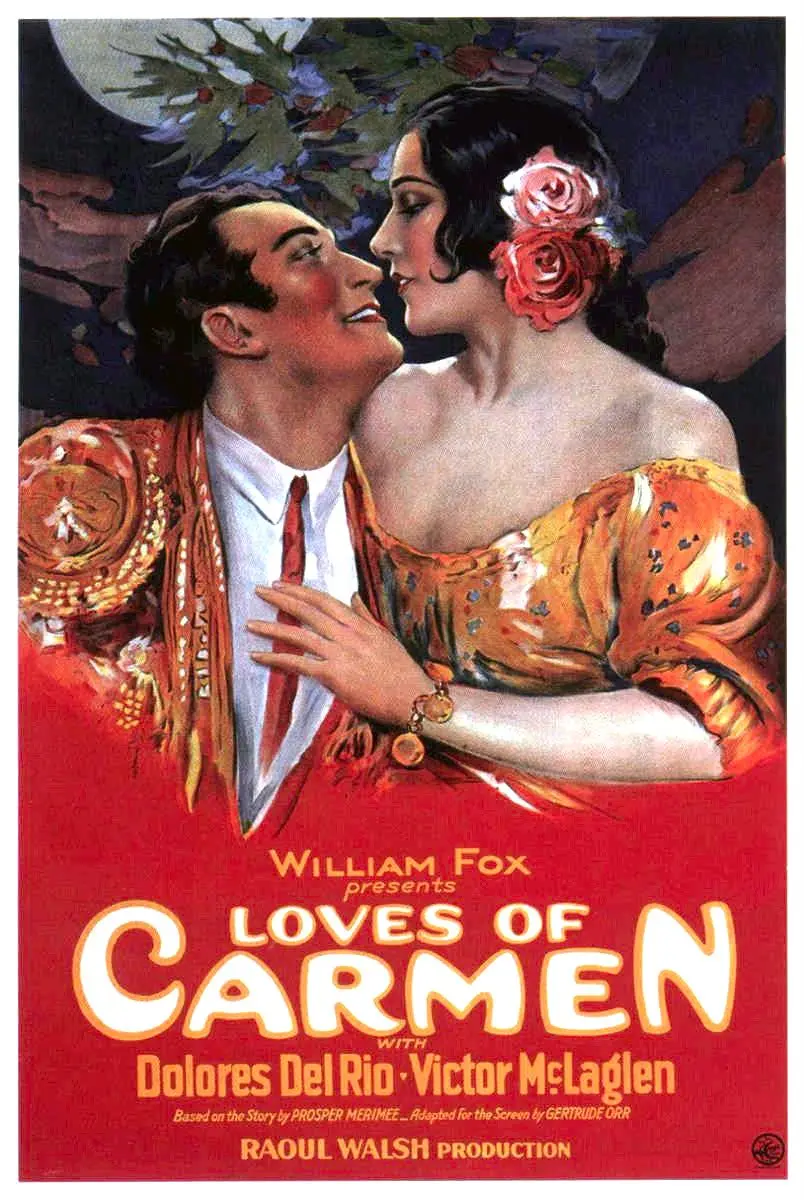
A definitive 6.1/10 rating for a film that redefined the boundaries of cult cinema. The Loves of Carmen remains a cornerstone of transgressive art.
Is 'The Loves of Carmen' a film that still demands our attention in the modern cinematic landscape? Short answer: yes, but with significant caveats that speak to both its era and its ambitious subject matter. This silent adaptation of Prosper Mérimée's classic novella is a fascinating relic, a bold attempt to translate raw passion without spoken dialogue.
This film is best suited for ardent silent film enthusiasts, those fascinated by early cinematic interpretations of literary classics, and anyone eager to witness Dolores Del Río's burgeoning star power. It is decidedly not for viewers who demand fast pacing, complex character psychology delivered through dialogue, or a modern sensibility regarding gender dynamics. Its melodramatic flourishes and visual storytelling require a specific kind of patience and appreciation.
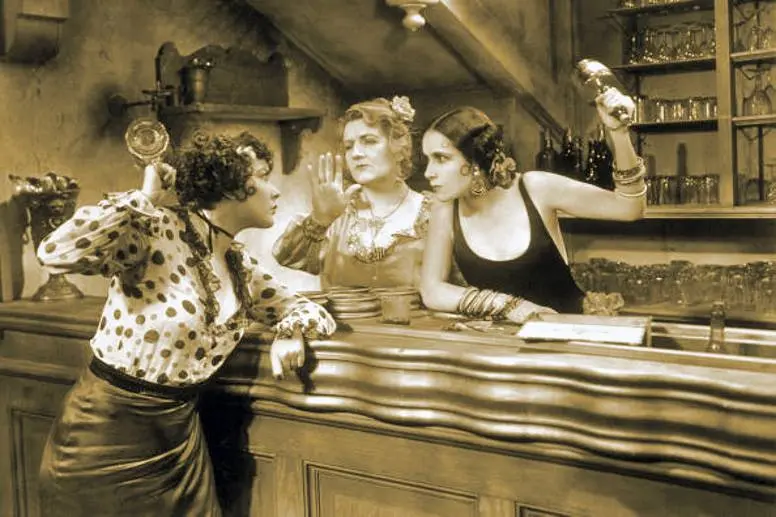
For those who approach it with the right context, 'The Loves of Carmen' offers a compelling glimpse into silent era filmmaking at its most ambitious. It works as a historical document, showcasing how filmmakers attempted to convey intense emotion and complex narratives without the benefit of sound. Dolores Del Río’s performance alone justifies a viewing, even if the film around her occasionally falters.
The heart of 'The Loves of Carmen' beats solely through Dolores Del Río. Her Carmen is not merely a femme fatale; she is a force of nature, primal and untamed, utterly uninterested in societal conventions. From her first appearance in the cigar factory, surrounded by the haze of tobacco and the watchful eyes of men, Del Río commands the screen. Her gaze is direct, challenging, and utterly magnetic.
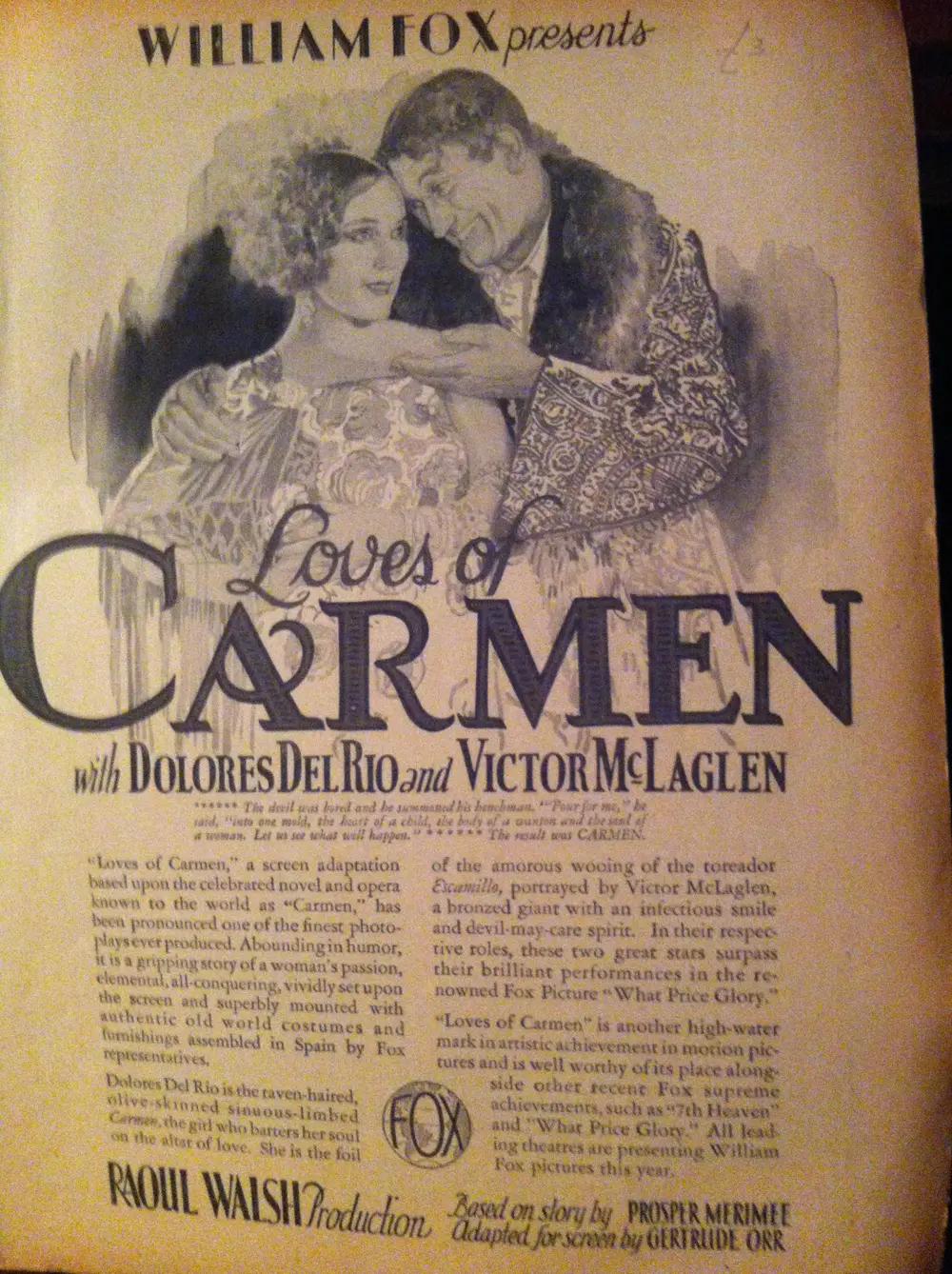
It’s a performance that doesn't just emote; it ignites. When she flirts, it’s with a dangerous playfulness. When she rages, it’s with an animalistic fury. Consider the scene where she first encounters Don José (Jerry Madden). Her initial disdain, quickly followed by a calculated seduction to secure her freedom, is masterfully conveyed through subtle shifts in her posture and the intensity of her eyes. She understands the power she wields and uses it without compunction.
Del Río’s Carmen is less a woman who sins and more a woman who simply is. She exists outside the moral framework of the men who pursue her, which is both her greatest strength and her ultimate undoing. This interpretation feels surprisingly modern in its refusal to fully condemn her, instead presenting her as an irresistible, albeit destructive, force.

Raoul Walsh’s direction attempts to match the operatic scale of Mérimée’s story, favoring grand gestures and dramatic compositions. The cinematography, while occasionally hampered by the technical limitations of 1927, often succeeds in creating atmospheric tension. The use of shadows and stark lighting, particularly in the more intimate and dangerous encounters, enhances the sense of foreboding that hangs over Carmen's relationships.
There are moments when the visual storytelling truly shines. The bullfight sequence, for instance, despite its obvious staged nature, conveys a sense of spectacle and danger, effectively mirroring the high stakes of Carmen’s personal dramas. The crowd scenes, while perhaps not as dynamic as later Hollywood epics, effectively establish the vibrant, often chaotic, Spanish setting. However, the film struggles with consistency; some scenes feel less inspired, relying too heavily on standard silent film blocking.
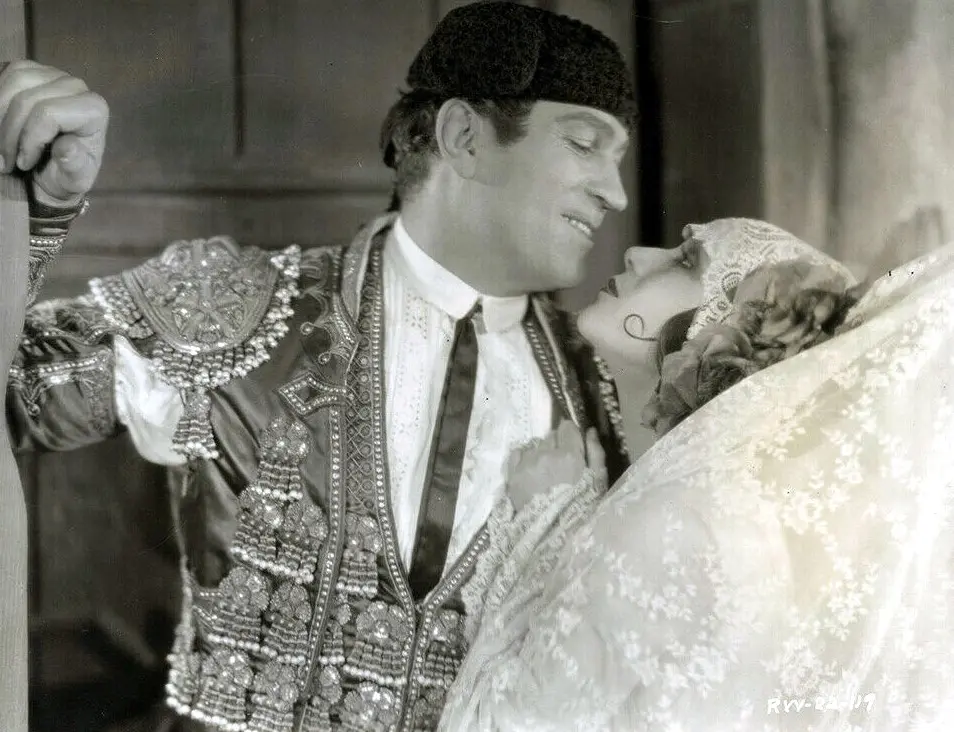
The pacing of 'The Loves of Carmen' is undeniably that of a silent film, meaning it's deliberate and, by contemporary standards, slow. This allows for prolonged emotional beats and a focus on visual storytelling, but it can test the patience of viewers accustomed to faster cuts and more compressed narratives. The tone is overtly melodramatic, befitting a story of such heightened passion and tragedy.
Every emotion is amplified, every betrayal profound. This isn't a film for subtle psychological exploration; it’s a canvas for grand, sweeping feelings. The tragic arc of Don José, from a disciplined soldier to a desperate outlaw, is painted in broad strokes, his descent into obsession palpable through Jerry Madden's increasingly frantic performance. It works. But it’s flawed. The reliance on intertitles to explain complex motivations sometimes disrupts the immersive quality.
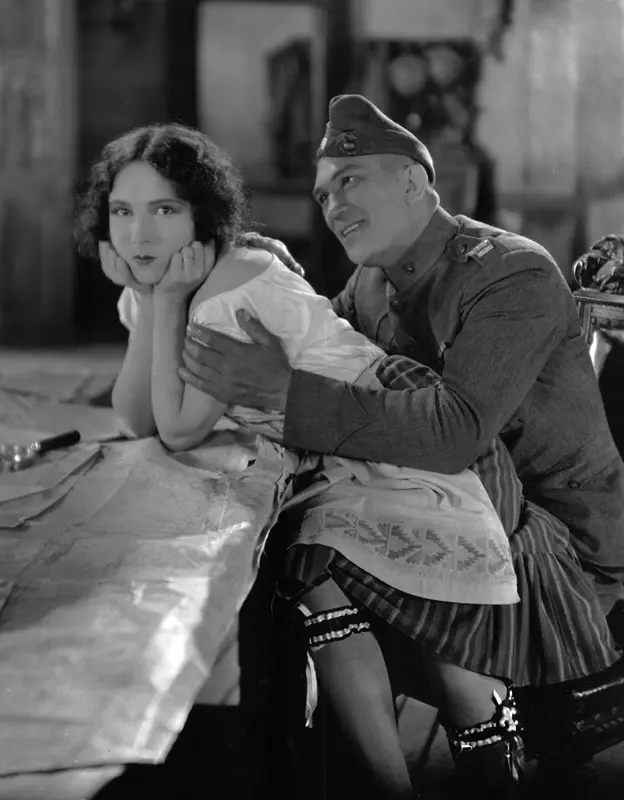
While Del Río undeniably dominates, the supporting cast plays crucial roles in building the world around Carmen. Jerry Madden as Don José delivers a performance that evolves from stoic rigidity to tormented madness, effectively conveying the destructive power of Carmen's influence. His transformation, though largely visual, is convincing.
Don Alvarado as the bullfighter Escamillo, while initially portrayed as somewhat obnoxious, grows into a formidable rival for Carmen's affections. His confidence and bravado provide a stark contrast to Don José's increasingly desperate demeanor. The rivalry between these two men, fueled by Carmen's capricious heart, forms the dramatic backbone of the film, leading to its inevitable, violent conclusion.
"The film’s greatest triumph lies in its unflinching portrayal of Carmen’s agency, even as it depicts the catastrophic consequences of her choices. She is neither villain nor victim, but a force of nature, indifferent to the destruction she leaves in her wake."
Released in 1927, 'The Loves of Carmen' arrived at a pivotal moment in film history, just on the cusp of the sound era. It represents a mature example of silent filmmaking, pushing the boundaries of visual expression before the industry completely shifted. The film's portrayal of a strong, independent, and sexually liberated woman, even if ultimately tragic, was progressive for its time, challenging conventional female archetypes. This makes it an interesting companion piece to other early dramas exploring female identity, such as The Heart of a Painted Woman, which similarly grappled with societal expectations.
It stands as one of numerous adaptations of Mérimée's work, each offering a distinct interpretation. While not as widely celebrated as some later versions, it holds its own as a powerful, if imperfect, testament to the enduring appeal of Carmen's story. It's a reminder of the raw power of silent cinema when a compelling performer and a passionate story collide.
'The Loves of Carmen' is a fascinating, if imperfect, cinematic artifact. It’s a testament to the power of silent film to convey grand narratives and intense emotions, primarily through the mesmerizing performance of Dolores Del Río. She is the reason to watch this film, transforming what could have been a dusty historical curiosity into a vibrant, albeit tragic, character study.
While its pacing and reliance on intertitles might prove challenging for some, the film offers a rich experience for those willing to engage with its historical context and appreciate the artistry of its lead. It's not an easy watch, nor is it a flawless one, but it is an important one, showcasing a pivotal moment in both film history and the career of a true star. For silent film aficionados, it's a definite recommendation. For others, it’s a journey worth taking, provided you adjust your expectations and prepare to be swept away by Carmen's indomitable spirit.
IMDb 5.9
1935
Community
Log in to comment.