DbcultAccessing Vault...
5/10
Senior Film Conservator

A definitive 5/10 rating for a film that redefined the boundaries of cult cinema. Hemsöborna remains a cornerstone of transgressive art.
August Strindberg’s literary legacy casts a long, fascinating shadow, particularly his incisive explorations of human nature and societal friction. Among his most cherished works, Hemsöborna (The People of Hemsö) stands as a quintessential depiction of rural Swedish life, imbued with a raw, often brutal, realism. The cinematic adaptation, directed by Rune Carlsten, endeavors to translate this intricate tapestry of ambition, tradition, and desire onto the silver screen, capturing the very essence of Strindberg’s vision with remarkable fidelity. This film is more than a mere narrative; it is a profound sociological study, a keen dissection of power dynamics, and a testament to the enduring human spirit amidst the unforgiving beauty of the archipelago. Its enduring relevance lies not just in its historical context but in its timeless portrayal of characters grappling with universal themes of survival, love, and the relentless march of change.
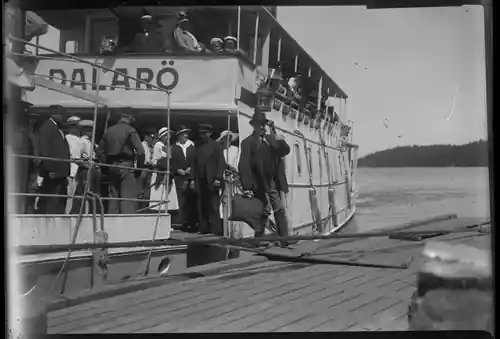
At the heart of Hemsö's rugged landscape stands Anna Eva Flod, portrayed with a compelling blend of resilience and vulnerability by Mathilda Caspér. She is not merely a character but the very embodiment of the island's spirit: weathered, robust, and deeply rooted in tradition. As a widow, Anna Eva carries the immense burden of maintaining her farm, a task made all the more arduous by the unforgiving nature of the land and the sea. Her strength is palpable, a quiet force born of necessity and years of toil. Yet, beneath this hardened exterior lies a woman susceptible to the universal human desires for companionship, security, and perhaps, a touch of passion. Her decision to hire Carlsson, ostensibly for practical help, inadvertently opens a Pandora's Box of emotional and social upheaval, challenging her established routines and her very perception of self. Caspér’s nuanced performance conveys the internal conflict of a woman torn between her duties and her burgeoning feelings, navigating a patriarchal society with a quiet defiance that is both admirable and, at times, heartbreaking. Her resilience in the face of both natural elements and human machinations forms the moral and emotional backbone of the narrative, making her a truly unforgettable figure in Swedish cinema.
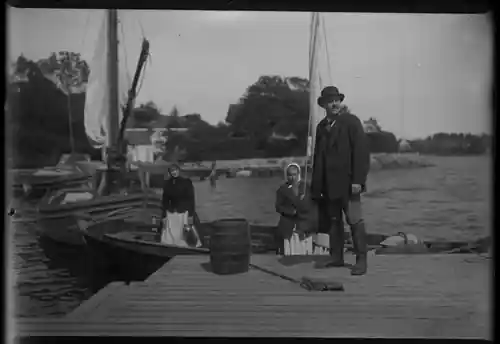
Into this established world strides Carlsson, played with magnetic charisma and a hint of shrewd calculation by Rune Carlsten himself. Carlsson is the quintessential outsider, a man from the mainland bringing with him a fresh, often unsettling, perspective. He is ambitious, pragmatic, and unburdened by Hemsö's entrenched customs. His arrival is not just the recruitment of a farmhand; it is the infiltration of modernity, a disruptive force that challenges the island's insular equilibrium. Carlsson sees opportunities where others see only hardship, and his innovative, often ruthless, approach to farming and fishing quickly yields results. This success, however, comes at a cost, stirring resentment among the islanders who view his methods as a betrayal of their time-honored ways. Carlsten’s portrayal of Carlsson is masterful, presenting a character who is both admirable in his industriousness and unsettling in his calculated pursuit of personal gain. He is a man driven by a desire to improve his station, to conquer, and his interactions with Anna Eva become a fascinating dance of wills, where affection and manipulation are inextricably intertwined. Carlsson represents the irresistible pull of progress, a force that, while promising prosperity, inevitably threatens to dismantle the very fabric of tradition.
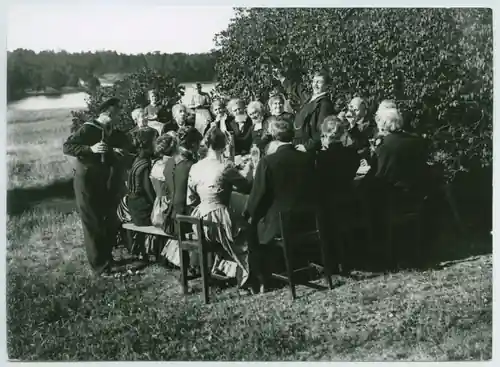
The setting of Hemsö is far more than a mere backdrop; it is an active, formidable character in its own right. The Swedish archipelago, with its windswept islands, rugged coastlines, and unforgiving seas, dictates the rhythms of life and shapes the very souls of its inhabitants. This isolation breeds a unique brand of self-reliance, a deep connection to the land and the sea, but also a certain insularity and suspicion of outsiders. The film masterfully captures this atmosphere, using the stark beauty and harsh realities of the environment to underscore the characters' struggles. The dramatic shifts in weather, the relentless toil required for survival, and the sheer physical distance from the mainland all contribute to a sense of heightened stakes. Life on Hemsö is a constant battle against the elements, a struggle that forges strong bonds within the community yet also exacerbates existing tensions. The cinematography often lingers on the vast, untamed landscapes, emphasizing both the grandeur and the desolation, making the audience feel the biting wind and the spray of the waves. This palpable sense of place is crucial to understanding the characters' motivations and the profound impact of Carlsson’s arrival on their tightly knit, often claustrophobic, world.
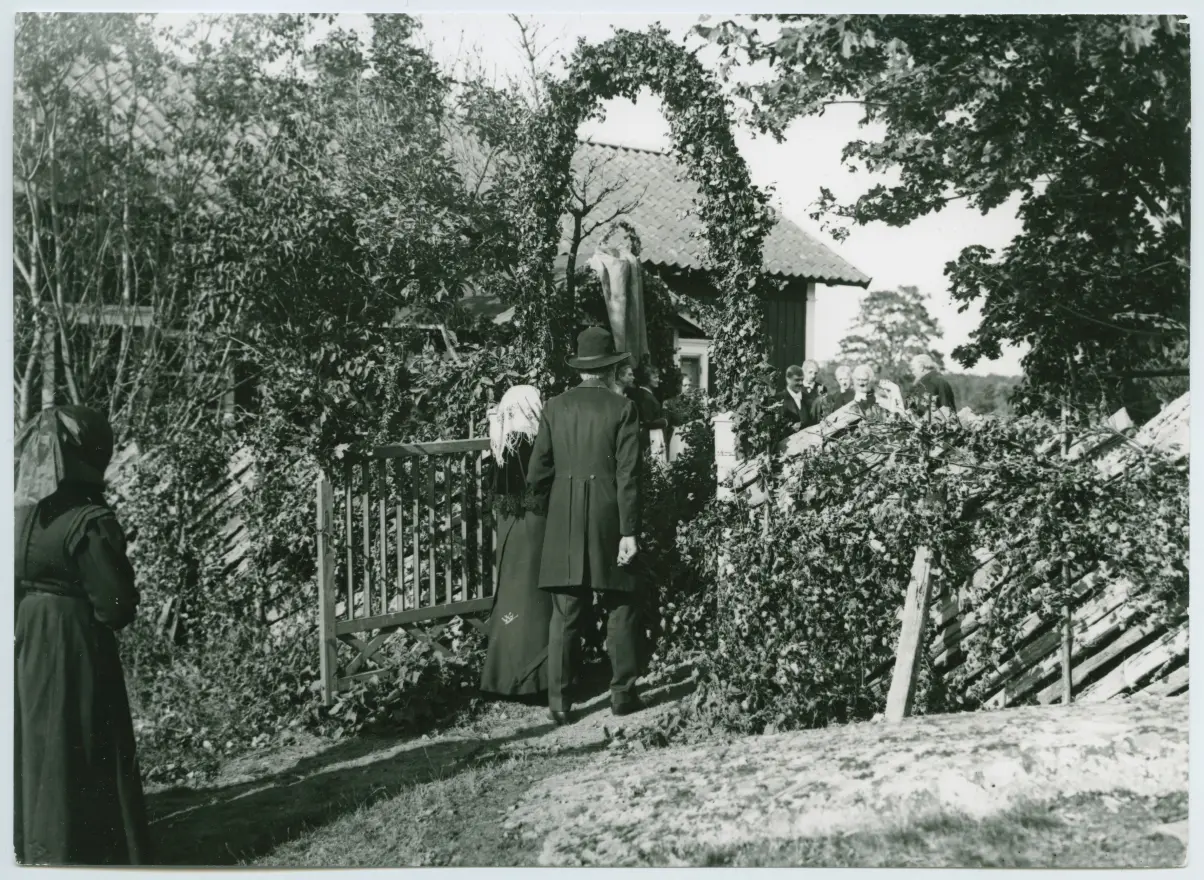
One of the most compelling thematic currents running through Hemsöborna is the poignant, often painful, clash between entrenched tradition and the relentless march of modernity. Carlsson, with his entrepreneurial spirit and innovative farming techniques, represents the encroaching new world, a world where efficiency and profit begin to supersede inherited customs and communal solidarity. His methods, though demonstrably more productive, are viewed with skepticism and even hostility by the established islanders, who cling to their ancestral ways with a fierce loyalty. This conflict is not merely about agricultural practices; it's a profound cultural struggle, a battle for the soul of Hemsö. The film brilliantly illustrates how economic progress can disrupt social harmony, exposing the fragile balance between community and individual ambition. This thematic thread resonates with universal experiences of societies grappling with change, where the allure of progress often comes hand-in-hand with the erosion of identity. The tension between the old and the new is a constant undercurrent, shaping character decisions and driving much of the narrative’s dramatic momentum. It's a reminder that progress, while often necessary, rarely arrives without its own set of challenges and sacrifices.
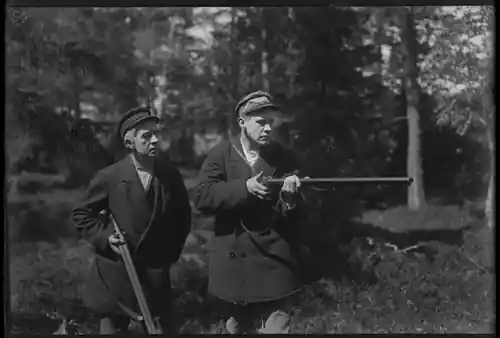
Strindberg, known for his complex and often controversial portrayals of gender relations, injects Hemsöborna with an intricate web of power dynamics, particularly between Anna Eva and Carlsson. Their relationship transcends a simple employer-employee dynamic, evolving into a multifaceted struggle for dominance, affection, and control. Anna Eva, as the landowner and matriarch, initially holds a position of authority, but Carlsson's shrewdness and masculine assertiveness gradually challenge her command. This shift in power is subtly depicted, often through glances, gestures, and unspoken desires. The film expertly navigates the societal expectations placed upon a widow in that era, contrasting them with Anna Eva’s inherent strength and her unexpected attraction to Carlsson’s virility and ambition. It's a dance of wills where both characters seek advantage, sometimes through genuine affection, other times through calculated manipulation. This nuanced exploration of gender roles and the psychological complexities of a relationship born out of necessity and evolving into something more profound is a hallmark of Strindberg's genius and is faithfully rendered in Carlsten's direction. The film avoids simplistic portrayals, instead delving into the messy, often contradictory, nature of human connection when power is constantly in flux.
Rune Carlsten's direction of Hemsöborna is a masterclass in adapting a literary classic for the screen, capturing the essence of Strindberg's prose without succumbing to theatricality. The pacing is deliberate, allowing the narrative to unfold organically, mirroring the slow, unyielding rhythms of island life. Carlsten eschews overt melodrama, opting instead for a grounded realism that emphasizes the internal struggles of his characters. His visual storytelling is particularly effective, using the stark, natural light of the archipelago to create an authentic sense of place and mood. The camera often adopts a observational stance, allowing the audience to witness the unfolding drama as if they were silent inhabitants of Hemsö. This approach ensures that the emotional impact stems from the genuine interactions and believable reactions of the characters, rather than forced dramatic contrivances. The film's aesthetic is unpretentious yet deeply evocative, reflecting the raw, unvarnished beauty of its source material. It is a testament to Carlsten's understanding of Strindberg's world that he manages to translate its psychological depth and societal critique into a visually compelling and emotionally resonant cinematic experience, allowing the story to breathe and its profound truths to emerge naturally.
The success of any character-driven drama hinges significantly on the strength of its cast, and Hemsöborna excels in this regard. Mathilda Caspér delivers a truly memorable performance as Anna Eva Flod, imbuing the widow with a formidable presence that commands respect while subtly revealing her underlying humanity and desires. Her expressions, often subtle, speak volumes about her inner turmoil and her unwavering connection to her land. Rune Carlsten, pulling double duty as director and lead actor, brings a captivating intensity to Carlsson. His portrayal captures the character's duality – his ambition and charm, juxtaposed with a calculating nature. The chemistry between Caspér and Carlsten is palpable, driving the central conflict with an electric tension that makes their complex relationship utterly believable. Beyond the leads, the supporting cast, including Oscar Johansson, Nils Aréhn, and Vilhelm Berndtson, contribute significantly to the film's rich tapestry. Their performances as the islanders are authentic and nuanced, collectively painting a vivid picture of a close-knit community grappling with an interloper. Maja Aréhn and Hilma Barcklind, in particular, provide compelling portrayals that add depth to the social fabric of Hemsö, their reactions to Carlsson’s influence serving as a barometer for the island’s collective sentiment. The ensemble’s commitment to realism ensures that every character, no matter how minor, feels integral to the unfolding drama, enhancing the film’s immersive quality.
The visual narrative of Hemsöborna is deeply intertwined with its geographical setting. The cinematography is not merely functional; it is an active participant in conveying the story's emotional and thematic weight. The camera frequently captures the expansive, often bleak, beauty of the Swedish archipelago, using wide shots to emphasize the isolation and the sheer scale of the natural world against which human endeavors play out. The interplay of light and shadow, particularly in the interior scenes, creates a sense of intimacy and often claustrophobia, reflecting the characters' confined lives. The film's visual style is unvarnished, prioritizing realism over romanticism, which perfectly aligns with Strindberg’s own literary approach. Every frame feels authentic, from the rough textures of the fishing nets to the worn wood of the farmhouses. This commitment to visual veracity immerses the viewer in the harsh realities of life on Hemsö, making the struggles of Anna Eva and Carlsson all the more tangible. The careful composition of shots, whether depicting a stormy sea or a quiet domestic moment, consistently reinforces the film's central themes of survival, tradition, and the enduring power of nature.
When considering Hemsöborna within the broader context of cinema, its unique blend of rural drama, character study, and social commentary positions it as a significant work. It shares a thematic kinship with films that explore the friction between tradition and external influence, or the sheer grit required for survival in challenging environments. For instance, while tonally different, films like Germinal; or, The Toll of Labor, though set in an industrial mining community, resonate with the themes of arduous labor and societal struggle against overwhelming odds. Both portray a raw, unflinching look at human perseverance. The dynamic of an outsider disrupting an established community can also be seen, albeit in reverse, in films like The Hayseeds Come to Sydney, where rural characters navigate the complexities of urban life, highlighting the cultural clashes inherent in such transitions. In Hemsöborna, it is Carlsson’s urban pragmatism that challenges the island's insular customs. Even a film as seemingly disparate as The Merry Widow, despite its opulent setting and lighthearted tone, touches upon the societal pressures and economic considerations faced by widows, albeit through a highly romanticized lens, offering a stark contrast to Anna Eva Flod’s grounded reality. Hemsöborna distinguishes itself through its unflinching realism and profound psychological depth, cementing its place as a seminal work that transcends its period and geographical confines, offering universal insights into human nature.
Decades after its initial release, Hemsöborna continues to captivate audiences with its potent blend of dramatic realism and psychological insight. It stands as a powerful testament to Strindberg's enduring genius and Carlsten's skillful adaptation, showcasing how timeless narratives can transcend their original medium. The film is more than a historical artifact; it is a vibrant, living piece of cinema that speaks to contemporary concerns about progress, tradition, and the intricate dance of human relationships. Its portrayal of strong, flawed characters grappling with their environment and with each other remains deeply resonant, offering a window into the unvarnished realities of life. For anyone seeking a profound, emotionally charged cinematic experience that delves deep into the human condition, Hemsöborna is an essential viewing, a classic that continues to provoke thought and stir the soul.
IMDb 5.8
1915
Community
Log in to comment.