DbcultAccessing Vault...
5.7/10
Senior Film Conservator
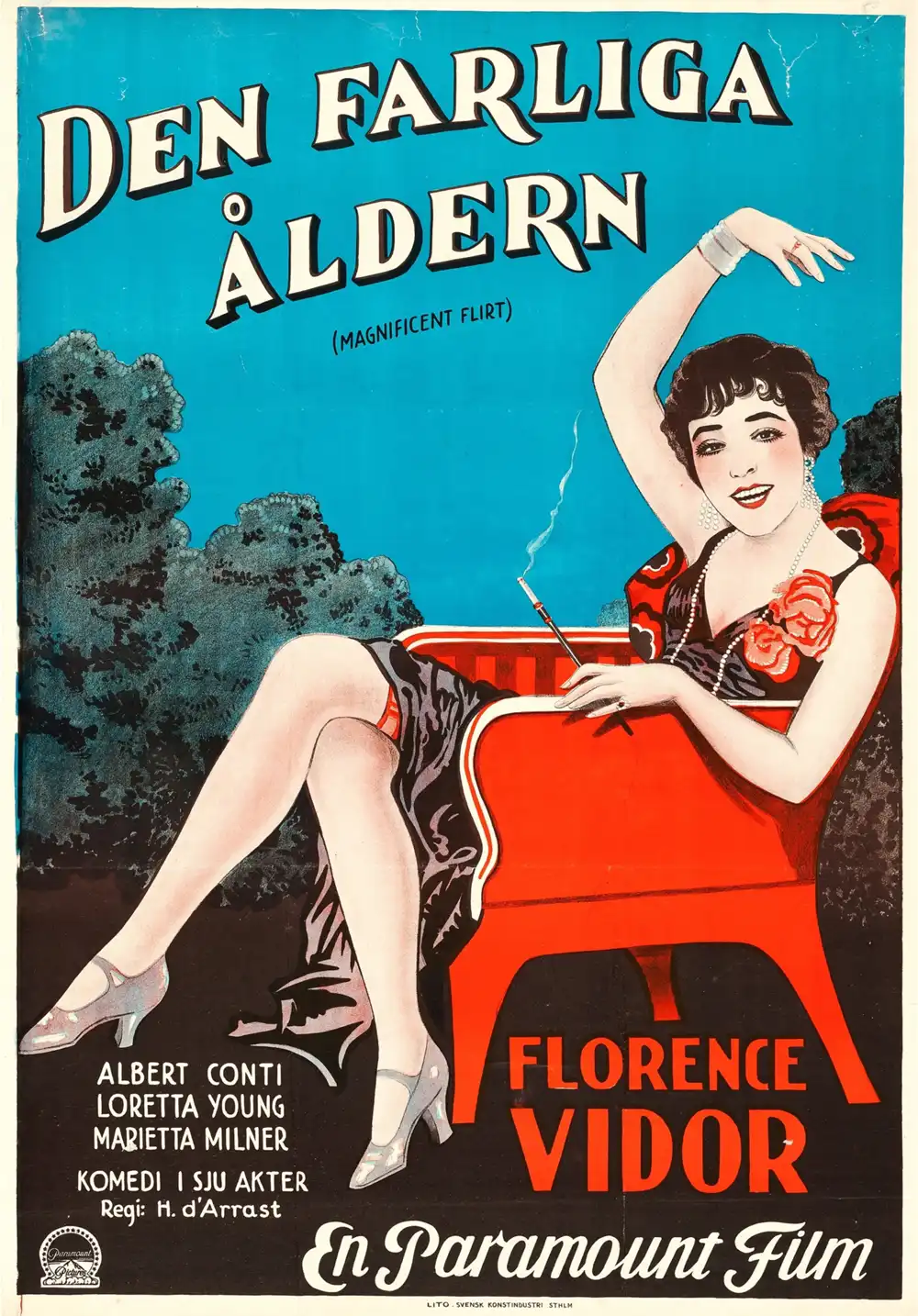
A definitive 5.7/10 rating for a film that redefined the boundaries of cult cinema. The Magnificent Flirt remains a cornerstone of transgressive art.
The Magnificent Flirt is definitely not for everyone, not by a long shot. If you’re here looking for something to just throw on tonight, you’ll probably bounce off it pretty hard. This is strictly for the pre-Code curious, the folks who genuinely enjoy wrestling with the stilted dialogue and often bizarre pacing of early talkies. You need a certain patience, a willingness to meet the film on its own strange terms. Otherwise, you’ll just find it slow, maybe even a bit silly.

The central premise, this whole “heartless flirt” thing, it’s a bit thin, really. Denise (Loretta Young, looking impossibly young) is supposed to be this dangerous siren, but she mostly just seems... spirited. The movie tries to sell her as this manipulative force, but the performance often feels more like a girl who just likes attention, which, fine, but it’s not exactly the grand threat Count D'Estrange (Albert Conti) builds her up to be. His initial outrage feels disproportionate, almost cartoonish.
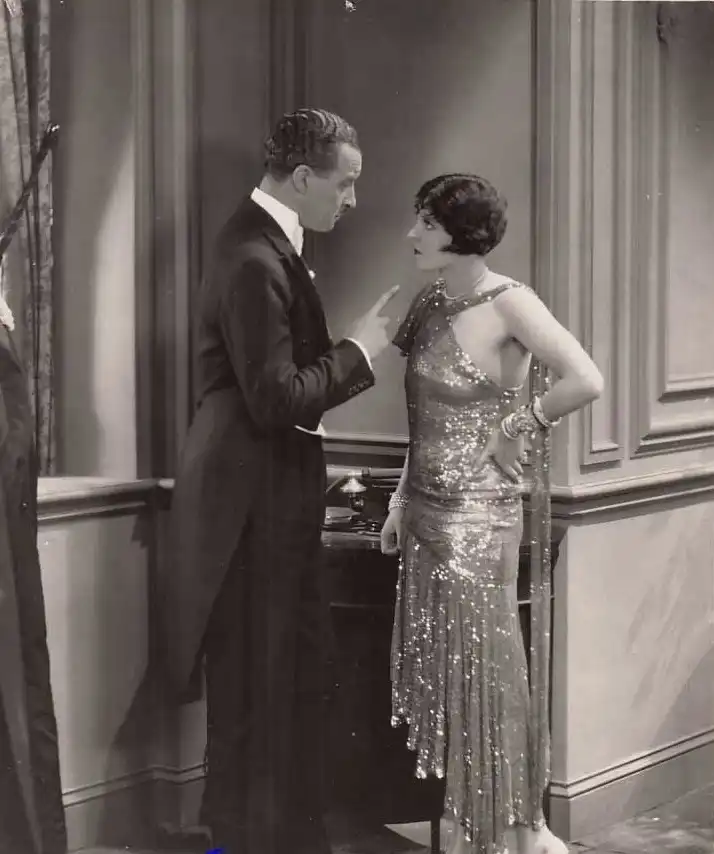
There’s a scene early on where D'Estrange is lecturing Hubert (Matty Kemp) about Denise, and Conti just sort of paces back and forth. His delivery is so formal, so theatrical, you can almost see the stage directions in his head. And Kemp, bless him, just stands there, looking vaguely annoyed, like a teenager being told off for leaving his socks on the floor, not a man whose heart is supposedly being played with. The whole thing feels less like a tense family intervention and more like a polite, slightly dull debate club meeting.
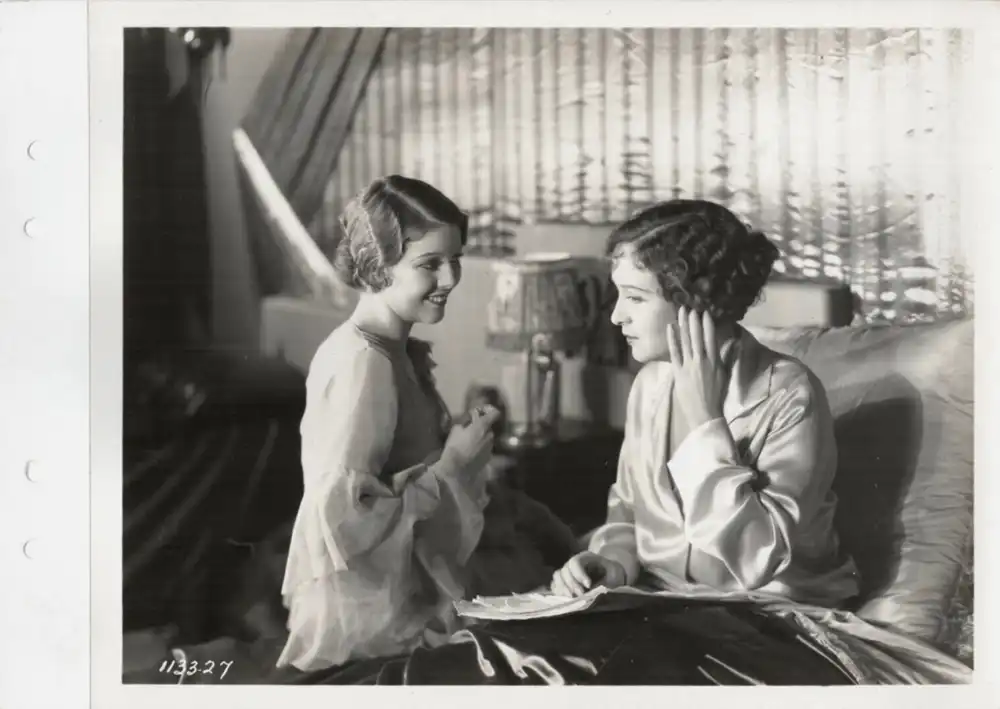
Florence Vidor as Mme. Florence Laverne, though, she’s got a presence. When she finally enters the picture, there's a noticeable shift, a slight loosening of the collar. Her character is supposed to be the one with “all her charms,” and Vidor actually delivers on that. She doesn’t chew the scenery, but she has this way of holding herself, a quiet confidence that makes you believe she could actually smooth things over. It’s subtle, especially compared to some of the more broad performances around her.

The dialogue, a lot of it feels very much of its time. You get these long, unbroken sentences, almost like stage monologues, where people just explain their feelings or intentions rather than letting them unfold naturally. It’s not terrible, just... a different cadence. There’s a moment where Ned Sparks, who plays some sort of valet or confidante, delivers a line with his usual deadpan cynicism. It’s a brief flash of something more modern, a dry wit that stands out against the more earnest exchanges. You find yourself clinging to those small moments.
Pacing is a real mixed bag. Some scenes, like the initial setup of the problem, really drag. You feel every second. Then, suddenly, the film will cut abruptly to a new location or a new conversation, almost jarringly. It’s not smooth. There’s no real sense of flow sometimes, just a series of events strung together. It’s like the editor was working with a stopwatch and a checklist, rather than a sense of rhythm.
The costumes are fun, though. Vidor's outfits, in particular, are quite elegant for the era. And the sets, while not extravagant, have that slightly artificial, studio-bound charm. You notice the same vase or painting pop up in different rooms, if you're really looking. It’s not a criticism, just an observation about how things were.
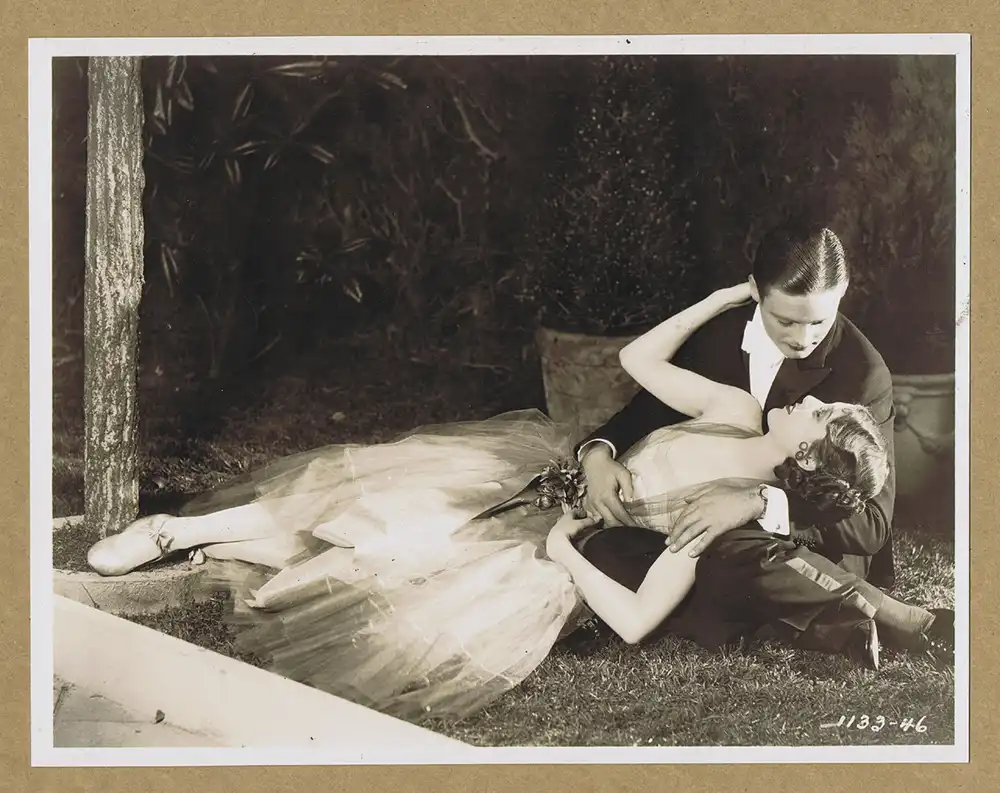
The whole romance between Count D'Estrange and Mme. Florence Laverne is actually the more compelling one. It starts off as this adversarial dance, him suspicious, her trying to fix things, and it slowly, almost imperceptibly, shifts. There’s a scene where they’re talking, and the camera just holds on them, and you can see the initial frost melting. It’s not a grand, passionate affair, but a quieter, more mature connection. This is where the film finds its unexpected footing. The younger couple, Hubert and Denise, they’re fine, but their romance feels almost secondary, a plot device to get the older folks together.
And then Venice. The ending, with both couples heading off, is exactly what you’d expect from a film like this. It’s a nice, neat bow. The shot of Venice is clearly a stock shot, probably with some actors superimposed in a studio. It’s charming in its obviousness, a simple, happy fade-out. You don’t ask too many questions.
What Guns of Loos gives you in gritty realism, The Magnificent Flirt gives you in lighthearted, if sometimes clunky, romantic escapism. It’s not trying to be anything more than it is, and for that, it earns a little respect. It’s a small film, a forgotten one mostly, but it has its moments. If you can get past the rough edges, there’s a certain warmth to it.
IMDb —
1918
Community
Log in to comment.