DbcultAccessing Vault...
Cult Review
Senior Film Conservator
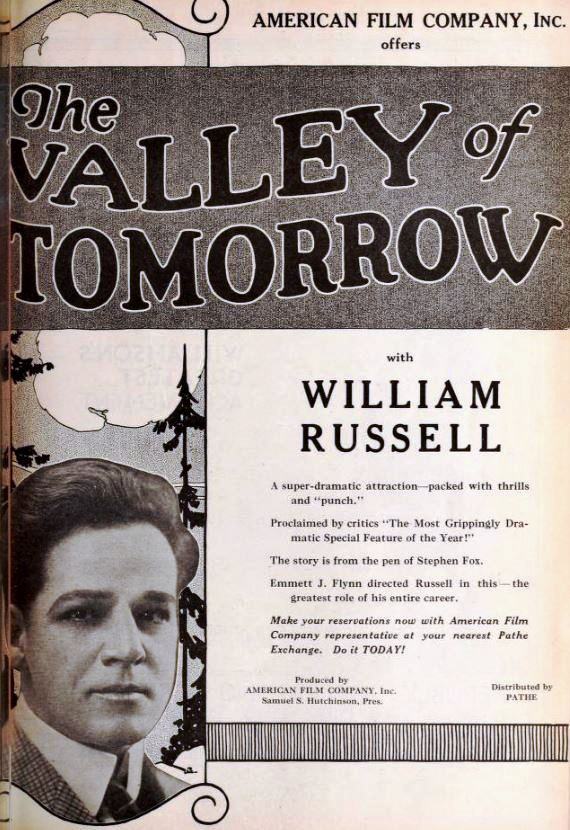
The Valley of Tomorrow, a cinematic masterpiece from the silent era, presents a nuanced and multifaceted exploration of the human experience, delving into the intricate recesses of the human heart with unflinching candor. As we delve into the narrative, we find ourselves immersed in a world of stark contrasts, where the majesty of the natural landscape serves as a poignant backdrop for the tumultuous emotions of the protagonists. The film's directorial vision, coupled with the masterful cinematography, imbues the visual landscape with a sense of depth and texture, drawing the viewer into the world of the story with an almost palpable sense of immediacy.
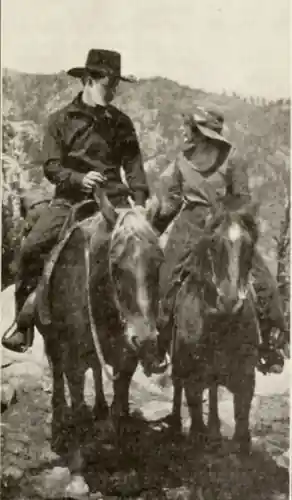
One of the most striking aspects of The Valley of Tomorrow is its thought-provoking examination of the complexities of human relationships, particularly in the context of love, loyalty, and betrayal. The character of Dabney Morgan, played by Louis King, serves as a powerful exemplar of this dynamic, as he grapples with the conflicting demands of his emotions, torn between his duty to avenge his sister's death and his burgeoning affection for Elenore, the sister of his adversary. This internal conflict, expertly nuanced by King's performance, lends a sense of authenticity to the narrative, inviting the viewer to reflect on the intricacies of their own emotional experiences.
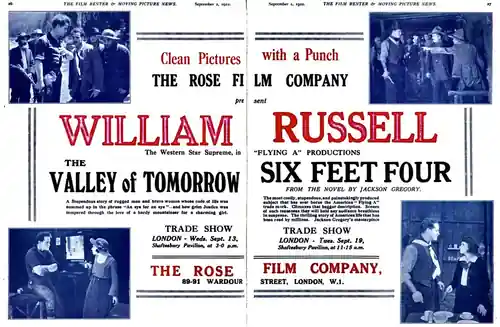
The cinematography in The Valley of Tomorrow is truly breathtaking, with the film's use of location shooting and clever camera angles serving to create a sense of visual grandeur that is nothing short of awe-inspiring. The golden hues of the sunset, the majestic blues of the mountain landscape, and the deep oranges of the rocky terrain all serve to create a visual palette that is at once stunning and evocative. The film's cinematographer has done a masterful job of capturing the beauty of the natural world, using the camera to convey the sense of wonder and awe that is at the heart of the human experience.
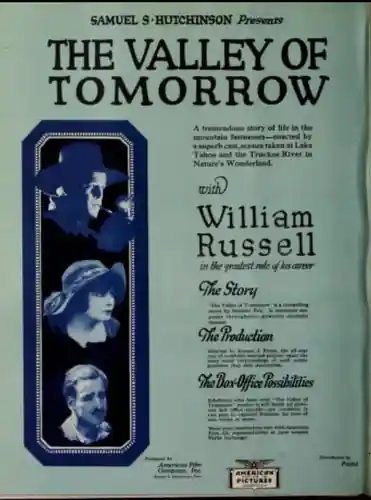
In comparison to other films of the silent era, The Valley of Tomorrow stands out for its thoughtful and contemplative approach to storytelling. While films like The Walk-Offs and The Crab rely on more straightforward narratives, The Valley of Tomorrow presents a complex and nuanced exploration of the human condition, one that invites the viewer to reflect on the intricacies of their own emotional experiences. Similarly, films like Stella Maris and The Wooing of Princess Pat may boast more elaborate sets and costumes, but they lack the sense of emotional depth and resonance that makes The Valley of Tomorrow such a compelling and unforgettable cinematic experience.

As we reflect on the themes and motifs that underpin The Valley of Tomorrow, it becomes clear that the film is, at its core, a powerful exploration of the human condition. The narrative, with its complex web of emotions and relationships, serves as a poignant reminder of the enduring power of love and redemption, even in the face of adversity and tragedy. The film's use of the natural landscape, with its majestic mountains and serene valleys, serves as a potent symbol of the beauty and wonder that can be found in the world, even in the darkest of times. Ultimately, The Valley of Tomorrow is a film that will leave viewers moved, inspired, and perhaps even transformed, inviting them to reflect on the intricacies of their own emotional experiences and the enduring power of the human spirit.
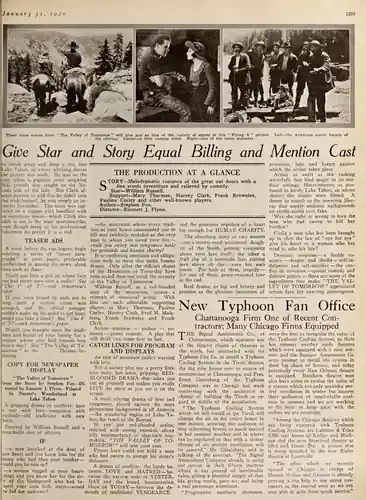
The Valley of Tomorrow is a must-see for anyone who loves classic cinema, and its influence can still be seen in many modern films. For example, the The Daredevil and Jack Straw have similar themes and motifs, and the film's use of location shooting and clever camera angles has been widely imitated. The Valley of Tomorrow is a true masterpiece of the silent era, and its beauty, wonder, and emotional resonance continue to captivate audiences to this day.

IMDb —
1932
Community
Log in to comment.