DbcultAccessing Vault...
Cult Review
Senior Film Conservator
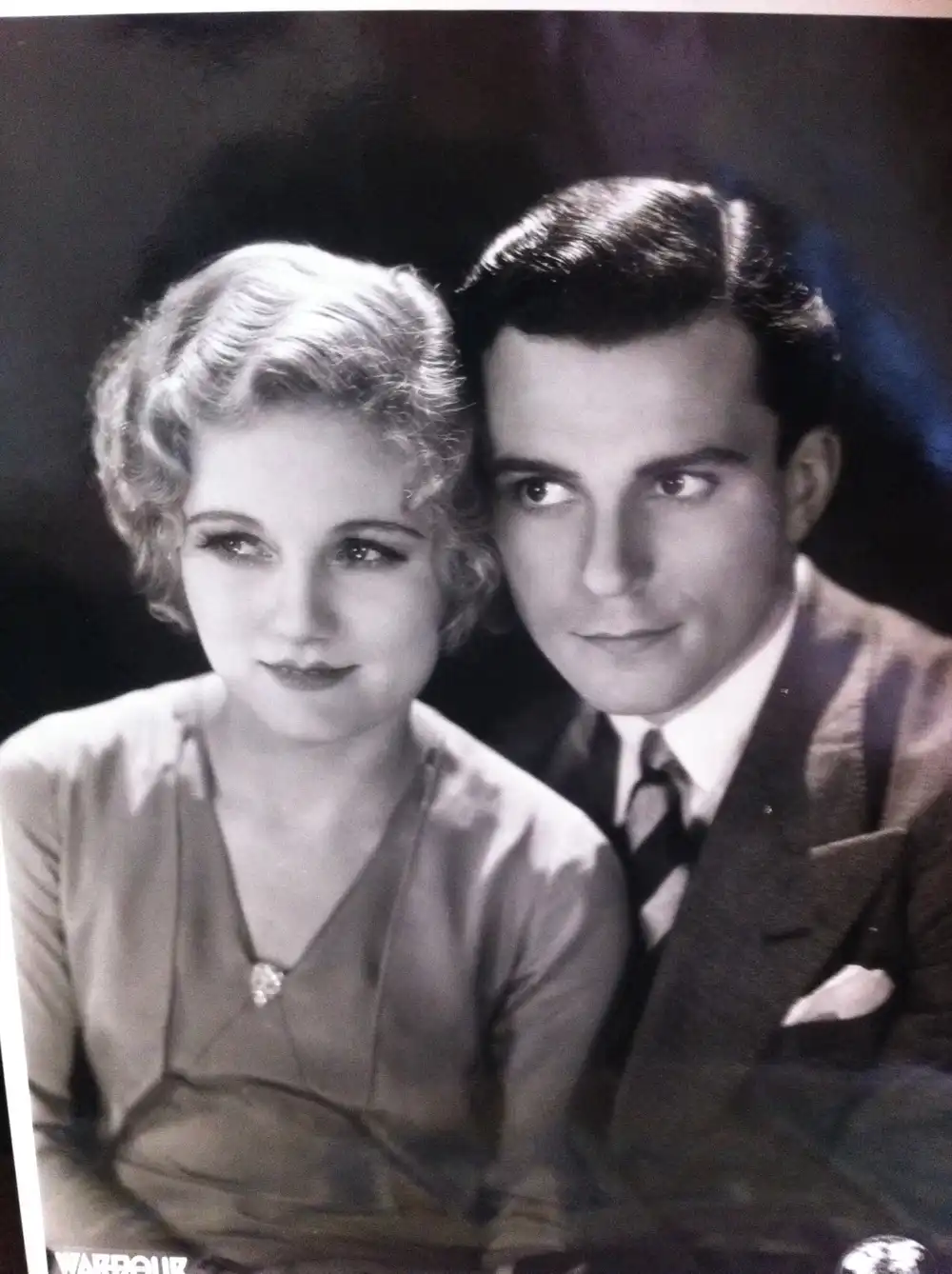
Alright, so The Man from Chicago. Is it worth tracking down today? Well, if you’re someone who loves digging into those old black-and-white thrillers, the kind that might have played as the second feature in a double bill, then yeah, probably. It’s got a certain charm, even if it feels a little rough around the edges.
Anyone expecting high-octane action or super polished dialogue might find it a bit slow. But for those who appreciate the *mood* of early British crime cinema, and maybe a few good character actors, this one could really hit. 🕵️♂️
Dodo Watts plays the titular 'Man from Chicago,' and he’s just… something else. He doesn’t really need to say much to make you believe he’s trouble. The way he just *looks* at people, a sort of quiet intensity, it’s actually pretty chilling in a low-key way. You don’t get a big backstory for him, which is kinda refreshing. He just *is*.
There’s this scene early on where Watts’ character steps off a train, and the camera just holds on him for a beat too long. He glances around, almost like he’s smelling the air, sizing up the whole city. It’s a tiny thing, but it really sets the stage. You know immediately this guy isn’t here for tea and crumpets.
Joyce Kennedy plays a character caught in his orbit, and she’s quite good, though her part feels a bit underwritten. You can almost feel the movie trying to make her more central, but then it just… doesn’t quite get there. Still, her reactions to Watts’ calm menace are always spot-on. Her eyes tell a story the script sometimes forgets to.
The plot itself is a pretty standard setup: an American gangster shows up, shakes things up, local crooks get nervous. But it’s the little moments that stick with you. Like the way O.B. Clarence, as a local police inspector, keeps tugging at his tie whenever he’s frustrated. It’s a small nervous tic, but it feels so human, you know? Makes you think he’s really trying to piece things together against a formidable opponent.
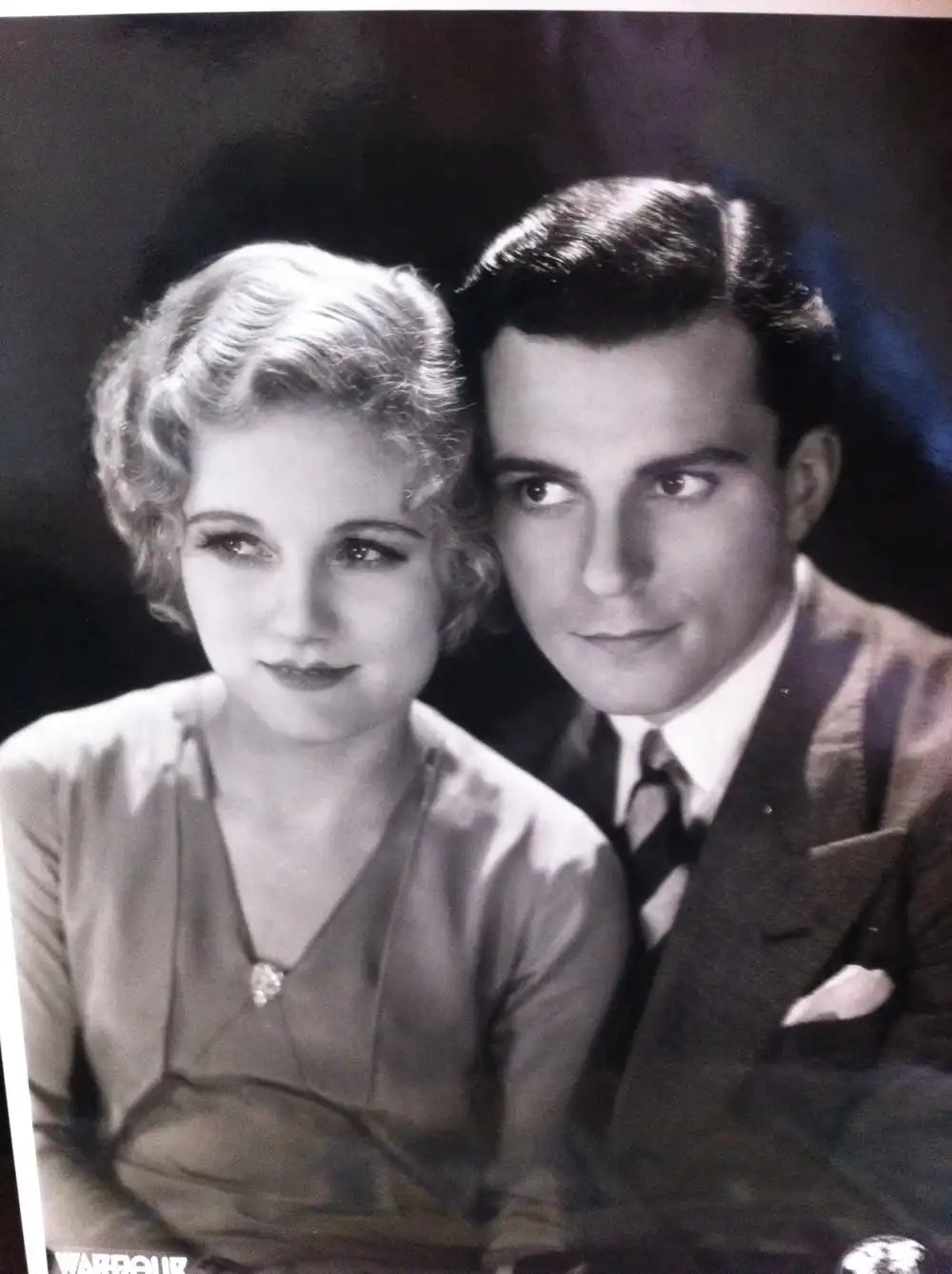
The pacing, honestly, it’s a bit uneven. Sometimes it builds this great, suffocating tension, especially when Watts is on screen. Other times, you get long stretches of people just talking in rooms, and it kinda drags. I mean, they're talking about important stuff, sure, but it feels like the director didn't quite know when to cut away. 🎬
There’s a moment where a minor character, a sniveling informant played by Ben Welden, tries to double-cross Watts. The camera focuses on Watts’ hand, slowly clenching into a fist, but he never actually hits him. The *threat* is enough. That silent power is what makes the film work when it does. It’s not about the punches, it’s about the *fear* of them.
Frederick Lloyd, as the detective trying to catch Watts, has this weary, almost defeated air about him from the start. He’s not a hero, more like a guy just trying to do his job in a world that’s constantly surprising him. His exchanges with Austin Trevor’s character, his slightly more cynical colleague, provide some nice, understated comic relief. They just bounce off each other with these tired, knowing looks.
The film uses shadows really well. Like, *really* well. There are a few shots in dimly lit alleys, or inside a smoky club, where the shadows are practically another character. It’s not groundbreaking for the era, but it’s done with a care that makes you pause. It just *feels* right for a crime story. You expect someone to step out of those shadows, or disappear into them.
One thing that bothered me a little, the crowd scenes felt a touch sparse. Like, half the extras must've gone on break. It pulls you out of the illusion of a bustling London street for a second. But then Dodo Watts shows up again, and you forget all about it.
All in all, The Man from Chicago isn't a masterpiece, not by a long shot. But it’s got a compelling lead, some genuinely tense moments, and a really strong sense of atmosphere. If you’re looking for a quiet, moody thriller from the past, one that relies more on suggestion than spectacle, give it a shot. It's a solid, if flawed, piece of history.
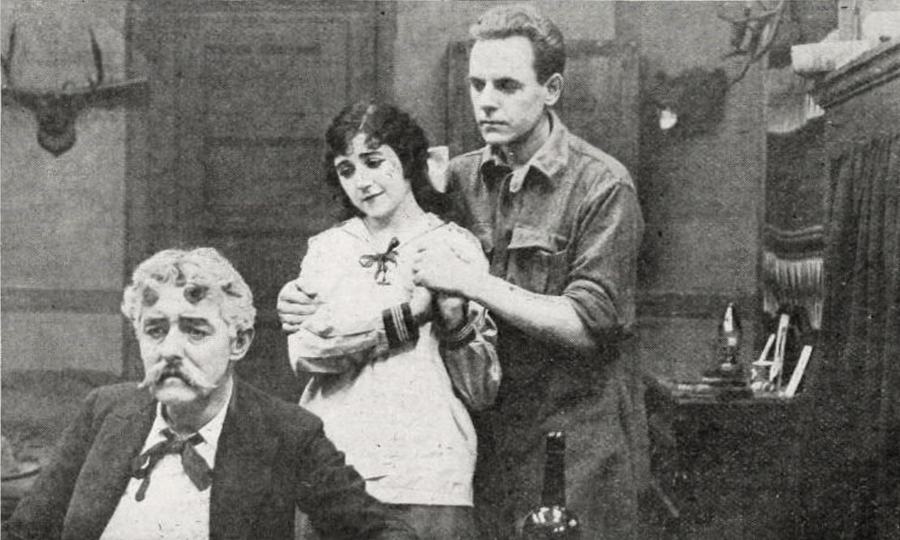
IMDb —
1915
Community
Log in to comment.