DbcultAccessing Vault...
6.5/10
Senior Film Conservator
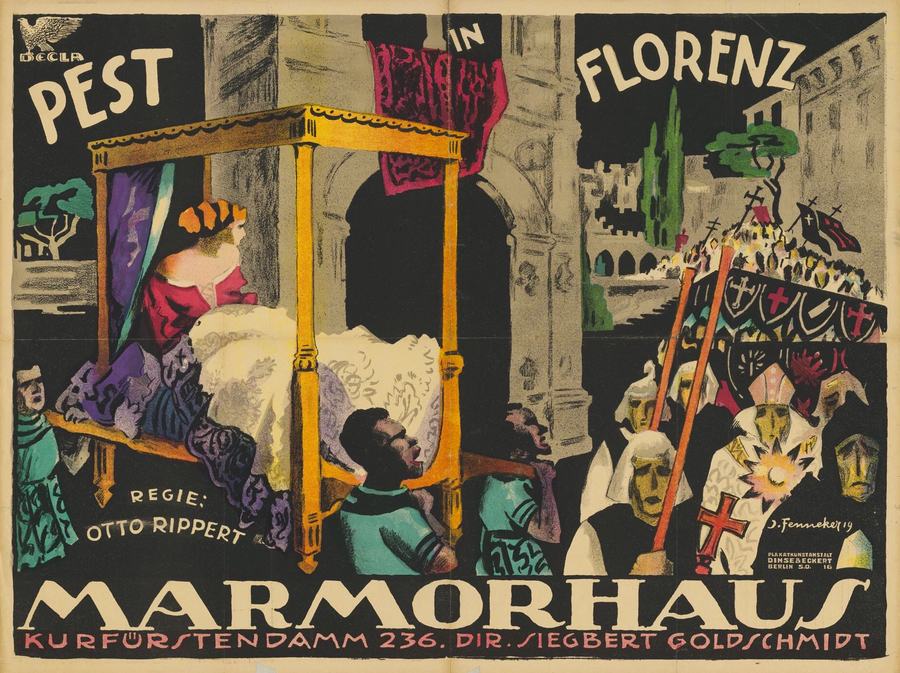
A definitive 6.5/10 rating for a film that redefined the boundaries of cult cinema. Pest in Florenz remains a cornerstone of transgressive art.
From the opening tableau, the camera glides over the terracotta rooftops of Florence, lingering on the gilded domes that once echoed the prayers of saints. The mise‑en‑scene is a love letter to the city’s architectural grandeur, yet a foreboding hush pervades, as if the stone itself anticipates an intrusion. When the enigmatic seductress steps onto the cobblestones, her presence is rendered with a chiaroscuro that mirrors the moral chiaroscuro about to engulf the narrative.
Augustus Prasch‑Grevenberg, embodying Cesare, delivers a performance that oscillates between regal composure and visceral terror. His eyes, often glazed with a distant melancholy, betray a ruler whose power is eroding under the weight of an impossible longing. Theodor Becker, as the son, is a study in restless ambition; his gestures are sharp, his speech punctuated by a brittle cadence that hints at a mind already fractured.
Julietta Brandt, cast as the nameless temptress, wields her allure like a blade. Her movements are languid yet predatory, each glance a promise of ruin. In moments of silence, she becomes the embodiment of Poe’s raven—an omen that hovers over the city, whispering inevitability.
The film’s central thesis is a meditation on the fragility of authority when confronted with primal desire. Cesare’s downfall is not merely personal; it is emblematic of a broader societal collapse where institutions—represented by the churches—are subverted into arenas of debauchery. This inversion recalls the subversive undercurrents of Different from the Others, where moral codes are dismantled by forbidden passions.
Moreover, the narrative’s progression from seductive manipulation to outright violence mirrors the arc of classic tragedies, yet it is suffused with a modern horror sensibility. The son’s patricide, executed with a cold efficiency, is a tableau of filial rebellion that feels both inevitable and shocking. The subsequent desecration of sacred spaces is filmed with a lurid palette—blood‑red candles flicker against the cold marble, and the once‑holy hymns are replaced by guttural moans, a soundscape that reverberates with the film’s overarching dread.
Director Fritz Lang’s hand is evident in the film’s meticulous composition. Long, tracking shots linger on the opulent interiors, allowing the audience to absorb the decadence before it is corrupted. The use of deep focus, a hallmark of Lang’s oeuvre, invites viewers to observe the subtle power shifts occurring in the background—servants whispering, shadows lengthening, the city itself seeming to breathe in anticipation.
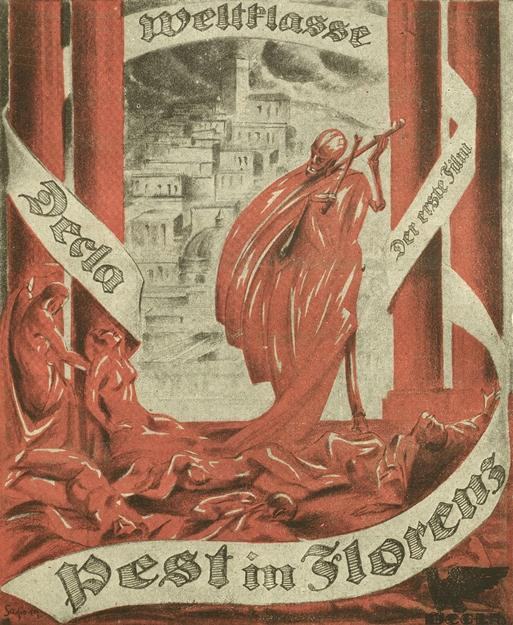
The sound design is equally masterful. A low, resonant drone underpins scenes of intimacy, gradually rising to a crescendo as the plague’s specter looms. When Death finally arrives, the score collapses into a cacophony of rattling bones and distant church bells, a sonic metaphor for the collapse of order.
Structurally, the film adheres to a three‑act framework but subverts expectations within each segment. Act one establishes the seductive incursion; act two spirals into fratricidal chaos; act three introduces the inexorable plague, a literal embodiment of the moral rot that has seeped into every stone.
While the screenplay credits Edgar Allan Poe, the film’s tone feels less like a direct adaptation and more like an homage to his fascination with the macabre. The seductress, reminiscent of Poe’s femme fatale archetype, is both alluring and lethal, a duality that permeates the narrative. The sense of impending doom, a hallmark of Poe’s stories, is amplified through Lang’s visual language.
In comparison to The Outsider, which also grapples with alienation and the breakdown of societal norms, Pest in Florenz pushes the envelope further by intertwining eroticism with visceral horror. The film’s willingness to portray churches as sites of unbridled sexuality challenges conventional depictions of sanctity, a bold move that aligns it with the transgressive spirit of Occultism.
The recurring motif of water—whether the Arno’s sluggish flow or the crimson rivers spilling from the altars—serves as a visual metaphor for contamination. The city, once a bastion of artistic purity, becomes a vessel for disease, both literal and metaphorical. The plague, personified by Death, is not merely a plot device but an allegory for the consequences of unchecked hedonism.
Furthermore, the color palette employed throughout the film is deliberately stark. The dark orange of decay (#C2410C) saturates the interiors of the debauched churches, while the yellow accents (#EAB308) highlight moments of false hope—fleeting glimmers of redemption that are swiftly extinguished. The sea blue (#0E7490) appears sparingly, most notably in the final tableau where Death’s cloak mirrors the cold tide of oblivion, underscoring the inexorable pull of mortality.
The pacing is deliberate, allowing the audience to savor each descent into depravity. Early scenes linger on the seductress’s first encounter with Cesare, granting viewers time to absorb the tension. As the son’s rebellion erupts, the tempo quickens, mirroring the chaotic unraveling of order. The final act, dominated by the plague, slows again, inviting contemplation of the inevitable collapse.
Such rhythmical variance ensures that the viewer remains engaged without feeling overwhelmed. The film never rushes its horror; instead, it cultivates an atmosphere of dread that grows like a slow‑burning ember, finally igniting in a conflagration of blood and ash.
Set against the backdrop of a city renowned for its artistic renaissance, the film juxtaposes the heights of human creativity with the depths of human depravity. This contrast is reminiscent of the thematic tensions explored in Sealed Valley, where civilization’s achievements are undermined by primal instincts.
Moreover, the narrative can be read as a commentary on contemporary issues—political corruption, the erosion of moral frameworks, and the spread of misinformation, all cloaked in the allegory of a literal plague. By anchoring these concerns in a historical setting, the film achieves a timeless relevance.
In its unflinching portrayal of a city besieged by lust, murder, and disease, Pest in Florenz stands as a tour de force that fuses gothic horror with period drama. Its performances are layered, its visual language is rich, and its thematic ambition is audacious. For aficionados of atmospheric cinema, the film offers a haunting meditation on the fragility of power and the inexorable march of decay.
"The city’s beauty became its curse; the very stones that once sang with reverence now whispered of ruin." – Film Critic
Whether one approaches the film as a historical tragedy, a horror epic, or a philosophical treatise, it rewards repeated viewings. Each frame is a canvas, each line of dialogue a brushstroke, and together they compose a portrait of humanity at its most vulnerable and most vicious. Pest in Florenz is not merely a movie; it is an experience that lingers long after the credits fade, echoing in the mind like the toll of a distant bell.
IMDb 6.8
1918
Community
Log in to comment.