DbcultAccessing Vault...
5.2/10
Senior Film Conservator
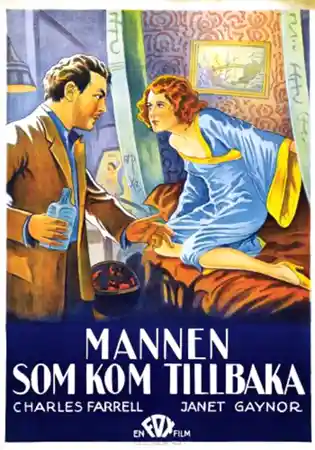
A definitive 5.2/10 rating for a film that redefined the boundaries of cult cinema. The Man Who Came Back remains a cornerstone of transgressive art.
Is this worth watching today? Honestly, yes, but mostly if you like seeing old stars do things you didn't think they were allowed to do back then.
If you're a fan of the Janet Gaynor and Charles Farrell duo, you'll probably find this fascinating because it's so much gloomier than their usual stuff. People who hate slow, stagey dialogue from the early 30s will probably want to turn it off after ten minutes though. 🥃
Charles Farrell plays Stephen, and man, he starts off as such a massive brat. You can tell he’s the kind of guy who has never had to wash a dish in his entire life.
He’s constantly stumbling around in a tuxedo, looking like he’s about to fall over. His dad is played by Ullrich Haupt, who looks like he’s permanently smelling something bad whenever his son enters the room.
The movie doesn't waste any time. One minute he’s partying, and the next, his dad is basically like, "Get out and don't come back until you're a man."
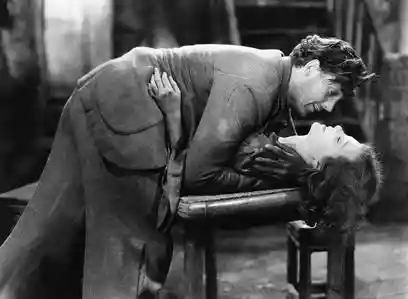
It feels a bit like the jumpy editing you see in something like New York Luck. There isn't much room to breathe between Stephen being a jerk and Stephen being homeless.
Then we get to the San Francisco part. This is where he meets Angie, played by Janet Gaynor.
She’s a singer, and she’s just so earnest. It makes the rest of the movie hurt a little bit more later on.
There is a scene where they are together, and you can just tell the chemistry is real. They worked together so many times that they move around each other like a real couple.
But then things get weird. Stephen gets in trouble again, and the movie just yeets him to Shanghai.
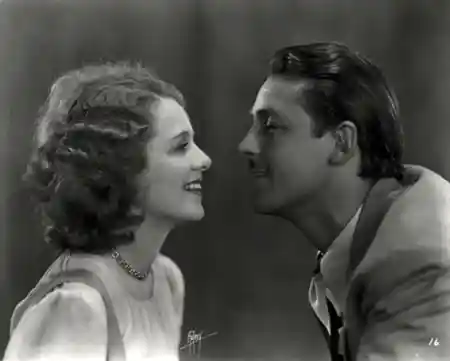
The sets for Shanghai are... something else. You can tell it’s all just a backlot, but the shadows are so thick it actually feels kind of scary. 🏮
I wasn't expecting the opium den sequence. It’s easily the most memorable part of the whole film.
Seeing Janet Gaynor in that environment is a huge shock. She looks tiny and lost, and her eyes have this glazed-over look that feels way too real for 1931.
The way the camera lingers on her face in the dark is haunting. It’s much more intense than the stuff you see in Half Way to Heaven.
Stephen finds her there, and they are both basically at rock bottom. It’s not a pretty sight.
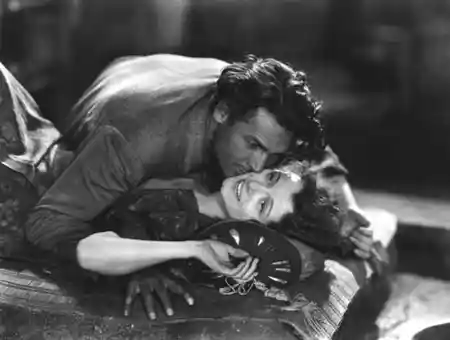
He’s dirty, she’s high, and the dialogue gets really choppy and emotional. Sometimes they shout their lines a bit too much, probably because they were still figuring out how microphones worked.
There is a moment where he tries to save her, and it feels very desperate. It’s not like a modern action movie; it’s more like a clumsy struggle.
I noticed that the extras in the background of the den scenes don't really do anything. They just sit there like statues, which makes the whole place feel like a wax museum.
It’s a bit different from the crowded feeling of something like Mothers of Men. It feels lonely instead.
The middle of the movie drags a little bit when they move to a plantation. It feels like a completely different film for about twenty minutes.
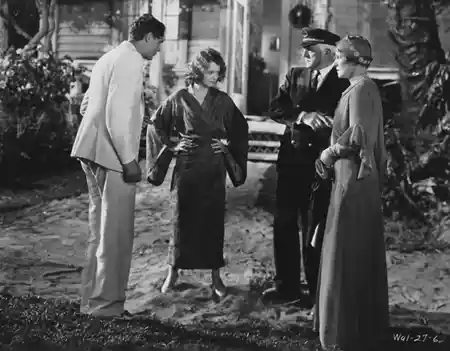
They start talking about "proving themselves" and it gets a bit preachy. I found myself checking how much time was left during the farming scenes.
Also, Charles Farrell’s hair stays perfectly combed even when he’s supposed to be working in the mud. It’s kind of funny if you look closely.
The writing has some weird turns. Like, they forgive each other for some pretty big stuff very quickly.
I guess movies back then only had 90 minutes to fix a whole life, so they had to hurry. It reminds me of the rushed endings in The Face in the Fog.
There’s a supporting character named Kelly who just shows up to give advice. He’s fine, but he feels like he’s reading from a manual on how to be a good person.
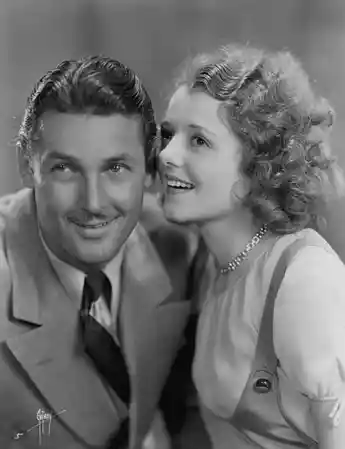
I really liked the lighting in the final act. It’s very moody and uses a lot of high-contrast blacks and whites.
Janet Gaynor’s performance is the only reason this movie holds together. If it were any other actress, it might have just been a silly melodrama.
She has this way of looking like her heart is breaking without moving a single muscle in her face. It's really impressive stuff.
The ending is a bit too neat for my taste. After all that darkness in Shanghai, everything just kind of clicks into place.
It’s a bit like West of Broadway where the resolution feels a little unearned. But I guess people wanted happy endings back then.
Still, I can't stop thinking about that opium den scene. It feels like a glimpse into a much darker movie that was trying to get out.
If you're bored on a Sunday and want to see some early Hollywood grit, give it a shot. Just don't expect a masterpiece.
It’s a flawed, interesting relic. And honestly, those are usually better than the perfect ones anyway. 🎞️
IMDb —
1922
Community
Log in to comment.