DbcultAccessing Vault...
Cult Review
Senior Film Conservator
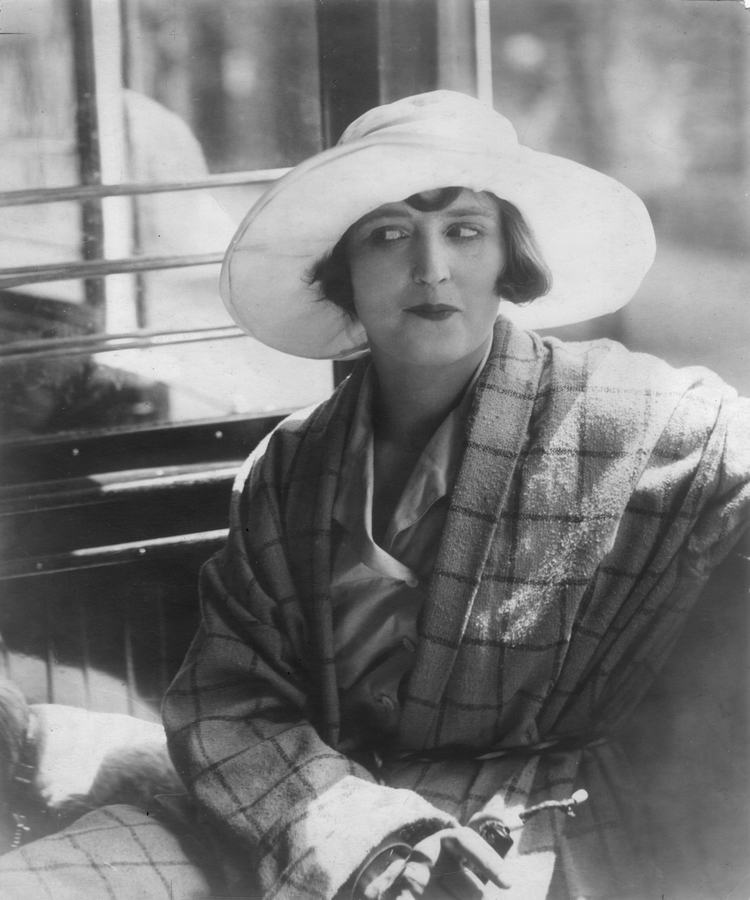
Imagine a world where every reflection conspires against you, where childhood chalk outlines become adult scars inked in indelible sepia—this is the universe Adam a Eva conjures out of thin, nitrate-scented air.
Released in 1930, halfway between the last gasp of silent expressionism and the first crackle of synchronized sound, the picture slips through genre mesh like quicksilver. Ostensibly a romantic farce, it is in truth a treatise on duality, a hall-of-mirrors fable that anticipates John Needham's Double yet feels closer in temperament to the bruised lyricism of Merely Mary Ann.
Director Suzanne Marwille—also credited as co-writer and supporting actress—shoots siblings in split-diopter compositions that keep both faces razor-sharp while the background liquefies into bokeh. The effect is not mere gimmickry; it is ontological argument made celluloid. Each frame insists that likeness equals power, that substitution is only a wardrobe change away.
Consider the classroom sequence: Eva clandestinely sketches a moustache onto the village priest’s portrait, palms the drawing to Adam, and within minutes the boy stands before the blackboard absorbing rod strikes meant for his sister. Marwille cross-cuts between Eva’s voyeuristic smirk and the rising welts on Adam’s palms, the montage orchestrated to a metronome of dripping ink—drop, flinch, giggle, crack—until viewer morality itself is flagellated.
When adult Adam—played with porcelain fragility by Otto Rubík—decides to retaliate, the film pivots from pastoral sadism into a masquerade ball that anticipates Judith Butler by six decades. His transformation unfolds in a derelict puppet theater, mannequins dangling like lynched memories. He snips his sister’s abandoned frock, pads corsage with lamb’s wool, lacquers his mouth into a Cupid’s-bow simulacrum. The camera lingers on tufts of fallen hair drifting across flagstones like blackened snow.
Yet the film refuses to ridicule the cross-dress. Instead, it eroticizes the risk: silk sliding over Adam’s hipbone becomes soundtracked by a crescendo of distant church bells, as though the very town trembles at the sacrilege of unstable signifiers. When Adam-as-Eva greets Dr. Prokop (Josef Sváb-Malostranský) beneath a streetlamp halo, the doctor’s pupils dilate not from recognition but from desire redirected. The audience, too, must reconfigure attraction: do we lust after the face, the gender, or the performance?
Anna Selerová’s Eva vibrates with malign charisma; she exhales cigarette smoke as though snuffing out entire futures. Watch her eyes when the doctor confesses affection—two obsidian pinwheels calculating escape velocity. By contrast, Rubík’s Adam is all muted yearning, a boy whose revenge is less cruelty than desperate anthropology: to study my sister is to excavate the wound she left in my shape.
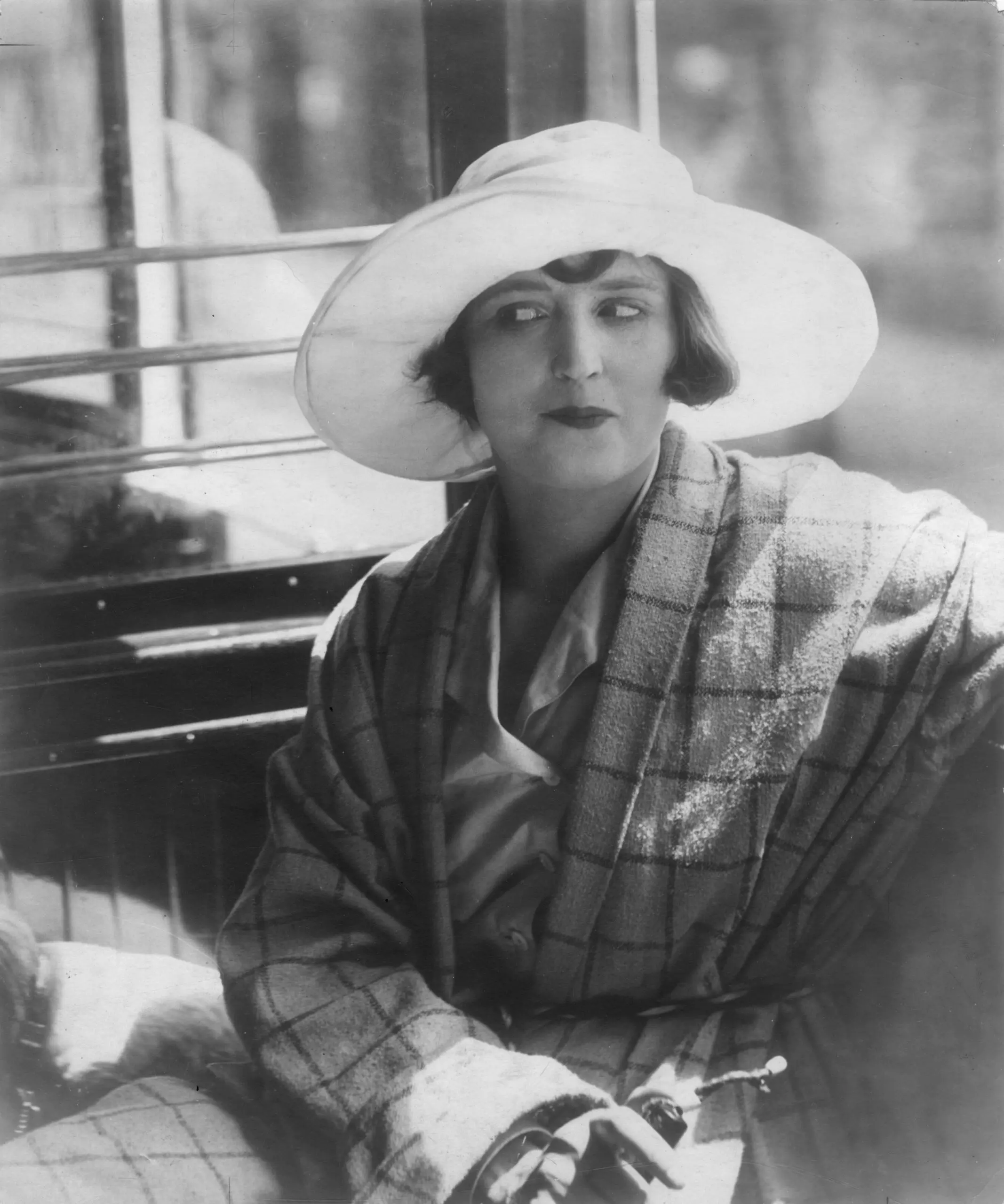
Betty Kysilková cameos as the governess who once tried to teach the twins moral arithmetic; her late-film reappearance as a brothel pianist underscores the picture’s cyclical moral rot. Each keystroke lands like a dropped coin on the ledger of sins.
Shot as a silent, the movie was retrofitted with sporadic sound inserts—footsteps on cobblestones, the hiss of a gas lamp—creating an oneiric unevenness. Dialogue remains relegated to intertitles, but ambient noise leaks through like rumor. The result is a film that feels half-remembered even while viewing it, a trait it shares with the hallucinatory Streak of Yellow yet surpasses in symbolic density.
Where John Needham's Double externalizes doppelgänger as supernatural curse, Adam a Eva internalizes it as sibling blood. The gender subtext aligns closer to Das Gelübde der Keuschheit, yet where that film punishes gender trespass, Marwille’s work renders punishment absurd—identity itself is the crime.
Meanwhile, fans of The Winning Girl will recognize the same fascination with public image as currency, though here reputation is counterfeited in real time, not wagered on sport.
For decades the negative languished in the Slovak Film Archive, mislabelled as “Twin Farce, incomplete.” A 2022 4K restoration scanned surviving nitrate at 16-bit from the sole extant Czech print, revealing textures previously muddied: the herringbone of Adam’s waistcoat, the opalescent powder on Eva’s clavicles. The tinting—amber for interiors, cerulean for exteriors—follows Czechoslovakian standards of 1930, yet restoration colourists added a bruised lavender halo around twin faces, subtly cueing supernatural ambiguity.
Currently streaming on DAFilms with optional English subtitles; a Blu-ray from Second Run (region-free) is slated for October, complete with a scholarly commentary by Dr. Klára Křivánková and a 20-page booklet on interwar Prague fashion as gender technology.
The film ends not on reconciliation but on a sustained close-up: Adam, half-denuded of his feminine guise—wig askew, lip rouge smeared—staring into a mirror that reflects only Eva. The camera holds until the celluloid itself seems to breathe. We are left to wonder whether identity is a garment we can shrug off, or a skin that, once flayed, leaves permanent chill upon the bones.
In an era when digital avatars proliferate and every selfie is a potential forgery, Adam a Eva feels less antiquated than prophetic. It whispers that the gravest danger is not being mistaken for someone else, but discovering that the self was always a palimpsest—written, erased, rewritten—until the erasure becomes the only truth that sticks.

IMDb 5.6
1932
Community
Log in to comment.