DbcultAccessing Vault...
Cult Review
Senior Film Conservator
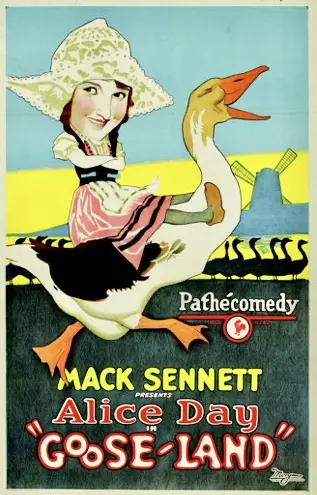
Is Gooseland a classic worth digging up from the archives? Short answer: No, unless you are a dedicated scholar of silent-era slapstick or a Billy Gilbert completist. While it offers a few genuine chuckles, it remains a product of its time that lacks the enduring brilliance of the era's heavy hitters.
This film is for the vintage cinema enthusiast who enjoys seeing the building blocks of modern comedy. It is absolutely not for anyone who requires a fast-paced narrative or high-definition visual storytelling. It is a relic, plain and simple.
This film works because it embraces the sheer absurdity of its artificial Dutch setting and allows the secondary cast to lean into chaotic physical comedy.
This film fails because it relies on a central romance that is as thin as a wafer and twice as dry, leaving the audience with little to root for.
You should watch it if you want to see an early example of Billy Gilbert's comedic timing or if you are interested in how 1920s Hollywood stylized European cultures.
The plot of Gooseland is a standard-issue romantic tug-of-war. We have Alice (Alice Day), the quintessential girl-next-door of the 1920s, caught between the familiar and the foreign. The local suitor represents stability, while the tourist represents the 'modern' world. This trope was common in films like The Luring Lights, where the clash between urban and rural life provided the primary friction.
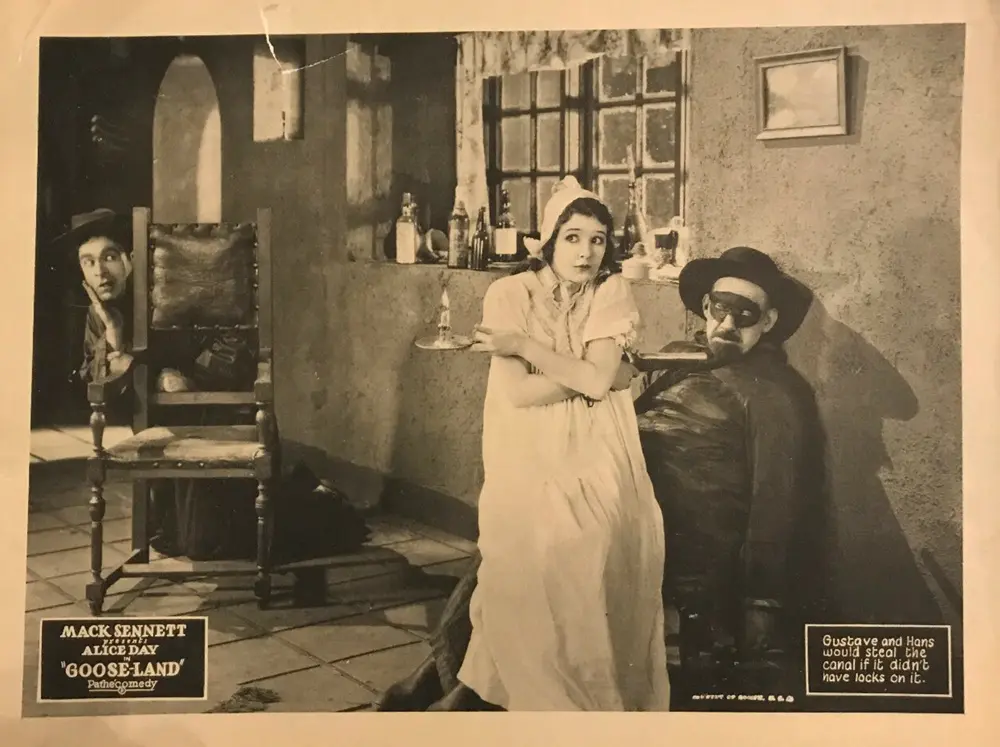
The execution here is functional but uninspired. The writers—Ewart Adamson, Margaret Houghton, and Al Giebler—don't try to reinvent the wheel. They use the 'Holland' setting as a playground for visual gags rather than a meaningful location. For instance, a scene involving a bicycle chase through the inn’s courtyard is technically proficient but lacks the choreographic genius seen in The Ropin' Fool. It’s a series of 'almost' laughs that never quite reach a crescendo.
The real reason to sit through Gooseland is the supporting cast. Billy Gilbert, who would later become famous for his sneezing fits in Disney’s Snow White and various Laurel and Hardy shorts, shows early flashes of his brilliance here. He has a way of reacting to chaos with a slow, simmering frustration that is far more interesting than the lead actors' performances. In one specific moment, Gilbert’s character attempts to serve a tray of drinks while being harassed by Omar the Dog; the way his face contorts before the inevitable disaster is a masterclass in silent reaction.
Sunshine Hart also deserves a mention. As the inn-keeper's wife (or mother figure), she provides the necessary weight to ground the more flighty elements of the story. Her performance is broader than what we see in A Woman's Honor, but it fits the slapstick tone. She is the anchor in a sea of frantic movement.
Visually, Gooseland is a fascinating example of the Hollywood backlot. The Holland presented here is a collection of clogs, windmills, and exaggerated costumes that feel more like a theme park than a country. It lacks the moody, atmospheric depth of European productions like Das Gespensterschloß. Instead, the lighting is flat and bright, designed to ensure every pratfall is visible to the audience.
The pacing is brisk, bordering on hyperactive. This was common for shorts produced in 1928, as the industry was beginning to feel the pressure of the coming sound revolution. There is a sense that the director was trying to cram as many gags as possible into the runtime, similar to the pacing found in The Midnight Alarm. However, where that film used its speed to build tension, Gooseland uses it to mask a lack of narrative depth.
If you are looking for a deep cinematic experience, no. Gooseland is a lightweight comedy that was meant to be forgotten as soon as the next reel started. However, if you are a fan of 1920s history, it serves as a perfect time capsule. It shows exactly what the average moviegoer considered 'fun' in 1928. It’s not art. It’s a distraction. But as a distraction, it’s perfectly competent.
Pros:
Cons:
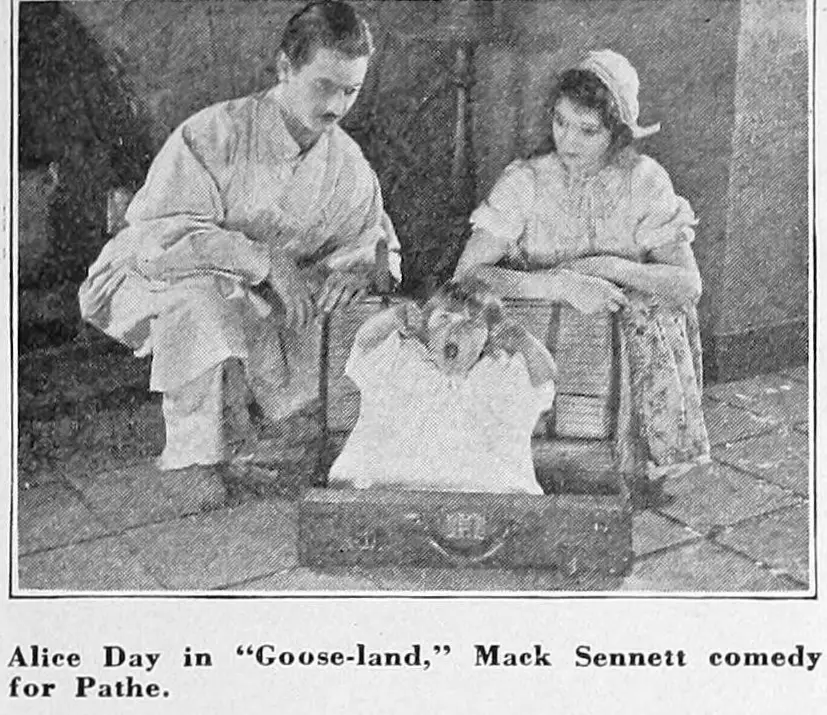
It’s a brutal truth, but Omar the Dog often out-acts the human leads. In the late 1920s, animal actors were frequently used to inject life into tired scripts. In Gooseland, Omar’s interactions with Billy Gilbert provide the only moments of genuine, unforced levity. The dog has better comic timing than Nick Stuart, which is both a compliment to the trainer and a slight against the casting of the romantic lead. This reliance on animal antics was a hallmark of films like The Lad and the Lion, where the creature often carried the emotional weight.
The writing team of Adamson, Houghton, and Giebler was a well-oiled machine for the silent era. They knew how to structure a gag, but they didn't always know how to structure a character. When compared to the more nuanced writing in The Banker's Daughter, Gooseland feels like it was written in a single afternoon. The dialogue (via title cards) is functional but lacks the wit found in more prestigious productions of the same year. It’s blue-collar comedy for a blue-collar audience.
One surprising observation is the portrayal of the 'tourist'. Usually, the city-slicker is the villain, but here, he’s more of a buffoon. This shift reflects a changing American perspective on travel and leisure at the end of the roaring twenties. It’s a subtle touch in an otherwise unsubtle film.
Gooseland is a functional piece of 1928 fluff. It doesn't redefine the genre, and it certainly won't replace the classics in the pantheon of great cinema. However, as a specimen of the transition period between silent and sound, it is a fascinating watch. It works. But it’s flawed. The performances by Billy Gilbert and Omar the Dog elevate it from a total bore to a mild curiosity. If you have twenty minutes to spare and an interest in how Hollywood used to fake a Dutch village, give it a look. Just don't expect it to stay with you once the screen goes black.
IMDb 6.5
1935
Community
Log in to comment.