DbcultAccessing Vault...
Cult Review
Senior Film Conservator
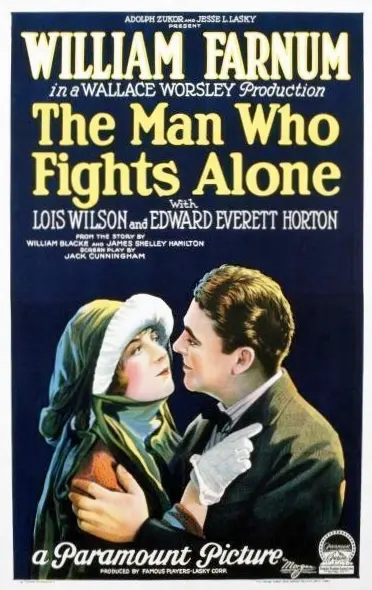
John Marble, a construction engineer played by William Farnum, is the protagonist of 'The Man Who Fights Alone', a film that delves into the intricacies of human emotions and the unyielding nature of the human spirit. Suffering from paralysis, Marble begins to imagine a romantic entanglement between his wife, Marion, and his best friend, Bob Alten, portrayed by Edward Everett Horton. This vivid inner turmoil reflects his struggles with acceptance and the unshakable self-doubt that often accompanies physical and emotional challenges.
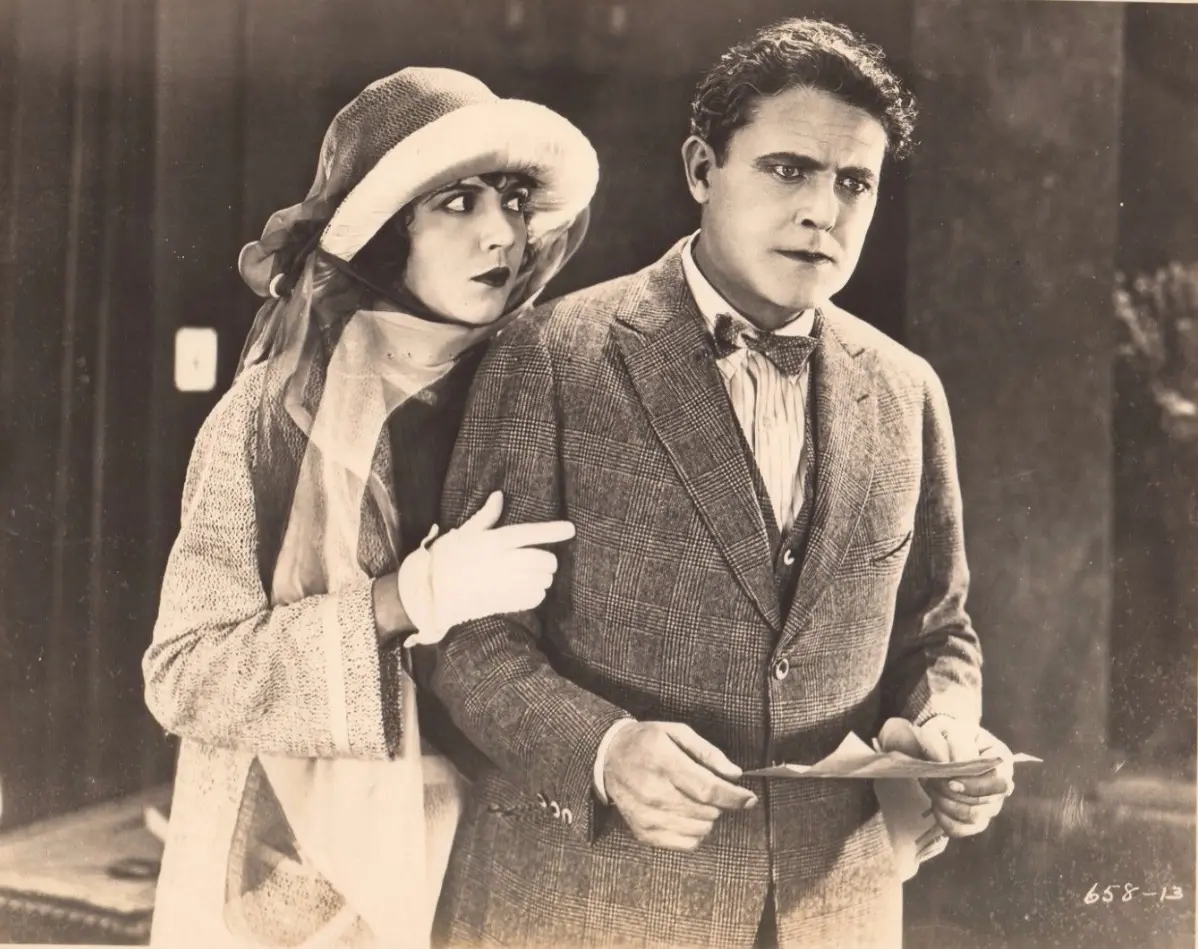
The narrative takes a dramatic turn when Marble witnesses his wife and son in peril on a dilapidated bridge. This harrowing experience jolts him out of his paralysis, compelling him to confront the constructs of his imagination. The film masterfully juxtaposes Marble's self-imposed isolation with the reality of his situation, highlighting the psychological weight of his suspicions and the false dichotomy between his internal and external worlds.
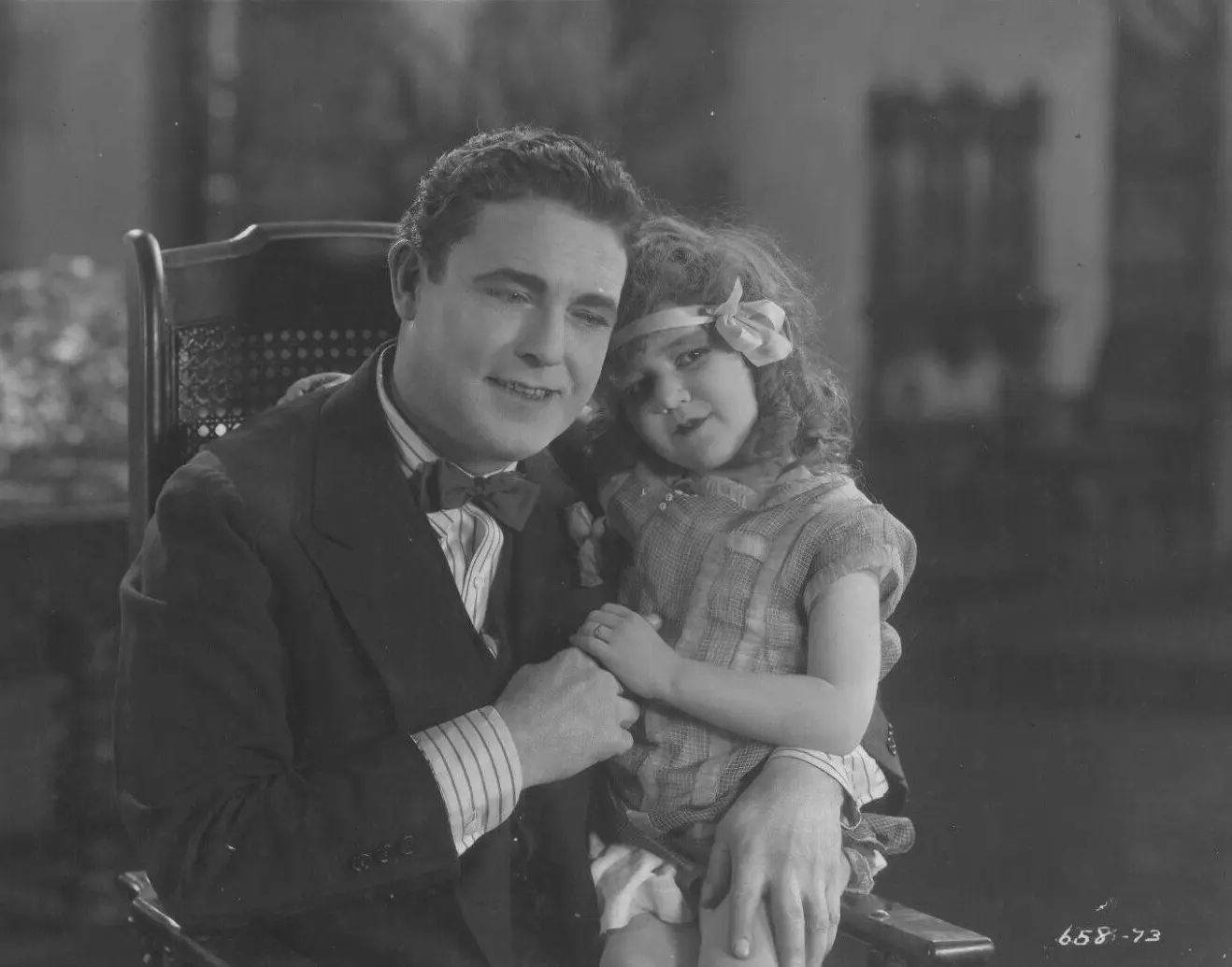
The performances by the ensemble cast, including Lois Wilson as Marion and Barlowe Borland as Dr. MacCormack, add depth and nuance to the characters. Wilson’s portrayal of Marion, the steadfast and loving wife, contrasts sharply with her husband’s internal turmoil, creating a powerful dynamic that resonates throughout the film. The supporting cast, including Frank Farrington and Dawn O’Day, further enrich the narrative, contributing to the rich tapestry of emotions and conflicts that drive the story.
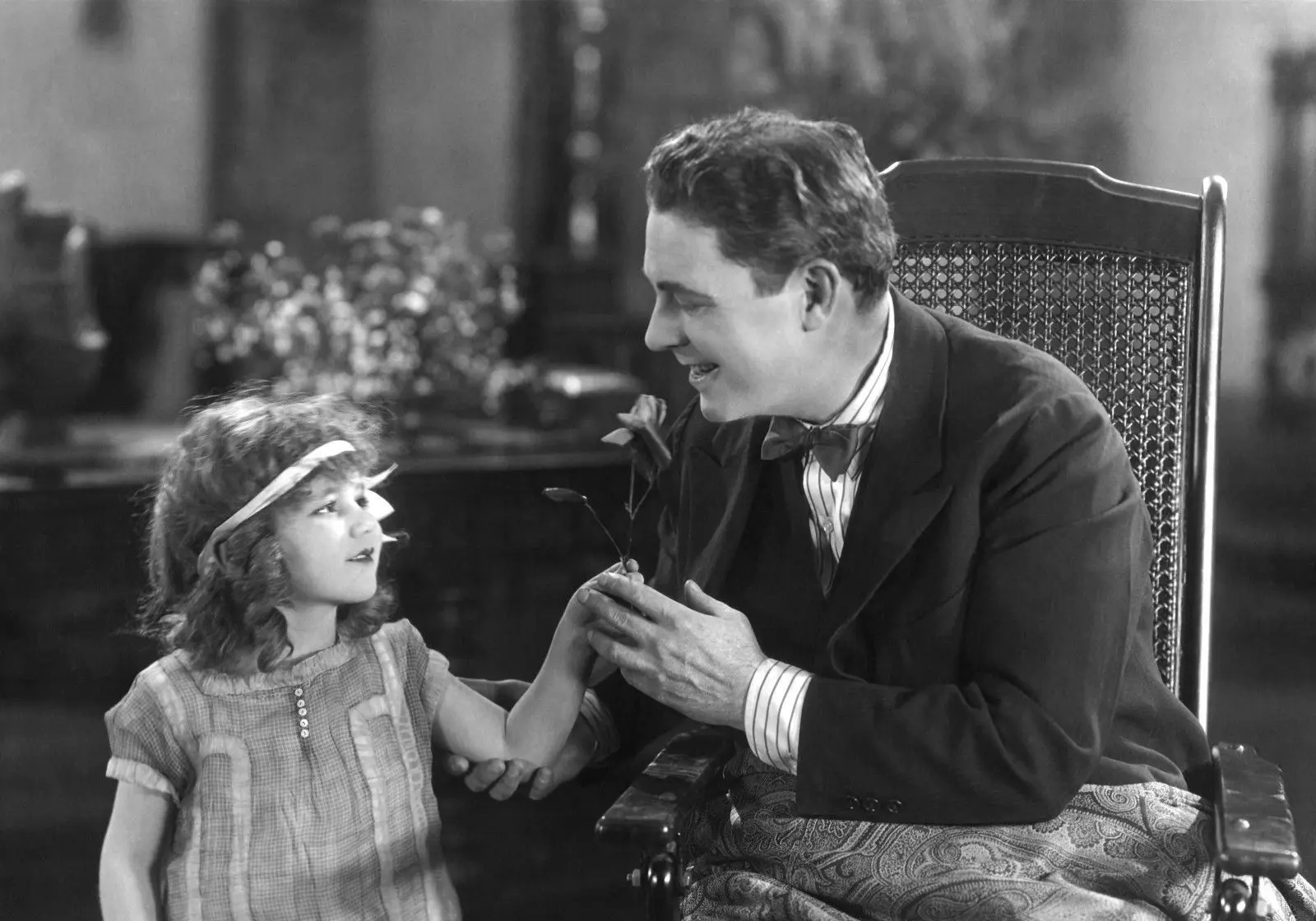
Directorial choices by the film’s creators, James Shelley Hamilton, William Blacke, and Jack Cunningham, are commendable, especially in their portrayal of Marble’s inner monologue. The use of visual symbolism and subtle cinematography enhances the emotional intensity of the scenes, making the audience acutely aware of Marble’s psychological journey. The film’s pacing is deliberate, allowing viewers to fully immerse themselves in the protagonist’s struggle for self-acceptance and understanding.
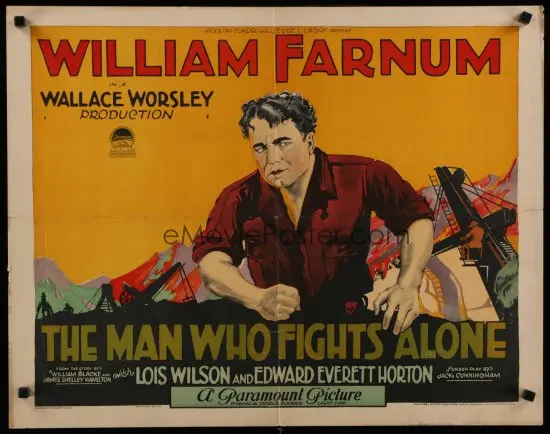
Comparatively, 'The Man Who Fights Alone' shares thematic similarities with 'Pace That Kills' and 'The Winning of Sally Temple', both of which explore the human condition through the lens of personal crises and the quest for redemption. However, 'The Man Who Fights Alone' excels in its psychological depth and the complexity of its narrative structure, distinguishing itself as a poignant exploration of the human psyche.
While 'The Man Who Fights Alone' is not without its flaws, particularly in its handling of some secondary characters, the overall film is a compelling and emotionally resonant work. It serves as a testament to the resilience of the human spirit and the transformative power of facing one’s inner demons. The film’s ability to evoke a sense of empathy and introspection makes it a valuable addition to the genre, inviting viewers to reflect on their own struggles and the constructs of their own reality.
IMDb —
1936
Community
Log in to comment.