DbcultAccessing Vault...
Cult Review
Senior Film Conservator
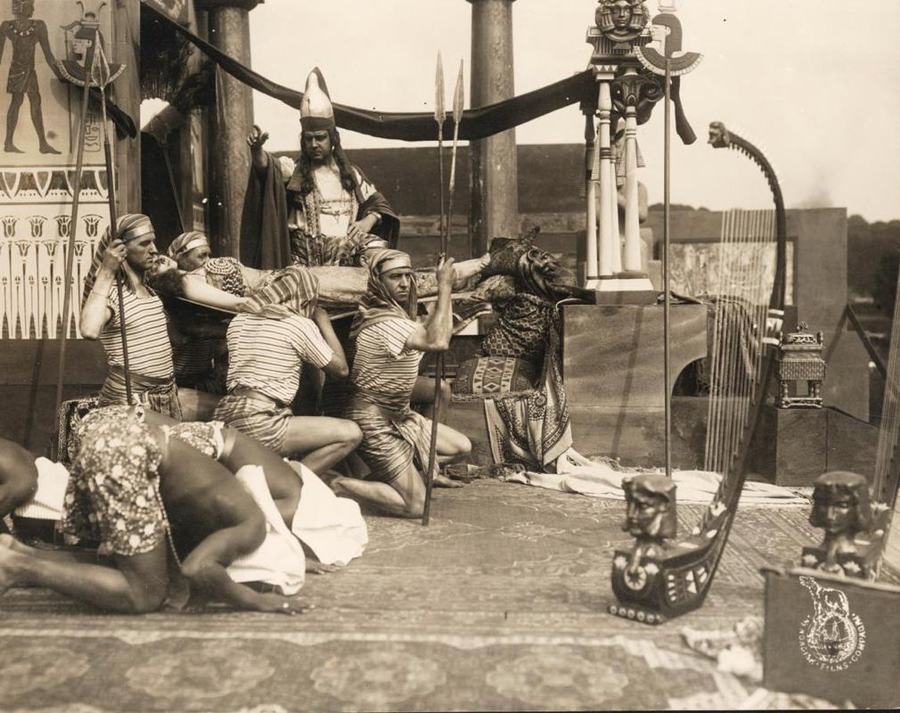
Stepping back into the nascent days of cinema, particularly the golden age of Danish silent film, one encounters works that, despite their age, resonate with an astonishing contemporary relevance. Hendes ungdomsforelskelse (or 'Her Youthful Infatuation'), a creation from a period when narrative storytelling was evolving rapidly on screen, stands as a testament to the enduring power of myth, destiny, and the human heart. Directed with a keen eye for dramatic flair, this film, penned by Sven Lange, plunges its audience into a world where ancient mysticism and personal fate intertwine, driven by a single, exquisite piece of jewelry.
At its core, Hendes ungdomsforelskelse unravels a narrative that feels both timeless and exotic. The premise is beguiling: an Egyptian prince, captivated by the ephemeral beauty and artistry of a dancer, bestows upon her a jewel of immense value. But this is no mere bauble; it is an artifact imbued with a potent, almost sentient, power of divination. This single act of royal admiration inadvertently sets in motion a cascade of events, shaping the dancer’s future in ways she could never foresee. The jewel becomes less an adornment and more a harbinger, a silent oracle dictating the very contours of her life. This concept, where an inanimate object holds such sway over human destiny, offers a fascinating lens through which to explore themes of free will versus predestination, a philosophical quandary as relevant today as it was over a century ago.
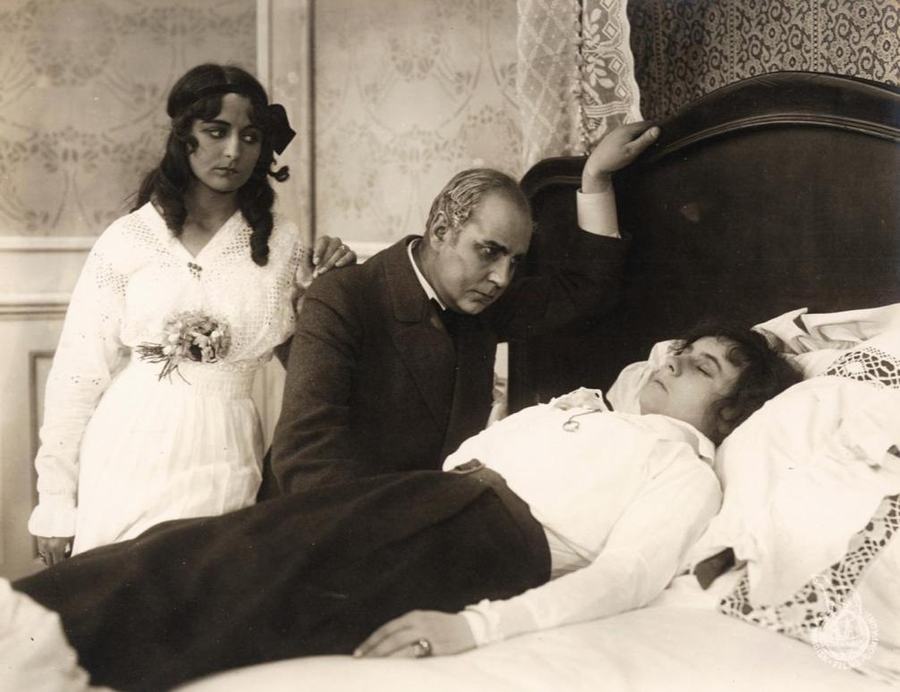
The cinematic landscape of the early 20th century was rife with tales of exotic locales and grand romantic gestures, yet Hendes ungdomsforelskelse distinguishes itself by elevating a simple gift into a profound narrative engine. The dancer, whose name remains somewhat shrouded in the plot's mystical haze, is not merely a recipient of a prince's favor; she becomes an unwitting pawn in a larger, cosmic game. Her art, which initially draws the prince's eye, paradoxically leads her down a path preordained by the jewel's ancient magic. This narrative device allows the film to explore the delicate balance between fleeting beauty and enduring fate, the transient nature of performance against the immutable forces of destiny. One might draw a parallel to the intricate web of influence seen in films like The Shadow of a Doubt, where an external, often unseen, force subtly manipulates the lives of its characters, though here it is a tangible, shimmering object.
The casting, featuring luminaries of the Danish silent screen such as Kiss Gregers, Alma Hinding, and Olaf Fønss, undoubtedly contributed to the film's impact. In silent cinema, the art of expression was paramount. Actors relied on exaggerated gestures, poignant glances, and physical storytelling to convey emotions that dialogue would later articulate. Kiss Gregers, likely embodying the central dancer, would have had the formidable task of portraying a character whose life is increasingly dictated by an external force, requiring a nuanced performance that conveys both the initial joy of recognition and the subsequent realization of a predetermined path. Alma Hinding and Ebba Thomsen, often celebrated for their dramatic prowess, would have brought depth and intensity to their roles, anchoring the fantastical elements of the plot in relatable human experience. The silent film era demanded a unique kind of stage presence, where every movement, every tilt of the head, every flicker of an eye had to speak volumes. Their collective talent would have been instrumental in translating Sven Lange's intricate vision from script to screen, making the esoteric concept of a divinatory jewel feel palpably real.
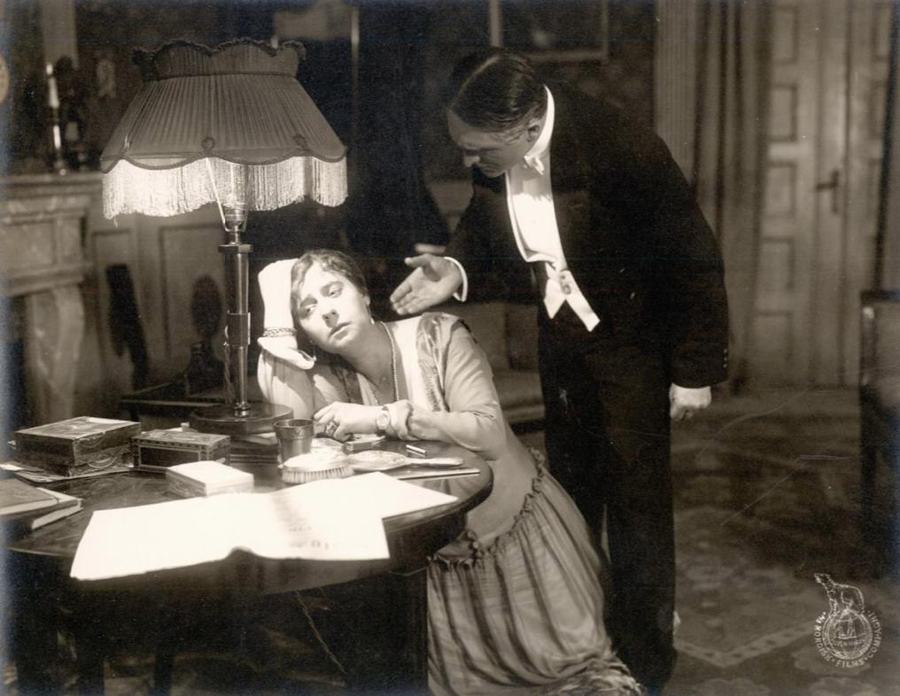
Sven Lange's screenplay for Hendes ungdomsforelskelse is particularly intriguing for its embrace of supernatural elements within a dramatic framework. Unlike a straightforward romance or a social drama, Lange introduces a mystical artifact as the central driver of the plot. This decision elevates the story beyond mere anecdote, imbuing it with a sense of grandeur and ancient wisdom. The jewel is not just a MacGuffin; it is an active participant in the narrative, a silent antagonist or benevolent guide, depending on one's interpretation. This kind of magical realism, even in its early cinematic form, speaks to a universal human fascination with fate and the unknown. In a period where scientific advancements were rapidly changing the world, there was still a profound yearning for narratives that acknowledged forces beyond human comprehension. This blend of the mundane and the miraculous can also be observed in films exploring external influences on individuals, much like the compelling control depicted in The Hypnotic Violinist, albeit through different means.
The visual language of Hendes ungdomsforelskelse would have been critical in conveying the jewel's power and the dancer's evolving destiny. Cinematography in the silent era, while lacking the technical sophistication of later decades, possessed an artistry all its own. Directors relied heavily on evocative lighting, carefully composed frames, and intricate set designs to build mood and communicate narrative beats. One can imagine scenes bathed in a soft, ethereal glow when the jewel's influence is benevolent, or stark, contrasting shadows when its divinations hint at hardship. The very act of a prince bestowing such a gift would be staged with opulent grandeur, contrasting sharply with the dancer's potentially more humble origins, underscoring the shift in her life. The visual representation of the jewel itself, perhaps through close-ups or subtle special effects available at the time, would be crucial in establishing its mystical authority. The film’s success would hinge on its ability to make the audience believe in this magical influence without the aid of spoken exposition.
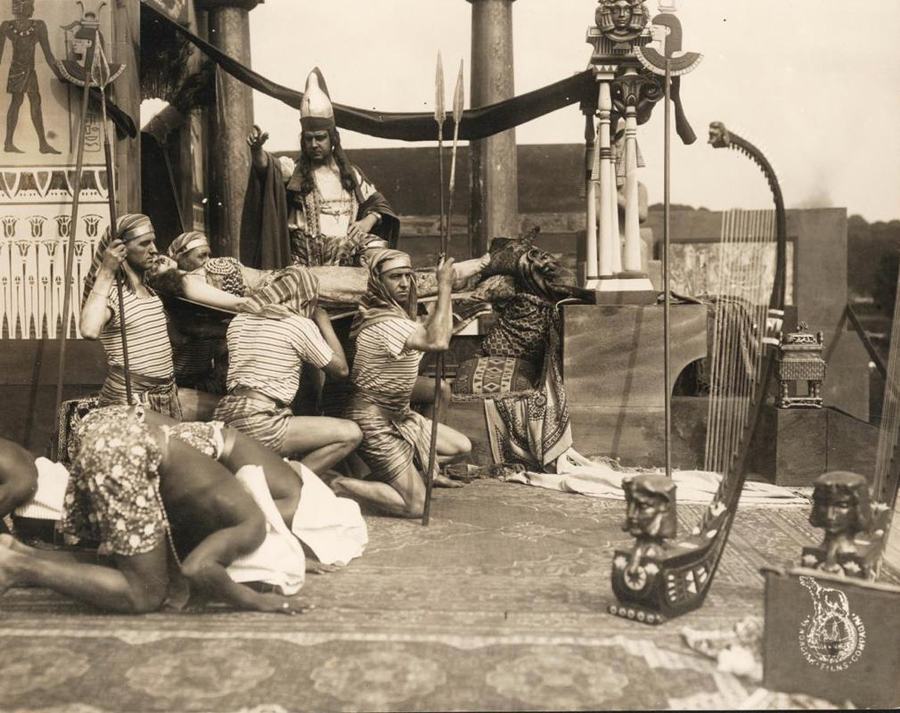
The thematic exploration of destiny is perhaps the most compelling aspect of Hendes ungdomsforelskelse. Is the dancer a victim of fate, or does the jewel merely reveal a path she would have taken anyway? The film’s title, 'Her Youthful Infatuation,' hints at a personal journey, suggesting that perhaps the jewel's power is intertwined with her own desires and choices, or perhaps it merely steers her towards a fated encounter from her past. This ambiguity allows for a richer interpretation, inviting viewers to ponder the extent of their own agency. This struggle with preordained paths is a recurring motif in human storytelling, often seen in narratives that explore the trials and tribulations a woman faces, reminiscent of the journeys depicted in A Woman's Way, where personal choices often collide with societal expectations or unforeseen circumstances.
Furthermore, the film subtly touches upon the dynamics of power and patronage. The Egyptian prince, with a seemingly casual gesture, alters a life irrevocably. This highlights the immense influence of royalty and wealth during that period, where a single act of generosity could elevate or complicate a commoner's existence. The dancer, by accepting the gift, implicitly accepts its accompanying baggage, whether that be fortune or tribulation. This exchange sets up a fascinating power dynamic, where the giver, despite his initial benevolence, becomes an unwitting catalyst for a destiny beyond his control, and the recipient is bound by a gift far greater than its material worth. Such complex relationships, often fraught with hidden implications, were fertile ground for silent melodramas, captivating audiences with their emotional intensity and moral dilemmas.
The very concept of a 'divinatory' jewel also taps into ancient human beliefs in omens, prophecies, and the supernatural. In an age before widespread scientific understanding, people often looked to mystical objects and rituals for guidance and reassurance. Hendes ungdomsforelskelse capitalizes on this inherent human inclination, crafting a story that feels almost mythological in its scope. It transforms a simple piece of jewelry into a powerful symbol of fate, a tangible link between the earthly and the ethereal. This deep dive into the mystical makes the film more than just a period drama; it becomes a meditation on the unseen forces that many believe govern our lives. The film's ability to evoke such profound questions without uttering a single word is a testament to the sophistication of early cinematic storytelling.
Considering its historical context, Hendes ungdomsforelskelse also reflects the globalizing tendencies of early cinema. The inclusion of an 'Egyptian prince' and an exotic setting speaks to the audience's appetite for adventure and narratives from distant lands, a common trope that transported viewers far beyond their local cinemas. This fascination with the 'Other' allowed filmmakers to explore different cultural aesthetics and expand the imaginative horizons of their audiences. Danish cinema, in particular, was known for its technical innovation and compelling narratives during this era, often producing films that found international distribution and critical acclaim. This film, with its unique blend of local talent and global themes, likely contributed to that reputation.
In conclusion, Hendes ungdomsforelskelse emerges as a fascinating artifact from the silent film era, a narrative intricately woven around the potent symbolism of a divinatory jewel. Its exploration of fate, artistry, power, and the enduring human quest to understand the unseen forces shaping our lives makes it a compelling watch, even for contemporary audiences. The film’s success lies not just in its intriguing premise but in the silent performances that convey a universe of emotion, the directorial choices that build a palpable sense of destiny, and a screenplay that dares to blend the ordinary with the extraordinary. It stands as a vibrant example of how early cinema, through inventive storytelling and powerful visual language, could transport, provoke, and profoundly move its viewers, leaving them to ponder the delicate threads of fate that connect us all to our own youthful infatuations and the mysterious gifts that shape our paths.
IMDb 6.7
1918
Community
Log in to comment.