DbcultAccessing Vault...
Cult Review
Senior Film Conservator
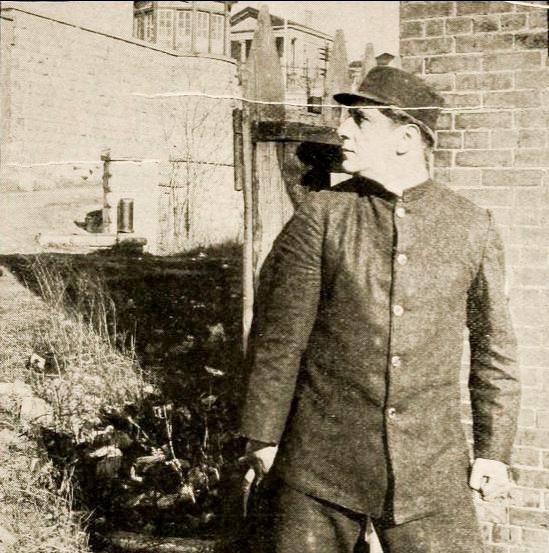
In the annals of early cinema, certain narratives emerge with an enduring resonance, transcending their historical context to speak to universal human truths. The Man Who Found Himself, a compelling silent drama from 1918, stands as one such artifact. It's not merely a relic of a bygone era but a profound exploration of morality, identity, and the relentless pursuit of redemption. Penned by George Broadhurst, this film delves into the psychological landscape of a man pushed to the brink, making choices that ripple through the very fabric of his existence, ultimately leading him on a circuitous path toward self-discovery.
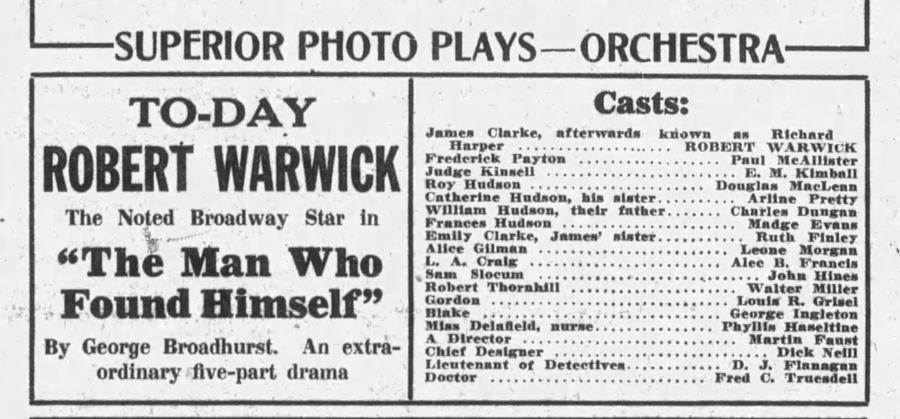
Our protagonist, James Clarke, portrayed with earnest vulnerability by Douglas MacLean, is introduced not as a villain, but as a man cornered by life's cruel exigencies. A humble grocery clerk, his life is shadowed by the precarious health of his beloved sister. The medical consensus is clear: a change of climate is imperative, a luxury far beyond his meager means. This desperate circumstance breeds a desperate act: the pilfering of $500 from his employer. It's a sum that, in 1918, represented a significant portion of a working-class income, a colossal risk for an act of pure, if misguided, altruism. This initial transgression sets the stage for a narrative steeped in the consequences of moral compromise, a theme that echoes in later, more complex crime dramas, albeit often with far less sympathetic protagonists.
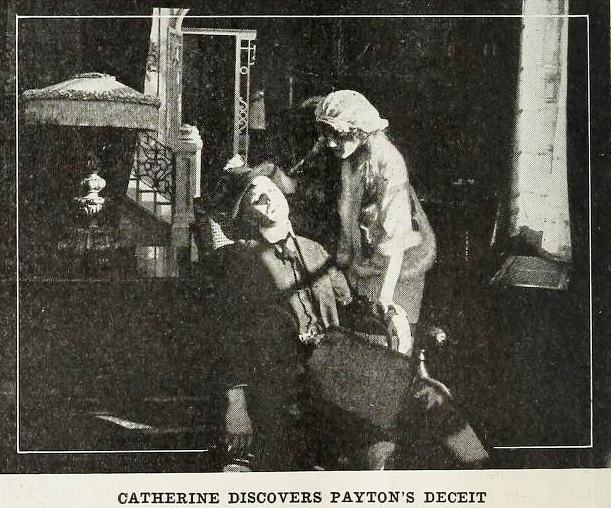
The immediate aftermath of James's theft introduces Frederick Payton, a fellow employee, whose discovery of the crime plunges James into a tormenting cycle of blackmail. Charles Dungan imbues Payton with a cynical opportunism that serves as a stark contrast to James's initial, almost accidental, fall from grace. This dynamic, a predatory relationship built on shared secrets and power imbalance, is a classic narrative device, expertly deployed here to amplify James's plight. Both men, bound by this illicit secret, are eventually apprehended, their fates intertwined in the cold machinery of justice. The prison sentence that follows is not just a consequence of their actions, but a crucible, forging the subsequent trajectory of James's quest for identity and peace.
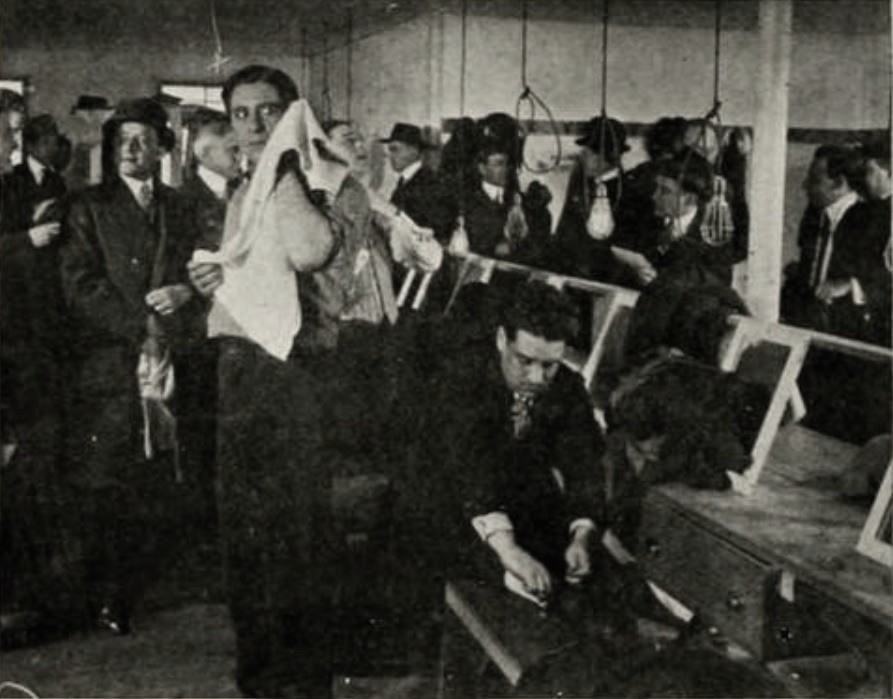
The narrative takes a fascinating turn within the formidable walls of Sing Sing. In a stroke of dramatic irony, a motion-picture company arrives to film within the prison. This unusual event provides James with an unexpected, almost cinematic, opportunity for escape. He shrewdly blends with the film crew, a phantom actor in a real-life drama, eventually returning with them to the bustling Fort Lee studio of the World Film Corporation. This sequence is a testament to the ingenuity of early silent film storytelling, using a meta-narrative element – film within a film – to propel the plot forward. It also highlights the permeable boundaries between reality and illusion, a recurring motif in stories of identity concealment and reinvention.
His escape is not an act of defiance aimed at further criminality, but rather a desperate bid for a second chance, a chance to shed the ignominy of his past. The journey from prison to a film studio, a place of manufactured realities, underscores the theme of assuming a new persona. James, now free but still a fugitive, takes on a different name, a new identity, and meticulously constructs a respectable life in another town. This period of his life reflects a deep human yearning for a fresh start, a belief in the capacity for self-transformation, even in the face of profound personal failings. It's a narrative thread that resonates with films like A Change of Heart, where characters grapple with the opportunity to redefine themselves after adversity, though often under less extreme circumstances.
James's new life blossoms. He finds professional success and, more significantly, personal happiness in his engagement to Catherine Hudson, played by Arline Pretty. Catherine, the boss's daughter, represents not just love, but the promise of a stable, virtuous future, untainted by his previous misdeeds. Their romance is depicted as genuine and profound, making the inevitable return of his past all the more agonizing. It is Payton, having served his sentence, who reappears, a malevolent ghost from James's former life, ready to exploit his knowledge once more. This reintroduction of the blackmailer is a classic dramatic device, forcing the protagonist to confront the very demons he believed he had outrun. The tension here is palpable, a quiet dread that permeates James's carefully constructed world.
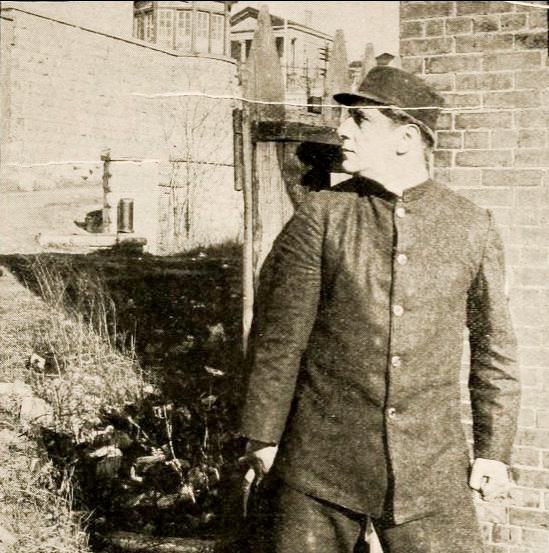
The moral dilemma James faces is excruciating. To protect his new life and the love he shares with Catherine, he could succumb to Payton's demands, perpetuating the cycle of deceit. Or he could choose a more arduous path: to reveal his true identity, face the consequences of his escape, and complete his prison sentence. This moment is the narrative's true crucible, a test of character that elevates the film beyond a simple crime drama into a profound examination of integrity. It's a choice many characters in silent film faced, often with melodramatic flair, but here, it feels grounded in a deeply personal struggle for peace of mind. One might draw a parallel to the intricate moral quandaries presented in films like The Naked Truth, where characters are forced to strip away pretense and confront their authentic selves, regardless of the cost.
In a powerful testament to the human spirit's capacity for moral courage, James chooses the latter path. He decides to reveal his true identity, to confess his past, and to voluntarily return to prison to complete his sentence. This decision is not made lightly; it is a profound act of self-sacrifice, an acknowledgment that true freedom lies not in physical liberty but in a clear conscience. The film masterfully portrays this internal struggle and the ultimate liberation that comes with facing one's demons head-on. It's a narrative arc that speaks to the enduring power of honesty and accountability.
The performances, particularly MacLean's James Clarke, are central to the film's impact. Without spoken dialogue, the actors of the silent era relied heavily on facial expressions, body language, and pantomime to convey complex emotions. MacLean navigates James's journey from anxious desperation to quiet resolve with a nuanced intensity. His internal conflict is legible on screen, allowing the audience to empathize deeply with his moral quandary. Arline Pretty's Catherine is not a passive damsel but a woman of strength and conviction, her promise to James cementing the film's hopeful message. Even Charles Dungan's Payton, though a clear antagonist, serves as a crucial mirror, reflecting the path James could have continued down, had he chosen to remain in moral compromise.
Beyond the individual stories, The Man Who Found Himself offers a fascinating glimpse into early 20th-century societal attitudes towards crime, punishment, and rehabilitation. The film suggests that while legal justice is important, true justice, and indeed true freedom, comes from confronting one's past and seeking moral rectitude. The idea of a 'second chance' is explored with considerable depth, highlighting the societal barriers and personal challenges inherent in such a quest. This thematic richness is what elevates many silent films beyond mere entertainment, transforming them into valuable social commentaries. The film’s exploration of the justice system, even if depicted through the lens of dramatic license, invites contemplation on the nature of punishment and the possibility of personal growth within its confines. It’s a subtle critique, perhaps, of a system that often fails to account for the human element, the desperation that can lead to crime, and the potential for a genuine shift in character.
The pacing of The Man Who Found Himself is characteristic of its era, yet it manages to build considerable dramatic tension. The use of intertitles is effective, not merely relaying dialogue but often conveying internal thoughts and narrative exposition with clarity and emotional weight. The cinematography, while constrained by the technical limitations of 1918, effectively captures the grimness of prison life, the anonymity of the city, and the idyllic charm of James's new rural existence. The visual storytelling relies heavily on symbolic imagery and strong emotional cues, a hallmark of powerful silent cinema. One can observe a deliberate contrast in visual styles, from the stark, almost documentary-like shots within Sing Sing to the softer, more romantic lighting of James and Catherine's courtship, effectively guiding the audience through James's evolving psychological landscape.
The film's emotional resonance is undeniable. It taps into primal fears of exposure and societal judgment, alongside the profound hope for forgiveness and a fresh start. The resolution, far from being a simple happy ending, is a complex triumph of character, a testament to the idea that true happiness is intertwined with integrity. This profound emotional journey sets it apart, allowing it to stand proudly alongside other thematically rich silent films. While it may not possess the grand scale of an epic, its intimacy and focus on internal struggle give it a unique power. Consider, for instance, the subtle yet impactful character work found in films like Lydia Gilmore, which also delves into personal sacrifice and moral dilemmas, albeit with a different set of societal pressures.
Why does The Man Who Found Himself continue to captivate? Its narrative, at its core, explores universal themes: the weight of past mistakes, the allure of reinvention, the corrosive nature of guilt, and the liberating power of truth. These are not concepts confined to the early 20th century; they are eternal human struggles. The film serves as a potent reminder that our choices, both good and bad, shape not only our external circumstances but also our internal landscape. James Clarke's journey is a microcosm of the human experience, a testament to the ongoing quest for authenticity and inner peace.
In an era dominated by rapid technological change and shifting moral landscapes, the clarity of purpose and the unwavering pursuit of integrity depicted in this silent film feel remarkably pertinent. It invites us to reflect on our own capacity for error, our desire for absolution, and the profound impact of love and loyalty in navigating life's most challenging moral mazes. This film, though over a century old, resonates with a timeless wisdom, proving that some stories, like the human heart itself, never truly age. Its simple yet powerful message of taking responsibility and finding redemption remains as compelling today as it was in 1918, perhaps even more so in a world grappling with complex ethical dilemmas and the constant pressure to maintain appearances. It stands as a profound example of how early cinema, often underestimated, could deliver narratives of significant emotional and philosophical depth, paving the way for the rich tapestry of cinematic storytelling we enjoy today.

IMDb 5.2
1935
Community
Log in to comment.