DbcultAccessing Vault...
6.4/10
Senior Film Conservator
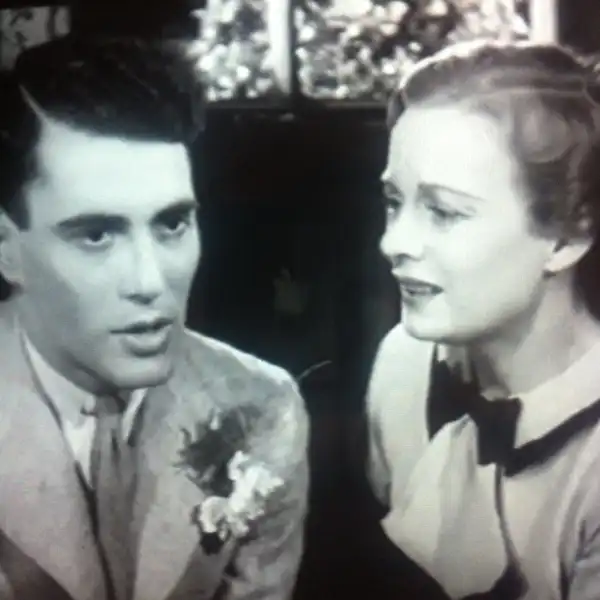
A definitive 6.4/10 rating for a film that redefined the boundaries of cult cinema. The Man Without a Face remains a cornerstone of transgressive art.
Look, if you enjoy those brisk 1930s thrillers that move faster than the actors can talk, you’ll probably have a decent time with The Man Without a Face. It’s not going to win any awards for deep character studies, and the plot holes are big enough to drive a steam engine through. If you’re a stickler for realism or tight, airtight scripts, you might find yourself rolling your eyes at how lucky our lead gets.
It’s the kind of flick that demands you just go along with it. If you start asking, "Wait, why didn't the police check that?" you're going to have a bad time. Just grab a snack and let the grainy 1935 tension wash over you.
We start with the classic "wrongly accused" trope. Bryan Herbert plays the guy who gets sentenced to death for a murder he didn't do. Naturally, there’s a train crash. Because in these old movies, if a character needs to escape, there’s always a convenient mechanical failure or a massive derailment waiting around the corner.
The swap happens in the middle of the wreckage. It’s pretty dark, and the lighting is—well, it’s 1935, so it’s basically just shadows and dust. He trades belongings with a guy who didn't make it, and suddenly he's a free man. Or, at least, he thinks he is. Things don't quite go to plan, which is the polite way of saying the movie starts making up new problems every ten minutes.
There’s this weird, frantic energy to the whole thing. Sometimes the dialogue is so fast it feels like they were worried the film reel was going to run out. I kept noticing the extras in the background—some of them look genuinely confused, like they wandered onto the set by mistake and were just told to look worried near the wreckage.
It’s nowhere near as polished as something like Mystery Liner, which at least had the budget to make the suspense feel a bit more grounded. This one feels like a stage play that someone decided to film on a Tuesday afternoon. There’s a specific shot of a character looking out a window that lingers for about three seconds too long. It’s not artistic. It’s just... awkward. I loved it.
The movie doesn't really try to be smart, and honestly, that’s its saving grace. It’s just a guy running from his own shadow while the world thinks he’s dead. Sometimes that’s enough. It’s not a masterpiece, but it’s a quick, gritty reminder that even in the 30s, people loved a good "wrong man on the run" story. 🚂
IMDb —
1915
Community
Log in to comment.