DbcultAccessing Vault...
Cult Review
Senior Film Conservator
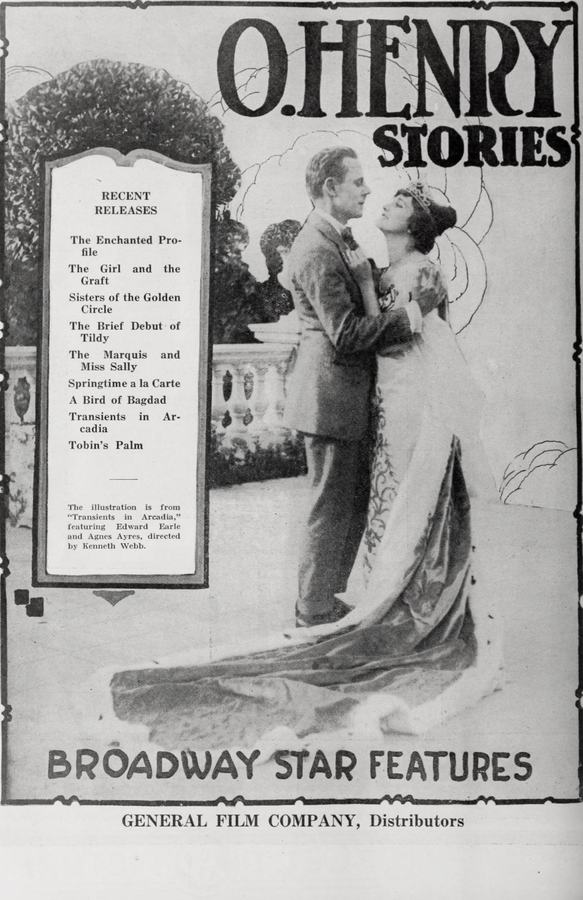
Ah, the early days of cinema! A time when stories, often adapted from popular literary works, flickered onto screens with a charming earnestness, striving to capture the imagination of a nascent audience. Among these cinematic gems, we find 'The Marquis and Miss Sally,' a film whose very title hints at a delightful juxtaposition of worlds – the aristocratic and the rugged, the formal and the free-spirited. This particular narrative, drawn from the ingenious mind of O. Henry, promises, and indeed delivers, a narrative rich with the kind of ironic twists and character-driven revelations that were his hallmark. It’s a testament to the enduring appeal of his storytelling that even a minimalist plot description can ignite such vivid mental imagery: a masquerading cowboy, a jesting title, and the unexpected truth that underpins it all. This isn't merely a film; it's a window into a specific era of storytelling, where character and circumstance conspire to create a tapestry of human folly, aspiration, and serendipity.
At the heart of 'The Marquis and Miss Sally' lies a protagonist whose very existence challenges the rigid gender constructs of her time: a young woman, portrayed with spirited conviction by Patricia Palmer, who brazenly assumes the identity of a cowboy. This isn't just a costume; it's a complete immersion into a persona, a daring act of performativity that speaks volumes about her character. In a period when women's roles were often confined to domesticity or strict societal expectations, Miss Sally's decision to ride the range, to embrace the rugged independence of the American West, is nothing short of revolutionary. Her masquerade isn't merely a plot device; it's a powerful statement on autonomy and self-determination. She doesn't just wear the garb of a cowboy; she embodies the spirit of the frontier, a place where identity could be forged anew, far from the stifling conventions of established society. This narrative choice, so central to O. Henry's original vision, allows the film to explore themes of gender fluidity and the inherent artifice of social roles long before such concepts became mainstream cinematic discourse. It forces us to question what constitutes 'authenticity' and whether our outward presentation truly reflects our inner essence. The very act of her donning a male persona suggests a desire for freedom, for a life unburdened by the prescriptive expectations placed upon women. It's a bold move that sets the stage for the narrative's subsequent twists, making her eventual romantic entanglement all the more intriguing.
Palmer's portrayal, even in the early, often melodramatic style of silent film acting, must convey this duality. She must be convincing as a cowboy, yet retain an underlying femininity that makes her eventual reveal impactful. This delicate balance is crucial for the audience to invest in her journey. The frontier setting itself serves as a perfect backdrop for such a character study. The West was, in many ways, a crucible for new identities, a place where individuals could escape their pasts and redefine themselves. For Miss Sally, it's not just a physical escape but a psychological liberation. Her cowboy guise is a shield, yes, but also a key, unlocking experiences and interactions that would otherwise be denied to her. This exploration of identity, particularly through masquerade, finds echoes in other films of the era that challenged perceptions, such as The Life Mask, which often delved into hidden identities and the unveiling of true selves. Or consider In the Shadow, where characters often operated under veils of secrecy, their true motives and identities obscured from plain view. These narrative parallels highlight a prevalent fascination in early cinema with the psychological depths of human deception and the drama inherent in revelation.
Then enters the male lead, the man upon whom Miss Sally's affections land, portrayed by Tex Allen. He is initially known by a jocular, almost whimsical appellation: 'the Marquis.' This title, bestowed in jest by his compatriots, likely a nod to some perceived refinement or perhaps a gentle mockery of his demeanor amidst the rugged backdrop of the West, sets up the central O. Henry twist. The beauty of this narrative device is its gradual unfolding, turning a casual nickname into a profound statement of lineage. The audience, much like Miss Sally, is led to believe this title is purely for amusement, a playful misnomer in a land where titles and aristocracy seemingly hold little sway. Tex Allen’s performance, therefore, must navigate this ambiguity, presenting a character who is both at home in the rough-and-tumble world of cowboys yet possesses an understated quality that makes the eventual revelation believable. He cannot be overtly aristocratic from the outset, lest the twist lose its punch; rather, his inherent nobility must be subtly woven into his interactions, his bearing, perhaps even his quiet dignity.
The moment of revelation, when it is discovered that he indeed holds a legitimate claim to this very aristocratic title, is where the film truly shines, transforming a simple frontier romance into a commentary on class, destiny, and the unexpected ways in which true identity can surface. This twist forces a re-evaluation of everything that came before. It elevates the character from a mere cowboy to a figure of legitimate societal standing, blurring the lines between the perceived rough equality of the West and the entrenched hierarchies of the Old World. It’s a masterful stroke of irony, demonstrating O. Henry’s genius for subverting expectations and finding profound truths in seemingly trivial circumstances. This narrative structure, where a character's true status is unveiled, resonates with films like Mr. Grex of Monte Carlo, which often explored the hidden lives of the elite and the dramatic unveiling of their secret identities or intentions. The inherent drama in discovering someone's true, often elevated, status after they have been living a seemingly ordinary life is a powerful storytelling engine. It compels us to reconsider our initial judgments and appreciate the layers of identity that people carry, sometimes unknowingly, sometimes deliberately concealed.
While the primary focus naturally falls on Miss Sally and the Marquis, the contributions of actors like William Berke and Bob Burns would have been instrumental in grounding the narrative in its frontier reality. In early cinema, supporting players often provided the crucial texture and authenticity to the setting, populating the world with believable characters who react to the central drama. Berke and Burns, likely playing fellow cowboys or townsfolk, would have been responsible for establishing the camaraderie, the humor, and perhaps even the skepticism that would have surrounded the 'Marquis' nickname. Their reactions to Miss Sally's masquerade and the subsequent revelation of the Marquis's true title would have provided important emotional benchmarks for the audience, reinforcing the narrative's impact. These characters, even if seemingly peripheral, are vital for creating a credible world within which the extraordinary events of the plot can unfold. They are the mirror reflecting the audience's own potential reactions, providing a sense of shared experience and incredulity.
The interplay between these characters, their colloquialisms and their frontier wisdom, would have painted a vivid picture of early 20th-century Western life. Their presence underscores the theme of community and how collective perception can shape individual identity, at least until an undeniable truth emerges. The film, through its ensemble, subtly explores how societal labels, whether jesting or formal, influence our interactions and expectations. The contrast between the rough-and-tumble environment and the refined implications of a noble title is a rich vein for thematic exploration. It speaks to the American melting pot, where old-world traditions and new-world aspirations constantly clashed and merged. This dynamic resonates with films such as A Nine O'Clock Town, which often depicted the societal fabric and inherent dramas within small communities, or Her Official Fathers, where questions of parentage and social standing were central to the narrative's tension. These comparisons highlight a shared cinematic interest in how individuals fit, or fail to fit, into the societal constructs around them, and how the truth of one's identity can often be a source of profound drama or quiet strength.
'The Marquis and Miss Sally' stands as a fascinating artifact of early cinema, a period characterized by rapid innovation in storytelling and visual language. While specific details about its direction or cinematography might be scarce today, the film's reliance on O. Henry's well-structured narrative speaks to the importance of strong source material in a time when cinematic conventions were still being established. The challenge for filmmakers then was to translate the nuanced characterizations and surprising plot twists of literature into a visual medium, often without the benefit of synchronized sound or sophisticated editing techniques. This required a particular kind of performance, often exaggerated for clarity, and a visual grammar that could convey complex emotions and revelations through gesture and expression. The very choice of an O. Henry story suggests a desire to offer audiences more than just spectacle; it points to an ambition to deliver narratives that were intellectually stimulating and emotionally resonant, even within the confines of a relatively nascent art form.
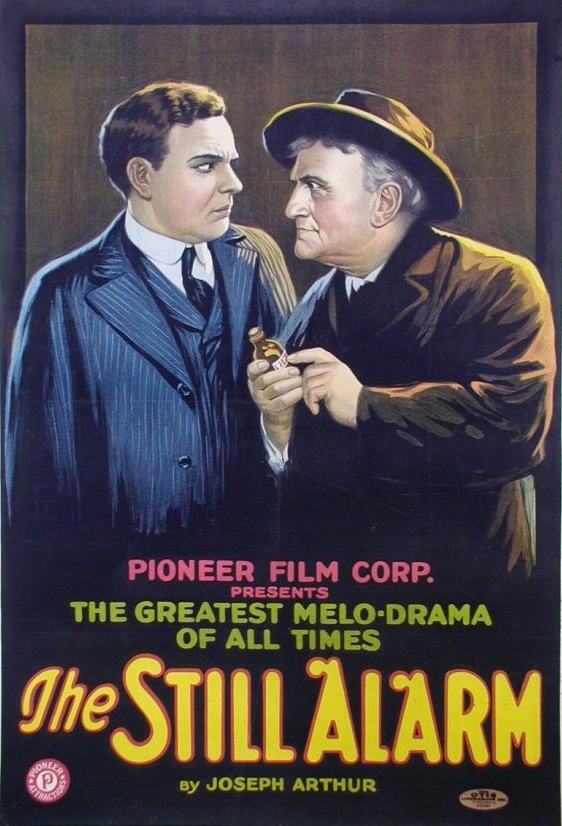
The film's exploration of identity and class is remarkably prescient. It delves into the fluidity of self in a way that continues to engage contemporary audiences, even if the specific social context has evolved. The idea that one's true status can be hidden, or that a chosen persona can be so convincing, taps into universal anxieties and desires. This theme of hidden identity, whether for protection or deception, was a recurring motif in early cinema, seen in films like The Dishonored Medal, where honor and reputation hinged on concealed truths, or The Coward, which explored the performativity of bravery and the eventual revelation of true character. The film also touches upon the perennial allure of romance across social divides, a trope that has captivated audiences for centuries. The union of a masquerading 'cowboy' and a hidden 'marquis' is intrinsically romantic, a testament to love's ability to transcend superficial barriers and discover inherent worth. This blend of social commentary, character study, and romantic entanglement ensures its enduring appeal, making it more than just a historical curiosity but a narrative that continues to provoke thought and delight.
O. Henry's influence on 'The Marquis and Miss Sally' is, of course, paramount. His signature twist endings, often revealing a profound irony or a sudden shift in perspective, are perfectly suited for cinematic adaptation. This film, by embracing that narrative structure, demonstrates an early understanding of how a well-crafted plot can elevate a simple story into something memorable. The surprise of the Marquis's true title is not just a cheap trick; it's a moment that forces the audience to re-evaluate every preceding scene, every interaction, and every assumption they've made about the characters. This kind of narrative dexterity is a hallmark of great storytelling, and its successful translation to the screen speaks volumes about the creative ambition of early filmmakers. It’s a powerful reminder that even in the nascent stages of an art form, story remains king. The film doesn't just present a plot; it invites the viewer into a game of perception, challenging them to look beyond the surface and anticipate the unexpected. This intellectual engagement is what elevates it beyond mere entertainment.
Furthermore, the film's central conceit—the idea that a person's true identity, whether concealed by choice or circumstance, will ultimately reveal itself—is a timeless theme. It suggests an inherent truth that cannot be permanently suppressed by social posturing or playful nicknames. Miss Sally's masquerade is a temporary venture, a means to an end, but her underlying femininity and spirit are constant. Similarly, the Marquis's noble lineage is an immutable fact, regardless of his chosen life in the American West. This interplay between outward appearance and inner truth is a profound philosophical inquiry, rendered accessible through compelling characters and an engaging plot. This search for underlying truth and identity is a common thread throughout cinematic history, mirrored in stories like Who Is Number One?, which built its entire premise on the mystery of identity, or even the more allegorical The Silent Master, where hidden influences shape destinies. 'The Marquis and Miss Sally' is, therefore, more than just a quaint historical film; it is a resonant exploration of identity, destiny, and the beautiful, often ironic, ways in which life unfolds, proving that a well-told story, regardless of its vintage, can continue to captivate and provoke thought for generations.
IMDb 5.7
1929
Community
Log in to comment.