DbcultAccessing Vault...
Cult Review
Senior Film Conservator
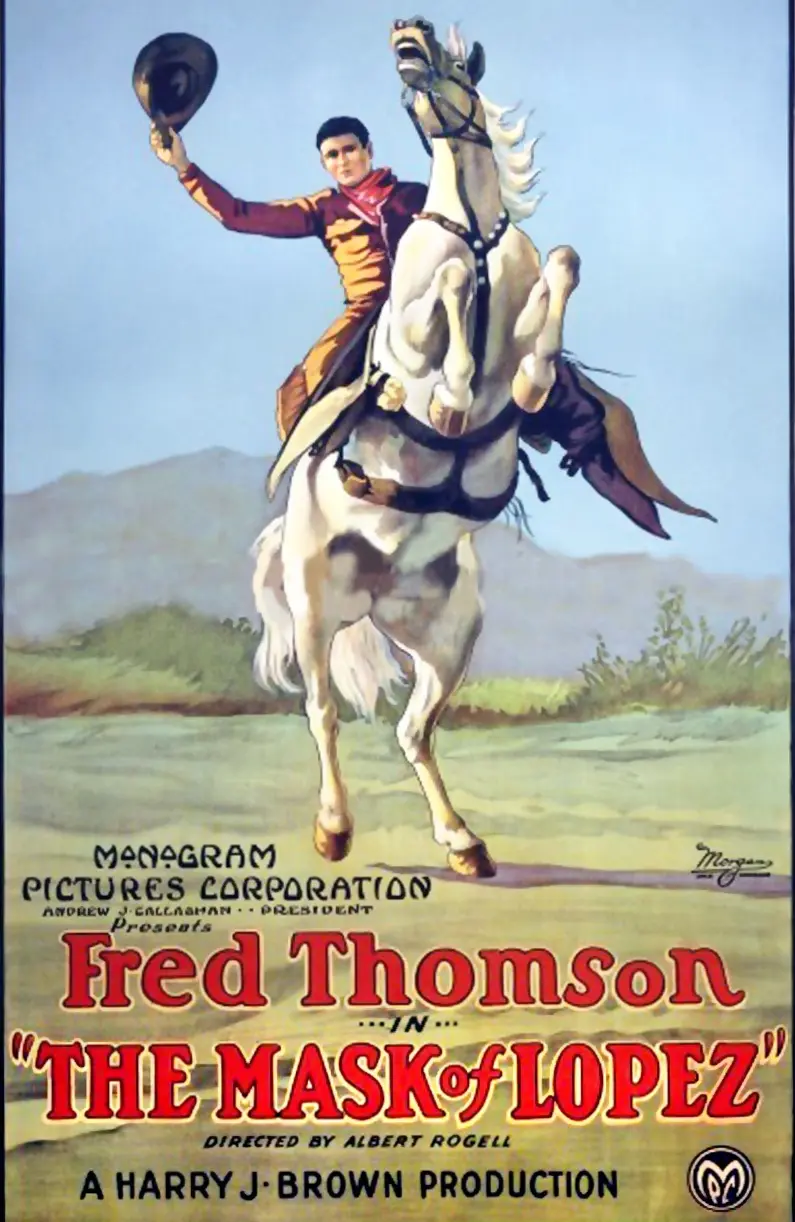
The Mask of Lopez is a silent film that exemplifies the genre's ability to weave intricate narratives through visual storytelling. Directed with a keen eye for detail, the movie immerses viewers in a tale of deception and redemption, set against the backdrop of a rural ranch.
Jack O'Neil, a man with a complex past, finds himself irresistibly drawn to Doris Hampton, the enigmatic and wealthy owner of a vast ranch. His pursuit of her leads him to an unexpected yet desperate decision: to adopt the persona of 'Angel Face' Harry, a notorious convict slated for release from prison with the intention of aiding in the ranch's operations. This masquerade serves a dual purpose, allowing O'Neil to investigate and combat the ongoing theft of cattle, a devastating issue afflicting the Hampton property.
The narrative unfolds with a delicate balance of suspense and romance. O'Neil's interactions with Doris are subtly charged, hinting at a deeper connection that transcends mere professional assistance. His relationship with Steve Gore, the ranch's foreman, is equally fraught with tension. Gore's involvement in the cattle theft is not only a plot device but also a metaphor for the corruption that can permeate even the most idyllic landscapes.
The film's visual aesthetics are a feast for the eyes. The quiet rural setting of the ranch is captured with a sense of longing and melancholy, reflecting the characters' inner worlds. The use of lighting and shadow is particularly effective in highlighting the moral ambiguities of the story. For instance, the contrast between the golden hues of the sun setting on the ranch and the dark crevices where Gore hides adds a layer of visual narrative to the unfolding drama.
The performances in 'The Mask of Lopez' are noteworthy. Gilbert Holmes, playing Jack O'Neil, brings a nuanced and compelling portrayal of a man torn between his past and his present desires. His ability to convey a range of emotions through facial expressions and body language is a testament to the silent film era's acting prowess. Bob Reeves as the duplicitous Steve Gore is equally impressive, his character a stark contrast to O'Neil's complexity, embodying the film's exploration of good and evil.
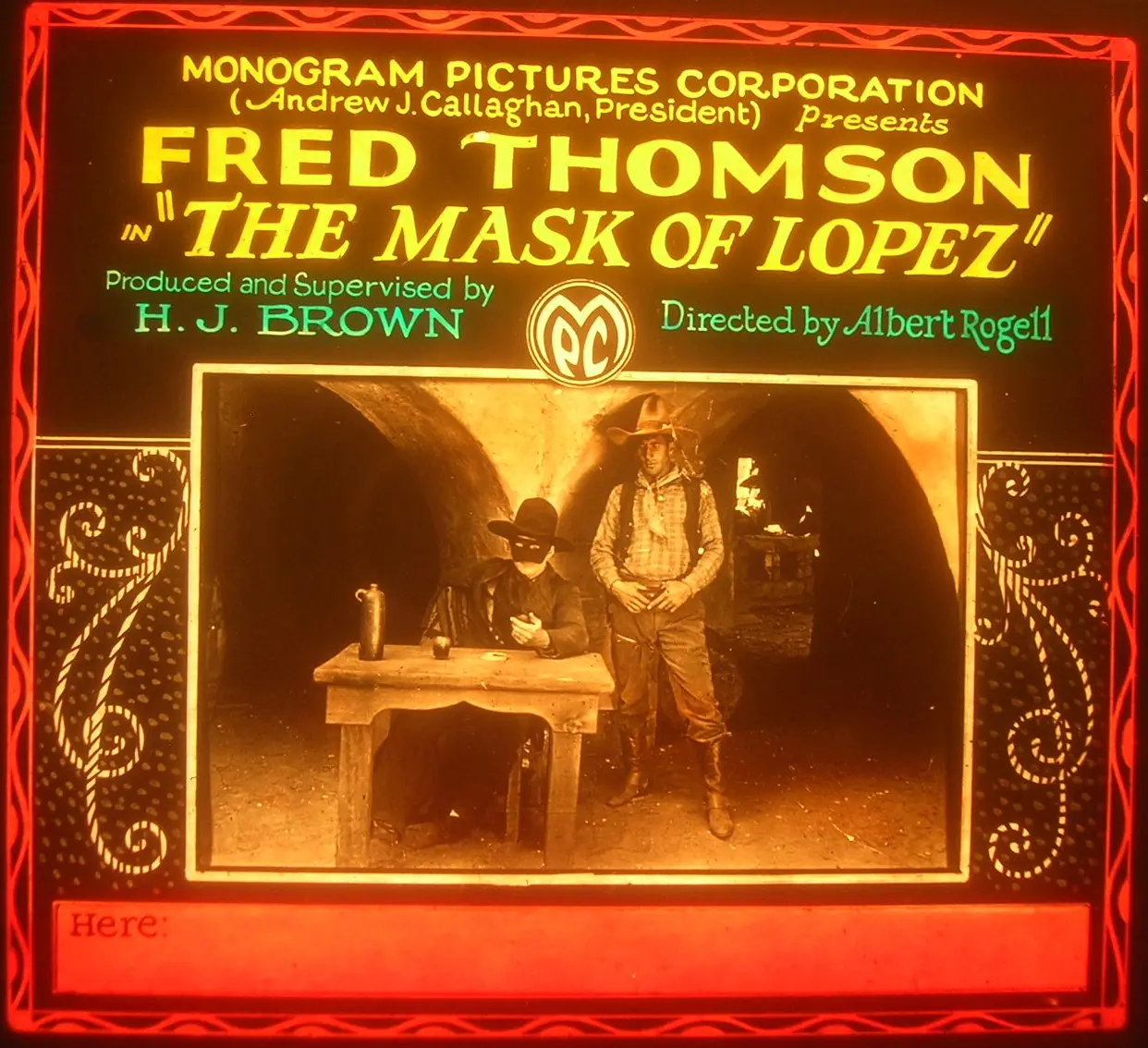
The supporting cast, including David Kirby and Hazel Keener, also shine in their roles, adding depth to the narrative. Their interactions with the protagonists and each other provide a rich tapestry of relationships that enrich the overall story. The role of Silver King the Horse, played by Fred Thomson, though not central, adds a charming element of authenticity to the ranch scenes, grounding the narrative in a tangible reality.
Comparatively, 'The Mask of Lopez' shares thematic and stylistic similarities with other films of the era, such as 'Snobs' and 'The Wood Nymph'. These films often explored the complexities of rural life and the duality of human nature, albeit with different settings and plots. However, 'The Mask of Lopez' stands out for its more intricate plot and its exploration of the consequences of deception, making it a standout piece in the genre.
Technically, the film is a remarkable achievement for its time. The editing, while relatively simple by modern standards, effectively drives the narrative forward. The use of cross-cutting between O'Neil's investigation and Gore's evasion adds a sense of urgency and suspense to the proceedings. The camera work, while basic, captures the essence of the characters and their surroundings with a clarity that enhances the story's impact.
One might draw parallels between 'The Mask of Lopez' and contemporary films that delve into themes of identity and morality, albeit with a much greater budget and advanced technology. For instance, films like 'The Silence of the Lambs' (1991) or 'Inception' (2010) explore complex psychological and moral landscapes, though with a far greater cinematic scope. 'The Mask of Lopez', in its own way, captures the essence of moral ambiguity and the human struggle with identity, making it a timeless piece of cinema.
The film's conclusion, while satisfying, leaves room for interpretation. The dramatic confrontation between O'Neil and Gore is a testament to the film's ability to build tension and release it in a satisfying manner. The resolution, however, hints at a larger narrative arc, suggesting that the story might have continued beyond the confines of this single film.
In conclusion, 'The Mask of Lopez' is a masterclass in silent film storytelling. Its intricate plot, nuanced performances, and visual storytelling make it a must-see for film enthusiasts and history buffs alike. While it may not be a household name, it is a significant entry in the silent film canon, offering a compelling glimpse into a bygone era of cinema.

IMDb 6.2
1924
Community
Log in to comment.