DbcultAccessing Vault...
6.9/10
Senior Film Conservator
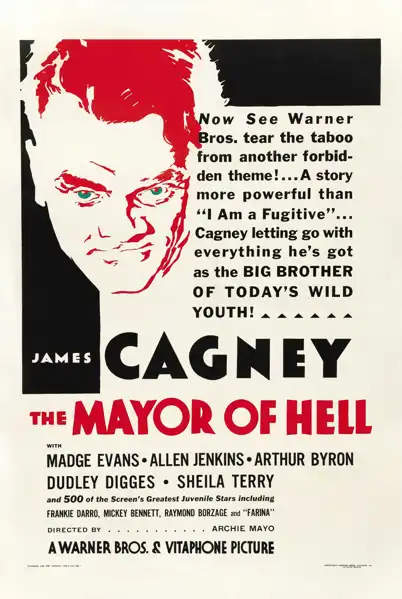
A definitive 6.9/10 rating for a film that redefined the boundaries of cult cinema. The Mayor of Hell remains a cornerstone of transgressive art.
If you have a thing for pre-code grittiness or just want to see James Cagney do his thing without the usual gangster fireworks, then absolutely. It's a quick watch. If you hate movies where the moral compass shifts on a dime or the ending feels like it was tacked on in a panic, you might want to skip it.
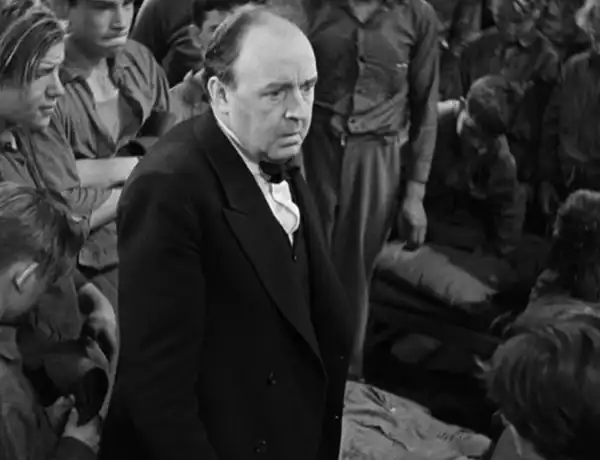
There's this moment near the start where you realize the school is essentially a torture chamber. It’s not subtle. The warden, played with this delightful, slimy arrogance by Dudley Digges, treats the boys like cattle. It’s genuinely uncomfortable to watch.
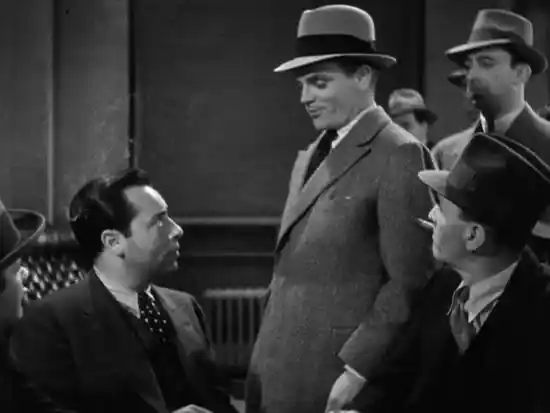
Cagney enters the picture as a political appointee. He’s supposed to be a placeholder, just a guy collecting a check. But then he meets the kids. He’s not playing a saint, mind you. He’s playing a guy who recognizes a tough break when he sees one. The way he talks to the boys—it feels honest, in that sharp, rapid-fire way only he could pull off.
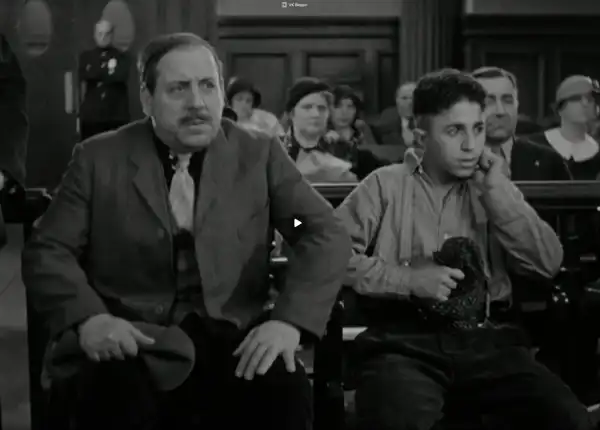
The pacing is a bit of a train wreck. One second we're in the thick of a legislative meeting, the next we're watching a riot in a cafeteria. It jumps around like it’s trying to catch a bus. I didn't mind it, honestly. It keeps you on your toes even if the seams are showing.

I couldn't help but think about how The Hard Guy handled similar themes of redemption, though this one feels much more desperate. There's a raw, unpolished energy here that you just don't get in later studio productions.
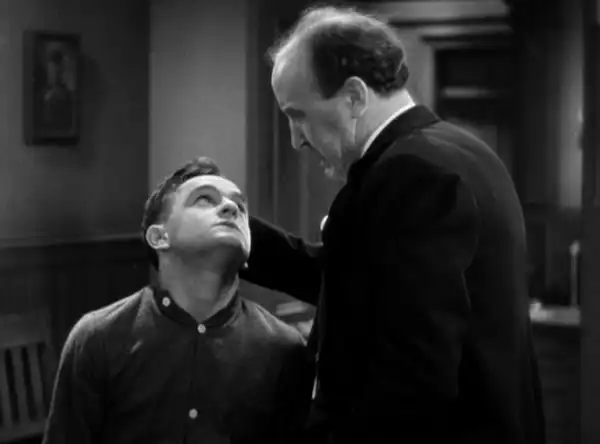
The middle act sags, really. There’s a stretch where they try to establish a 'self-governing' system among the boys. It feels a little too convenient. Like, oh, now everything is fixed because they have a flag and a rulebook? Yeah, right. It’s almost funny how quickly the movie tries to convince you this utopian experiment is working.
But then, things go south. And when they do, the movie finds its pulse again. The tension in the final scenes feels real. It’s not just actors hitting marks; it’s a genuine scramble.
I’m still thinking about that one kid, the one who doesn't talk much but just stares at the camera. He’s got more screen presence than half the adult cast. Sometimes, a movie is just a series of little moments like that—a look, a pause, a slammed door—that stick with you long after the credits roll.
It’s an imperfect piece of work. It’s loud, it’s sentimental, and it’s a bit of a mess. But it’s got grit. And sometimes, that’s plenty. 🚬
IMDb —
1923
Community
Log in to comment.