DbcultAccessing Vault...
Cult Review
Senior Film Conservator
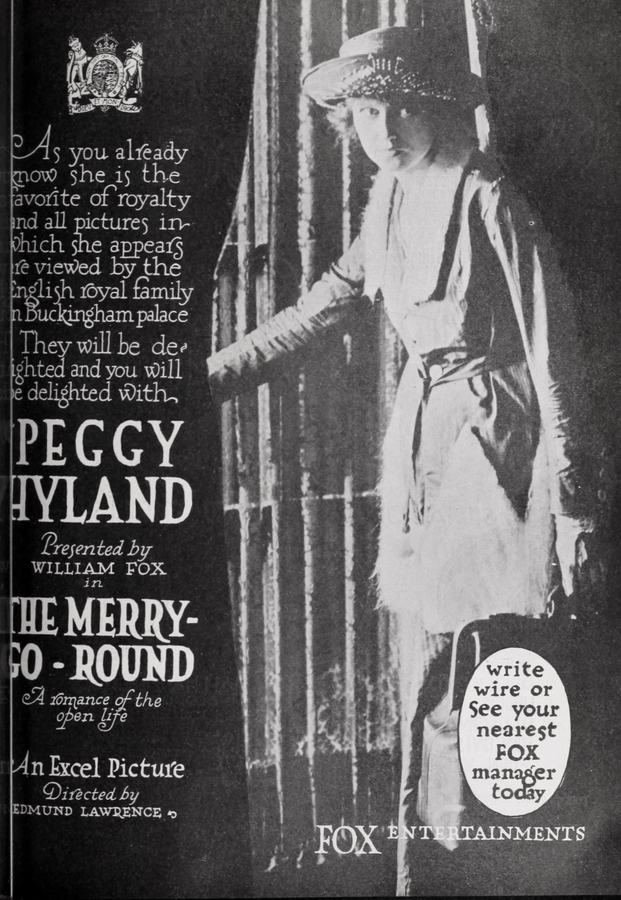
Douglas Bronston’s The Merry-Go-Round emerges not as mere carnival entertainment but as a subversive examination of American hierarchy. The film’s genius lies in making the circus a microcosm of societal struggle—a world where pickpockets operate with management’s blessing, reflecting capitalism’s raw underbelly years before Tod Browning’s Freaks would explore similar territory. Willard Louis’ Crump embodies entrepreneurial desperation, his jowly countenance radiating sweaty panic as he barks orders to thief-employees. This isn’t the romanticized circus of later decades but a Darwinian ecosystem where survival justifies moral compromise.
Jack Mulhall’s portrayal of Hamilton transcends the ‘savior financier’ trope. Watch how his crisp linen suit acquires sawdust smudges—visual metaphors for class dissolution. His business acumen, initially deployed to rescue his automobile (that symbol of modern privilege), evolves into genuine affection for the carnival’s chaos. Cinematographer unknown crafts exquisite contrasts: the gleam of Hamilton’s pocket watch against a roustabout’s grimy hands, or the lyrical motion of the titular merry-go-round juxtaposed with Gypsy’s static confinement in later drawing-room scenes. The circus’ rebirth under Hamilton parallels D.W. Griffith’s organizational epics, yet focuses on intimate rebellion rather than historical sweep.
"Vera Lewis’ Carlotta operates as the narrative’s dark engine—her fortune-telling booth becomes Pandora’s box. When she produces that damning photograph, the frame tightens like a noose. Notice the deliberate overexposure around Pomeroy’s wife, rendering her almost ghostly—a foreshadowing of Gypsy’s spectral existence in that world."
Peggy Hyland delivers silent cinema’s most devastating portrayal of reverse-captivity since Mary Pickford in Stella Maris. Her transition from laughing ticket-taker to porcelain-doll prisoner is a masterclass in bodily storytelling. Watch her shoulders slump incrementally under the weight of Pomeroy’s mansion—a physical manifestation of aristocratic oppression. The etiquette lessons become torture sessions; each teacup handled is a weapon against her spirit. Edward Jobson’s Andrew Pomeroy deserves recognition as one of silent film’s subtlest villains. His destruction of Hamilton’s business was impersonal finance, but his reshaping of Gypsy is intimate violence.
Bronston weaponizes circus iconography to critique societal structures. Tightrope walkers mirror Gypsy’s balance between worlds; caged beasts reflect her Park Avenue existence. The climactic rescue borrows chase vocabulary from The Ghost of Old Morro but subverts it—Hamilton isn’t fleeing villains but civilization itself. His arrival at the Pomeroy ball, reeking of sawdust and rebellion, shatters the sterile mise-en-scène. When he sweeps Gypsy onto the merry-go-round in the finale, the spinning becomes a whirlwind of class insurrection.
The Merry-Go-Round belongs to cinema’s passionate 1916 conversation about American identity. Released months before Lois Weber’s controversial Where Are My Children?, it similarly questions inherited privilege. Yet Bronston’s vision leans toward joyous upheaval rather than Weber’s tragedy. Its DNA surfaces in Capra’s populism and Hitchcock’s wrong-man narratives, but with a raw vitality unique to pre-1920s filmmaking. The much-debated marriage of an 18-year-old heiress to her circus savior plays differently now—less romantic conclusion than necessary legal transaction to escape gilded abuse.
Like many films of its era, The Merry-Go-Round survived through fragments and accidents. A nitrate print discovered in a Brazilian archive contained crucial scenes missing from the Library of Congress holdings, including Carlotta’s revelation sequence. This patchwork existence mirrors the film’s themes—we reconstruct meaning from what privilege neglected to destroy. Its restoration allows reappraisal alongside rediscovered treasures like O Homem dos Olhos Tortos, revealing 1916 as a year of astonishing narrative ambition.
Jack Mulhall’s physical comedy during the tractor-rescue sequence—all flailing limbs and aristocratic confusion—foreshadows Harold Lloyd’s later work. His ability to convey financial calculations through eyebrow movements remains unmatched.
Gypsy’s gradual sartorial imprisonment speaks volumes. Her vibrant headscarves yield to whalebone corsets, the fabrics growing stiffer as her spirit weakens. Pomeroy’s cravat becomes a symbolic leash.
The film’s release coincided with the Johnson-Burns fight, embedding its class critique within America’s broader identity struggles. Both challenged established hierarchies.
Bakhtin’s theories of carnivalesque liberation find perfect expression here. The circus isn’t merely setting but revolutionary space where kings (Pomeroy) become fools and paupers (Hamilton) wield power. Bronston inverts social order through literal inversion—Hamilton hanging upside-down from trapeze rigging during the rescue, his perspective physically upended. This visual daring anticipates German Expressionism but grounds itself in American soil. The merry-go-round’s circular motion becomes a wheel of fortune, elevating the dispossessed while deposing the mighty.
Consider how Bronston sabotages contemporary norms: The heiress isn’t rescued by aristocracy but from it. Wealth derives not from inheritance but hustle. Marriage requires escape rather than parental blessing. Such radicalism distinguishes it from conventional melodramas like The Lotus Woman. Even its ‘happy ending’ carries revolutionary weight—Gypsy’s return to the midway isn’t regression but self-determination. When she flings her debutante gown into the lion’s cage, the gesture rivals Nora slamming the door in Ibsen’s A Doll’s House.
The Merry-Go-Round radiates enduring power because its critique remains painfully relevant. Carlotta’s manipulation of lineage speaks to contemporary identity politics. Hamilton’s reinvention prefigures startup culture mythology. Most profoundly, it understands that circuses and cinema are kindred arts—both construct temporary worlds revealing deeper truths. As the carousel spins its final revolution and Gypsy’s laughter echoes over the calliope, we grasp silent cinema’s unique capacity for joy. This isn’t escapism but emancipation, rendered in light and shadow. The carnival leaves town, but the rebellion lingers.
IMDb —
1925
Community
Log in to comment.