DbcultAccessing Vault...
6/10
Senior Film Conservator
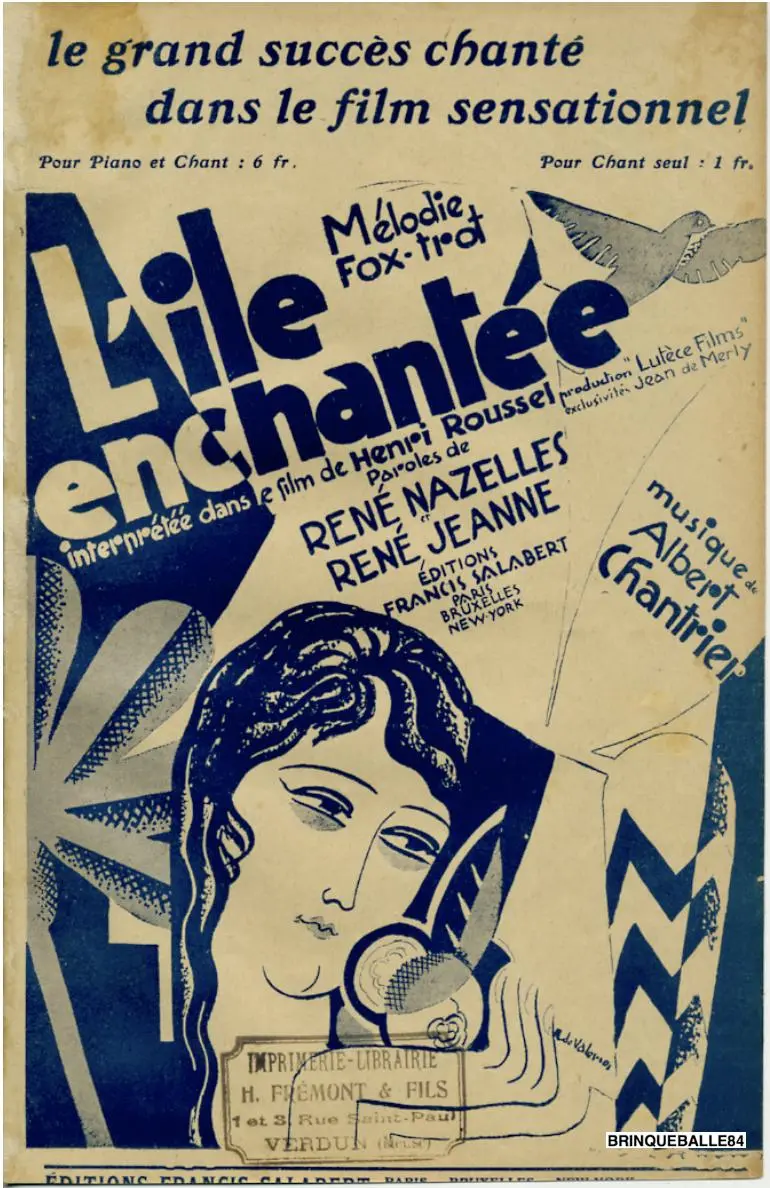
A definitive 6/10 rating for a film that redefined the boundaries of cult cinema. L'île enchantée remains a cornerstone of transgressive art.
Is L'île enchantée worth watching today? Short answer: yes, but with significant caveats. This early cinematic endeavor, while undeniably a product of its time, offers a fascinating glimpse into the nascent art of storytelling on screen, particularly for those with an appreciation for historical cinema and pioneering adventure narratives. It's a film that demands patience and a willingness to engage with a different pace and style of filmmaking.
This film is unequivocally for cinephiles, historians of early cinema, and those who cherish the romantic, often melodramatic, sensibilities of vintage French productions. It is emphatically NOT for viewers seeking modern pacing, high-definition spectacle, or complex character psychology. Approach it as an archaeological dig into film history, and you might unearth some unexpected gems.
The ambition behind L'île enchantée, even decades removed from its premiere, is palpable. It attempts to weave a grand tapestry of adventure, romance, and mystery, a narrative scope that was challenging to execute with the technological limitations of its era. Director Henry Roussel clearly envisioned something epic, something that would transport audiences to a world beyond their everyday lives, a common goal for filmmakers then, just as it is now.
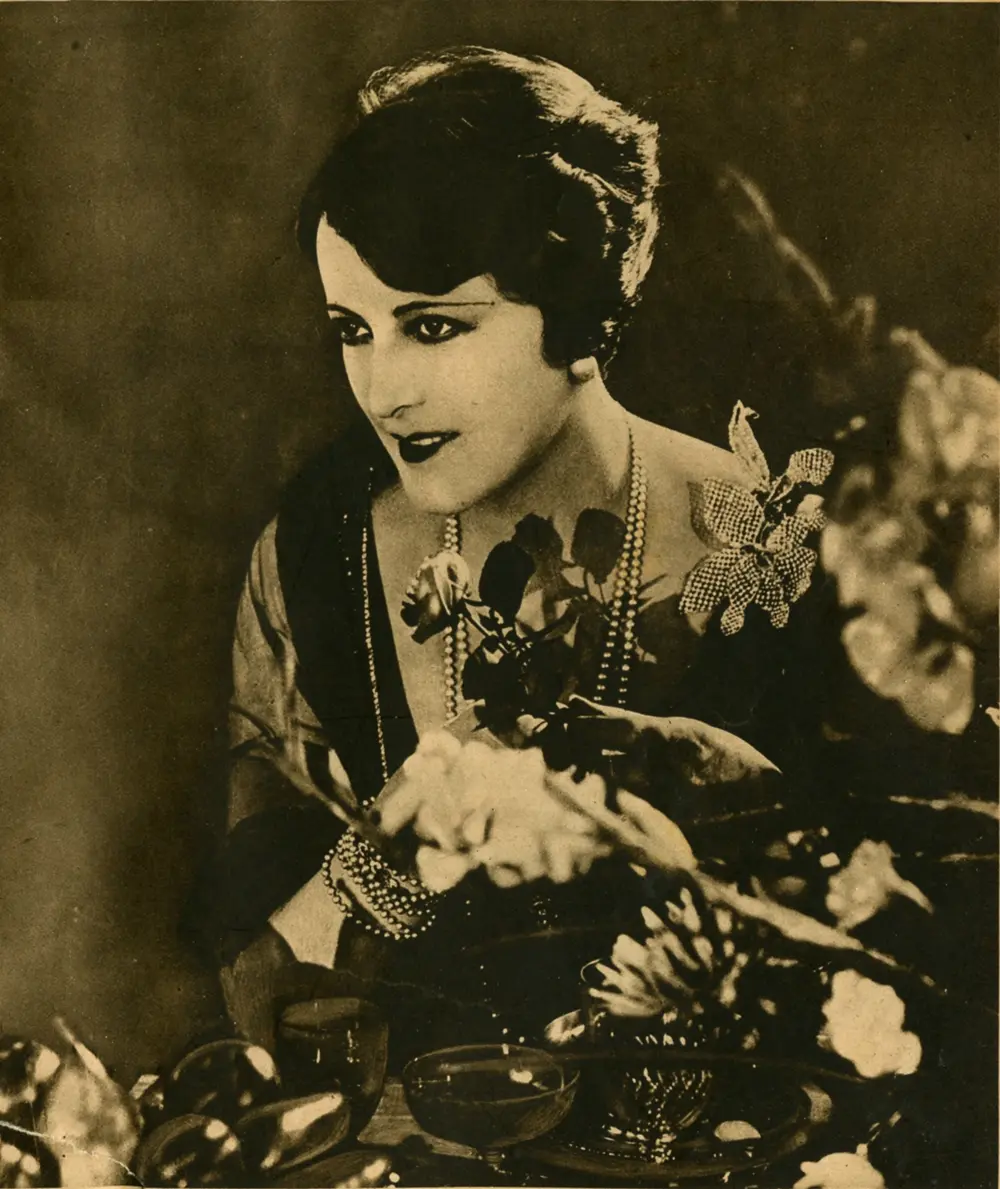
The story, centered on a disillusioned cartographer's quest for a mythical island, provides a sturdy, if somewhat conventional, framework for exploration and personal transformation. It taps into universal themes that resonate regardless of the period: the search for meaning, the battle against greed, and the allure of the unknown. These are the foundational blocks upon which many great adventures are built, and L'île enchantée lays them out with earnest conviction.
The performances in L'île enchantée are, by necessity, broad strokes of emotion. In an era where dialogue was sparse or entirely absent, actors relied heavily on exaggerated gestures, facial expressions, and physical presence to convey inner turmoil, joy, or menace. Gaston Jacquet, as the haunted Armand Dubois, embodies the world-weary explorer with a stoic intensity. His eyes, in particular, carry the weight of his character's past, communicating more effectively than any dialogue could at times.
There's a scene where Dubois first beholds the ancient map, and Jacquet's subtle shift from resignation to a flicker of desperate hope is genuinely affecting. It's not a nuanced performance by today's metrics, but it is undeniably powerful in its own context. Renée Héribel, as the enigmatic Elara, brings a graceful strength to her role. Her portrayal avoids the typical damsel-in-distress trope, instead imbuing Elara with an agency that feels surprisingly modern. Her quiet defiance in a pivotal confrontation with Captain Moreau is a standout moment, a testament to her commanding presence.
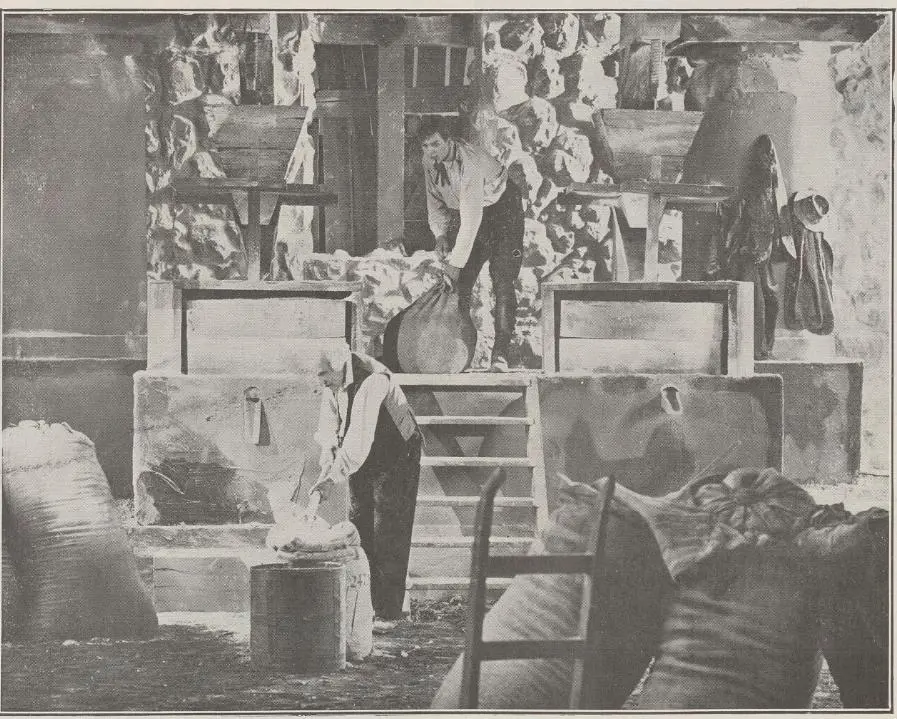
Amleto Palermi, as the villainous Captain Moreau, revels in his role. His performance is a masterclass in early cinematic villainy – all sneering contempt and avaricious glares. While his character lacks the psychological depth we expect from antagonists today, Palermi fully commits, making Moreau a truly formidable, if somewhat archetypal, foe. One might argue his performance borders on caricature, yet it perfectly serves the film's melodramatic tone, ensuring the audience knows exactly who to root against.
Henry Roussel's direction, while constrained by the technology of the time, demonstrates a clear vision for the film's aesthetic. He utilizes the camera to establish scale and atmosphere, particularly in the scenes depicting the vastness of the ocean and the exoticism of the island. There are moments of genuine visual poetry, such as the sweeping shots of the ship cutting through turbulent waters, or the initial reveal of the island shrouded in mist.
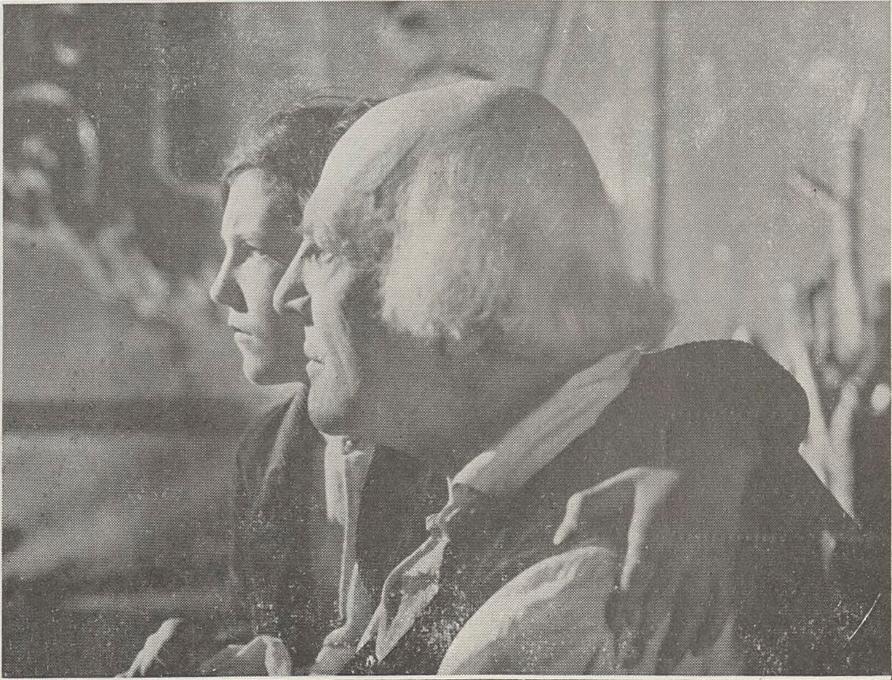
The pacing of L'île enchantée is perhaps its most challenging aspect for contemporary viewers. It unfolds at a deliberate, almost meditative, speed. Plot points are introduced gradually, character motivations are revealed through extended sequences of visual storytelling rather than rapid-fire dialogue, and the sense of anticipation is built slowly. This measured approach can feel sluggish to an audience accustomed to the brisk editing and constant narrative propulsion of modern blockbusters.
However, this slow burn allows for a deeper immersion into the film's tone. It fosters a sense of myth and legend, giving the "enchanted island" a truly mystical aura. The tone oscillates between grand adventure and poignant melodrama, often veering into heightened emotional states typical of early cinema. There are moments of genuine tension, particularly during the confrontations between Dubois and Moreau, but these are often punctuated by extended periods of atmosphere-building or character reaction.
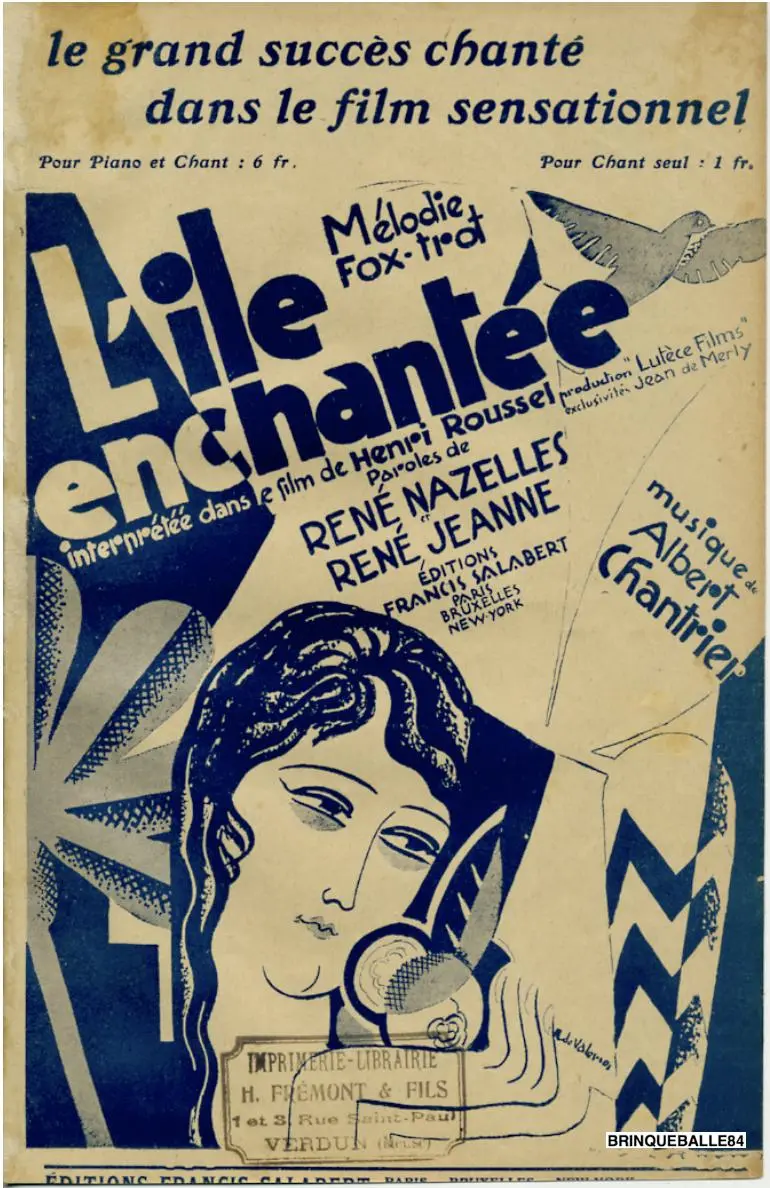
Compared to the urgency seen in something like Downfall, the narrative drive here is more akin to a slow river than a rushing torrent. This isn't necessarily a flaw, but a stylistic choice reflective of its production era. It works. But it’s flawed. The film's insistence on long takes and minimal cuts means that every gesture, every expression, is given ample time to register, sometimes to the point of exhaustion.
At its core, L'île enchantée is a fable about human nature. Dubois represents the yearning for redemption and a fresh start, a desire to outrun one's past and find solace in the unknown. Elara, with her mysterious connection to the island, embodies a more spiritual or primal understanding of its power, perhaps a guardian of its secrets. Moreau, conversely, is the embodiment of pure, unadulterated greed, viewing nature solely as a resource to be exploited.
The island itself functions as a powerful thematic device: a blank slate onto which these characters project their deepest desires and fears. It's a place of both profound beauty and terrifying danger, mirroring the duality within the human heart. The film subtly explores the idea that true enchantment isn't found in external treasures, but in the choices we make and the transformations we undergo in pursuit of them.
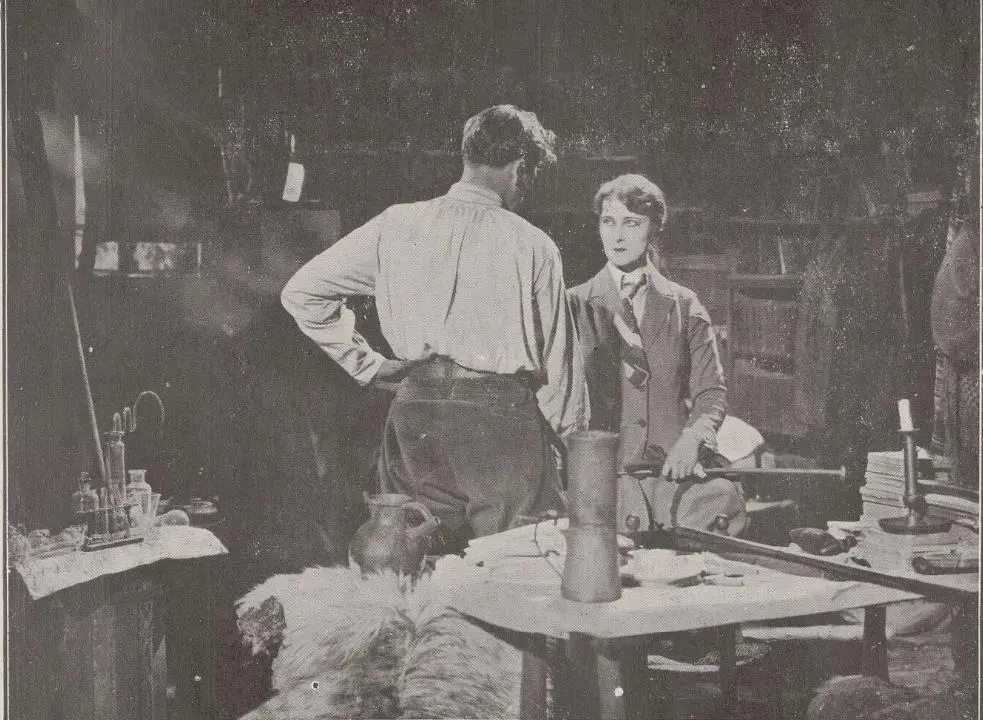
While the thematic exploration isn't as layered as in later, more psychologically complex films, its clarity and directness are part of its charm. It speaks to fundamental human experiences in a way that remains accessible, even if the cinematic language has evolved dramatically since its release. The film suggests that the 'enchantment' isn't just external, but an internal state achieved through struggle and self-discovery. This is a powerful, if somewhat simplistic, message for any era.
Absolutely, but with a specific mindset. L'île enchantée is not a casual watch for a Friday night. It's an experience best approached by those who genuinely appreciate film history and are willing to engage with the cinematic conventions of a bygone era. For students of film, it offers invaluable insights into early narrative structure, performance styles, and visual storytelling techniques. For others, it might prove a challenging, even frustrating, viewing due to its deliberate pace and what might be perceived as over-the-top acting.
To truly appreciate L'île enchantée, one must shed modern expectations and embrace its historical context. It's a foundational text, not a contemporary blockbuster.
It's a foundational piece, demonstrating the nascent power of cinema to transport and enthrall. It reminds us that the core elements of storytelling – conflict, desire, and resolution – have remained constant, even as the means of their expression have changed dramatically. If you've enjoyed other early adventure films, such as Le capitaine Rascasse, you will likely find something to admire here.
L'île enchantée is more than just a forgotten relic; it is a fascinating, if imperfect, window into early cinematic artistry. It’s a film that bravely sails into the unknown, much like its protagonist, charting a course for future adventures. While its slow pace and broad performances might deter some, its historical value and the earnestness of its storytelling are undeniable. It doesn't quite reach the heights of a forgotten masterpiece, but it holds a significant place in the tapestry of film history. It is a film that rewards patience and curiosity, offering a unique perspective on how the foundational elements of cinema were first explored. Seek it out if you dare to embark on a journey back in time, and you might just find yourself, well, enchanted.
IMDb —
1919
Community
Log in to comment.