DbcultAccessing Vault...
7.2/10
Senior Film Conservator
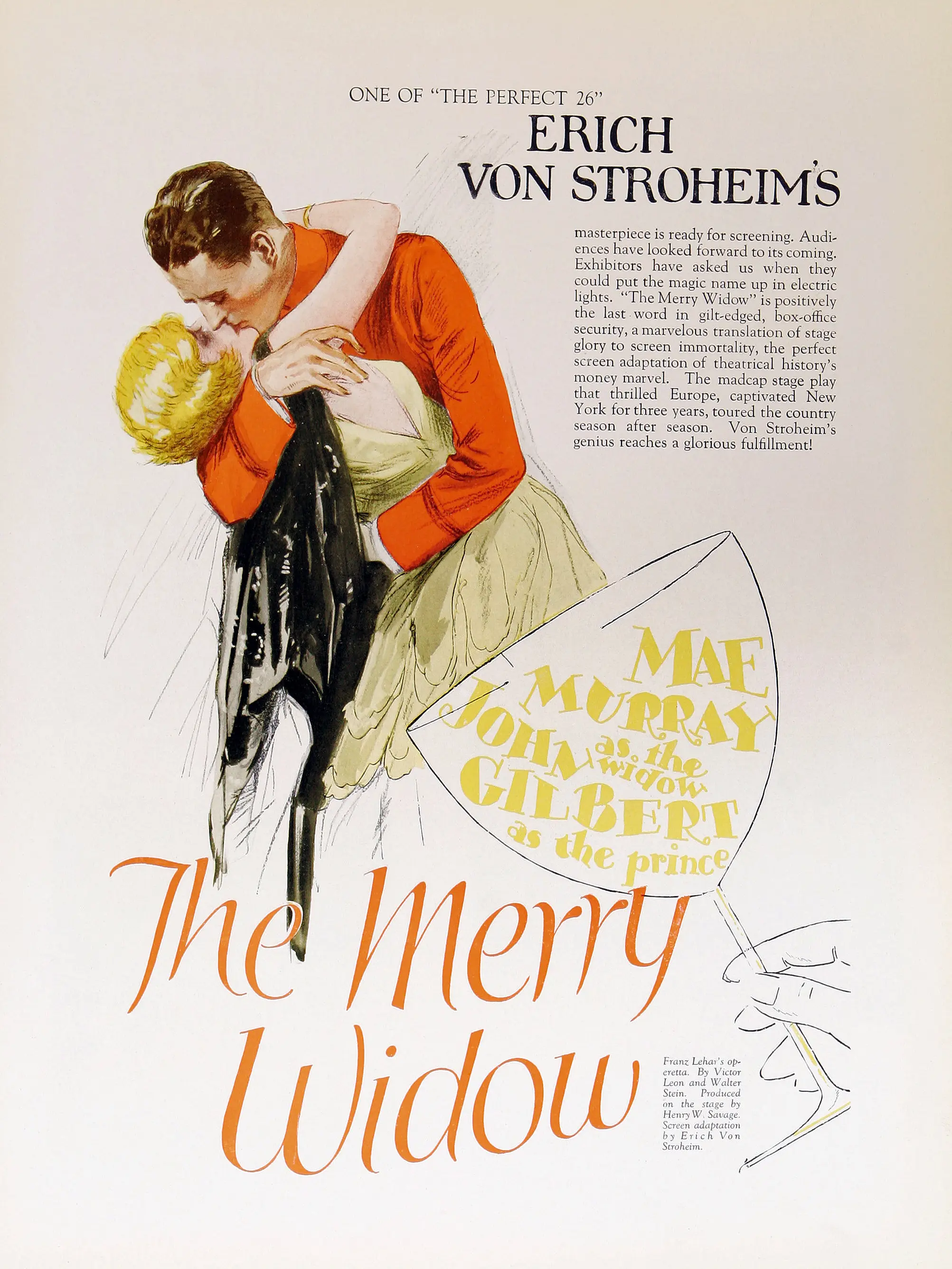
A definitive 7.2/10 rating for a film that redefined the boundaries of cult cinema. The Merry Widow remains a cornerstone of transgressive art.
Erich von Stroheim’s 1925 cinematic spectacle, The Merry Widow, remains a fascinating artifact from the golden age of silent film, a testament to an era of unbridled artistic ambition and meticulous craftsmanship. It's a film that encapsulates the director's notorious penchant for opulent excess, psychological realism, and a deeply cynical gaze at the moral decay lurking beneath aristocratic veneers. This isn't merely a romantic comedy; it's a grand, sprawling melodrama that uses the seemingly lighthearted premise of a prince wooing a wealthy commoner as a vehicle to explore themes of class, duty, desire, and the chilling grip of economic necessity. Stripping away the musical’s more buoyant elements, Stroheim crafts a narrative that feels both sumptuously escapist and brutally grounded in the desperate realities of a fictional European principality, Monteblanco, teetering on the brink of financial collapse.
The central conceit is deliciously Machiavellian: Prince Danilo (John Gilbert), a charming but feckless royal, is tasked by his desperate monarch to secure the vast fortune of the newly widowed American dancer, Sally O'Hara (Mae Murray). The catch? Sally is the very woman Danilo once loved and abandoned due to the insurmountable pressures of his royal station. The kingdom's survival hinges on her money remaining within its borders, a stark illustration of how personal affections can be brutally subjugated to national interests. Stroheim’s genius lies in his ability to imbue this seemingly farcical predicament with genuine emotional weight and a palpable sense of impending doom. The stakes are profoundly personal for Danilo and Sally, yet they are inextricably tied to the fate of an entire nation. It’s a delicate balance that few directors could manage, let alone in the silent era.
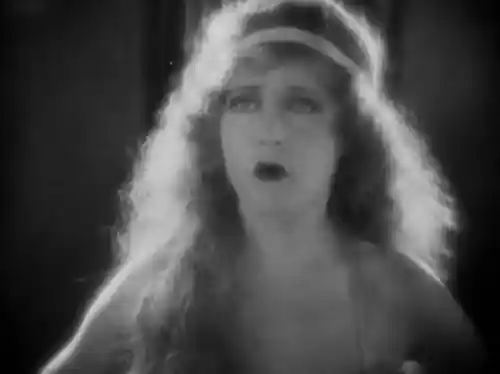
Mae Murray, with her distinctive 'bee-stung' lips and vivacious screen presence, is perfectly cast as Sally. She embodies the character's journey from a spirited, albeit somewhat naive, dancer to a woman hardened by experience and empowered by immense wealth. Her performance is a masterclass in silent film acting, conveying a complex range of emotions – initial joy, profound heartbreak, simmering resentment, and ultimately, a rekindled, albeit wary, affection – often with just a glance or a subtle shift in posture. She carries the film's emotional core, making Sally's transformation from a Parisian cabaret star to the most sought-after widow in Europe utterly believable and deeply sympathetic. Her moments of defiance against the snobbery of the aristocracy are particularly satisfying, showcasing a nascent feminism that resonates even today.
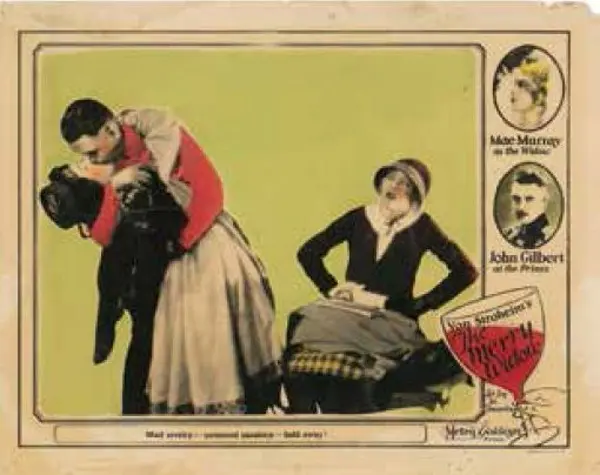
John Gilbert, a towering figure of silent cinema, brings a captivating blend of charm, melancholy, and internal conflict to Prince Danilo. He is not merely a dashing suitor; Gilbert portrays a man burdened by duty, haunted by past mistakes, and genuinely torn between his aristocratic obligations and a love he foolishly cast aside. His chemistry with Murray is undeniable, crackling with a tension born of shared history and unresolved feelings. Their scenes together are electric, a testament to their individual star power and their collective ability to communicate volumes without uttering a single word. Gilbert’s Danilo is a tragic figure, a prince trapped by his birthright, forced to navigate a treacherous path where personal happiness is secondary to political expediency. One might draw a parallel to the constrained romances seen in films like The Love Letter, but here, the national economic crisis adds an entirely different layer of desperation and gravitas.
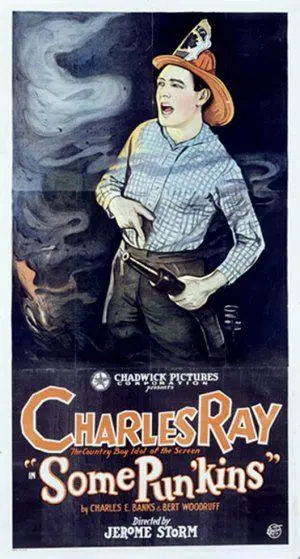
Stroheim’s directorial vision is, as always, meticulously detailed and breathtakingly lavish. The sets, designed by Richard Day and Cedric Gibbons, are a character unto themselves, depicting a world of almost suffocating grandeur. From the opulent ballrooms of Monteblanco to the intimate, yet equally extravagant, Parisian apartments, every frame screams of a bygone era of aristocratic excess. The costumes, too, are exquisite, reflecting the characters' social standing and emotional states. This visual splendor, however, is never merely decorative; it serves to underscore the superficiality and moral emptiness that Stroheim so often critiqued in high society. The glittering surfaces often conceal a festering core of corruption and desperation. It’s a stark contrast to the rougher, more survival-driven narratives often found in adventure films of the era, such as The Lone Star Ranger, where the focus is on raw grit rather than gilded cages.
The supporting cast, while extensive, largely serves to populate Stroheim’s meticulously crafted world of decadence. Roy D'Arcy as Prince Mirko, Danilo's rival and a more overtly villainous figure, provides a crucial counterpoint to Gilbert's nuanced portrayal. Even minor characters, like the various courtiers and socialites, are rendered with a degree of specificity that adds to the film's rich tapestry. The film is a masterclass in ensemble storytelling, with each character, no matter how small, contributing to the overall atmosphere of intrigue and moral ambiguity. The inclusion of figures like Joan Crawford in a minor role, early in her career, offers a fascinating glimpse into the nascent stardom of future Hollywood legends, further cementing the film's place in cinematic history.
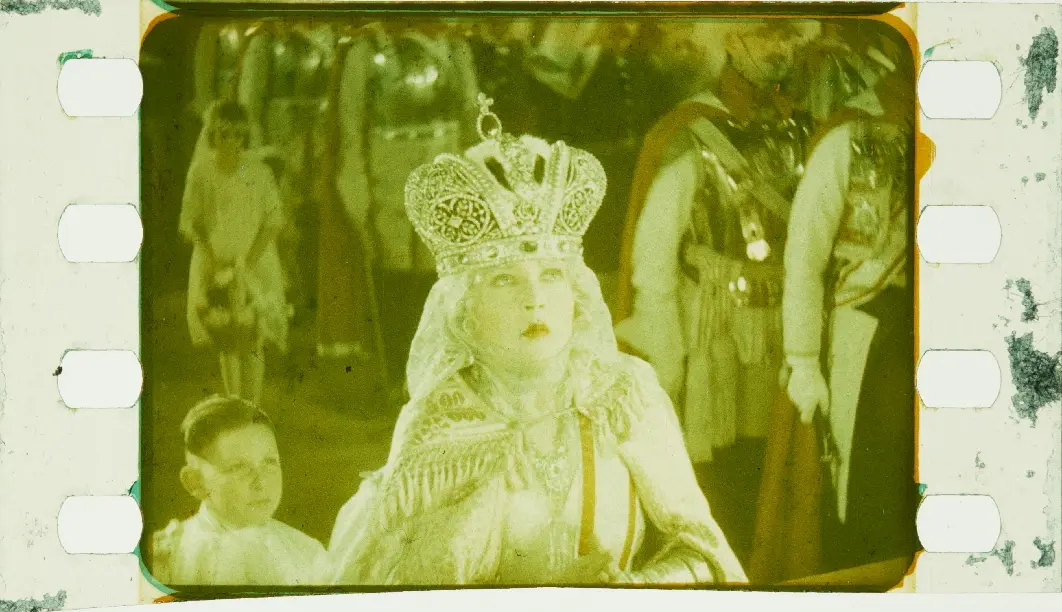
What truly elevates The Merry Widow beyond a simple period romance is Stroheim’s unflinching exploration of its darker undercurrents. The film doesn't shy away from depicting the hypocrisy of the aristocracy, their casual cruelty, and their desperate scramble to maintain power and privilege. The economic crisis is not just a plot device; it's a palpable threat that casts a long shadow over every lavish ball and whispered conversation. This sense of impending doom, of a society clinging precariously to its last vestiges of glory, adds a layer of depth that is both poignant and prescient. One can see echoes of this societal anxiety in films like Dangerous Days, but Stroheim’s lens is uniquely focused on the internal rot of the elite rather than external conflict.
The film’s notorious production history, marked by Stroheim’s legendary battles with studio executives over budgets and artistic control, only adds to its mystique. While the final cut may not entirely represent Stroheim's original, even more expansive vision, what remains is still a monumental achievement. His meticulous attention to detail, his insistence on authenticity (even if it meant constructing entire European cities on soundstages), and his psychological insights into human nature shine through every frame. He pushed the boundaries of what silent cinema could achieve, often at great personal and financial cost, but the results speak for themselves.
The narrative pacing, while deliberate, never drags. Stroheim masterfully builds tension through visual storytelling, using dramatic close-ups, sweeping tracking shots, and intricate cross-cutting to propel the story forward. The use of elaborate dance sequences, a nod to Sally’s profession and the film's operetta origins, is particularly striking. These are not merely decorative interludes; they are integral to the plot, reflecting the characters' emotions, advancing their relationships, and often foreshadowing future developments. The famous waltz sequences, in particular, are choreographed with a precision that borders on balletic, showcasing Murray's grace and Gilbert's commanding presence.
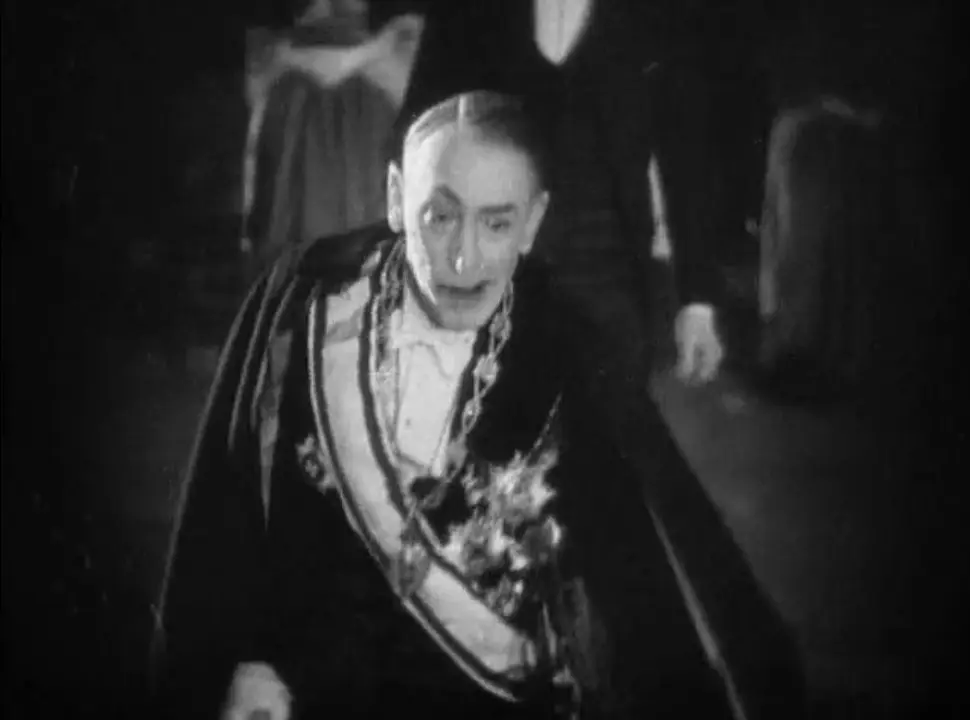
The enduring appeal of The Merry Widow lies not just in its historical significance or its visual grandeur, but in its timeless themes. The struggle between love and duty, the corrupting influence of wealth, and the fragility of social order are all issues that continue to resonate. Stroheim’s ability to weave these complex ideas into a compelling and emotionally resonant narrative is what solidifies his reputation as one of cinema’s true auteurs. It’s a film that demands to be seen, not just as a historical document, but as a vibrant, engaging piece of storytelling that speaks volumes about human nature and the societal structures that shape it.
In an era dominated by more straightforward narratives, Stroheim dared to delve into the murky depths of human desire and societal hypocrisy. While other films of the period, like Foolish Lives, might have explored moral failings, Stroheim's approach here is imbued with a particular kind of operatic despair, where even the most beautiful settings cannot mask the underlying rot. The resolution, while offering a semblance of happiness, is tinged with the knowledge of the sacrifices made and the compromises endured. It's a bittersweet ending, characteristic of Stroheim, who rarely offered unadulterated joy without a lingering shadow of cynicism. The film is a powerful reminder that even in the most glittering of worlds, the human heart remains a complex and often contradictory organ.
Ultimately, The Merry Widow stands as a magnificent achievement, a film that is as intellectually stimulating as it is visually arresting. It’s a testament to the power of silent cinema to convey profound emotional and thematic depth, proving that a lack of spoken dialogue does not equate to a lack of voice. Stroheim’s vision, brought to life by the stellar performances of Mae Murray and John Gilbert, creates a cinematic experience that is both grand in scale and intimately human in its portrayal of love, loss, and the relentless demands of a world where money often trumps matters of the heart. This film isn't just a historical curiosity; it's a vibrant, living piece of art that continues to captivate and provoke thought, solidifying its place as an indispensable classic of the silent era.
A Legacy of Decadence and Desperation
The film’s enduring impact is clear in its influence on subsequent historical dramas and its contribution to the understanding of silent film as a sophisticated art form. Stroheim’s meticulous attention to period detail, coupled with his unflinching portrayal of human frailty, set a standard for cinematic realism that few could match. He didn't just tell a story; he created an entire world, rich with texture, emotion, and moral ambiguity. The very fabric of Monteblanco, from its gilded palaces to its desperate economic plight, feels tangible, a creation born of immense artistic will. This immersive quality draws the viewer in, making the characters' struggles feel immediate and profound, rather than merely a historical footnote. It’s a masterclass in world-building, a skill that remains paramount in filmmaking even a century later.
The interplay between the personal drama of Danilo and Sally and the overarching economic crisis of Monteblanco is particularly well-executed. It’s a constant reminder that even the most privileged lives are not immune to the harsh realities of the world. The film subtly critiques the illusion of aristocratic invincibility, showing how even royalty can be reduced to desperate measures to maintain their facade of power. This nuanced portrayal of class dynamics is a hallmark of Stroheim's work, challenging audiences to look beyond the glittering surface and confront the uncomfortable truths beneath. It’s a complex tapestry of human motivation and societal pressure, woven with threads of romance, tragedy, and a biting social commentary that remains remarkably relevant.
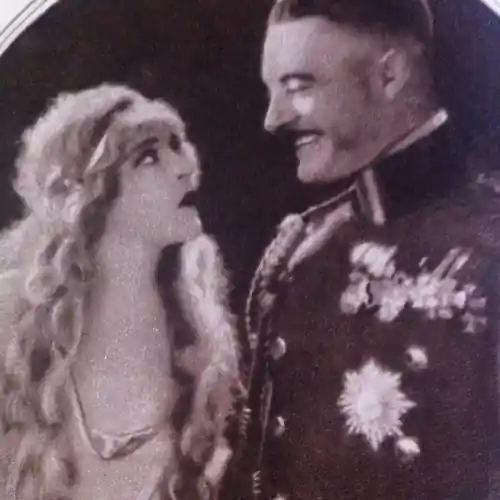
Stroheim’s bold choices in casting and narrative also deserve commendation. To place Mae Murray, known for her flapper image, in such a dramatically demanding role, and to pair her with the intense charisma of John Gilbert, was a stroke of genius. Their performances elevate the material, transforming what could have been a conventional romance into something far more profound and memorable. They navigate the intricate dance of attraction and repulsion with effortless grace, making their characters' emotional journey utterly compelling. The film, therefore, transcends its genre, becoming a powerful examination of the human condition, set against a backdrop of unparalleled visual splendor.
Reflecting on The Merry Widow today, one can't help but marvel at its sheer ambition and the audacity of its creator. It’s a film that dared to be grand, opulent, and unsparingly honest about the foibles of humanity. It captures a moment in cinematic history when the art form was rapidly evolving, pushing boundaries, and discovering its own unique language. Stroheim, for all his eccentricities and conflicts, was a pioneer, and The Merry Widow stands as one of his most accessible, yet still deeply characteristic, masterpieces. It invites viewers to step back in time, not just to witness a story, but to experience a bygone era through the eyes of one of its most insightful and uncompromising artists. The thematic depth, the visual richness, and the captivating performances converge to create a truly unforgettable cinematic experience, solidifying its place as a cornerstone of silent film history.
Experience the lavish drama and timeless romance of The Merry Widow – a silent film masterpiece that continues to resonate.
IMDb —
1915
Community
Log in to comment.