DbcultAccessing Vault...
6.6/10
Senior Film Conservator
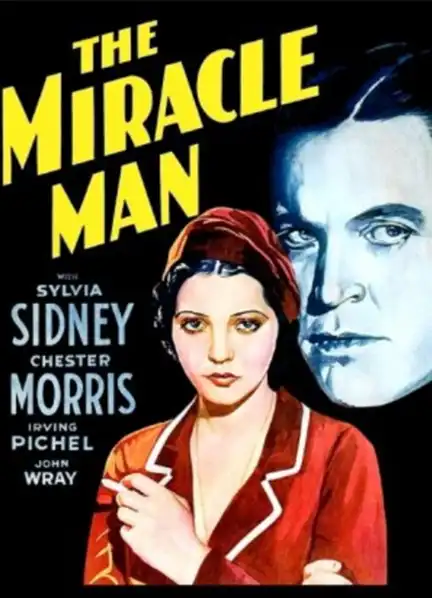
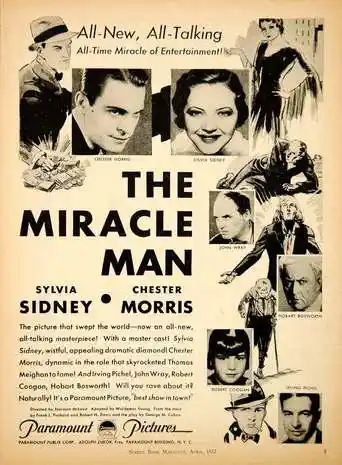
A definitive 6.6/10 rating for a film that redefined the boundaries of cult cinema. The Miracle Man remains a cornerstone of transgressive art.
If you want to see a bunch of big-city scammers get utterly defeated by a sweet old deaf-mute guy in a small town, then yes, The Miracle Man is absolutely worth your 75 minutes tonight.
People who love fast-talking Pre-Code movies where everyone wears oversized suits will have a blast, but if you get hives from old-fashioned religious sentimentality, you should probably skip it.
Honestly, I put this on mostly because Chester Morris is in it.
He has this incredibly sharp jawline that looks like it could cut glass, much like his tough-guy role in The Big House.
Here, he plays John Madison, a total slickster who needs to hide out from the cops after a hustle goes wrong.
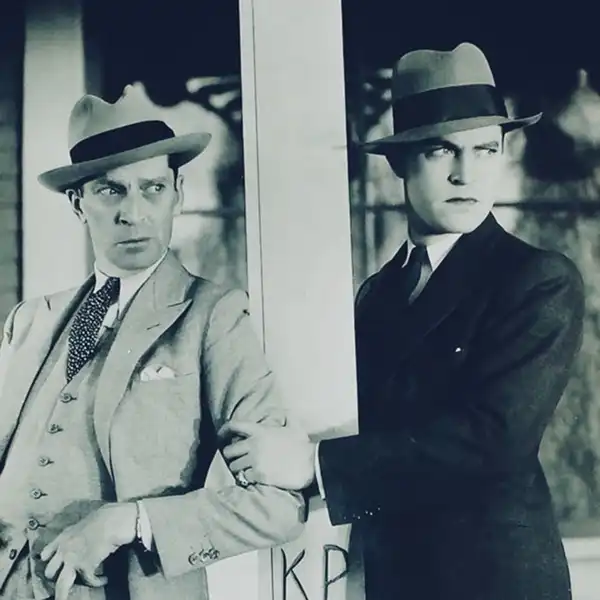
He drags his gang—including a very young, very pouty Sylvia Sidney—to this sleepy little village in Maine.
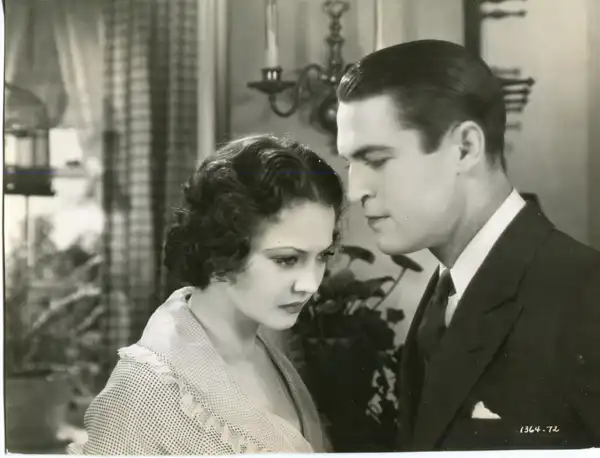
Sylvia Sidney is just so good at looking like she is about to cry at any second.
Her eyes are huge, like dinner plates, and she spends half the movie looking incredibly guilty about their scam.
And what a scam it is!
They find this local faith healer called "The Patriarch" who doesn't talk and is basically blind.
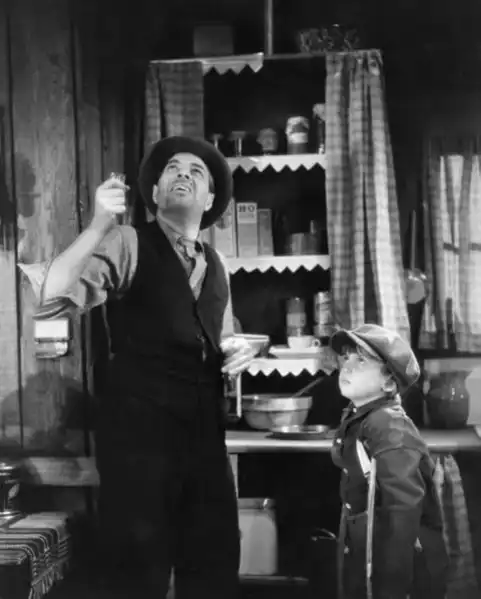
John realizes they can market this old guy as a miracle worker and rake in the cash from desperate people.
It is a pretty dark setup for a movie from 1932, which is why I love this era.
They don't make scammers this shamelessly evil anymore.
Oh, and Boris Karloff is in this too, playing this incredibly sleazy tavern owner named Nikolas.
It is funny seeing him here because he is using his normal voice, but he still has that creepy, looming presence.
He gets a few scenes to blackmail people and then just kind of disappears from the plot, which is a total bummer.
The movie really shifts gears when we get to the actual "miracles."
There is this guy in the gang called "The Flopper" who pretends to be crippled so the healer can "cure" him.
His physical acting is wild—he literally twists his limbs like a pretzel to fool the crowd.
But then, a little boy on crutches—played by Robert Coogan—actually starts walking for real.
It is supposed to be this huge, tear-jerking moment, but the music gets so loud and screechy it almost ruined the mood for me.
Also, the kid does this weird little stumble-walk that looked kinda funny instead of inspiring.
I felt bad for laughing, but come on.
What really surprised me was how the gang starts changing after they see these things happen.
Usually, in these old movies, the bad guys convert in about two seconds flat.
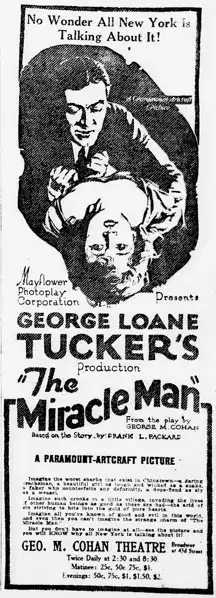
Here, it takes some time, and you can see Chester Morris really fighting against his own bad conscience.
There is a scene where he is just staring at a stack of money on a desk, and the camera just stays on his face.
You can literally see him thinking, "Should I take this cash and run, or should I stop being a jerk?"
It is a quiet moment in a movie that is otherwise pretty loud and melodramatic.
Some of the supporting characters are a bit much, though.
And the ending feels a little rushed, like the director realized they only had five minutes of film left in the camera.
But still, it has that gritty, pre-censorship feel that makes early 30s cinema so much fun.
If you liked The Divorcee for its snappy dialogue, you will probably dig the first half of this quite a bit.
Just be prepared for a heavy dose of churchy feelings near the end. 🤷♂️
It is not a masterpiece, but it is a neat little time capsule that kept me hooked the whole way through.
IMDb 6
1932
Community
Log in to comment.