DbcultAccessing Vault...
Cult Review
Senior Film Conservator
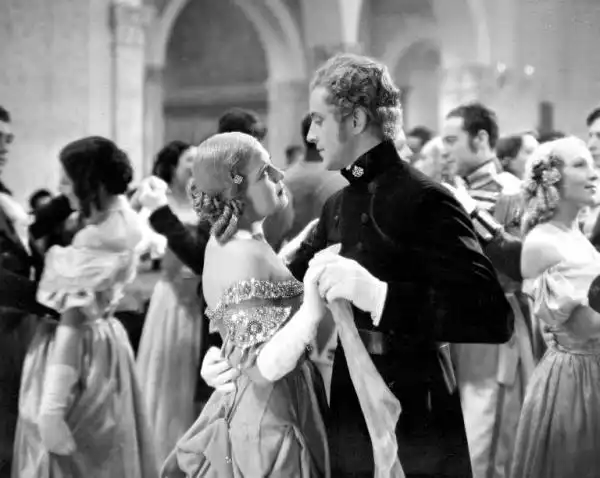
So, you’re scrolling through old films, right? And you hit The Divine Spark. Is it worth your time today? Hmm. If you’re into really classic, *melodramatic* romances where people swoon and music is a character, then yes, maybe. It’s got that old-school charm. But if you prefer your love stories with a bit more grit or speed, you’ll probably find this one a real slog. It’s definitely for a niche crowd, the kind who appreciate what 1930s cinema was doing with grand feelings. 🎻
This film is the British take on an Italian story, shot at the same time as its foreign counterpart, which is kind of neat to think about. We’re in Naples, back when everyone wore fancy clothes and seemed to burst into song or dramatic pronouncements at a moment’s notice. It’s all about this singer, Maddalena, played by Mártha Eggerth, who just *beams* inspiration, and a composer, Vincenzo Bellini.
Mártha Eggerth, as Maddalena, is definitely the heart of this. She’s got this incredible presence, especially when she sings. Her voice just fills the screen, even through the old sound mix. There's a scene where she performs, and the camera just holds on her, and you really get why everyone in the film is so captivated. It felt… authentic, in a way. Like, *she* was the divine spark. 🔥
Bellini, played by John Clements, he’s this brooding, tortured artist type. You know the drill. He’s struggling, he’s passionate, and then Maddalena comes along and *poof*, inspiration strikes. It’s a very straightforward, almost simple narrative in that regard. Their chemistry isn't exactly sizzling, but it's more of a gentle, inspiring glow.
There are these moments where Bellini is composing, and the camera focuses on his hands, then his face, then back to Maddalena looking adoringly. It gets a little repetitive, honestly. You can almost feel the movie trying to convince you this inspiration matters, but it doesn't always land with *oomph*.
The pacing is… well, it’s 1935 pacing. Things take their sweet time. Conversations linger, and characters often express their emotions with a lot of silent gazing or dramatic sighs. There’s one shot of a garden that goes on for what feels like an eternity, probably meant to set a mood, but it just made me want to check my watch. 🕰️
What really stuck with me, though, was the *set design*. Naples looks lovely, even in black and white. Those period costumes too, they’re just fantastic. You can tell a lot of effort went into making it look grand. It’s a very visually rich film, even if the story sometimes feels a bit… thin.
There’s a subplot involving a rival for Maddalena's affections, and it feels tacked on. Like, we need some conflict, so let’s throw in a jealous suitor. It never really threatens the main romance, just adds a bit of noise. Edward Chapman is in it, and he does his usual solid work, but the part itself is a bit forgettable.
One reaction shot of Bellini when he hears Maddalena sing his music for the first time — it lingers so long it almost becomes funny. You're just waiting for him to *do* something, anything, but he just stands there, soaking it in. It's a very *theatrical* kind of acting, which makes sense for the era.
The film is really all about the music and the idea of artistic inspiration. It doesn’t try to be complex. It just wants you to feel the passion, the beauty. And when Maddalena sings, you almost do. That's its strongest suit, I think. The rest is just the vehicle for those moments.
If you're curious about how British cinema handled operatic romance in the 30s, or you just really love Mártha Eggerth's voice, give it a shot. Otherwise, it’s a lovely historical curio, but perhaps not a must-see for everyone. It's a gentle, often *very* earnest experience. A real peek into a different way of telling a love story. 💖
IMDb —
1930
Community
Log in to comment.