DbcultAccessing Vault...
5.8/10
Senior Film Conservator
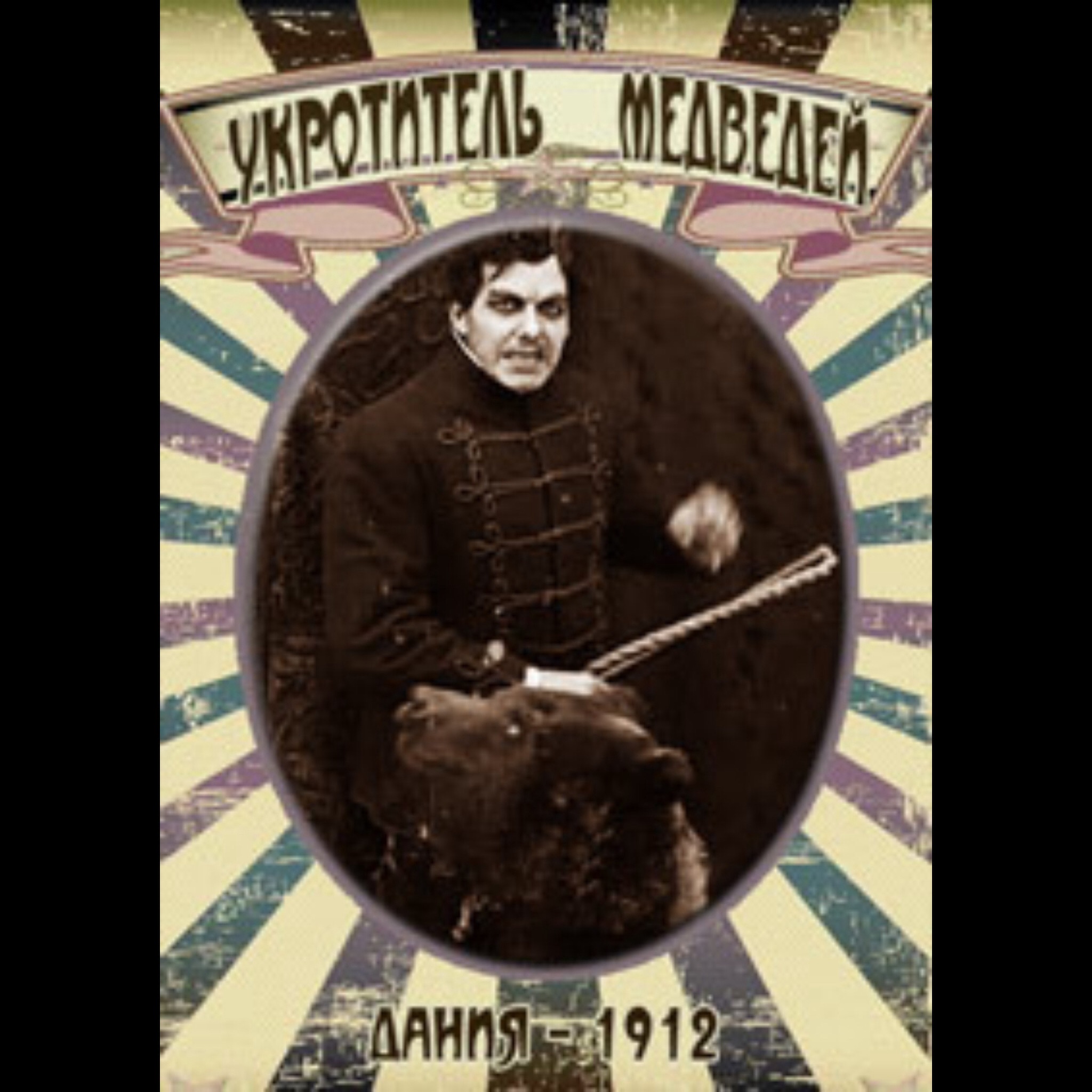
A definitive 5.8/10 rating for a film that redefined the boundaries of cult cinema. Bjørnetæmmeren remains a cornerstone of transgressive art.
Stepping back into the nascent days of cinematic storytelling, Alfred Lind's Bjørnetæmmeren, or The Bear Tamer, from 1912, emerges not merely as a relic of early Danish cinema but as a surprisingly potent exploration of themes that remain achingly relevant today. It's a film that, despite its silent-era constraints, speaks volumes about the intoxicating allure of fame, the fragile nature of human connection, and the often-brutal trade-offs inherent in the pursuit of personal glory. The narrative, deceptively simple at its core, unravels with a deliberate grace, pulling viewers into a world where the roar of the crowd can drown out the whispers of the heart.
At its heart lies the captivating, if ultimately tragic, romance between a robust, stoic bear tamer and a vivacious, ambitious dancer, both denizens of a nomadic circus. This setting itself is a character, a microcosm of life on the fringes, where artistry and survival intertwine. Their initial bond, depicted with a tenderness that transcends the limitations of intertitles, feels authentic, a genuine connection forged in shared experiences and mutual admiration. Lili Beck, as the dancer, conveys a compelling blend of youthful exuberance and an underlying hunger for something more, a drive that hints at the conflict to come. Peter Fjelstrup's bear tamer, conversely, embodies a quiet strength, a man content with his craft and his love, perhaps too naive to foresee the seismic shifts that fame might bring. His performance is one of understated pathos, a testament to the power of non-verbal acting in the silent era, reminiscent of the emotional depth achieved in other early dramas like Der Eid des Stephan Huller, where the internal struggles of performers are laid bare.
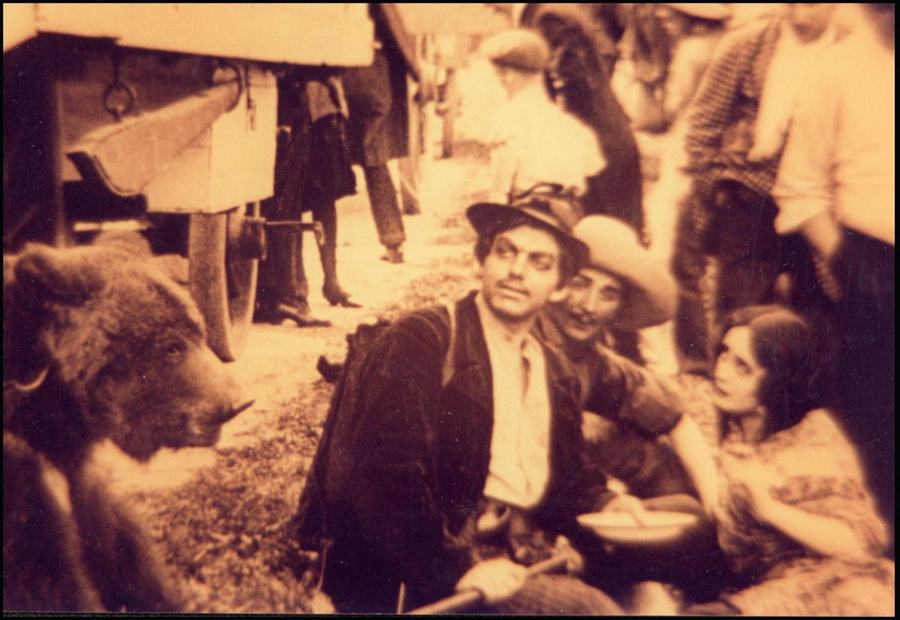
The film's most compelling arc begins when the dancer’s exceptional talent is discovered, propelling her from the dusty ring of the traveling troupe to the luminous stages of grander theaters. This transition is not merely a change of venue; it signifies a profound metamorphosis in her identity and aspirations. The once-shared dreams of a humble life begin to diverge, with her trajectory soaring while her husband’s remains tethered to the familiar, albeit less glamorous, world of the circus. This narrative device, the ascent of one partner to a higher social or professional stratum, while the other remains behind, is a timeless dramatic engine. We see echoes of this dynamic in later films, though perhaps not as starkly portrayed against the backdrop of silent cinema’s nascent visual language. The tension between loyalty and ambition becomes the central crucible, forcing both characters to confront the true measure of their commitment.
Lind's direction, while typical of the period’s theatrical staging, skillfully uses close-ups and subtle gestures to convey the burgeoning emotional distance. The dancer’s initial excitement for her newfound success gradually morphs into a more detached, perhaps even dismissive, attitude towards her former life. Her transformation is gradual, insidious, and all the more heartbreaking for its realism. It's not an overnight betrayal but a slow, almost imperceptible drifting apart, fueled by new associations, new temptations, and the relentless demands of a celebrity lifestyle. The film avoids simplistic villainy, instead portraying a more nuanced human failing – the inability to reconcile past affections with present opportunities. This makes her character arc particularly fascinating; she is not inherently malicious, but rather a product of circumstance and ambition, a theme explored with different cultural nuances in films like Vampyrdanserinden or Balletdanserinden, which also delved into the lives and moral dilemmas of performers.
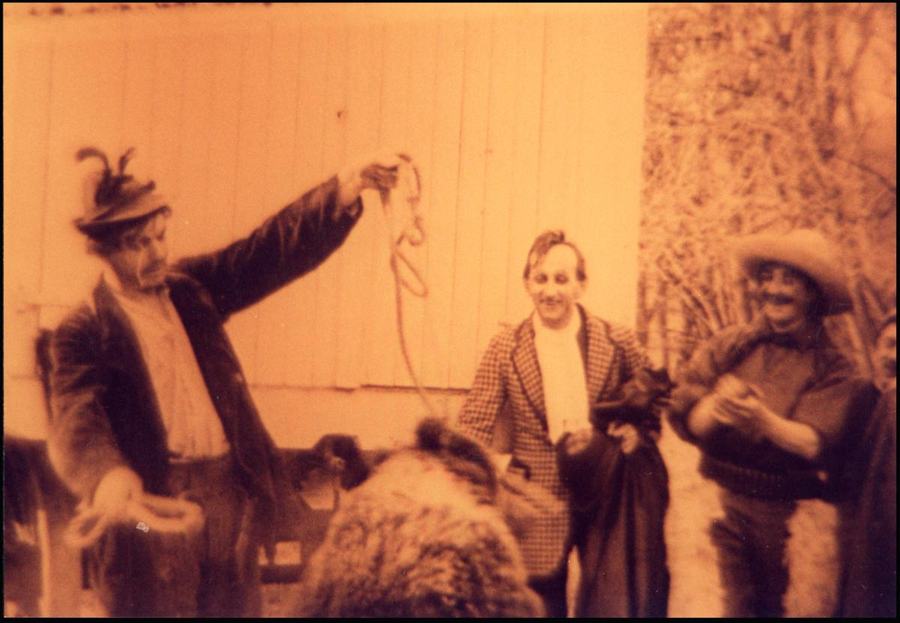
The bear tamer, meanwhile, is left to grapple with the agonizing reality of his wife's evolving priorities. His steadfastness, once a virtue, now seems to render him vulnerable, almost anachronistic in her dazzling new world. His attempts to bridge the growing chasm are met with increasing indifference, illustrating the profound isolation that can accompany one partner's radical change. The film subtly critiques the societal pressures that can warp individual values, suggesting that the pursuit of external validation can come at a steep personal cost. This is where the film truly resonates, moving beyond a mere melodrama to touch upon universal truths about human nature and the complexities of love under duress. The raw emotionality, conveyed through body language and facial expressions, is a testament to the actors' abilities and Lind's understanding of visual storytelling.
One cannot discuss Bjørnetæmmeren without acknowledging its place within the broader context of early cinema. This was an era of rapid experimentation, where filmmakers were still discovering the grammar of the moving image. Lind, along with his contemporaries, was instrumental in developing the visual vocabulary that would define future generations of filmmakers. The camera work, while static by modern standards, is purposeful, framing scenes to maximize emotional impact. The use of natural light and authentic locations, to the extent possible, lends a verisimilitude to the circus scenes, grounding the fantastical elements in a tangible reality. The film's pacing, deliberate and unhurried, allows the emotional beats to register fully, a stark contrast to the often frenetic editing of contemporary blockbusters. It's a reminder that compelling narratives don't always require breakneck speed; sometimes, the slow burn is the most effective.
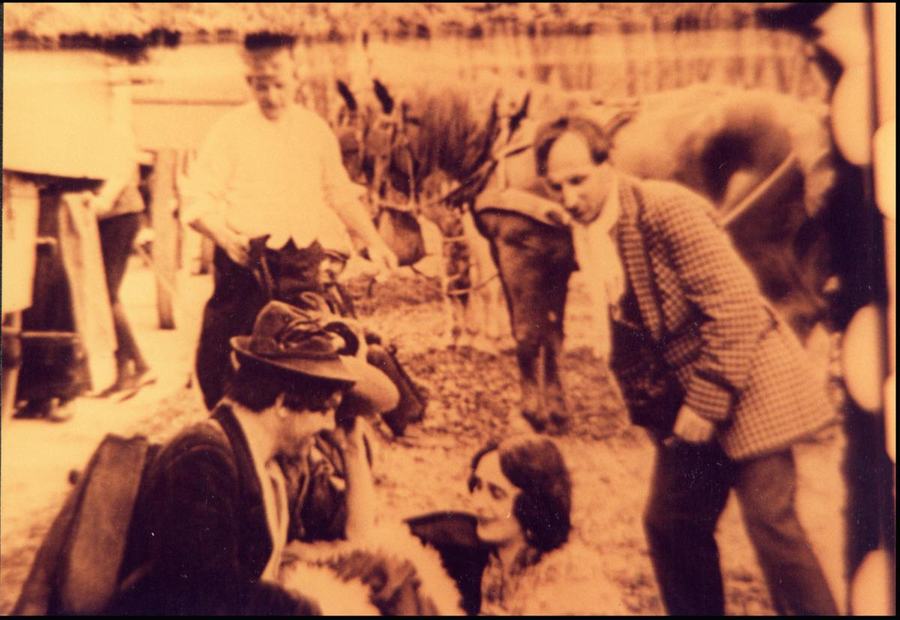
The thematic depth extends beyond the personal tragedy to touch upon broader societal observations. The circus, a realm of both wonder and exploitation, serves as a powerful metaphor for life itself, where individuals perform for an audience, often masking their true selves. The transition from this raw, unvarnished performance space to the polished, artificial world of the grand theater highlights the superficiality that often accompanies fame. The dancer's initial innocence, nurtured in the authenticity of the circus, is gradually chipped away by the demands of her new career, leading her to prioritize image over genuine connection. This exploration of authenticity versus performance in public life is a theme that has fascinated artists for centuries, and Bjørnetæmmeren tackles it with a surprising degree of sophistication for its time.
Comparing Bjørnetæmmeren to other films of its era, one finds its narrative focus on personal drama and internal conflict to be particularly strong. While many films of the time, such as The Corbett-Fitzsimmons Fight or The Story of the Kelly Gang, focused on action, historical events, or grand spectacles, The Bear Tamer delves into the psychological landscape of its characters. It shares a certain dramatic intensity with films like Der Zug des Herzens, which also explored the travails of love and difficult choices. The film's impact is derived not from elaborate special effects or massive crowd scenes, but from the raw emotional performances and the universal resonance of its central conflict. This reliance on character-driven storytelling, rather than pure spectacle, marks it as a forward-thinking piece of cinema.
Holger-Madsen, a significant figure in early Danish cinema, not only acts in the film but also contributes to its overall artistic vision. His presence, even in a supporting role, adds another layer of gravitas to the ensemble. The collaborative spirit of early film production, where actors often wore multiple hats, is evident here. The nuances in the performances, particularly Lili Beck's gradual transformation from a loving wife to a detached star, are remarkable given the absence of spoken dialogue. Her expressions, her posture, her very bearing shift subtly, communicating volumes about her internal state. This mastery of physical acting is a hallmark of the silent era, and Beck delivers a performance that is both captivating and profoundly sad. The film's emotional climax, though devoid of sound, reverberates with the unspoken anguish of a love lost to the siren song of ambition. It's a masterful demonstration of how much can be communicated without a single uttered word.
The ending, without revealing specifics, provides a resolution that is both poignant and inevitable, underscoring the film’s underlying message about the indelible impact of choices and the true cost of chasing ephemeral glory. It’s a conclusion that avoids easy sentimentality, instead opting for a more somber, reflective tone that lingers long after the final frame. This unflinching portrayal of consequences elevates the film beyond a simple romantic drama, imbuing it with a sense of moral weight. It prompts introspection: what are we willing to sacrifice for our dreams, and at what point does ambition become a destructive force? The film dares to ask these questions without providing facile answers, leaving the audience to ponder the complexities of human desire and the often-harsh realities of life. The visual poetry of the silent medium, combined with a universal narrative, makes Bjørnetæmmeren an unexpectedly powerful viewing experience, a testament to the enduring artistry of its creators.
In an era where cinema was still finding its voice, Bjørnetæmmeren stands as a compelling example of how early filmmakers were already mastering the art of emotional depth and character development. It’s a film that speaks across the decades, reminding us that the human heart, with its desires, loyalties, and frailties, remains a constant source of dramatic inspiration. The simple yet profound story, expertly conveyed through the visual language of silent film, continues to resonate. It's a nuanced look at the price of success and the fragility of love, a narrative that remains as potent today as it was over a century ago. The film truly captures a pivotal moment in cinematic history, showcasing the raw talent and innovative spirit that laid the groundwork for the art form we know today. It’s more than just a historical curiosity; it’s a timeless piece of storytelling that deserves continued recognition and appreciation for its subtle power and emotional honesty. The journey of the dancer and the bear tamer is a microcosm of countless human experiences, a testament to the enduring power of narrative to explore the profound complexities of life and love, particularly when faced with the irresistible currents of personal ambition and societal expectation.

IMDb 7.3
1929
Community
Log in to comment.