DbcultAccessing Vault...
Cult Review
Senior Film Conservator
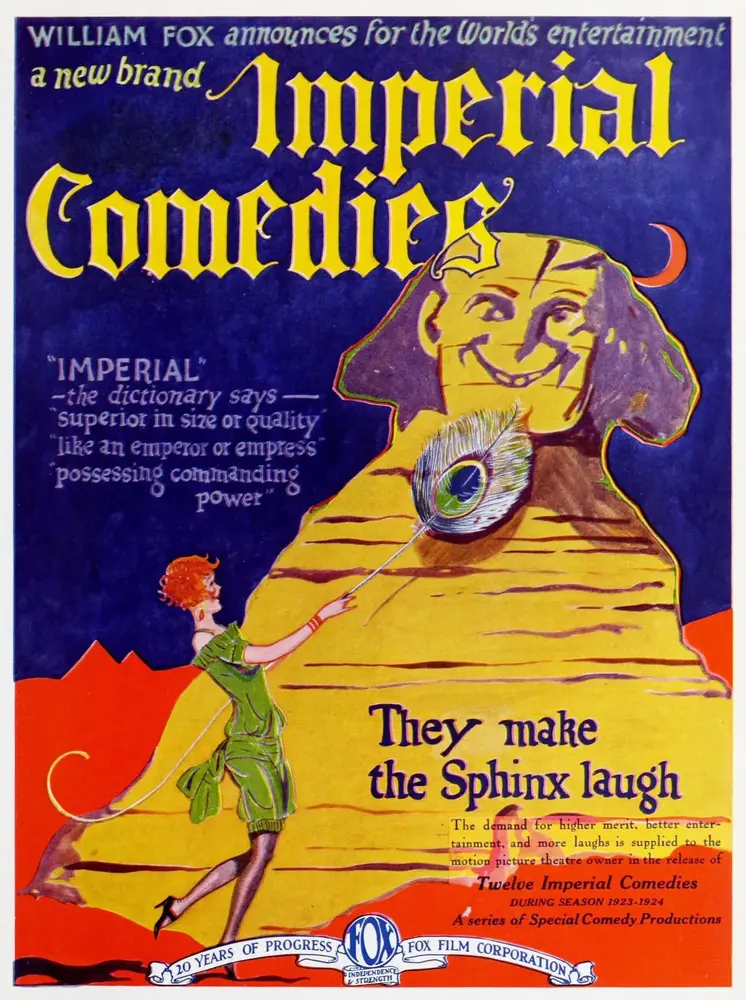
The Monkey Farm arrives like a fever dream, its opening frames drenched in the amber glow of sunrise that bleeds into the tangled canopy of its titular sanctuary. Director Sidney Smith—known for his deft hand in weaving melancholy with absurdity—chooses to let the camera linger on the rusted hinges of cages, the frayed ropes that tether both animal and ambition. This visual patience is not idle; it cultivates an atmosphere where every creak becomes a metronome for the film’s rhythmic pulse.
At the heart of the narrative lies an ensemble of capuchins whose improvisational sketches echo the experimental theatre of the 1960s. Their antics are not mere comic relief; they serve as a mirror reflecting the suppressed desires of the human characters. When Eleanor (portrayed with stoic grace) watches the monkeys rehearse a scene reminiscent of The Iron Claw's iconic tight‑rope sequence, the audience senses a layered commentary on control versus chaos. The primates, trained yet wild, embody the paradox of artifice—trained to perform yet inherently unpredictable.
Sidney Smith delivers a performance that oscillates between clinical detachment and raw vulnerability. As Dr. Sidney Smith, the zoologist, he navigates the ethical quagmires of animal exploitation with a measured cadence, reminiscent of his earlier work in All Dolled Up. His eyes, often fixed on the monkeys’ nuanced gestures, betray a deeper yearning—to be seen, to be understood beyond the veneer of scientific objectivity. The subtle flicker of his smile when a monkey mimics a Shakespearean soliloquy is a masterclass in restrained expressivity.
Cinematographer Lara Nguyen employs a chiaroscuro approach, juxtaposing the verdant, sun‑splashed exteriors with the shadow‑laden interiors of the manor. The use of sea blue (#0E7490) in the twilight sequences lends a cool, almost ethereal quality, while splashes of dark orange (#C2410C) punctuate moments of emotional crescendo—most notably during the climactic performance where the monkeys cascade across the stage in a synchronized frenzy. The visual language is further enriched by occasional bursts of yellow (#EAB308), evoking the fleeting sparks of inspiration that ignite the characters’ ambitions.
The screenplay, penned by an uncredited collective of writers, refuses a linear trajectory. Flash‑forwards interlace with present‑day scenes, creating a tapestry where past rehearsals of Marcel Duval—an avant‑garde director whose legacy haunts the farm—intersect with Eleanor’s present struggle to preserve the sanctuary. This structure is reminiscent of the temporal playfulness found in A Ripping Time, yet The Monkey Farm grounds its temporal leaps with emotional anchors, ensuring the audience remains tethered to the characters’ evolving psychologies.
Composer Jae‑Hoon Park crafts an auditory palette that blends natural ambience—rustling leaves, distant birdcalls—with a minimalist piano motif that resurfaces during moments of introspection. The occasional burst of percussive beats during the monkeys’ performances amplifies the theatricality, while a low, resonant hum underscores scenes of moral ambiguity, echoing the film’s thematic undercurrents of exploitation and redemption.
At its core, The Monkey Farm interrogates the ethics of artistic commodification. Eleanor’s desire to commercialize the farm clashes with her reverence for the monkeys’ innate creativity, mirroring real‑world debates about animal performers in entertainment. The film does not prescribe a verdict; instead, it offers a nuanced tableau where each character’s choices ripple across the narrative, prompting viewers to question where the line between admiration and appropriation truly lies.
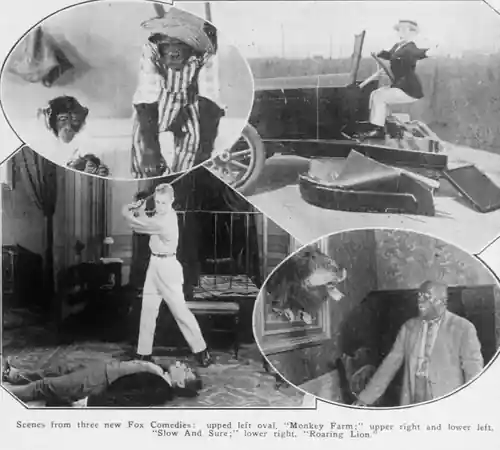
Those familiar with The Brass Bottle will recognize a similar interplay between magical realism and grounded drama, though The Monkey Farm leans more heavily into existential inquiry. Likewise, the film’s subtle social commentary recalls the tonal balance of The Price of Innocence, where personal desire collides with societal expectations. The intertextual nods enrich the viewing experience without eclipsing the film’s unique voice.
The supporting ensemble delivers performances that are both textured and resonant. The enigmatic caretaker, played by veteran actor Julián Ortega, exudes a weary wisdom that recalls his turn in Riders at Night. His whispered anecdotes about Duval’s eccentric methods serve as narrative breadcrumbs, guiding the audience through the farm’s storied past. Meanwhile, the young intern, Maya (portrayed by newcomer Lena Wu), embodies the idealistic spark that challenges Eleanor’s pragmatic resolve, her scenes suffused with a hopeful yellow hue that visually distinguishes her optimism.
The set designers have crafted a microcosm that feels both lived‑in and mythic. The manor’s cracked plaster walls are adorned with faded theatrical posters, each a relic of Duval’s lost productions. The monkey enclosures, though modest, are meticulously detailed—hand‑woven hammocks, miniature stage props, and a central arena that doubles as a rehearsal space. This attention to detail fosters an immersive environment where the line between set and reality blurs, enhancing the film’s thematic preoccupation with performance.
Editor Kai Nakamura employs a measured pacing, allowing scenes to breathe while interspersing rapid cuts during the monkeys’ climactic tableau. This juxtaposition creates a rhythmic tension that mirrors the characters’ internal conflicts. The decision to linger on Eleanor’s contemplative stare after each performance underscores her evolving relationship with the primates, a subtle yet powerful storytelling device.
In an era where animal rights and artistic freedom are hotly debated, The Monkey Farm positions itself as a contemporary fable. It refrains from didacticism, opting instead for an allegorical approach that invites discourse. The film’s release coincides with increasing global scrutiny of animal exploitation in entertainment, rendering its narrative both timely and provocative.
The Monkey Farm is an ambitious amalgam of visual poetry, ethical inquiry, and character study. Sidney Smith’s understated yet compelling portrayal anchors the film, while the monkeys’ performances serve as a haunting reminder of art’s capacity to transcend species. The film’s meticulous craftsmanship—from its color‑coded cinematography to its layered sound design—cements its place as a noteworthy entry in modern cinema. It challenges audiences to confront uncomfortable questions about creation, control, and compassion, all while delivering an unforgettable sensory experience.
For viewers seeking a film that marries aesthetic daring with intellectual depth, The Monkey Farm offers a richly textured journey that lingers long after the final frame fades to black.
IMDb —
1918
Community
Log in to comment.