DbcultAccessing Vault...
6.5/10
Senior Film Conservator
A definitive 6.5/10 rating for a film that redefined the boundaries of cult cinema. The Music Racket remains a cornerstone of transgressive art.
If you have ten minutes and a soft spot for grainy, black-and-white shorts where everyone talks like they’re in a hurry, then yes. If you hate old-timey singing and guys calling women "dames," you’ll probably want to skip this one entirely.
It’s a tiny slice of the 1930s music business that feels more like a recorded stage skit than a proper movie. It’s perfect for people who like to see how the industry worked before computers and TikTok ruined everything.
I found this randomly while digging through some older stuff like Her Accidental Husband and Trying to Get Along. It’s got that same vibe where you can tell everyone is still figuring out how to act for a camera instead of a theater balcony.
The movie starts in this stuffy office with two guys who look like they haven't seen the sun in weeks. Mac, played by Leo Donnelly, is the main one and he is just exhausted by the idea of talent.
He tells his partner to keep "that dame" Trixie Brown away from him. It’s that classic trope where the gatekeepers are actually the ones who hate the art they’re selling.
The office itself looks like it’s made of cardboard and hope. There’s something very charming about how small and cluttered everything is back then.
Trixie Brown barges in anyway because, well, that's what people in 1930s shorts do. She doesn't really have a sense of boundaries, which makes the whole scene feel a bit frantic.
Mac does this instant personality flip that is actually kind of funny. He goes from "get her out of here" to "oh hello my dear!" in about half a second.
He tells her to go wait in room number three. He says he’ll be right in to listen to her sing, but you can tell by the look on his face he’s lying through his teeth.
It’s such a petty move. He just wants her out of his sight so he can breathe for a minute.
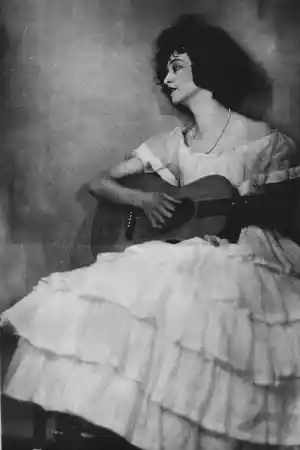
Once Mac escapes the office, he wanders through the hallway of this "Tin Pan Alley" building. It reminds me a bit of the dusty settings in Shadows of the West, though obviously without the horses.
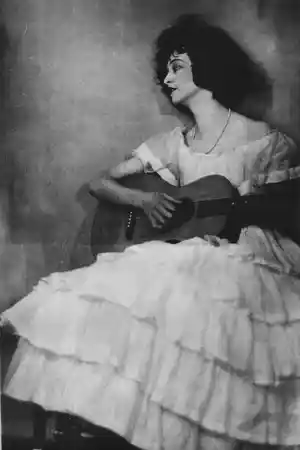
He stops when he hears Lee Morse practicing with a piano man. This is the only reason to actually watch this thing, honestly.
Lee Morse had this really deep, bluesy voice that sounds like nothing else from that era. She’s got this strange little yodel-flip in her voice that feels very personal and real.
The camera just sits there and lets her sing. It’s the most honest part of the whole film.
It’s not a masterpiece like No Man's Land or anything deep. It’s just a sketch.
The ending isn’t even really an ending. It just sort of stops once the song is over.
I kind of like that about these old shorts, though. They don't try to give you a big life lesson or a moral arch.
It’s just: here is a guy, he lied to a singer, and now he’s listening to a better singer. The end. 🎵
If you're looking for something with more of a story, maybe check out The Gambling Fool instead. This one is just for the music nerds and the people who like Lee Morse.
It’s a bit messy and the acting is way too big for the small room they’re in. But it’s got a heart to it, I guess.
Also, the title "The Music Racket" is spot on. It really does feel like a bit of a scam.
IMDb 7.3
1925
Community
Log in to comment.