DbcultAccessing Vault...
3.8/10
Senior Film Conservator
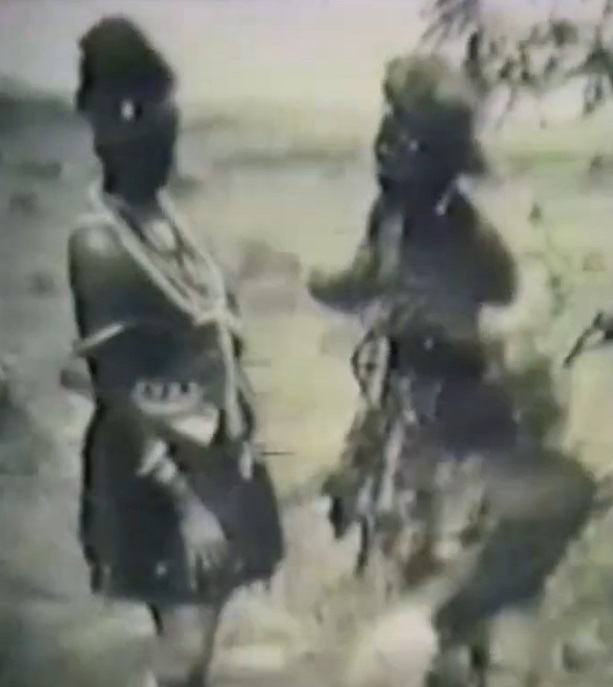
A definitive 3.8/10 rating for a film that redefined the boundaries of cult cinema. The Symbol of Sacrifice remains a cornerstone of transgressive art.
Stepping back into the annals of cinematic history, particularly to the nascent years of feature filmmaking, often feels like unearthing a forgotten relic. Yet, some films, even those from over a century ago, possess a resonance that transcends their technical limitations and period-specific sensibilities. Such is the case with The Symbol of Sacrifice, a 1918 production that dared to tackle the epic scope and brutal realities of the 1879 Anglo-Zulu War. To view this film today is not merely to observe a historical document, but to engage with an ambitious, if imperfect, attempt to grapple with themes of courage, conflict, and the often-fraught legacy of empire.
Released amidst the throes of the First World War, it's impossible to divorce The Symbol of Sacrifice from its contemporary context. The world was already awash in images of grand-scale conflict, heroism, and immense sacrifice. This backdrop undoubtedly influenced how audiences perceived a film dramatizing a past colonial war, perhaps drawing parallels between the 'gallant' British soldiers of 1879 and the troops fighting in the trenches of 1918. The film, written by Joseph Albrecht, F. Horace Rose, and I.W. Schlesinger, endeavors to present a sweeping narrative, following the fictional English soldier Preston Fanshall (portrayed by Jack Montgomery) from the calamitous British defeat at the Battle of Isandlwana to the heroic, desperate defense of Rorke's Drift. This narrative structure allows for both the depiction of grand-scale tragedy and the intimate portrayal of individual valor.
For a film produced in 1918, the sheer ambition of The Symbol of Sacrifice is commendable. The logistical challenges of recreating large-scale battle sequences in an era devoid of CGI and sophisticated special effects were immense. Contemporary reports suggest that the filmmakers utilized a significant number of extras, likely local populations, to portray the Zulu impi, lending a certain raw authenticity to the visual spectacle. While modern eyes might find some of the staging quaint or the editing less dynamic than what we're accustomed to, one must appreciate the effort to convey the chaos and scale of these historical engagements. The film's direction, though not attributed to a single prominent name in the provided information, manages to construct a coherent, if somewhat melodramatic, narrative flow across its considerable runtime.
The portrayal of the Battle of Isandlwana, in particular, is a highlight. This catastrophic defeat for the British, where a numerically superior and technologically advanced force was annihilated by the Zulu army, is depicted with a surprising degree of intensity. The film captures the initial hubris, the sudden realization of tactical error, and the ensuing panic that characterized the real event. It's a testament to the early filmmakers' ability to convey complex historical events without the benefit of spoken dialogue, relying instead on visual storytelling, expressive acting, and intertitles to carry the narrative weight. This focus on visual grandeur and dramatic intensity is a characteristic shared by many silent epics of the period, from the biblical majesty of The Life and Passion of Jesus Christ to the historical intrigue of Herod, both of which also aimed for monumental scale.
The cast, featuring names like Mabel May, Jack Montgomery, Dick Cruikshanks, and a host of others including Goba and Capt. Jeffries, operates within the stylistic conventions of silent cinema. Performances are often broad, relying on exaggerated gestures and facial expressions to convey emotion, a necessity in an era before synchronized sound. Jack Montgomery, as Preston Fanshall, embodies the archetypal British soldier – initially perhaps a touch naive, but quickly hardened by the horrors he witnesses. His journey from the disarray of Isandlwana to the desperate heroism of Rorke's Drift forms the emotional backbone of the film, allowing audiences to connect with the human element amidst the grand sweep of history.
Mabel May’s role, presumably as a romantic interest or a figure representing the home front, adds a layer of personal drama, though such subplots in silent epics often served more as a counterpoint to the main action rather than a deeply explored narrative thread. The supporting cast, particularly those portraying the British officers and the Zulu warriors, contribute significantly to the film's atmosphere. While the portrayal of the Zulu people, through modern eyes, might veer into stereotypes common in colonial-era cinema, it's important to acknowledge the historical context. The film attempts to imbue them with a sense of martial prowess and strategic acumen, even if filtered through a distinctly European lens. This is a common challenge when reviewing films from this period that depict non-Western cultures, a challenge also seen in films like Jungeldrottningens smycke, which often exoticized distant lands.
The title itself, The Symbol of Sacrifice, immediately flags the film's central thematic concern. Both sides of the conflict are presented as making immense sacrifices, albeit for vastly different reasons. For the British, it’s the sacrifice for empire, for duty, and for the lives of their comrades. For the Zulu, it's the sacrifice for their land, their culture, and their independence. The film, while undeniably told from a British perspective, doesn't shy away from depicting the immense cost of this imperial venture. The scenes at Isandlwana are a stark reminder of the vulnerability of even the most technologically advanced forces when confronted with determined and skilled resistance. This exploration of sacrifice, both noble and tragic, gives the film a depth that elevates it beyond mere historical reenactment.
The Rorke's Drift sequence, naturally, serves as the triumphant counterpoint to Isandlwana's tragedy. It's a classic underdog story, a desperate stand against overwhelming odds, which has captivated audiences for generations. The film leans into this narrative, emphasizing the ingenuity, bravery, and camaraderie of the small British garrison. It's here that the 'symbol of sacrifice' becomes most potent – the willingness of individuals to lay down their lives for one another, and for a cause they believe in. This narrative thread is a powerful one, universally understood, and echoes sentiments found in other contemporary films that celebrated resilience and national spirit, such as My Four Years in Germany, which, though a propaganda piece, similarly harnessed the power of collective struggle.
As with any historical drama, especially one produced within living memory of the events it depicts, questions of accuracy inevitably arise. The Symbol of Sacrifice, while striving for a degree of authenticity in its grand battle scenes, undoubtedly takes dramatic liberties to craft a compelling narrative. The character of Preston Fanshall, for instance, serves as an audience surrogate, allowing for a personal journey through the larger historical events. Such narrative devices are common, even in modern historical films, designed to humanize the otherwise impersonal forces of war. The portrayal of the Zulu warriors, while perhaps stereotypical in some aspects, does convey their formidable military organization and courage, which was crucial to understanding the British defeat at Isandlwana and the ferocity of the Rorke's Drift attack.
It is a product of its time, reflecting prevailing attitudes towards colonialism and warfare. Modern viewers might find certain representations problematic, particularly concerning indigenous populations. However, to dismiss the film entirely on these grounds would be to overlook its significance as a historical artifact in itself. It provides a window into how such conflicts were dramatized and consumed by audiences of the early 20th century. Comparing it to other films of the era, one can see a common thread of valorization and dramatic simplification. Films like The Secret Man or The Convict Hero, while not historical epics, also relied on clear-cut portrayals of heroes and villains, albeit in different narrative contexts.
Despite its age and the inherent challenges of silent cinema for contemporary audiences, The Symbol of Sacrifice holds a significant place in film history. It is an early example of a large-scale historical war drama, paving the way for countless others. Its efforts to recreate epic battles and convey intense human drama without spoken dialogue are a testament to the ingenuity of early filmmakers. The film contributes to the long tradition of cinematic storytelling that seeks to immortalize pivotal historical moments, even if through a dramatized and sometimes embellished lens. Its existence reminds us of the continuous human fascination with conflict, heroism, and the forces that shape nations.
For silent film enthusiasts, historians, and those interested in the evolution of cinematic narrative, The Symbol of Sacrifice remains a compelling watch. It offers a unique perspective on a significant historical event, filtered through the artistic and cultural sensibilities of 1918. While it lacks the psychological depth or nuanced portrayals of modern war films, it compensates with sheer scale and an earnest attempt to capture the high stakes and profound human experiences of the Anglo-Zulu War. It's a reminder that even in its earliest forms, cinema was capable of transporting audiences to distant lands and times, engaging them with stories of courage, despair, and ultimately, sacrifice. Its influence, though perhaps subtle, can be traced through the lineage of historical dramas that followed, solidifying its place not just as a relic, but as a foundational piece in the grand tapestry of film history.
In conclusion, The Symbol of Sacrifice is far more than just a curio from the past. It's a robust, ambitious undertaking that, for its time, delivered a powerful and expansive cinematic experience. It captures the essence of a brutal colonial conflict, highlighting both the immense tragedy of Isandlwana and the extraordinary heroism of Rorke's Drift. While its historical lens is undeniably a product of its era, its capacity to evoke strong emotions and present a compelling narrative of human endurance remains undiminished. For those willing to look past the technical limitations of silent film, a rich and rewarding historical drama awaits, one that truly lives up to its evocative title.
IMDb 6.3
1937
Community
Log in to comment.