DbcultAccessing Vault...
6.6/10
Senior Film Conservator
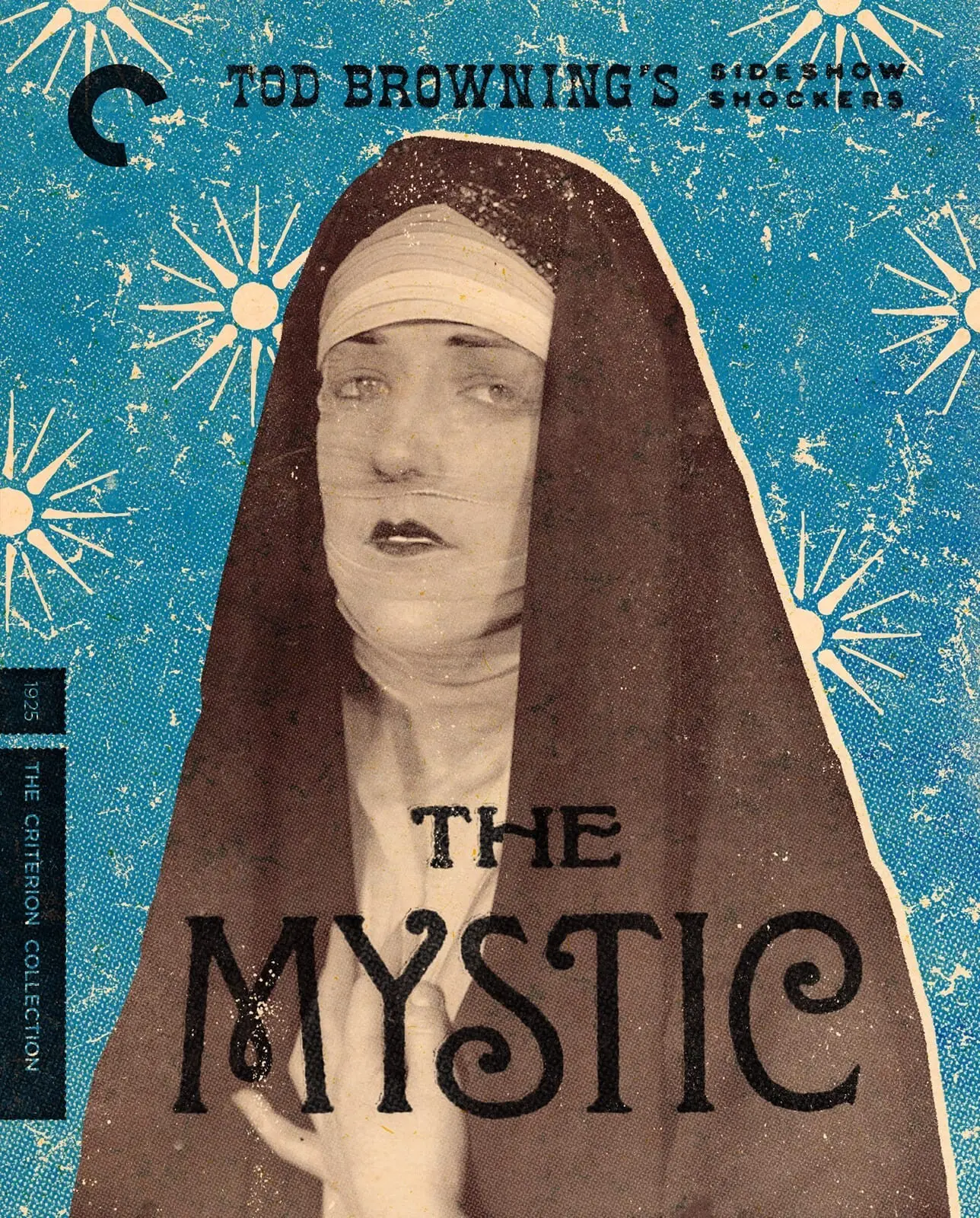
A definitive 6.6/10 rating for a film that redefined the boundaries of cult cinema. The Mystic remains a cornerstone of transgressive art.
The flickering shadows of Tod Browning's 1925 silent drama, "The Mystic," beckon viewers into a labyrinthine world where perception is a carefully constructed illusion and trust, a fragile commodity. Long before he would etch his name into the annals of horror with Dracula or shock audiences with Freaks, Browning was already a master architect of the uncanny, crafting narratives steeped in deception, the exotic, and the morally ambiguous. "The Mystic" stands as a compelling testament to his nascent genius, a film that, even a century later, retains a potent, unsettling charm. It's a journey into the heart of human avarice, cloaked in the guise of spiritual revelation, a common fascination of the era.
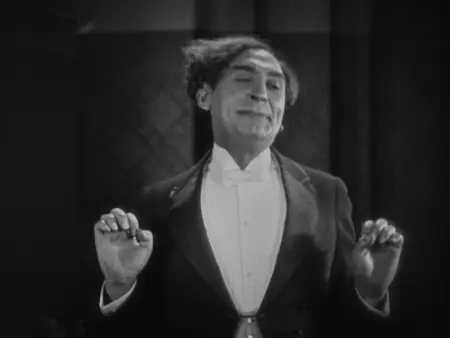
At its core, the narrative unfurls a meticulously planned criminal enterprise. An American schemer, Nash, played with a compelling blend of suave menace by Conway Tearle, orchestrates the importation of a troupe of Hungarian Romani individuals. These aren't just any common thieves; they are exotic instruments in a grander, more elaborate con. Their vibrant culture, their perceived mysticism, becomes a theatrical backdrop for Nash's machinations. The target of this elaborate charade is Doris Merrick, a woman of considerable wealth and, more importantly, impressionable vulnerability. Her jewels, her fortune, become the ultimate prize in this psychological chess match. The film delves not just into the mechanics of the crime, but into the insidious erosion of trust and the exploitation of faith, a theme Browning would revisit in various forms throughout his career.
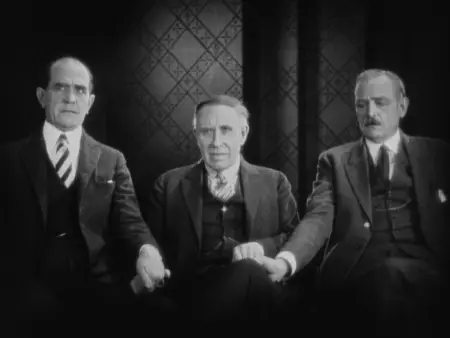
Central to this intricate deception is Zara, portrayed with captivating allure by Aileen Pringle. Zara is not merely a pawn; she is the queen on Nash's chessboard, a fake medium whose hypnotic presence and staged séances are the primary tools for ensnaring Doris. Pringle imbues Zara with a mesmerizing blend of mystique and calculated cruelty, her eyes conveying both a practiced spiritualism and a hidden cynicism. The film excels in showcasing the psychological dance between Zara and Doris, as the former slowly but surely peels away the latter's defenses, convincing her that the spirit world demands her earthly treasures. It's a chilling portrayal of manipulation, a slow-burn seduction of the mind rather than the body, and it highlights the pervasive belief in spiritualism that gripped many societies in the early 20th century. One might draw parallels to the subtle, yet equally destructive, forms of deceit explored in films like Foolish Lives, where moral ambiguity reigns supreme, or the intricate criminal planning seen in The Yellow Traffic, though with a distinctly more psychological edge.
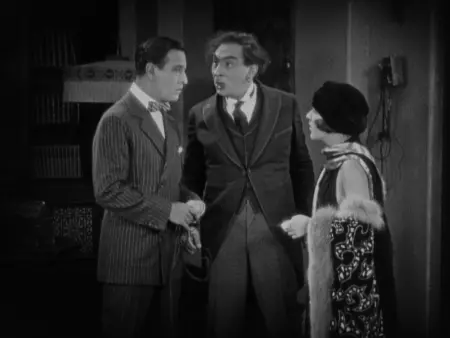
Browning's directorial signature is unmistakable throughout "The Mystic." He possessed a unique talent for exploring the fringes of society, for finding both pathos and menace in those deemed 'outsiders.' The Hungarian Romani characters, while instrumental to the plot's mechanics, are also imbued with a certain dignity and agency, challenging simplistic notions of good and evil. Browning's camera lingers on their faces, capturing their world with a blend of fascination and anthropological curiosity. This fascination with the 'other' is a recurring motif in his oeuvre, a thread connecting "The Mystic" to later, more overtly sensational works. He understood the power of atmosphere, using lighting and set design to create a palpable sense of unease, blurring the lines between the mundane and the supernatural, making the audience question what is real and what is merely an illusion. This thematic consistency is a hallmark of truly great directors, and Browning demonstrates it here with remarkable clarity and confidence.
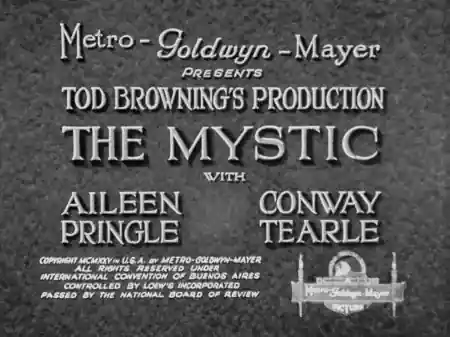
The performances in "The Mystic" are a masterclass in silent film acting, where emotions must be conveyed through exaggerated gestures, intense facial expressions, and the subtle interplay of gazes. Conway Tearle, as Nash, exudes a cold, calculating charm, his eyes often betraying the sinister machinations churning beneath a polished exterior. He's not a brute, but a puppet master, pulling strings with chilling precision. Aileen Pringle's Zara is a revelation, her performance oscillating between an almost ethereal grace during the séances and a sharp, cynical intelligence in her private moments. She navigates the complexities of a character who is both victim and perpetrator, a woman caught in a web of her own making, yet still maintaining a semblance of control. Supporting players like DeWitt Jennings, David Torrence, and Gladys Hulette, while not always in the spotlight, contribute significantly to the film's rich tapestry, each bringing a distinct flavor to their respective roles. Even in the silent era, the power of a well-assembled ensemble was paramount, and Browning clearly understood how to extract nuanced performances from his cast, making every glance, every tremor of the hand, speak volumes.
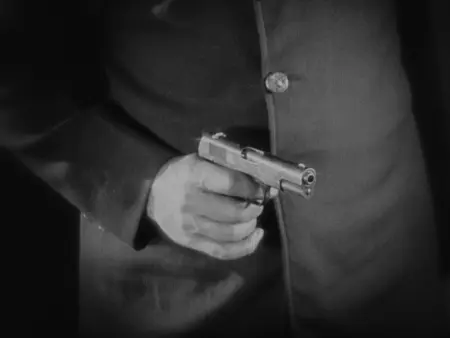
The visual storytelling, a cornerstone of silent cinema, is particularly strong in "The Mystic." Browning, along with his cinematographer, utilizes stark contrasts in lighting to emphasize the film's themes of light and shadow, truth and deception. The dimly lit séance rooms, shrouded in smoke and mystery, create a claustrophobic atmosphere that heightens the sense of the uncanny. Conversely, scenes set in the Romani camp, though still imbued with a sense of otherworldliness, often feel more vibrant, more alive, despite the underlying criminal intent. Intertitles are used judiciously, providing necessary exposition without interrupting the flow of the visual narrative. The production design, while perhaps not as opulent as some of the era's grander epics, effectively establishes the contrasting worlds of Doris Merrick's upper-class comfort and the transient, yet colorful, existence of the Romani troupe. It's a testament to the artistry of silent filmmakers that they could evoke such complex emotions and intricate plots with visual cues alone, a skill often underestimated in our dialogue-driven cinematic landscape. One could compare its evocative setting to the carefully constructed environments in Dangerous Days, where the backdrop itself becomes an active character in the drama.
Beyond its narrative and technical merits, "The Mystic" offers a fascinating glimpse into the socio-cultural landscape of the 1920s. The era was rife with a fervent fascination for spiritualism, séances, and fortune-telling, a cultural phenomenon often fueled by the aftermath of World War I and the Spanish Flu epidemic, which left many yearning for connection with lost loved ones. Mediums, both genuine and fraudulent, proliferated, and the public's appetite for the 'exotic' – particularly cultures like the Romani, often romanticized and simultaneously feared – was insatiable. Browning taps directly into these societal currents, exploiting both the public's credulity and its fascination. The film serves as a cautionary tale, reflecting the anxieties of a society grappling with rapid modernization and a lingering desire for the mystical. It's a stark reminder that the human desire for meaning and connection can be easily exploited by those with nefarious intentions. This exploitation of societal anxieties is a theme that echoes in other films of the era, such as Lest We Forget, which also delved into the psychological scars of a generation.
In a broader cinematic context, "The Mystic" solidifies Tod Browning's reputation as a unique voice in the silent era. His ability to blend melodrama with elements of the macabre and the psychologically unsettling set him apart. While not as overtly shocking as some of his later works, it showcases his developing skill in constructing intricate plots centered on deception and the exploitation of human weakness. The film's legacy lies in its subtle exploration of character and its atmospheric tension, demonstrating that horror doesn't always require overt monsters, but can reside in the darkest corners of the human heart. It's a film that, like a well-told ghost story, lingers long after the credits roll, its themes of manipulation and the blurred lines of reality resonating with timeless relevance. For those interested in the evolution of crime dramas or psychological thrillers, "The Mystic" is an essential watch, offering a nuanced look at the genre's silent beginnings. It stands shoulder to shoulder with other intriguing narratives of its time, perhaps even sharing thematic DNA with films like The Inner Voice in its exploration of hidden motives and moral quandaries.
Ultimately, "The Mystic" is more than just a forgotten relic of the silent age; it is a vibrant, unsettling piece of cinematic history that reveals the sophisticated storytelling capabilities of its era. With its compelling performances, intricate plot, and Tod Browning's distinctive directorial flair, it deserves renewed attention from film enthusiasts and scholars alike. It's a testament to the enduring power of a well-crafted narrative, proving that even without spoken dialogue, a film can speak volumes about the human condition, its frailties, and its darkest desires. So, dim the lights, silence your distractions, and allow "The Mystic" to transport you to a world where nothing is quite as it seems, and every shadow holds a secret.
IMDb 7.7
1925
Community
Log in to comment.