DbcultAccessing Vault...
6.2/10
Senior Film Conservator
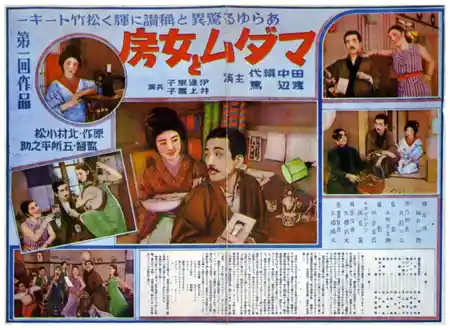
A definitive 6.2/10 rating for a film that redefined the boundaries of cult cinema. The Neighbor's Wife and Mine remains a cornerstone of transgressive art.
Alright, let’s talk about The Neighbor's Wife and Mine. If you’re into early Japanese cinema, or just really curious about how films felt back in 1931, this one's definitely worth a watch. Film historians will probably dig the early sound work, and anyone who’s ever tried to focus while their neighbors throw a rave will nod along in painful recognition. But honestly, if you need fast pacing, big drama, or anything that feels 'modern,' you might find yourself checking your watch. It’s a very specific kind of old movie.
The whole thing centers on this writer, Professor Morita, trying to pen a masterpiece. You know, the usual writer’s block stuff. He paces. He stares at the ceiling. His wife keeps interrupting, asking about the kids or where her knitting needles went. It’s all very domestic, very *real* in that quiet, everyday way.
But then, the jazz starts. 🎷
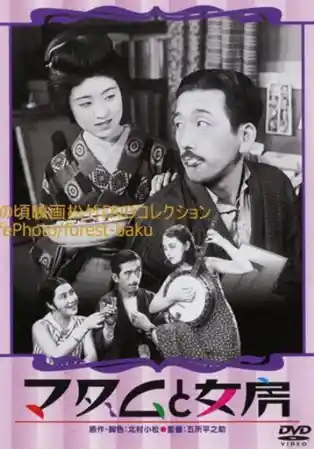
It’s a low thrum at first, then a full-blown party next door. The film does a surprisingly good job of building this annoyance. You see Morita flinch, then try to ignore it, then *really* try to ignore it. There’s a shot where he’s at his desk, head in his hands, just trying to block out the noise. We’ve all been there, right?
The pacing is… deliberate. We spend a *lot* of time with Morita just, well, suffering. His wife, played by Kinuyo Tanaka, is very sweet. She’s trying to be supportive, but she also has a million small things to do. The kids are just being kids. You get this sense of a busy household, even when it’s supposed to be quiet.
What really gets you is the neighbor’s wife. She sashays in, all smiles, with this sort of *glamorous* energy. She’s a stark contrast to Morita’s quiet, rumpled world. Her whole vibe is just so... *loud*, even before the music really kicks off.
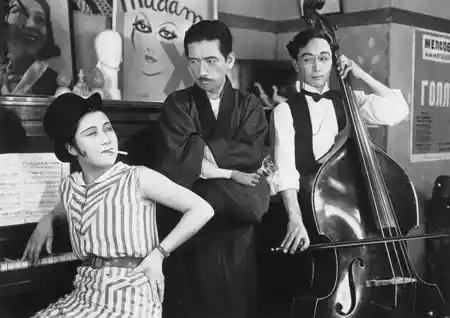
The film shifts gears pretty dramatically when Morita finally gives up and goes next door. Suddenly, we’re *in* the party. It’s vibrant, full of dancing, and everyone is having a grand old time. The shift from his quiet frustration to this lively scene is quite jarring, actually. Almost like stepping into another movie.
You can hear bits of actual jazz music, which for 1931, is pretty neat. This was a part-talkie, meaning not fully sound, but they used it when it mattered. The sounds of the party, the bits of dialogue – it really pops in those moments. It makes you realize how much of a novelty sound was back then. Like, 'Oh wow, you can *hear* them talking!'
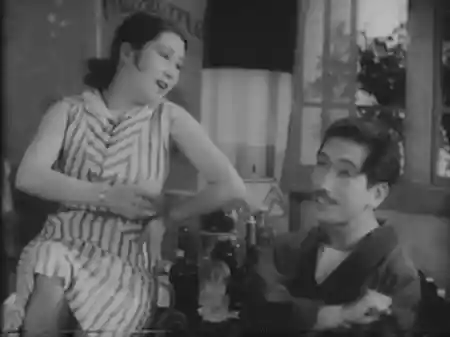
One moment stuck with me: Morita’s face when he’s watching the dancing. It’s not just anger anymore. There’s a hint of… longing? Or maybe just exhausted curiosity. It’s not totally clear, and that’s kinda cool. The film doesn’t spoon-feed you his exact emotion there.
The movie is short, just over an hour. It doesn't overstay its welcome, which is good because the plot is pretty thin. It’s mostly an exploration of a feeling: the crushing weight of distraction when you just want to create. Or maybe, the strange allure of escaping your own work by peeking at someone else's fun.
While it’s not exactly a laugh-out-loud comedy, there are some really gentle, observational bits that are quite charming. Like the way his wife just *knows* he’s struggling, without him having to say much. Or the way Morita tries to sneak little sips of sake. Human stuff.
This film is a neat little time capsule. It shows you a bit of what early sound films could do, and how relatable some frustrations remain across nearly a century. If you appreciate the *craft* of early filmmaking and don’t mind a slower pace, give it a shot. Otherwise, maybe just listen to some jazz instead. 🎶
IMDb 5.1
1932
Community
Log in to comment.