DbcultAccessing Vault...
5.8/10
Senior Film Conservator
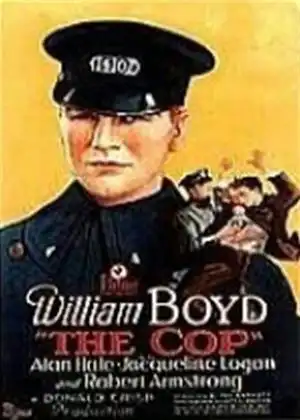
A definitive 5.8/10 rating for a film that redefined the boundaries of cult cinema. The Cop remains a cornerstone of transgressive art.
Alright, so The Cop. This one’s for the silent film enthusiasts, the kind of folks who don't mind a bit of melodrama and can appreciate the craft of early cinema, even when it’s creaking a little. If you’re looking for snappy dialogue, a tightly plotted narrative, or anything resembling modern pacing, you’ll probably find yourself checking your watch. But if you're open to something a bit more… handmade, with some genuinely striking moments and a few head-scratchers, it's worth a look. Not essential viewing, but certainly not a waste of time if you know what you’re getting into.
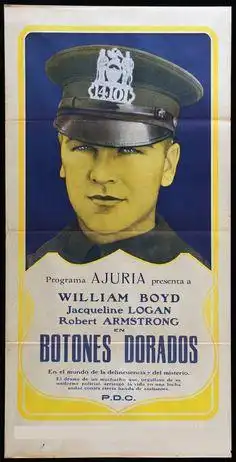
The film kicks off with Pete Smith, played by William Boyd, a lift bridge operator. His initial scenes really nail that sense of isolation. He’s in this tiny little cabin, just him and the levers, watching the world go by. The long shots of the harbor with ships passing under his bridge, then cutting back to Pete’s slightly vacant stare – it’s effective. You feel the quiet hum of the machinery and the weight of his solitude. His only regular visitor is Sgt. Coughlin, the beat cop, and their interactions are brief, almost perfunctory. It sets a mood, a good, lonely mood.
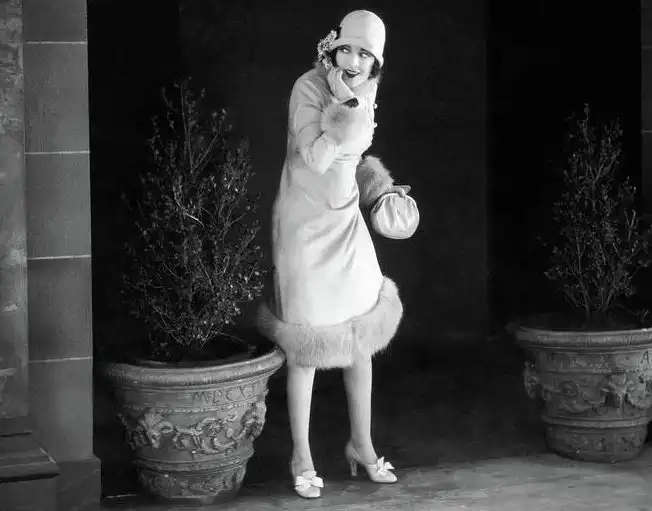
Then, suddenly, gunshots. And Pete, almost out of nowhere, decides to shelter a wounded man, Marcas. This is where the film takes its first sharp turn. The urgency of the moment feels a little manufactured. You can almost feel the movie trying to convince you this sudden act of kindness matters more than it actually lands. He hides Marcas from Coughlin, and there’s a brief, almost too-quick exchange where Marcas promises to return the favor. He even borrows Pete's coat, which, honestly, feels like a detail someone just threw in there.
Later, Pete joins the police. This transition is handled with a swiftness that almost makes you laugh. One minute he’s pulling levers, the next he’s in uniform. There’s no real sense of why he makes this jump, no internal struggle. He just… becomes a cop. It’s a silent film shortcut, I guess, but it feels a bit jarring. Suddenly he’s part of this bustling police station, a stark contrast to his solitary bridge life, but the film doesn't really dwell on his adjustment.
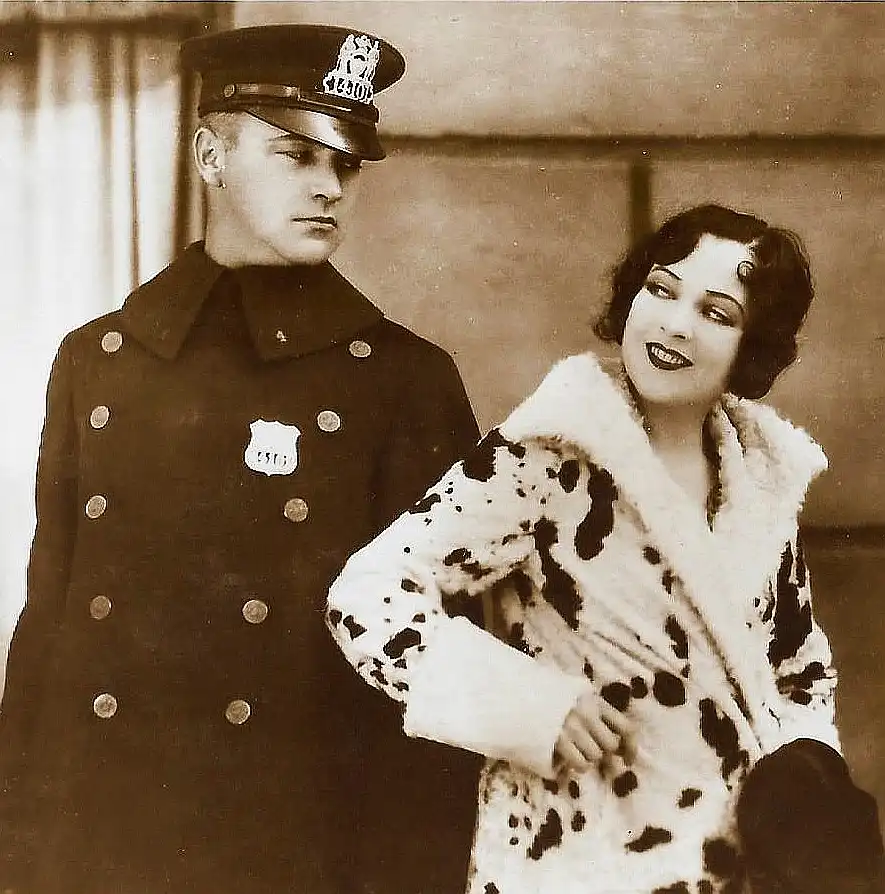
Chief Mather, played by Alan Hale, quickly suspects Pete has a connection to the gangster Marcas. Hale's performance here is all furrowed brows and suspicious glances. It’s the kind of acting where you know exactly what the character is thinking, even without an intertitle. Not subtle, but effective for the era.
The plot thickens with the arrival of Mary Monks, sent by Marcas to deliver a rather luxurious, fur-collared coat to Pete. Now, this coat. It's really something. It feels like a character in itself, almost too fancy for Pete, a former bridge operator turned beat cop. The contrast is visually a little funny. Jacqueline Logan as Mary has a good presence, though. She and Boyd have a decent, understated chemistry. It's not sizzling, but you believe they might start to care for each other, which, for a silent film, is often all you need.
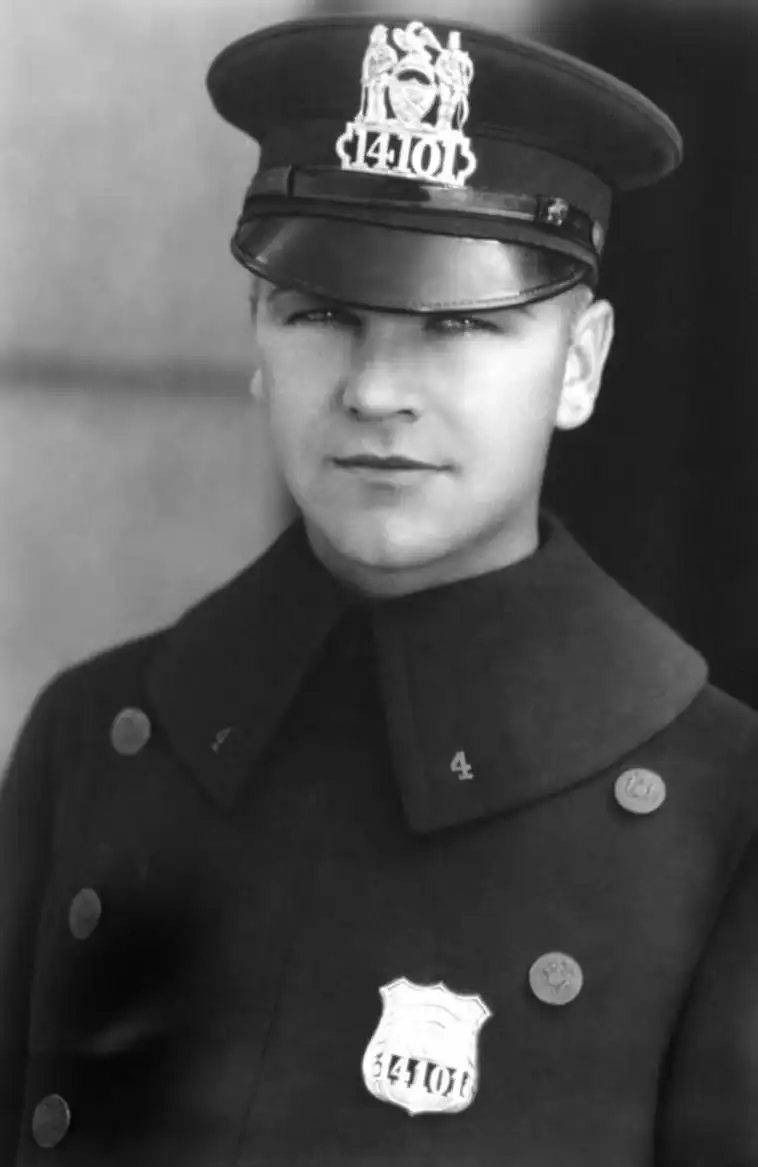
Mary's betrayal of Marcas for Pete's sake feels a little rushed, a little too convenient. She just… switches sides. The film doesn't give us much time to understand her motivations beyond a general sense of 'falling for the good guy.' It's a common trope, but here it feels like a necessary plot point rather than a truly earned emotional shift.
But then we get to the climax, and oh boy, the climax. Marcas is cornered by the cops. He's got his mob with him, and they're about to kill Pete. And Marcas, the gangster, stops his own mob from killing Pete. Then, almost immediately, he’s shot to death by the police. This moment. It’s wild. It’s a sudden, jarring shift from villainy to self-sacrificing anti-hero in about thirty seconds. One moment he’s ordering a hit, the next he's protecting the man who sheltered him. It’s dramatically clunky, but also, in its own strange way, kind of memorable. You don't often see a villain get such a last-second redemption arc that's then immediately cut short by a hail of bullets. It almost feels like they needed Marcas dead for the plot, but also wanted to give him some kind of moral pivot, even if it made absolutely no sense. It’s a moment that sticks with you precisely because of its awkwardness.
Mary then just… goes away alone into the night. It’s a classic silent film ending for the 'troubled woman.' Poignant, I suppose, but also a little abrupt. You're left wondering what happens next for her, but the film doesn't care. It’s Pete’s story, mostly.
And Mather, the chief, finding out Pete is protecting Mary, drops the evidence. A final gesture of understanding. It's a neat little wrap-up, a quick nod to the idea that some rules are meant to be bent for a good heart. It’s a surprisingly gentle ending after all the gangster theatrics, almost like a sigh of relief from the film itself.
Overall, The Cop is a curiosity. It has some surprisingly effective character beats, particularly in Pete’s early scenes of loneliness, and a few genuinely baffling narrative choices that make it stand out. The acting is typical for the era – broad, but sincere. The pacing drags in parts, then rushes through others. But for those interested in the often-strange, always-earnest world of silent cinema, there are worse ways to spend an evening. Just don't expect a masterpiece. Expect a film with a very nice fur coat and a gangster who just couldn't make up his mind until the very last second.
IMDb 6.7
1936
Community
Log in to comment.