DbcultAccessing Vault...
Cult Review
Senior Film Conservator
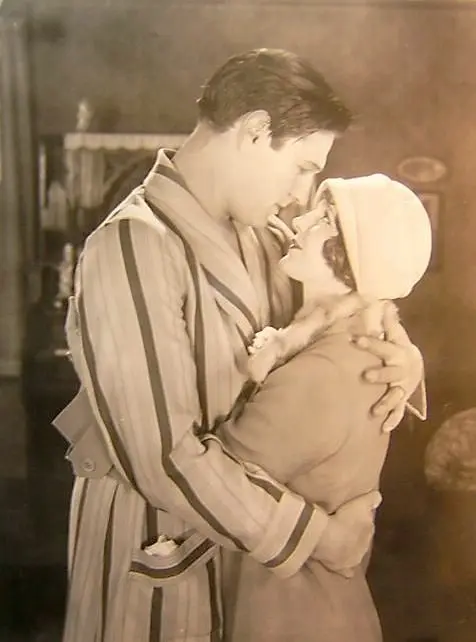
Is 'The New Champion' a film that still resonates in the modern cinematic landscape? Short answer: yes, but with significant caveats. This silent-era boxing drama will undoubtedly appeal to dedicated enthusiasts of early cinema and those fascinated by the foundational narratives of the underdog trope, yet it's unlikely to captivate casual viewers accustomed to contemporary pacing and nuanced character development.
This film is for the cinephile who appreciates historical context, the evolution of storytelling, and the raw, often exaggerated, performances characteristic of the 1920s. It is decidedly not for audiences seeking complex plots, deep psychological dives into characters, or the high-octane realism of modern sports dramas. Approach it as a historical artifact with flashes of enduring charm, and you’ll find value. Expect anything more, and you might be disappointed.
This film works because it efficiently delivers a timeless underdog narrative, a simple yet effective blueprint that still inspires storytelling today. Its silent performances, while broad, convey the core emotions required for the plot, especially the determination of its protagonist.
This film fails because its simplicity often borders on superficiality. The characters are archetypes rather than individuals, and the romantic subplot feels perfunctory, a mandatory addition rather than an organic development. The pacing, even for a silent film, can feel sluggish outside of the core boxing sequences.
You should watch it if you are a student of film history, a fan of early boxing movies, or someone curious about how foundational narrative tropes were established in cinema's formative years. It’s a snapshot of a particular moment in cinematic evolution.
'The New Champion', a 1925 silent feature penned by Dorothy Howell, wastes little time in establishing its central conflict and protagonist. The narrative hinges on a classic setup: an established champion, 'Knockout' Riley (Frank Hagney), is suddenly incapacitated, paving the way for an unexpected hero. This sudden turn, a car accident, is less a moment of tragedy and more a convenient plot device, a clear signal that destiny is about to intervene.
Enter Bob (William Fairbanks), a blacksmith's assistant whose brawn and unassuming nature are quickly positioned against the backdrop of professional pugilism. His transition from the anvil to the ring is swift, almost immediate, embodying the quintessential 'man of the people' who rises to a challenge. The film doesn't dwell on his training or his internal struggles; instead, it presents his ascent as an almost inevitable consequence of circumstance, a narrative choice that prioritizes momentum over psychological depth.
The film’s plot, while straightforward, is its most robust element. It understands the power of a clear goal: winning the fight and, by extension, the damsel. This dual motivation, while common in the era, provides enough scaffolding for the ensuing drama. The simplicity of the narrative is both its strength and, at times, its greatest limitation, leaving little room for subtext or nuanced character arcs. It is a story told with blunt force, much like the punches thrown in the ring.
The setup effectively creates an immediate investment in Bob's journey, even if that investment is purely surface-level. We want to see the underdog triumph, a primal desire that transcends eras and cinematic styles. The film taps into this without pretense, delivering exactly what its premise promises: a feel-good story of an unlikely victor.
In silent cinema, acting is a language of the body, of exaggerated expressions and broad gestures designed to convey emotion without a single spoken word. 'The New Champion' is a textbook example of this style, with its cast delivering performances that are both earnest and, by modern standards, occasionally theatrical to the point of caricature.
William Fairbanks, as Bob, embodies the stoic, determined hero with a commendable physical presence. His portrayal is less about internal turmoil and more about external resolve. When he clenches his jaw or throws a punch, his conviction is palpable. There’s a raw, unpolished quality to his performance that suits the character of a blacksmith turned fighter. He doesn't need to speak; his posture and the intensity in his eyes tell the story of a man focused on victory.
Frank Hagney, as the unfortunate 'Knockout' Riley, has a brief but impactful role. His initial swagger as the champion quickly gives way to the frustration and despair of injury. While his emotional beats are broad, they effectively communicate the sudden reversal of fortune that kickstarts the entire plot. It’s a foundational performance in its brevity, setting the stage for the true champion to emerge.
The female leads, Lotus Thompson and Marion Court, fulfill the roles of the damsel and possibly a romantic rival or friend, respectively. Their performances, typical of the era, rely on overt displays of emotion – wide eyes for surprise, hands clasped for concern, and delicate smiles for affection. While they lack the depth we expect today, they serve their purpose in providing the romantic stakes necessary for Bob's ultimate triumph. The chemistry, or lack thereof, between Bob and his love interest is less about nuanced interaction and more about the simple fact of attraction and eventual pairing, a common trope of the period.
Bert Appling and Al Kaufman, likely playing opponents or trainers, contribute to the authentic, albeit staged, boxing atmosphere. Their physicality adds a layer of realism to the fight sequences, which, despite their age, still convey a sense of genuine struggle. The ensemble, while not pushing any boundaries, collectively delivers a cohesive and understandable narrative through their physical storytelling.
The direction in 'The New Champion' is functional, prioritizing clear storytelling over stylistic flourishes. The camera work, while not groundbreaking, is effective in capturing the essential action, particularly within the boxing ring. Close-ups are used judiciously to highlight key emotional moments or crucial blows, ensuring the audience grasps the intensity of the fight.
Cinematography of the silent era often faced technical limitations, yet 'The New Champion' manages to create a palpable atmosphere, especially during the climactic bout. The lighting, while simple, effectively delineates the fighters and the drama unfolding under the bright arena lights. There’s a certain grit to the black and white photography that lends itself well to the subject matter, enhancing the raw, physical nature of the sport.
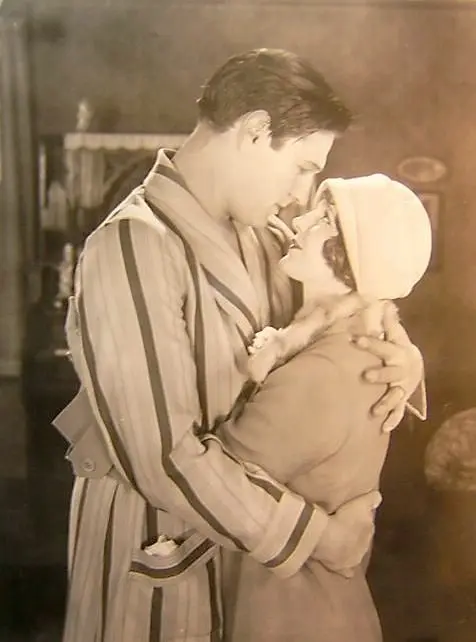
One particular sequence that stands out is the depiction of Riley's car accident. While brief, the visual storytelling clearly communicates the suddenness and severity of the event without relying on complex effects. It's a testament to the era's ingenuity in conveying significant plot points with minimal resources. The film understands its limitations and works within them, rather than trying to exceed them, which often leads to a more coherent product.
The editing maintains a steady pace, building tension towards the final fight. While not as dynamic as later boxing films, the cuts during the fight sequences are designed to emphasize the back-and-forth nature of the struggle, allowing the audience to follow the punches and the reactions. It’s a straightforward approach, but it works to keep the audience engaged in the core conflict.
Comparing it to another film of the era, like The Marriage Maker, one can see a similar commitment to clear narrative progression, though 'The New Champion' benefits from the inherent drama of its sports theme, which naturally lends itself to visual excitement. The director, whose name isn't readily available in the provided context but was likely a competent craftsman of the period, understood how to leverage the visual medium for maximum narrative impact.
The pacing of 'The New Champion' is undeniably a product of its time. Silent films often had a different rhythm than modern cinema, allowing scenes to linger, relying on intertitles to convey dialogue and internal thoughts. For contemporary viewers, this can feel slow, particularly in the film's earlier segments before Bob enters the ring.
However, once the narrative shifts fully to Bob's boxing journey, the pace picks up considerably. The training montages, though rudimentary by today's standards, and the actual fight sequences inject a much-needed energy. The film understands that its climax must deliver on the promise of a thrilling bout, and it largely succeeds in this regard.
The tone is overwhelmingly earnest and optimistic. There’s little cynicism or moral ambiguity; it’s a straightforward tale of good triumphing over adversity. The romantic subplot, while somewhat underdeveloped, contributes to this lighthearted, hopeful atmosphere. Even Riley's injury, which could have been played for more dramatic pathos, is quickly reframed as an opportunity, maintaining the film’s upbeat trajectory.
This unwavering optimism is a hallmark of many films from the 1920s, reflecting a desire for escapism and clear-cut heroism. 'The New Champion' doesn’t challenge its audience with complex themes or dark undertones; it aims to entertain and uplift, and in that, it largely succeeds. Its predictability is part of its charm, a comforting narrative that assures viewers of a satisfying conclusion.
At its core, 'The New Champion' explores themes that remain perennially popular: the underdog's triumph, the role of chance in shaping destiny, and the pursuit of both glory and love. Bob's journey is a classic rags-to-riches narrative, albeit one confined to the boxing ring. He represents the everyman, the individual who, through sheer determination and a stroke of luck, can rise above his station.
The film subtly touches upon the idea of second chances and unexpected opportunities. Riley's injury, while unfortunate for him, is a literal open door for Bob. This speaks to a broader human experience – the idea that one person's misfortune can be another's breakthrough. It’s a simple observation, but potent in its implications.
The romantic subplot, though brief, reinforces the idea that true victory often involves more than just professional success. The 'damsel' is not merely a prize but a symbol of the complete life, a happy ending that extends beyond the roar of the crowd. This intertwining of personal and professional triumph is a common thread in storytelling, grounding the athletic spectacle in relatable human desires.
What's perhaps most surprising about 'The New Champion' is how well its core themes have aged. While the execution is dated, the underlying message of perseverance and the thrill of an unexpected victory still resonate. It’s a testament to the power of archetypal storytelling that even a film from nearly a century ago can convey such enduring ideas.
My unconventional observation: The true star of 'The New Champion' isn't Bob or Riley, but the concept of chance itself. The car accident is the primary catalyst, more powerful than any character's individual will in setting the plot in motion. It's a stark reminder of how external forces dictate our paths, a brutal simplicity in its narrative design.
For the casual viewer, 'The New Champion' will likely feel slow and dated. Its silent film conventions, while historically significant, can be a barrier to entry. The performances are broad, the plot straightforward, and the emotional depth limited.
However, for the discerning film historian, the boxing enthusiast, or anyone interested in the foundational elements of cinematic storytelling, it offers genuine value. It’s a window into an earlier era of filmmaking, showcasing how compelling narratives were constructed without dialogue or elaborate special effects. It's a solid example of early sports cinema.
This film provides a clear blueprint for countless underdog stories that followed. It's not a hidden masterpiece, nor is it a forgotten gem of unparalleled brilliance. It is, rather, a competent and historically relevant piece of cinema that delivers on its simple promise. It works. But it’s flawed.
'The New Champion' is a foundational piece of silent cinema, particularly within the sports genre. It delivers a classic underdog story with earnest performances and effective, if unsophisticated, direction. While its pacing and lack of character depth will undoubtedly challenge contemporary viewers, its historical value and the enduring appeal of its core narrative make it a worthwhile watch for specific audiences.
It’s not a film that will redefine your understanding of cinema, but it will certainly deepen your appreciation for its origins. For those willing to engage with its historical context, 'The New Champion' offers a charming, if somewhat simplistic, glimpse into the early days of Hollywood storytelling. It’s a solid win for historical interest, even if it doesn't quite go the distance for modern critical acclaim.
IMDb 6.6
1932
Community
Log in to comment.