DbcultAccessing Vault...
Cult Review
Senior Film Conservator
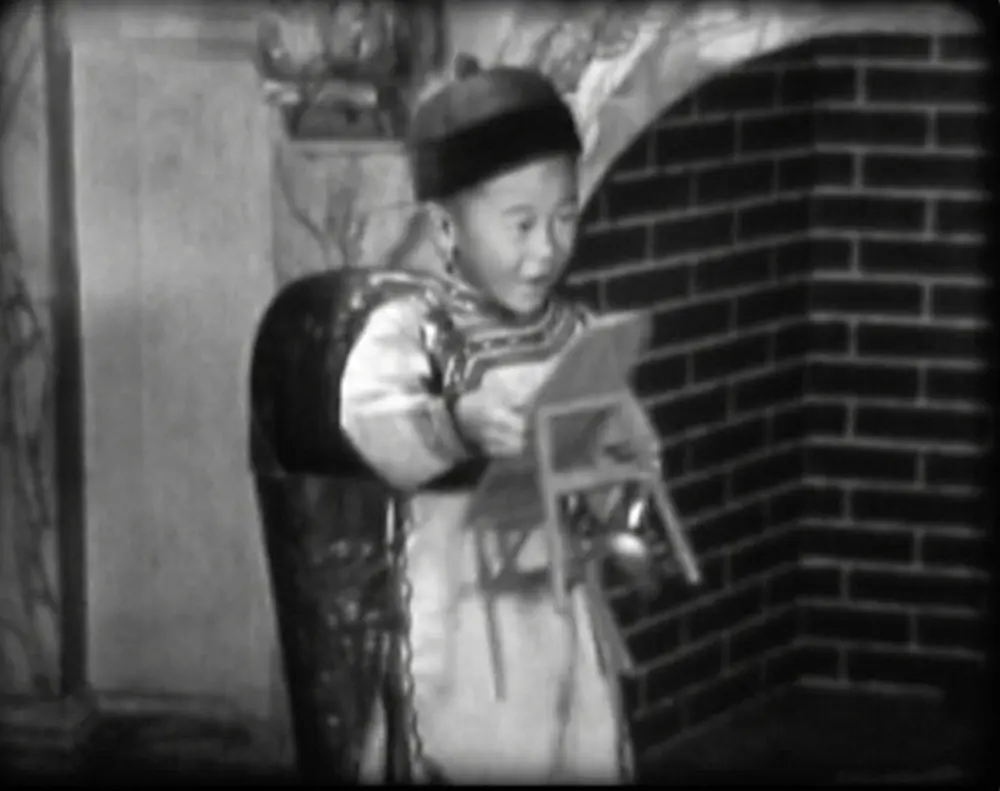
Is The Newlyweds' Christmas Party a holiday classic worth revisiting today? Short answer: No, unless you are a dedicated historian of silent-era slapstick or a fan of newspaper-strip-to-screen adaptations.
This film is specifically for those who enjoy the mechanical, high-energy chaos of the 1920s short-form comedy. It is definitely not for anyone seeking a nuanced narrative or a heartwarming holiday message that resonates with modern sensibilities.
1) This film works because Sunny Jim McKeen (Snookums) possesses a naturalistic screen presence that manages to be both adorable and genuinely unsettling, providing a focal point for the otherwise scattered slapstick.
2) This film fails because the narrative is essentially a series of disjointed vignettes that lack a cohesive emotional arc, making the 20-minute runtime feel surprisingly taxing.
3) You should watch it if you want to see how early cinema translated the static energy of the Sunday funnies into moving pictures, or if you're curious about the technical limitations of late-1920s domestic sets.
George McManus was a titan of the comic strip world, and his visual style was defined by clean lines and architectural precision. Translating that to the screen in 1927 was no small feat. Unlike the more surrealist elements found in Monkeys Prefer Blondes, this film tries to ground its absurdity in a recognizable domestic space.
The set design of the newlyweds' apartment is surprisingly detailed. You can see the influence of McManus's penchant for interior decoration in the way the furniture is arranged—only for the McDougall kids to systematically dismantle it. It’s a visual representation of middle-class aspiration meeting the reality of childhood entropy.
The camera work is static, which was common for these Stern Brothers productions. It acts as a proscenium arch, allowing the actors to move in and out of the frame like a stage play. This lack of dynamic movement makes the film feel older than its 1927 release date, especially when compared to the more fluid cinematography found in Disraeli or even the dramatic weight of The Silence of Dean Maitland.
Sunny Jim McKeen, as Snookums, is the undisputed engine of this film. While Ethlyne Clair and Ed Dooley provide the 'straight' performances required of the titular newlyweds, they are often sidelined by the toddler’s antics. This was a common trope in the series, but here, the Christmas setting amplifies the stakes.
In one specific scene, Snookums interacts with the Christmas tree in a way that feels genuinely dangerous. There is no CGI here; it is just a child, a very flammable-looking tree, and a series of heavy glass ornaments. The tension doesn't come from the comedy, but from the sheer physical risk of the stunt. It’s a far cry from the calculated safety of modern family films.
McKeen’s performance is fascinating because it isn't 'acting' in the traditional sense. He is reacting to the chaos around him. His facial expressions—often blank or mildly confused—serve as a perfect foil to the over-the-top mugging of the adult actors like Bobby Newman and Arthur Aoyama. The kid is the only one who feels real.
The arrival of the McDougall Kids shifts the film from a domestic comedy into a full-blown riot. This group of child actors was a staple of the series, and their chemistry is undeniable. They move as a single unit of destruction, much like the kids in the 'Our Gang' shorts, but with a more aggressive edge.
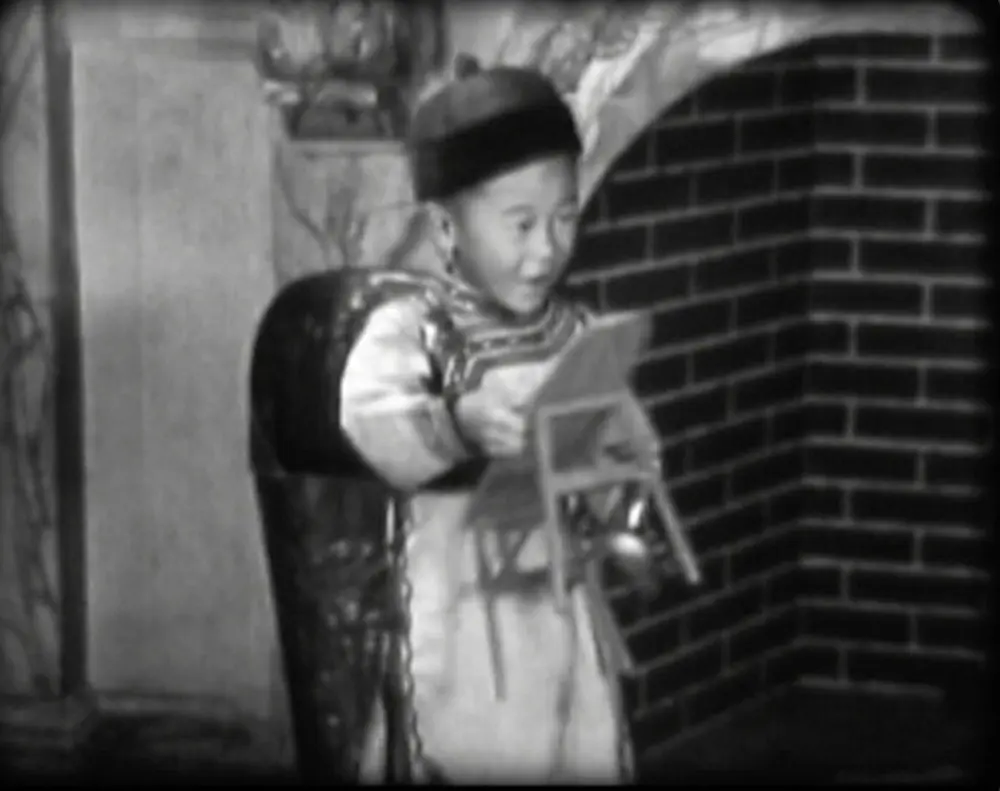
Consider the moment they enter the party. They don't just walk in; they invade. Within thirty seconds, the punch bowl is compromised, and the social hierarchy of the party is demolished. It’s a brutal critique of the idea that children can be integrated into adult social functions. The film takes a stance: you can have a nice party, or you can have kids. You cannot have both.
This cynicism is what keeps the film from being a 'warm' holiday watch. It’s actually quite mean-spirited at times. Compared to the romantic idealism of Soul Mates, this is a much darker look at the 'happily ever after' promised by marriage and parenthood. The newlyweds look exhausted because they are.
The pacing of The Newlyweds' Christmas Party is its biggest hurdle. Silent comedy relies on a specific rhythm—setup, anticipation, and payoff. Here, the setups are often too long, and the payoffs are repetitive. Once you’ve seen one child fall into a cake, you’ve seen them all.
The film lacks the inventive gag-writing of a Buster Keaton or Harold Lloyd short. It relies heavily on the 'cuteness' of the children to carry the humor. If you don't find 1920s children doing mildly annoying things funny, this film will be a chore. It lacks the visual poetry of Le rêve or the gritty realism of Back to Yellow Jacket.
However, the lighting is surprisingly effective for a low-budget short. The use of high-key lighting creates a festive, bright atmosphere that contrasts sharply with the darkening mood of the host. You can see the sweat on Ed Dooley’s brow as he tries to maintain his dignity. The film captures the physical toll of 'hosting' better than many modern comedies.
Is The Newlyweds' Christmas Party worth watching for a modern audience?
Only for historical curiosity. It offers a window into the 1920s obsession with child stars and comic strip adaptations. If you are looking for a laugh-out-loud comedy, you will likely be disappointed. The humor is dated and the pacing is sluggish. However, as a document of its era, it is a fascinating, if loud, relic.
Pros:
Cons:
When placed alongside other films of the time, like I'm the Sheriff or Town Terrors, this film feels remarkably safe. It doesn't take the risks that more experimental shorts were taking in the late 20s. It is a commercial product designed to capitalize on a pre-existing brand.
There is a lack of the 'theatrical' weight found in The Conquest of Canaan or the social commentary of Open Your Eyes. This is cinema as a distraction, nothing more. Even the acting style of Ananias Berry, while energetic, feels trapped in a bygone era of performance that was already being phased out by the time Cheated Hearts or His Darker Self were discussed in trade journals.
It's also interesting to compare the domestic 'lessons' here to Training for Husbands. While the latter tries to offer a satirical look at marriage, the former just throws a baby at the problem and calls it a day. It’s a simpler, cruder form of entertainment.
The Newlyweds' Christmas Party is a frantic, exhausting, and occasionally charming piece of silent history. It isn't a 'good' movie by modern standards, but it is a truthful one. It captures the universal nightmare of a holiday party gone wrong, led by a toddler who doesn't care about your social standing. It works. But it’s deeply flawed. The jokes hurt more than they heal. If you want to see the roots of the domestic sitcom, this is where they were planted—in the rubble of a broken Christmas tree.
IMDb —
1918
Community
Log in to comment.