DbcultAccessing Vault...
6.7/10
Senior Film Conservator
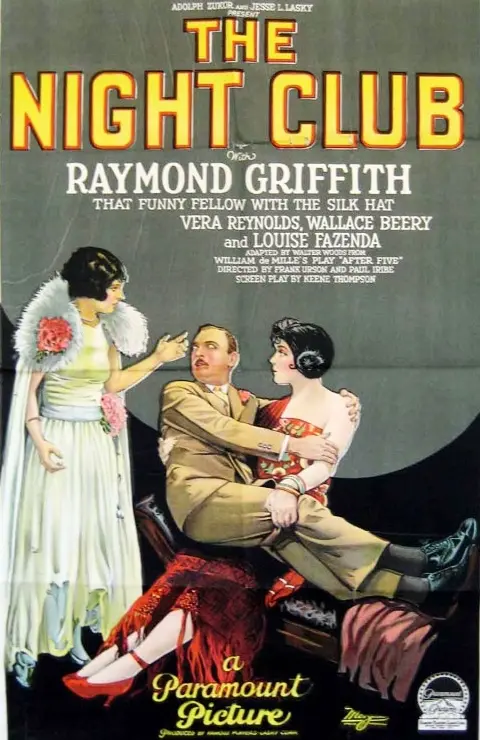
A definitive 6.7/10 rating for a film that redefined the boundaries of cult cinema. The Night Club remains a cornerstone of transgressive art.
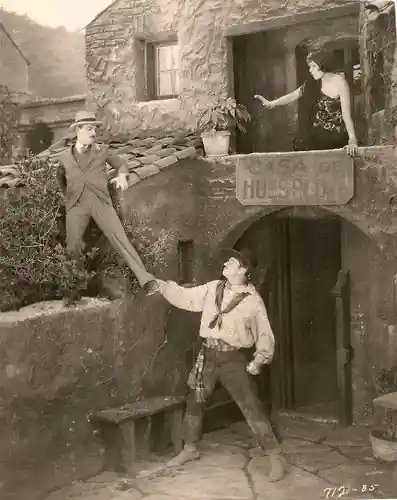
The The Night Club, a 1926 film directed by Walter Woods and produced by the legendary Cecil B. DeMille, stands as a testament to the evolving narrative techniques of early Hollywood. This comedy-drama follows the tumultuous journey of Raymond Griffith, a young man who, after being stood up at his own wedding, vows to avoid women entirely. His life takes a dramatic turn when he unexpectedly inherits a fortune, contingent upon his marriage. This newfound wealth and the prospect of wedlock propel him into a whirlwind of comedic and poignant experiences, leading to a series of encounters that challenge his initial resolve.
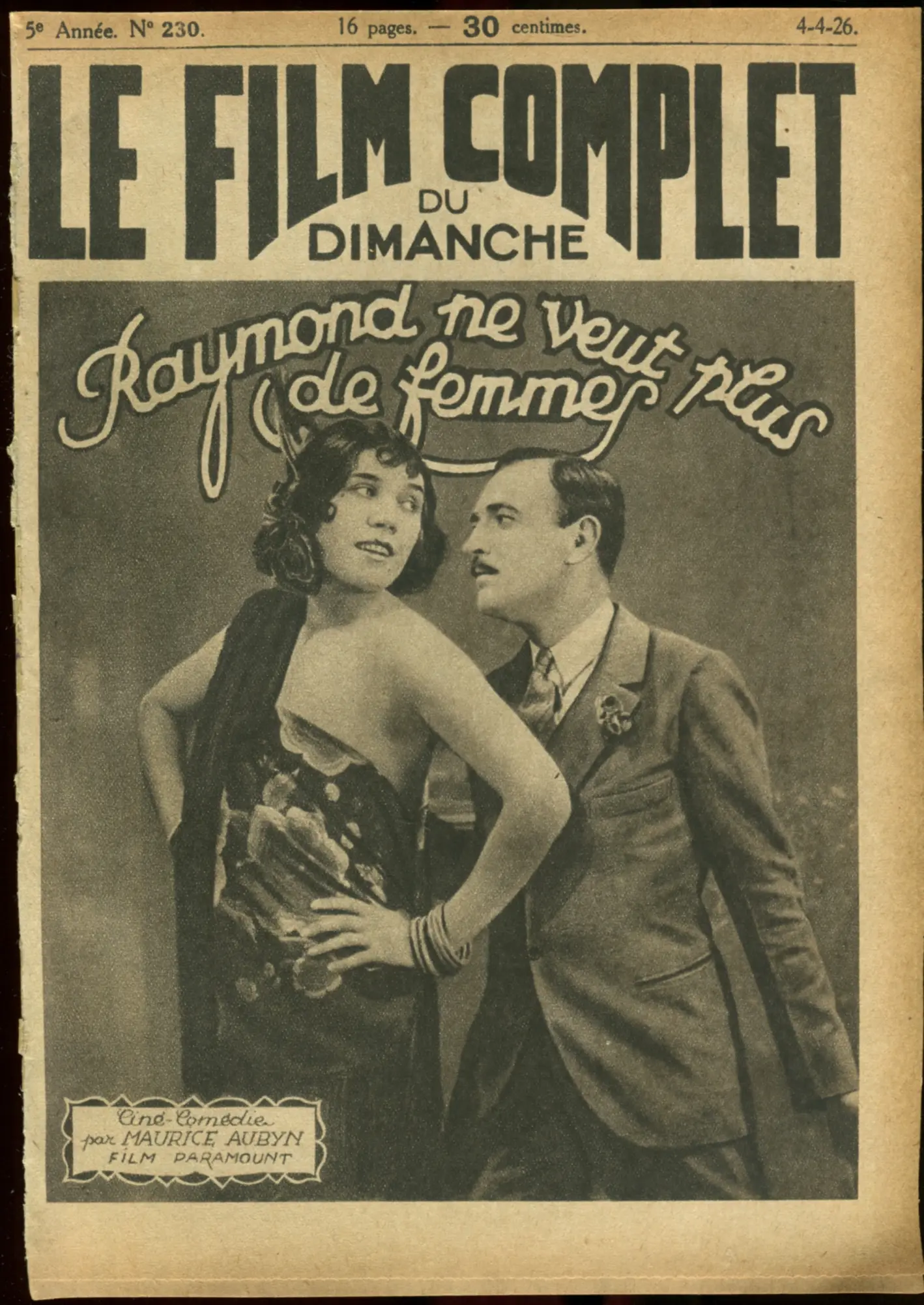
The film's narrative is both intricate and highly original, weaving together elements of social satire, romance, and financial drama. Set against the backdrop of a bustling, yet somewhat isolated, club environment, it captures the essence of early 20th-century society and its evolving attitudes towards marriage and wealth. William Austin and Louise Fazenda deliver strong performances, with Wallace Beery adding a layer of comedic relief as a recurring character. The interplay between these actors is crucial to the film's humor and emotional depth.
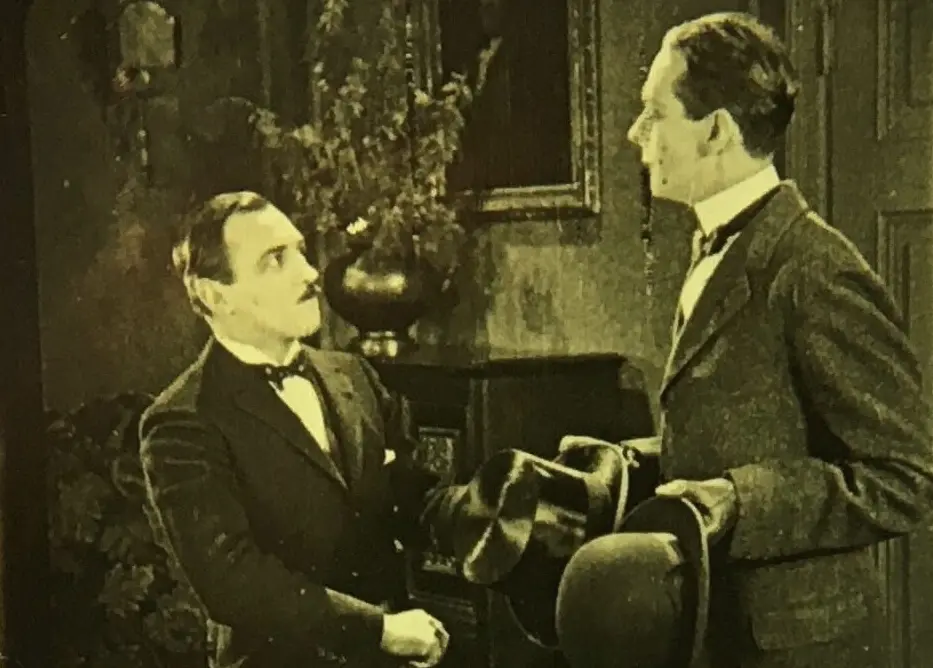
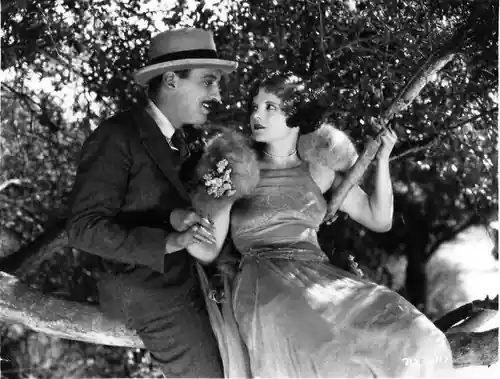
The visual elements of the film are noteworthy, particularly in how they enhance the story's themes. The club setting, with its opulent decor and lively atmosphere, serves as a microcosm of the broader societal issues at play. The costumes, reminiscent of the era, contribute to the film's authenticity and ambiance. The cinematography, by Walter Woods, effectively captures the dynamic interplay between the characters and their surroundings, adding a sense of realism and immediacy to the proceedings.
Comparatively, All Wet and Unclaimed Goods offer a similar blend of comedy and drama, though with different focuses. Unclaimed Goods, for instance, delves deeper into the themes of social climbers and their struggles, which, while relevant, differ from the more personal and internal journey of The Night Club. Similarly, Cheating the Public explores themes of financial deceit, which, though present, are not the central focus here.
The film's soundtrack, while not extensively detailed, plays a significant role in establishing the tone and mood. The use of live music and period-appropriate songs enhances the club atmosphere and contributes to the overall sense of nostalgia and authenticity. This attention to detail is commendable and adds layers to the viewer's experience, making the film more immersive and engaging.
The character development in The Night Club is particularly noteworthy. The protagonist's journey from a man determined to avoid women to someone who must confront his fears and desires is a compelling narrative arc. This transformation is not linear but rather marked by a series of humorous and sometimes poignant encounters. The supporting characters, including the recurring figure played by Wallace Beery, provide comic relief and add depth to the story. The interplay between these characters is both entertaining and insightful, reflecting the complexities of human relationships and societal expectations.
The film's handling of themes such as love, money, and social status is both nuanced and satirical. It critiques the superficial nature of these pursuits while also exploring their genuine emotional significance. The character of the young man, played by Raymond Griffith, embodies the struggle between idealism and pragmatism, and his journey is a microcosm of the broader societal changes of the time. The film's exploration of these themes is both timely and timeless, making it a relevant and engaging viewing experience even today.
The The Night Club's final act is particularly compelling, as the protagonist's resolve is tested and ultimately transformed. The resolution is satisfying, blending humor and emotional depth. The film's conclusion leaves a lasting impression, illustrating the complexities of human relationships and the often unpredictable nature of life.
In conclusion, The Night Club is a remarkable piece of early 20th-century cinema. Its originality, strong performances, and nuanced exploration of complex themes make it a must-watch for film enthusiasts and those interested in the evolution of narrative techniques. It stands as a testament to the creativity and skill of its creators and offers a unique glimpse into a bygone era of filmmaking.
IMDb —
1923
Community
Log in to comment.