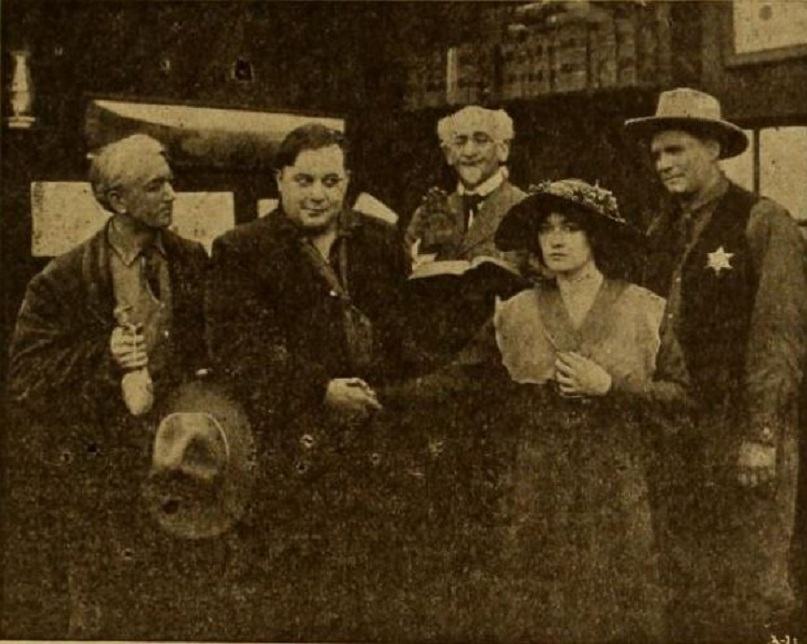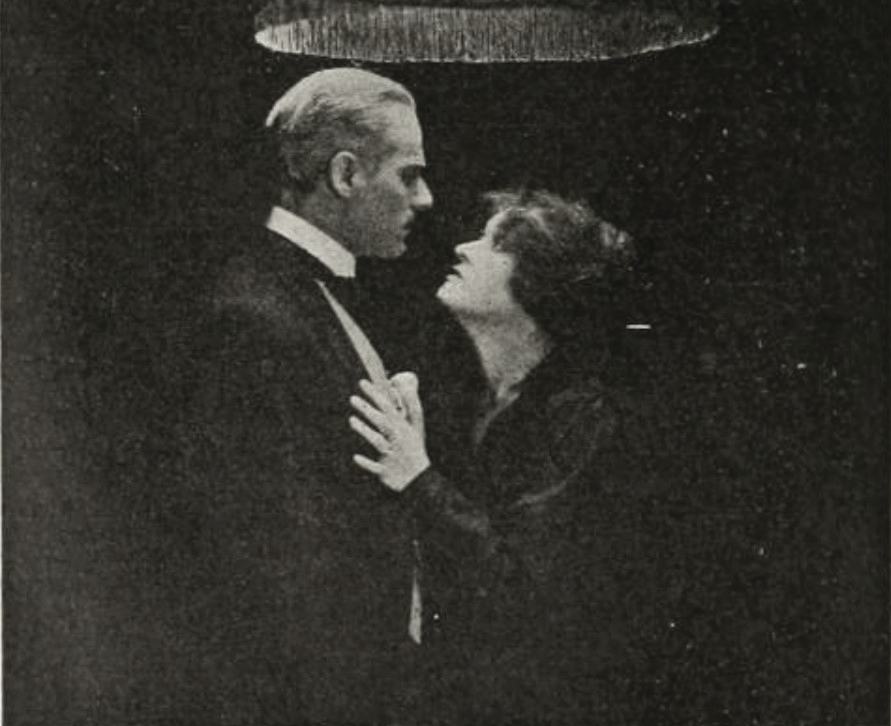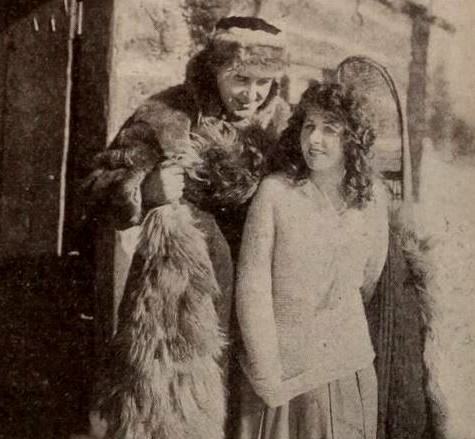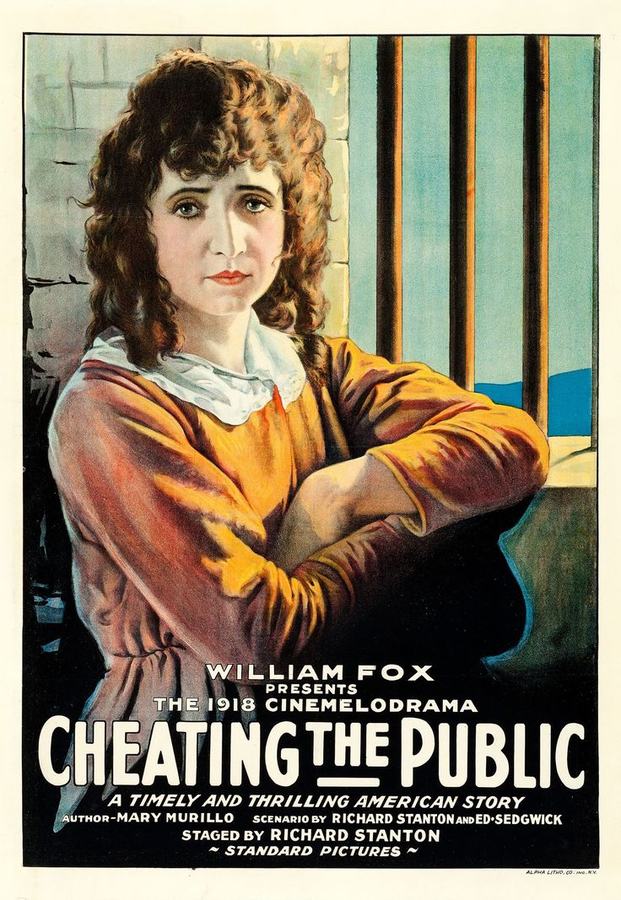
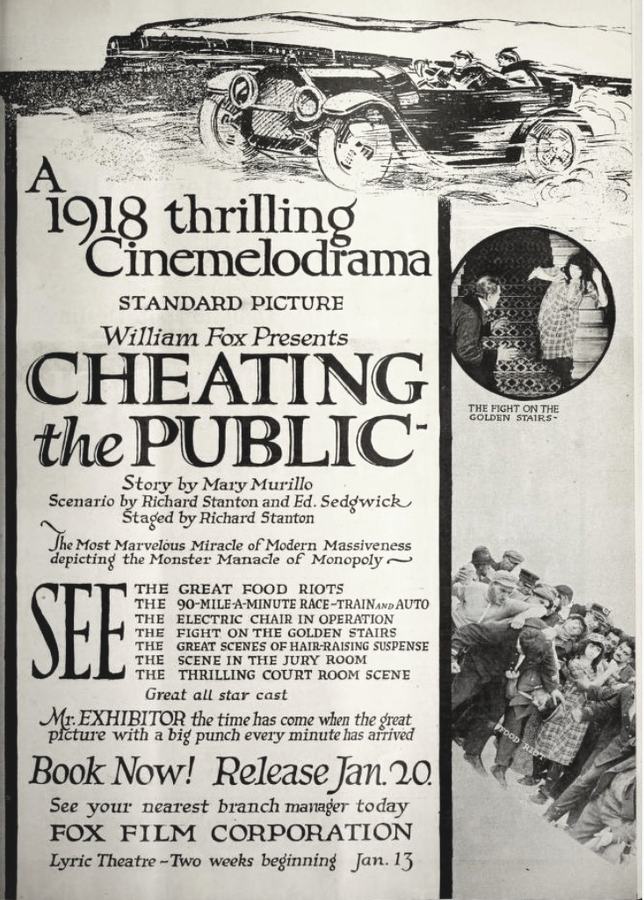
John Dowling, a greedy factory owner, cuts his employees' pay while raising their food prices at the company store. The employees strike but to no avail.
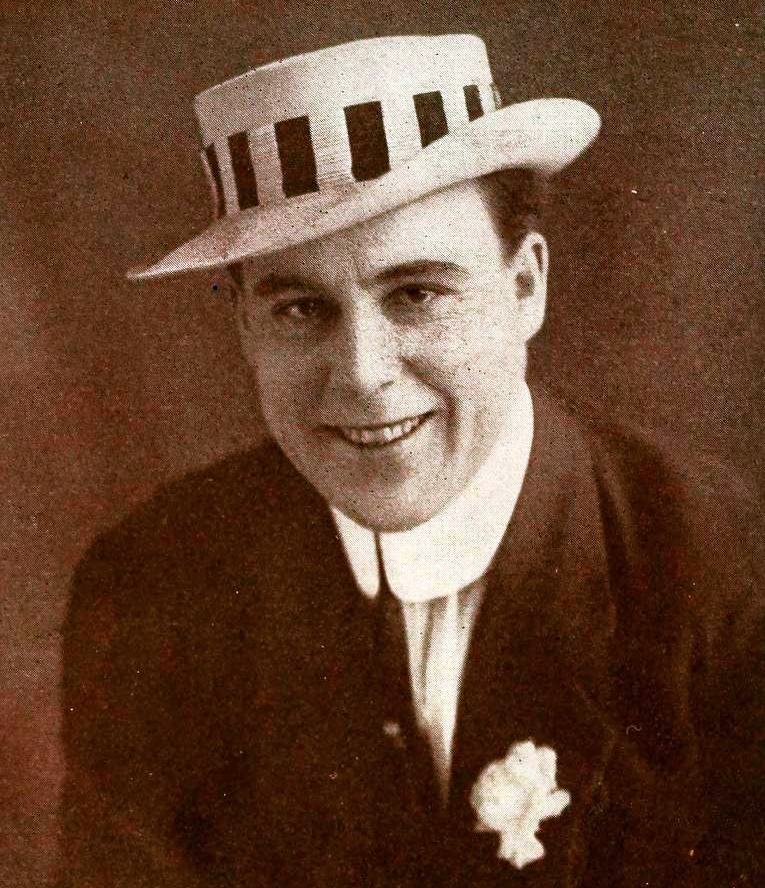
Edward Sedgwick, Richard Stanton, Mary Murillo
United States
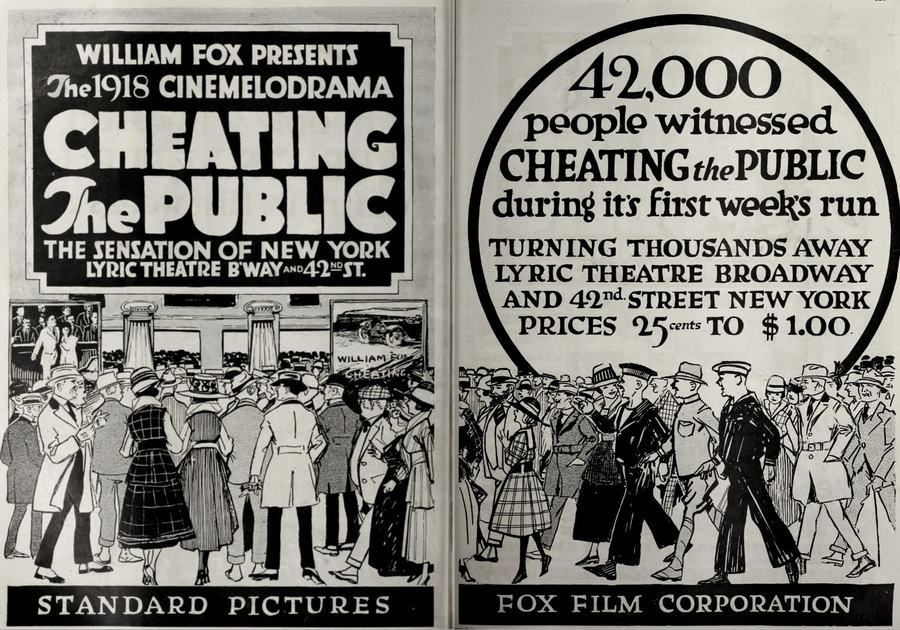
Silence screams loudest when the machinery of capital is greased with human fat. Cheating the Public—a title that cynically winks at its own audience—arrives like a coal-dust hurricane out of 1919, brandishing the sort of naked class rage that modern studio boards would vet into oblivion. Edward Sedgwick, Richard Stan...
publicity
publicity
Comparing the cinematic DNA and archive impact of two defining moments in cult history.
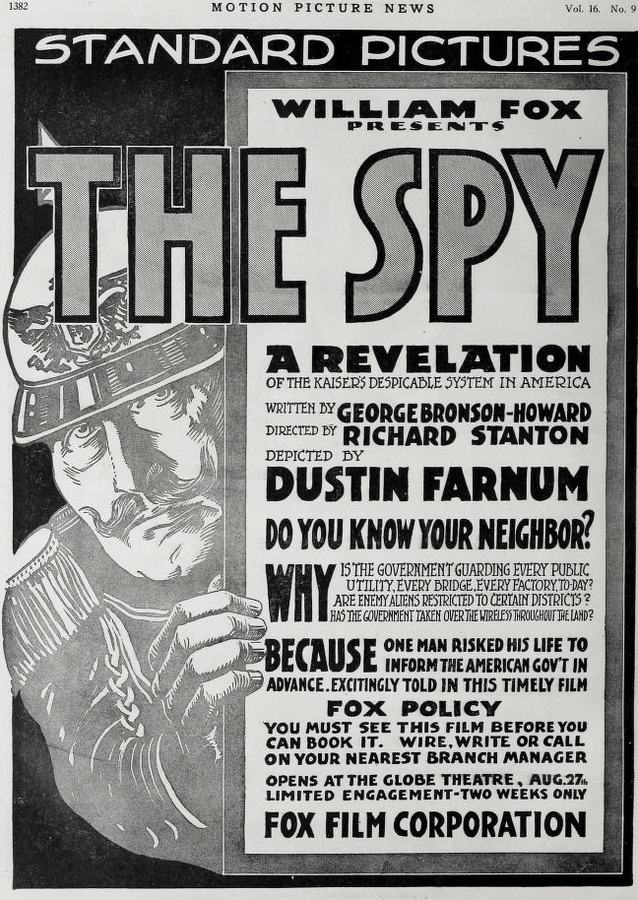
Richard Stanton
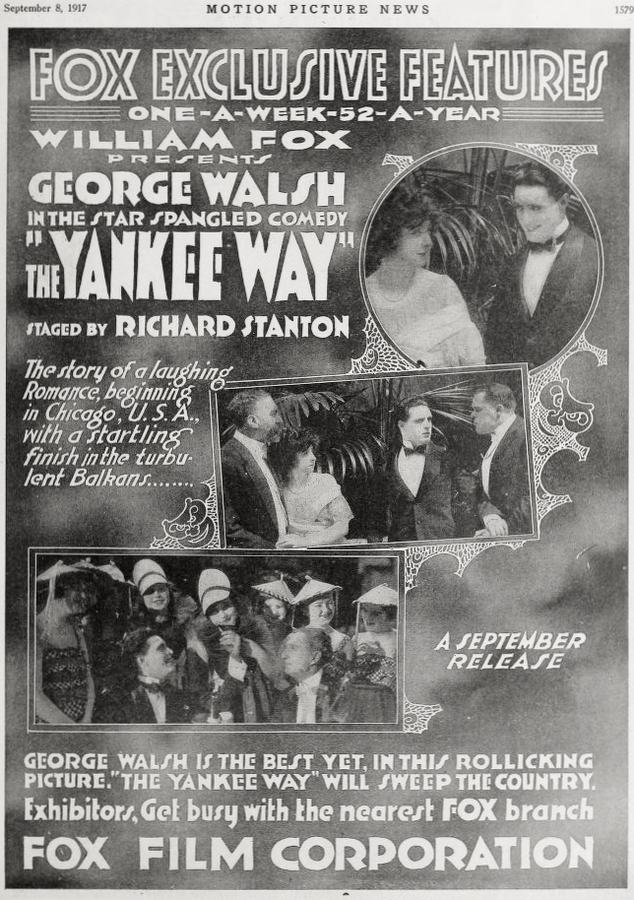
Richard Stanton
Community
Log in to comment.
" Silence screams loudest when the machinery of capital is greased with human fat. Cheating the Public—a title that cynically winks at its own audience—arrives like a coal-dust hurricane out of 1919, brandishing the sort of naked class rage that modern studio boards would vet into oblivion. Edward Sedgwick, Richard Stanton, and scenario scribe Mary Murillo conspire to weld melodrama to muckraking, producing a 65-minute locomotive of populist fury that feels eerily predictive of every labor headli..."
Deep dive into the cult classic
Discover similar cinematic experiences
A Directorial Spotlight on Richard Stanton