DbcultAccessing Vault...
5.2/10
Senior Film Conservator
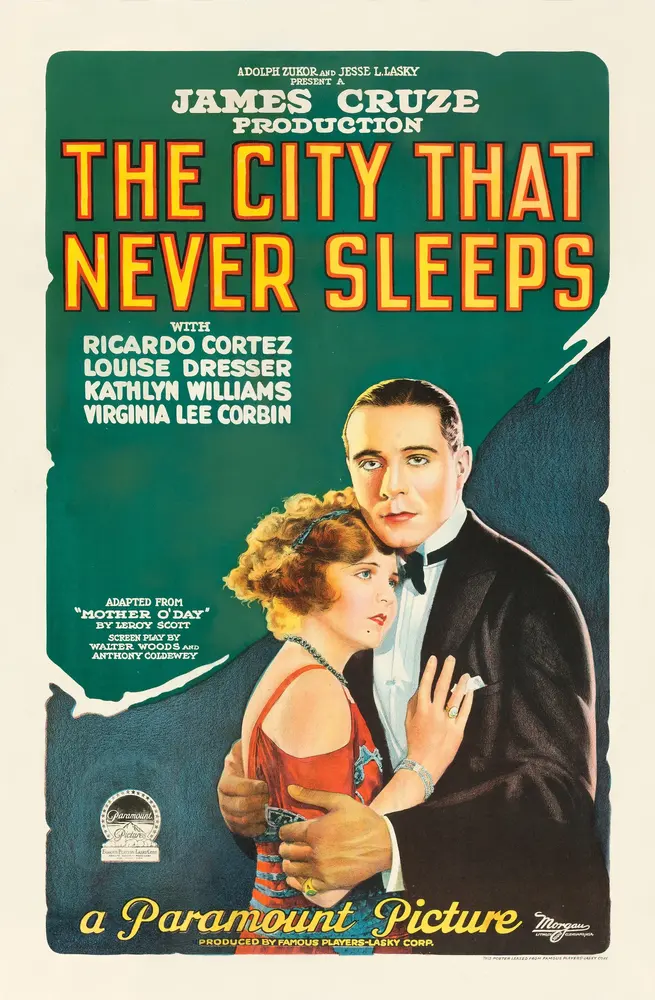
A definitive 5.2/10 rating for a film that redefined the boundaries of cult cinema. The City That Never Sleeps remains a cornerstone of transgressive art.
Stepping back into the silent film era is akin to opening a time capsule, revealing not just cinematic techniques of a bygone age, but also the societal anxieties, moral quandaries, and enduring human dramas that resonated with audiences then, and surprisingly, continue to do so now. The City That Never Sleeps, a compelling narrative spun by the collaborative pens of Anthony Coldeway, Walter Woods, and Leroy Scott, stands as a testament to this timeless appeal. It's a film that, despite its vintage, speaks volumes about class, sacrifice, and the often-perilous journey of self-discovery amidst a backdrop of profound social change. This isn't just a story; it's a vibrant, if silent, chronicle of an America grappling with its own identity, epitomized by the stark contrast between the gritty resilience of the Bowery and the glittering, yet often hollow, allure of the Jazz Age flapper. It invites us to consider the prices paid for perceived upward mobility and the unwavering strength of maternal love, even when tested by the most corrosive forces of pride and societal expectation.
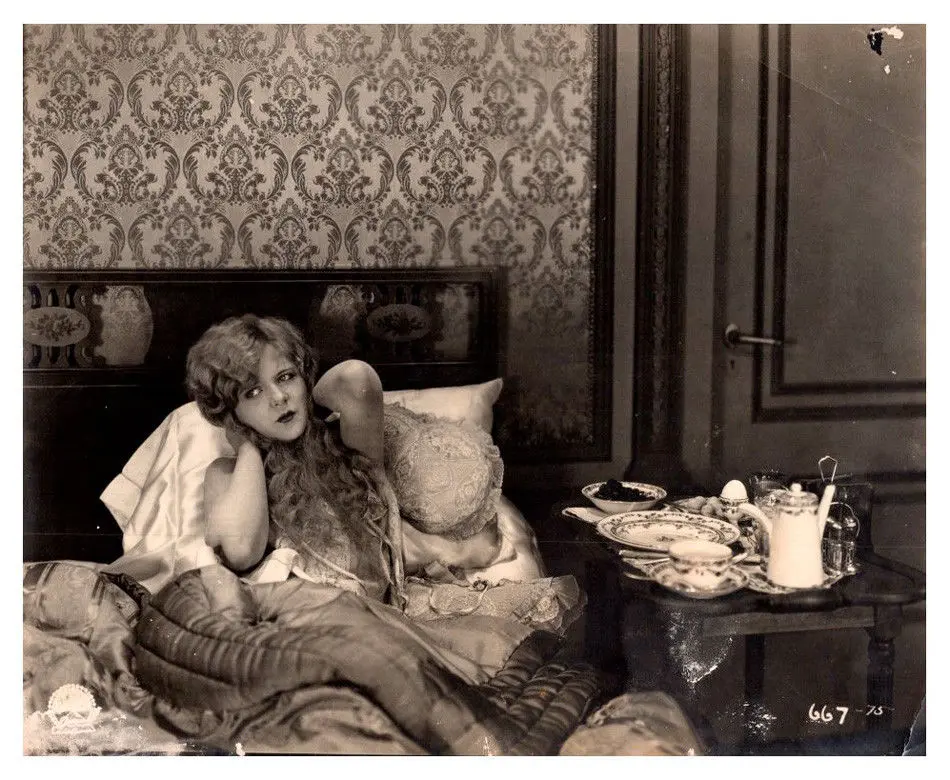
At the heart of this poignant drama is Mother O'Day, brought to life with profound depth and understated power by the incomparable Louise Dresser. Her portrayal transcends mere acting; it's an embodiment of a matriarch forged in the crucible of hardship, a woman whose spirit, though tested by immense personal tragedy, remains unbroken. The film opens with a brutal scene: the senseless death of her husband, Tim, in a violent barroom brawl. This incident is not just a plot point; it's the catalyst for Mother O'Day's pivotal decision, a sacrifice of immense emotional weight. Her Bowery saloon, a place of livelihood and community, becomes a symbol of the life she wishes to transcend for her daughter, Molly. Dresser imbues Mother O'Day with a quiet dignity, a woman whose rough exterior belies a heart overflowing with selfless devotion. Her choice to place young Molly in the care of Mrs. Kendall, a woman of refined society, is a testament to her vision for a better future, a future free from the harsh realities of the Bowery streets. This act, while driven by love, sets in motion a chain of events that will test the very fabric of their relationship across the chasm of years and social stratification. Her initial scenes establish a character whose every gesture, every silent gaze, communicates a world of experience, resilience, and an almost primal protective instinct. It's a performance that anchors the entire narrative, giving it an emotional core that resonates deeply, long after the final fade to black.
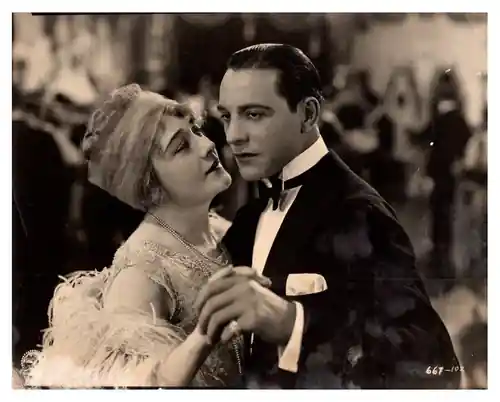
Virginia Lee Corbin takes on the challenging role of Molly, charting her journey from a child of humble origins to a quintessential flapper of the Prohibition era. Her transformation is stark, serving as a powerful commentary on the seductive, yet often superficial, allure of newfound social standing and the Jazz Age's moral ambiguities. Years after being placed with Mrs. Kendall, Molly reappears not as the grateful daughter Mother O'Day envisioned, but as a selfish, snobbish socialite, utterly detached from her roots. She frequents the very cabaret that her mother, in a twist of fate and adaptability, now operates – a space that has evolved from a simple saloon to a clandestine hub of illicit revelry. Molly's character embodies the generational divide and the pursuit of pleasure that defined the 1920s. Her disdain for her mother's past, her embrace of superficiality, and her entanglement with the charismatic rogue, Mark Roth, paint a vivid picture of a young woman lost in the intoxicating haze of the era. Corbin navigates this transition with a performance that, while perhaps leaning into the archetypes of the time, effectively conveys Molly's misguided priorities and her eventual vulnerability. It’s a compelling portrayal of a character caught between two worlds, struggling to reconcile her origins with her aspirations. This narrative arc, reminiscent of other films exploring the moral pitfalls of social climbing, such as the struggles depicted in The Gates of Gladness, highlights the universal theme of identity crisis when faced with contrasting social expectations. Molly’s journey is a cautionary tale, illustrating how easily one can become estranged from genuine connections in the pursuit of ephemeral status.
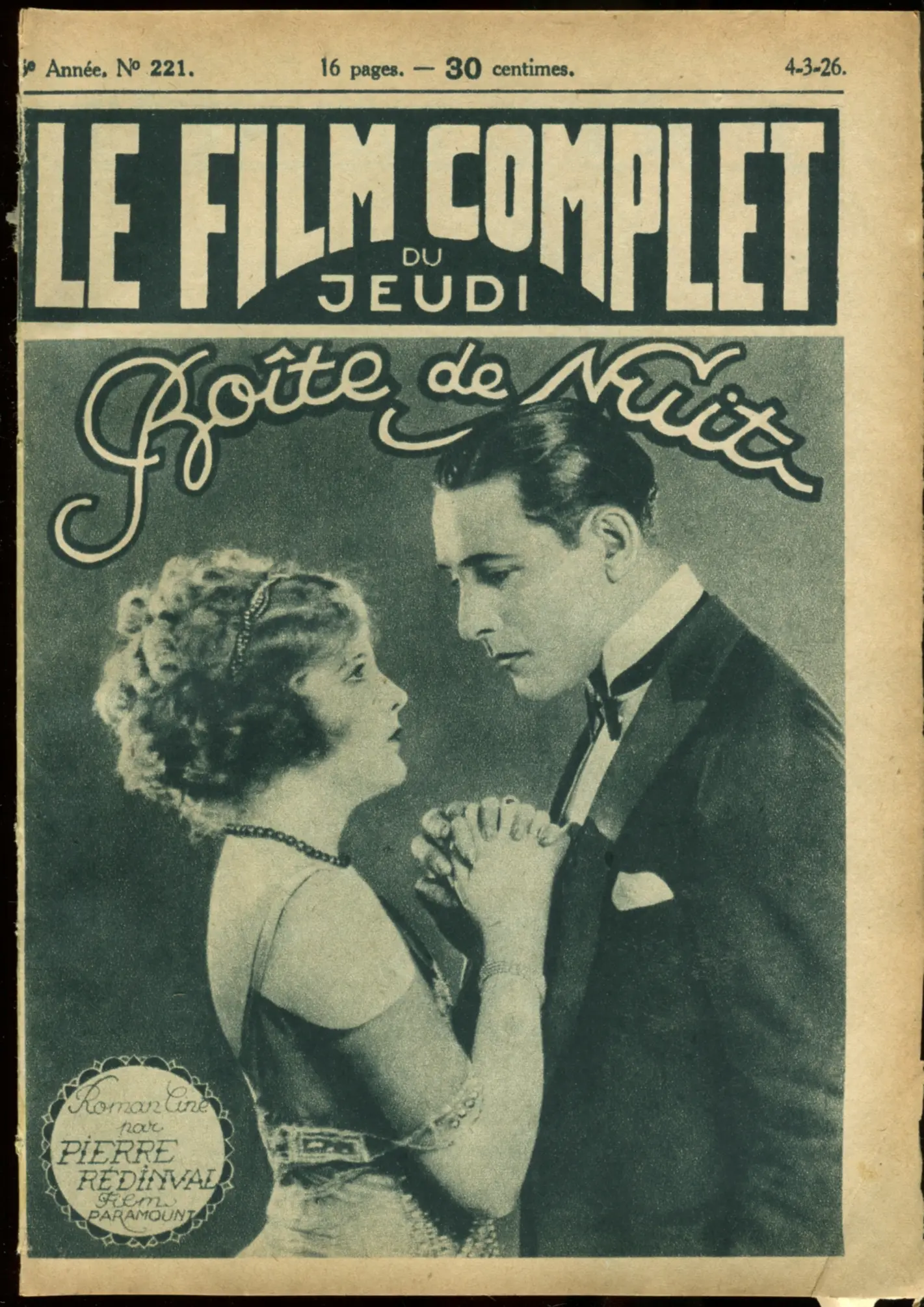
The male characters in The City That Never Sleeps serve as crucial foils, delineating the moral landscape of Molly's world. Ricardo Cortez, with his undeniable charisma, embodies Mark Roth, the adventurer who captivates Molly's attention. Roth is the quintessential charming scoundrel, a figure whose magnetism masks a deeply corrupt core. He represents the darker, more opportunistic underbelly of the Prohibition era, where illicit gains and superficial charm often trump integrity. Cortez's performance, even in the silent medium, conveys a suave menace, making his eventual exposure all the more satisfying. He is the antithesis of the steadfast, earnest Cliff Kelley, played by Pierre Gendron. Kelley, a reporter by profession, is Molly's childhood sweetheart, a symbol of the genuine, unadulterated affection that Molly has abandoned in her quest for glamour. Gendron portrays Kelley with a quiet strength and unwavering loyalty, a man whose moral compass remains true even as Molly drifts into a world of deceit. His alliance with Mother O'Day to expose Roth is not merely a journalistic endeavor; it's an act of profound love and a desperate attempt to rescue Molly from a destructive path. This stark contrast between Roth's predatory charm and Kelley's unwavering devotion is a classic melodramatic device, yet it functions with compelling effectiveness here, emphasizing the choices Molly has made and the stark reality she must eventually confront. The dynamic between these two men underscores the film's central conflict: the allure of superficiality versus the enduring value of authentic connection, a theme explored with similar intensity in films like Betrayed, where trust and deceit form the core of dramatic tension. Jim Farley also makes his presence felt, adding another layer to the Bowery's rough-and-tumble milieu, further grounding Mother O'Day's original environment in a palpable sense of reality.
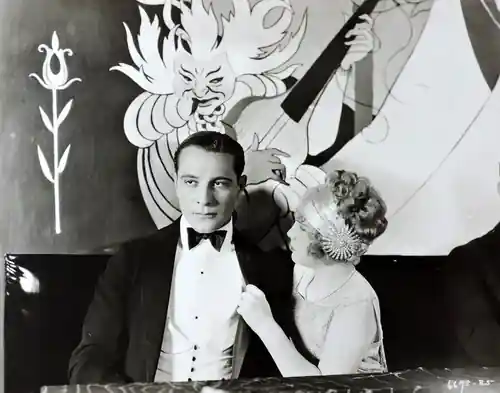
The Prohibition era isn't just a historical backdrop for The City That Never Sleeps; it's an active character, shaping the narrative and influencing the moral landscape. The transformation of Mother O'Day's saloon into a cabaret is emblematic of the period's inherent contradictions. While alcohol was legally forbidden, speakeasies and clandestine establishments flourished, becoming hotbeds of jazz, dancing, and a new, more liberated (and often morally ambiguous) social scene. The cabaret setting allows the film to explore themes of hidden vice, the allure of the forbidden, and the societal hypocrisy that often accompanied the noble experiment of Prohibition. It's in this environment that Molly, the flapper, finds her element, oblivious to the fact that her mother is the very pivot around which this illicit world revolves. The film subtly critiques this cultural shift, showing how the pursuit of pleasure and the rejection of traditional values could lead to moral compromise and personal estrangement. The vibrant, yet dangerous, atmosphere of the cabaret serves as a powerful visual metaphor for Molly's superficial existence, a glittering cage built on the foundations of her mother's hard-won resilience. This societal commentary resonates with other films of the period that grappled with the impact of Prohibition, such as Alkohol, which similarly sought to dissect the complex relationship between societal norms and individual choices in the face of widespread prohibition.
The narrative of The City That Never Sleeps builds towards a powerful climax, orchestrated by Mother O'Day and Cliff Kelley. Their concerted efforts to expose Mark Roth's true, nefarious character represent a desperate gamble to reclaim Molly from the clutches of deceit and superficiality. The moment of Roth's unmasking is not merely a plot resolution; it's a profound turning point for Molly. The shattering of her illusions forces her to confront the stark reality of her choices and the insidious nature of the world she has embraced. This revelation serves as a mirror, reflecting her own snobbery and self-absorption back at her. It is in this crucible of truth that Molly finally sees her mother not as a relic of a bygone, embarrassing past, but as a steadfast guardian, a source of unwavering love and integrity. The subsequent reunion is depicted with a raw emotional honesty that is characteristic of the best silent film melodramas. It’s a moment of catharsis, not just for the characters, but for the audience, as the fractured bonds of family are painstakingly, yet joyfully, mended. This emotional arc of disillusionment and eventual reconciliation is a powerful testament to the enduring strength of familial ties, even when strained by years of misunderstanding and societal pressures. The performances of Louise Dresser and Virginia Lee Corbin during these crucial scenes are particularly impactful, conveying a wealth of unspoken emotion through their expressions and gestures, making the final embrace feel earned and deeply moving.
Analyzing the craftsmanship of The City That Never Sleeps requires an appreciation for the unique challenges and expressive possibilities of silent cinema. The director, whose vision guided the performances of Kathlyn Williams, Pierre Gendron, Jim Farley, Ricardo Cortez, Virginia Lee Corbin, Louise Dresser, Ben Hendricks Jr., and Vondell Darr, relied heavily on visual storytelling. Every gesture, every facial expression, every strategic camera placement had to convey emotion, plot progression, and character motivation without the aid of spoken dialogue. Louise Dresser's portrayal of Mother O'Day is a masterclass in this regard; her eyes alone communicate volumes of pain, determination, and love. Ricardo Cortez, as Roth, uses his body language to project a deceptive charm that is both alluring and unsettling. Virginia Lee Corbin, as Molly, effectively transitions from carefree flapper to a woman humbled by truth, her transformation visible through nuanced shifts in posture and demeanor. The pacing of the film, guided by intertitles, would have been crucial in building suspense and emotional resonance. The writers, Anthony Coldeway, Walter Woods, and Leroy Scott, crafted a narrative that, while melodramatic, possessed a strong moral core and compelling character arcs. Their ability to weave together themes of class, redemption, and the cultural shifts of the 1920s into a coherent and engaging story speaks to their skill in the silent medium. The film likely employed common silent film techniques such as close-ups to emphasize emotional moments, long shots to establish setting, and parallel editing to heighten dramatic tension. The use of lighting, though often overlooked in discussions of silent film, would have been instrumental in creating mood and highlighting key characters, drawing the audience's attention to the emotional weight of each scene. The collective efforts of the cast and crew culminate in a film that, despite its age, retains a potent emotional impact, showcasing the artistry and dedication inherent in silent era filmmaking. Comparing the emotional depth achieved here to other character-driven silent dramas like Nobody's Wife reveals a shared commitment to exploring the complexities of human relationships through purely visual means.
The City That Never Sleeps, beyond its immediate narrative, offers a fascinating lens through which to view the social dynamics of the early 20th century. It explores the enduring tension between the desire for upward mobility and the preservation of one's authentic self and familial bonds. The film questions the true cost of 'progress' when it necessitates the abandonment of one's roots and the embrace of superficiality. Mother O'Day's unwavering love, despite Molly's initial rejection, stands as a powerful testament to the resilience of the human spirit and the foundational strength of maternal affection. It reminds us that true wealth lies not in material possessions or social status, but in genuine connection and integrity. The film's portrayal of the Prohibition era, while perhaps simplified for dramatic effect, nonetheless captures the zeitgeist of a period marked by both vibrant cultural shifts and underlying moral anxieties. It's a reminder that every generation grapples with its own forms of 'prohibition' – societal rules and expectations that, while perhaps well-intentioned, often create unforeseen consequences and new avenues for illicit behavior. The journey of Molly, from a naive child to a jaded flapper and finally to a reunited daughter, embodies a timeless quest for identity and belonging. It prompts viewers to reflect on their own values, the sacrifices made by their forebears, and the true meaning of home. While not as widely known as some of its contemporaries, the film's thematic richness and strong performances, particularly from Louise Dresser, ensure its place as a significant artifact of silent cinema, worthy of rediscovery and thoughtful consideration. It's a drama that, in its silent eloquence, continues to speak volumes about the human condition and the enduring power of family, even in the face of a city that ceaselessly reinvents itself, often at a profound human cost. The exploration of moral choices and their consequences, a thread running through the very fabric of this film, finds echoes in other cinematic works of the era, such as The Warfare of the Flesh, which similarly delved into the internal battles faced by individuals navigating complex ethical landscapes. This film, therefore, is not merely a historical curiosity but a vibrant, living piece of cinematic heritage that still offers profound insights into the human heart.
Ultimately, The City That Never Sleeps is a melodrama in the purest sense, but one executed with sincerity and a keen understanding of human emotion. It navigates the familiar territory of class struggle, parental sacrifice, and redemption with a freshness that belies its age. The film’s power lies in its ability to evoke strong feelings without uttering a single word, relying instead on the evocative performances of its cast and the narrative ingenuity of its writers. It reminds us that the fundamental human experiences of love, loss, betrayal, and forgiveness are universal, transcending the specific historical context in which they are presented. The journey of Mother O'Day and Molly serves as a poignant reminder that while societal pressures and personal ambitions can drive us apart, the bonds of family and the truth of one's origins often hold the strongest pull. It’s a film that, like the city it depicts, is constantly in motion, evolving, and ultimately, enduring. It offers a valuable window into the past, not just for cinephiles and historians, but for anyone interested in the timeless drama of the human heart, beating silently yet powerfully, within the confines of a story well told. The film's exploration of a woman's journey to find her place, despite societal expectations and personal mistakes, draws parallels with other narratives of self-discovery from the era, such as A Girl at Bay, highlighting a recurring theme in early cinema about female agency and resilience. The collaborative efforts of Kathlyn Williams, Pierre Gendron, Jim Farley, Ricardo Cortez, Virginia Lee Corbin, Louise Dresser, Ben Hendricks Jr., and Vondell Darr, under the guidance of the film's director, coalesce to create a memorable cinematic experience that continues to resonate with its emotional honesty and timeless themes. It is a testament to the fact that even without sound, a story can be told with profound depth and lasting impact.
IMDb —
1921
Community
Log in to comment.