DbcultAccessing Vault...
1.7/10
Senior Film Conservator
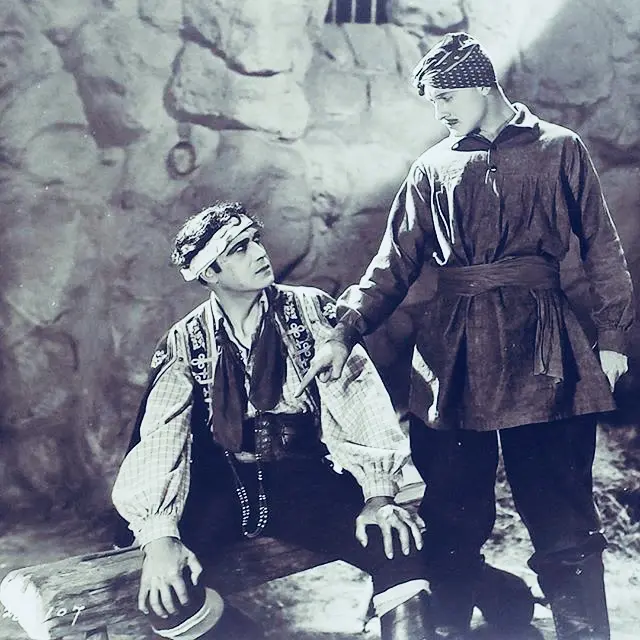
A definitive 1.7/10 rating for a film that redefined the boundaries of cult cinema. The Only Thing remains a cornerstone of transgressive art.
The Only Thing, a 1925 silent film, is a richly textured and emotionally charged romance that explores the intricate dynamics of love, power, and sacrifice. The film, written by the inimitable Elinor Glyn, boasts a talented ensemble cast, including Frank Braidwood, Kelburne Archibald Plimpton, and Louis Payne.
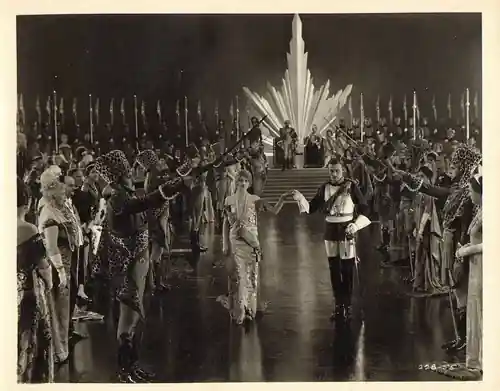
The narrative revolves around Thyra, a breathtakingly beautiful woman, who arrives in Chekia to marry its aged and unattractive king. However, their union is short-lived, as the Duke, a captivating nobleman, falls deeply in love with her. The king's assassination sparks a revolution, and Thyra finds herself at the epicenter of a maelstrom of emotions, torn between the Duke and Gigberto, the charismatic revolutionary leader.
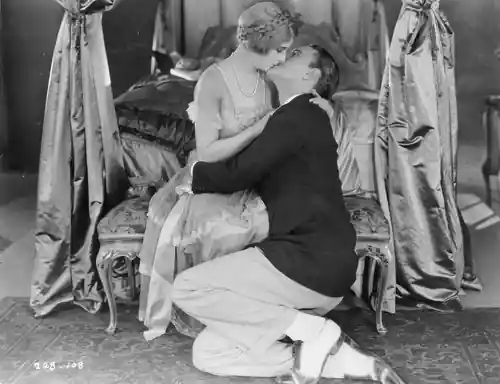
The film's central plot device, the revolutionaries' plan to drown Thyra and Gigberto in a boat, serves as a catalyst for the Duke's selfless act, as he takes Gigberto's place, ensuring the survival of the star-crossed lovers. This bold move underscores the Duke's unwavering devotion to Thyra and serves as a testament to the transformative power of love.
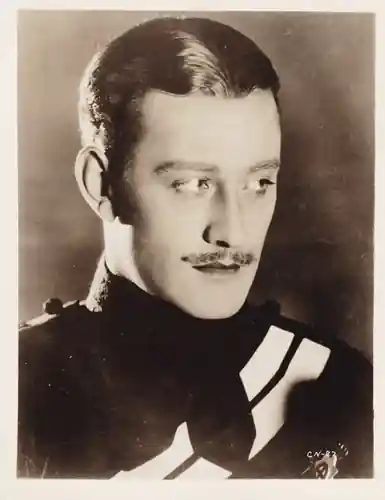
A closer examination of the film's themes reveals a nuanced exploration of love, loyalty, and power. The Only Thing echoes the sentiments of The Triumph of Love, another classic romance that probes the complexities of the human heart. However, The Only Thing distinguishes itself through its unique blend of romance, drama, and social commentary, set against the tumultuous backdrop of revolution and social upheaval.

The film's use of visual motifs and symbolism adds depth and complexity to the narrative. The character of Thyra, played by Eleanor Boardman, serves as a symbol of hope and redemption, while the Duke, portrayed by Conrad Nagel, embodies the ideals of chivalry and honor. The cinematography is noteworthy, capturing the stark contrast between the opulence of the royal court and the stark reality of the revolution.
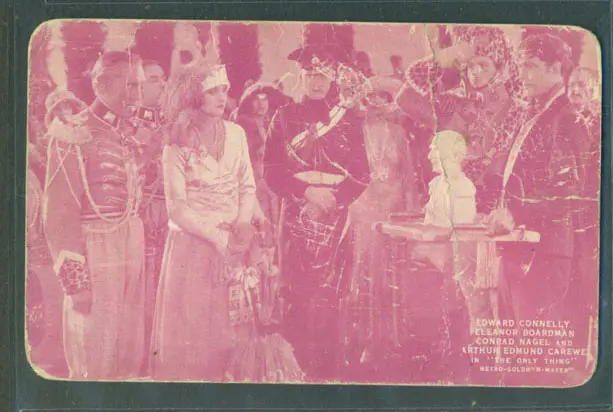
The performances of the cast are noteworthy, with standout turns from Frank Braidwood, Kelburne Archibald Plimpton, and Louis Payne. The chemistry between the leads is palpable, and their performances bring depth and nuance to the narrative.
A comparison with other films of the era, such as The Greek Interpreter and The Master Cracksman, reveals The Only Thing's unique strengths. While these films excel in their respective genres, The Only Thing's masterful blend of romance, drama, and social commentary sets it apart as a timeless classic.
The film's exploration of the human condition is both poignant and thought-provoking. As Thyra navigates the treacherous landscape of love and revolution, the audience is invited to reflect on the complexities of the human heart. This introspection is reminiscent of The Eye of Envy, a film that probes the darker aspects of human nature.
The Only Thing's influence can be seen in later films, such as Sky-Eye and The Sky Hunters, which borrow from its narrative and thematic elements. However, The Only Thing remains a singular achievement, a testament to the enduring power of love and sacrifice.
In conclusion, The Only Thing is a masterpiece of silent cinema, a sweeping romance that traverses the complexities of love, loyalty, and power. With its talented cast, nuanced themes, and striking visuals, this film is a must-see for cinephiles and scholars of early cinema. Elinor Glyn's screenplay is a triumph, and The Only Thing remains an essential work in the canon of classic cinema.
IMDb —
1918
Community
Log in to comment.