DbcultAccessing Vault...
5.3/10
Senior Film Conservator
A definitive 5.3/10 rating for a film that redefined the boundaries of cult cinema. The Breaking of the Drought remains a cornerstone of transgressive art.
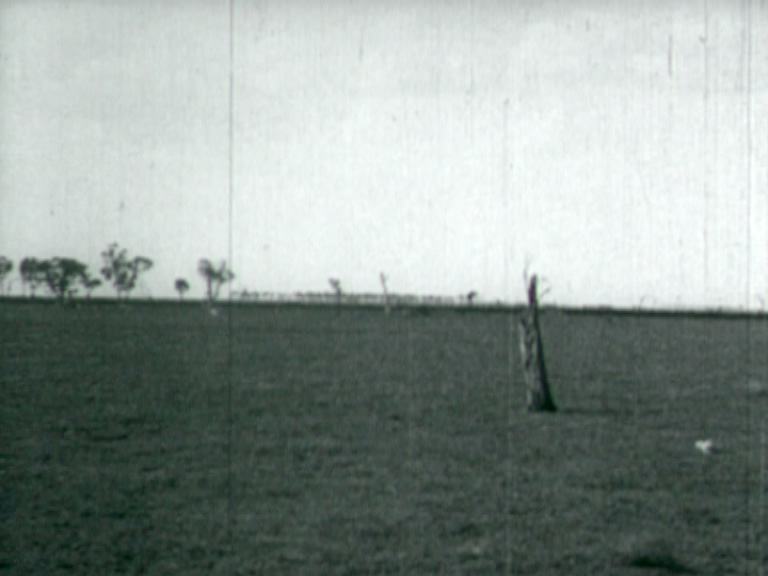
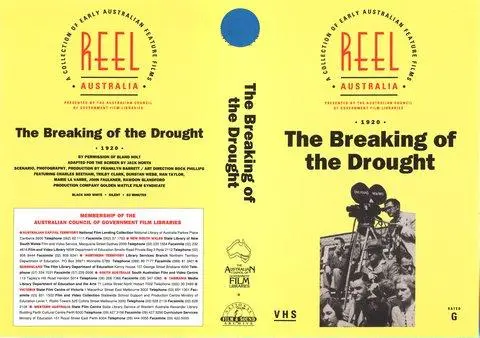
Franklyn Barrett’s 1920 lament arrives like a sun-bleached bone you stumble across while hiking: ragged, stark, humming with stories you almost don’t want to hear yet can’t ignore. Shot on the baked flats outside Dubbo with the mercury nudging 110°F, The Breaking of the Drought is less a narrative than a weather pattern—dry, relentless, capable of eroding scruples the way sand-blast glass.
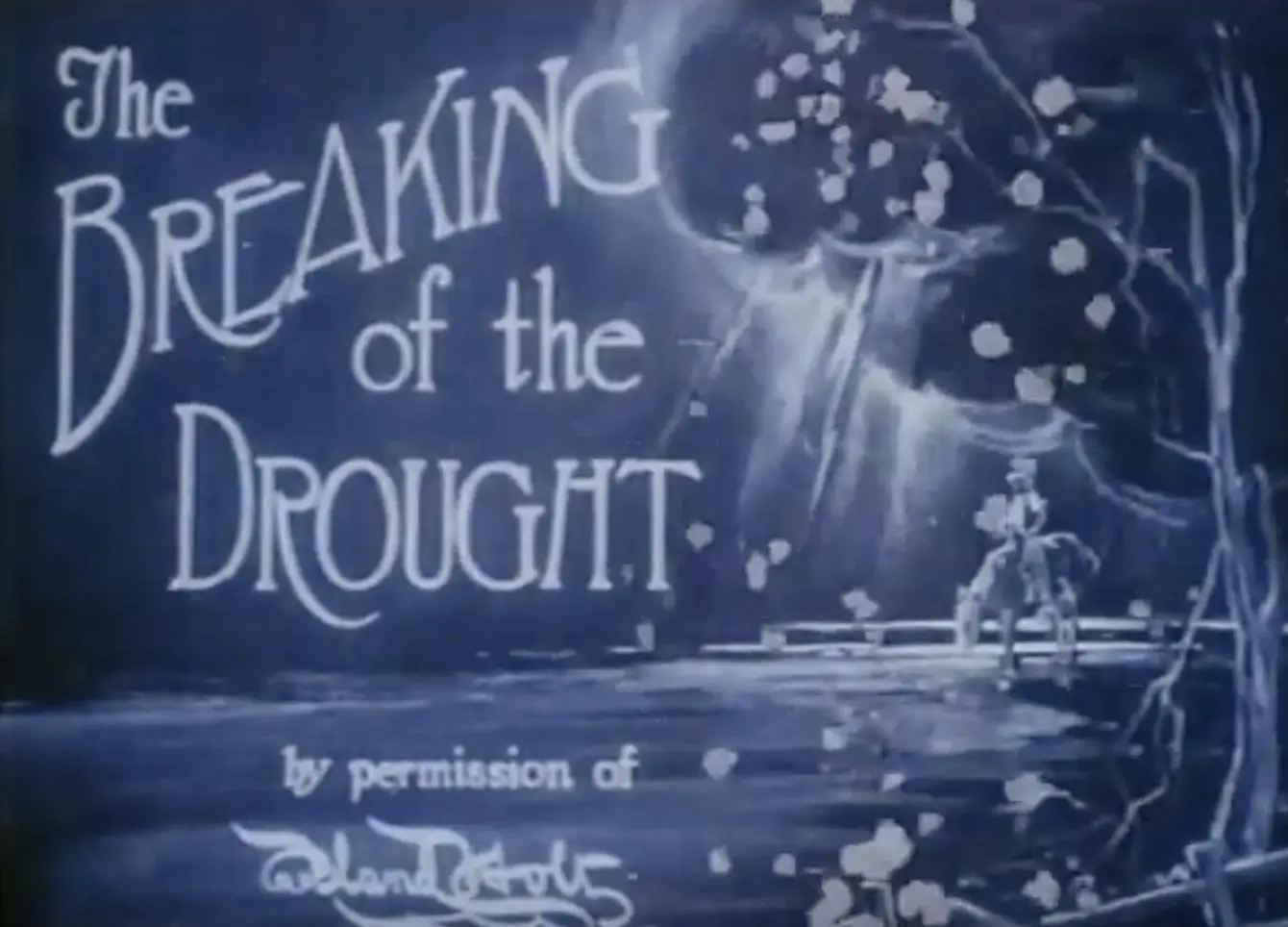
From the first iris-in, the film announces its lineage: a hybrid of Victorian penny dreadful and nascent Australasian gothic. The intertitles—florid, almost perfumed—were penned by prolific stage actor Bland Holt, and they read as though someone decided to weaponise melancholy. Yet for all the purple prose, the visuals speak a laconic dialect of dust, rust, and cracked leather that feels brutally contemporary. Cinematographer Dunstan Webb tilts the camera downward so often that the horizon becomes a noose; even the sky seems culpable.
Ethel Henry, as the widowed matriarch, carries herself with the stiff dignity of someone who suspects God has switched sides yet refuses to relinquish the last biscuit of courtesy. Watch her fingers tremble while she folds the lace tablecloth the repossessor allows her to keep—every flutter is a stanza of unwritten grief. Opposite her, John Faulkner plays the city con-man with a carnivorous twinkle; his pencil moustache alone deserves separate billing.
Trilby Clark’s city vamp flits through only three sequences, yet she magnetises the lens: cigarette holder tilted like a conductor’s baton, she orchestrates masculine folly without ever dirtying her Parisian gloves. Meanwhile Charles Beetham’s turn as the credulous bush brother channels the same wide-eyed fatalism that Lillian Gish navigated in A Romance of Happy Valley, only here the stakes feel geological.
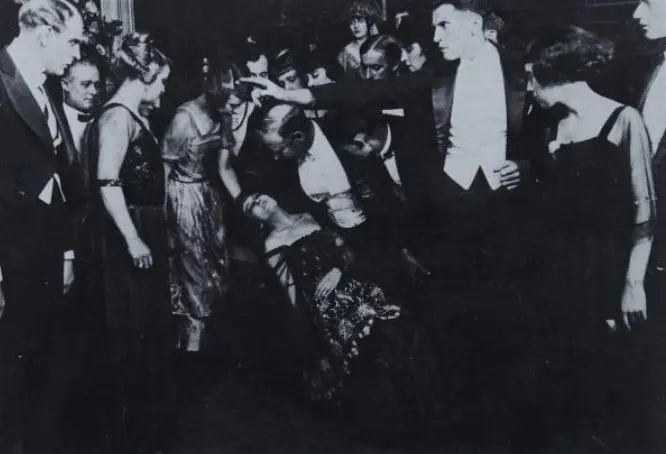
What distinguishes Barrett’s fable from contemporaneous rural melodramas—say, The Cowardly Way or A Desert Hero—is its refusal to proffer a chlorinated happy ending. The script, stitched together by Jack North and Arthur Shirley from a stage hit, insists that once drought clamps its jaws, ethical certainties evaporate faster than creek water. The family’s slide into destitution is photographed with almost sadistic patience: sheep carcasses swell, clouds taunt, the bailiff’s hammer falls with the thud of a coffin nail.
Yet the film is no mere jeremiad against urban avarice; it also exposes the bush’s foundational myth of self-reliance as a coin with only one side. When the protagonist finally confronts the swindler, the showdown transpires on a cracked reservoir floor that looks suspiciously like the surface of Mars. Barrett cuts between long shots (ant-like silhouettes dwarfed by a cruel panorama) and suffocating close-ups where beads of sweat eclipse the frame. The resulting dialectic—vastness versus claustrophobia—rivets you even when the plotting tilts toward the schematic.
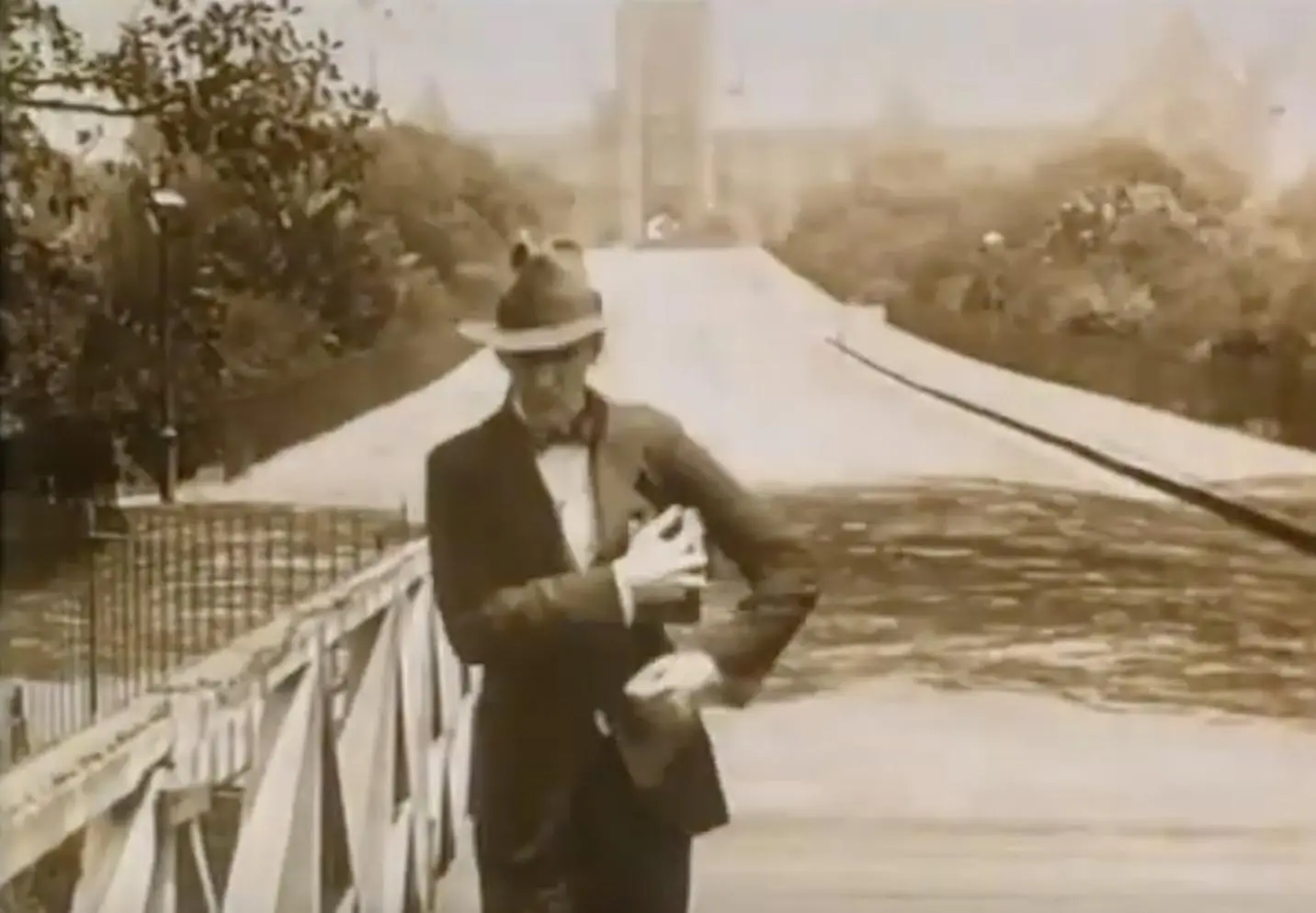
Photographically, the picture belongs in the same breath as Victor Sjöström’s Scandinavian suffering-epics, though Barrett swaps snow for ochre. Webb’s use of natural reflectors—polished tin sheets, bleached limestone—turns every sunbeam into a scalpel. Shadows pool so black they feel like portals; highlights bloom until human skin resembles parchment. In one staggering shot, the camera tracks alongside a windmill’s blade, creating a stroboscopic pulse that mirrors the characters’ fraying sanity.
Compare this to the candlelit interiors of Honor’s Altar, where moral tension smoulders in chiaroscuro; Barrett instead stages ethics in the open glare, suggesting that in the outback, hypocrisy has nowhere to hide—only shrivel.
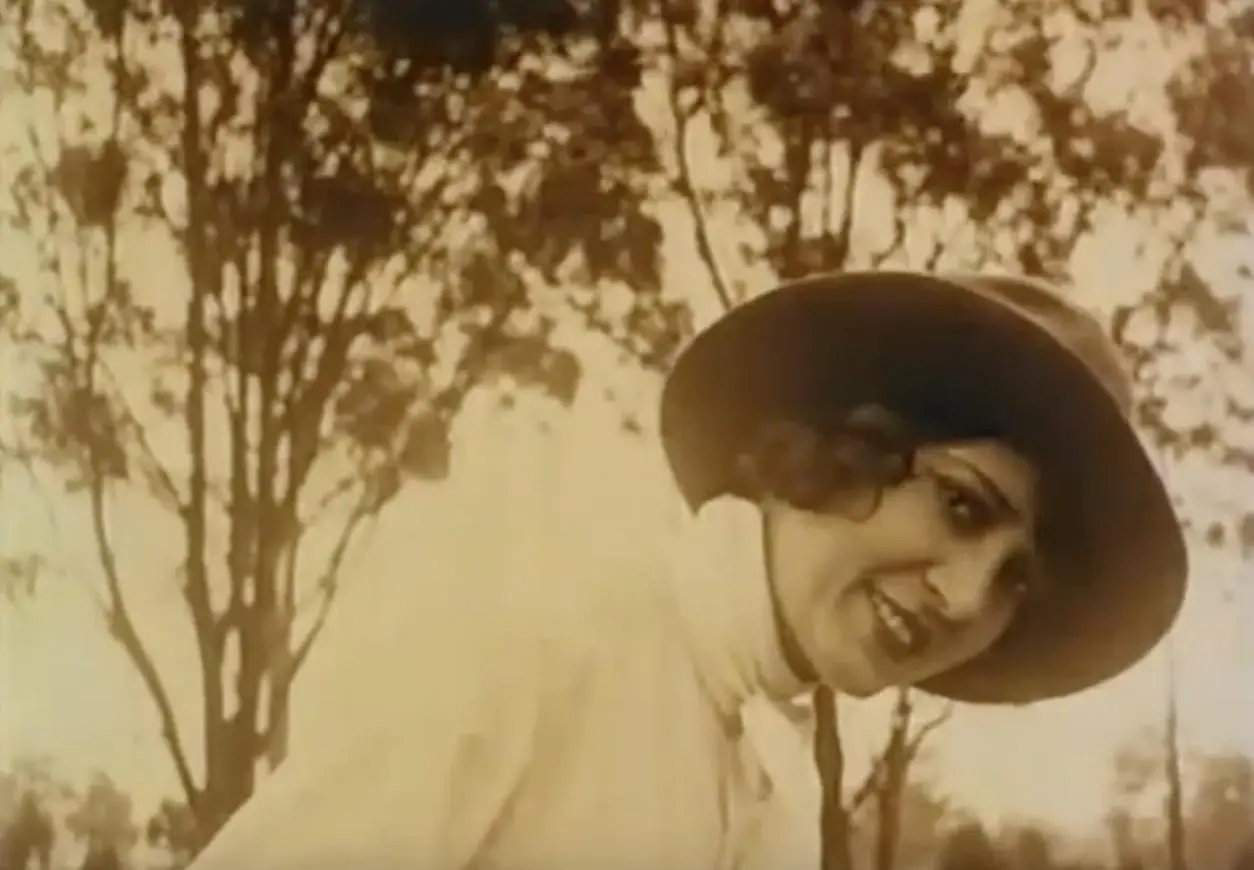
Surviving prints lack an original score, a deficit that modern curators often paper over with didgeridoo drones or chamber minimalism. Resist those temptations. Project it mute, and the absence swells into an aural dust storm: you hear seat creaks, your own pulse, the existential creak of a nation wrestling with the fantasy of boundless acreage. The silence becomes a character—fifth business, reciting a litany of unpaid debts.
Women in this universe function both as collateral damage and ledger keepers. Ethel Henry’s matriarch clutches a household account book whose ink has long evaporated; she caresses the empty pages like scripture. Meanwhile, Nan Taylor’s itinerant governess trades domestic competence for passage, her competence measured in teaspoonfuls. The film quietly indicts a pastoral economy that treats female labour as renewable as bore water—necessary, taken for granted, ultimately depleted.
If you seek a transatlantic echo, glance at Mary Jane’s Pa, yet Barrett’s women never enjoy the redemptive glow of filial reconciliation; they simply endure, vertebrae by vertebrae, until the landscape resembles their own desiccated resilience.
Released only two years after the Great War’s armistice, The Breaking of the Drought also reads as an allegory of imperial over-reach. Australia, touted as the empire’s breadbasket, discovers that commodities gambled on futures markets can starve actual futures. The city slickers’ scam—water rights arbitrage—anticipates twenty-first century derivatives boondoggles. Their top hats and waistcoats look imported, but the rapacity is home-grown, suggesting that the colony learned predation too well from the mother country.
For decades the sole extant 35 mm nitrate reel languished in a Tamworth shed, nibbled by both goats and history. A 2017 NFSA restoration salvaged 82% of the runtime, bridging missing passages with explanatory intertitles that mimic Holt’s verbose cadences without lapsing into pastiche. Festival screenings from Bologna to Wellington provoked critical epiphanies: suddenly critics recognised Barrett as a missing link between bush realism and the later Australian New Wave of the 1970s.
Yet beware the nostalgia trap—this is not heritage kitsch. Its politics around indigenous absence (zero First Nations characters appear) feel glaring now, a blind spot endemic to 1920s settler cinema. Still, by exposing settler capitalism’s ecological myopia, the film inadvertently prefigures contemporary debates on extraction and climate.
Pair it with Remorse, a Story of the Red Plague for a double bill on catastrophe capitalism, or screen alongside Triumph des Lebens to juxtapose Teutonic fatalism with Antipodean variants. Where The Locked Heart internalises trauma in drawing-room gilt, Barrett externalises it across thousands of cracked hectares.
Is it perfect? Hardly. Pacing lags like a swagman with a busted heel; secondary characters evaporate faster than dam water; the intertitles sometimes curdle into taffy. Yet its cumulative effect—equal parts social document and existential shriek—lodges under the ribs and stays. Long after the projector bulb cools, you’ll taste red dust on your tongue and recall that in the arithmetic of appetite, someone’s surplus is always someone else’s starvation.
Verdict: A sun-scorched parable that weaponises wide-open spaces to interrogate the narrowness of greed. Essential for anyone mapping the genealogy of Australian cinema, eco-criticism, or the global grammar of disaster.
IMDb —
1933
Community
Log in to comment.