DbcultAccessing Vault...
6.9/10
Senior Film Conservator
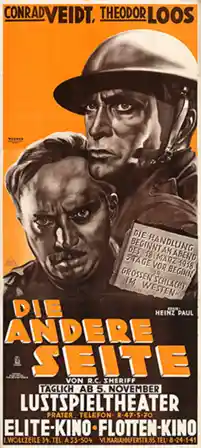
A definitive 6.9/10 rating for a film that redefined the boundaries of cult cinema. The Other Side remains a cornerstone of transgressive art.
“The Other Side” from 1931? Yeah, it’s definitely worth seeing, especially if you’re into old war films that don’t pull punches. This isn’t your granddad’s heroic war story; it’s a stark look at the inside of men falling apart. Anyone who appreciates early sound cinema or just a truly bleak drama will find something here. But if you need constant action or tidy resolutions, you’ll probably find it a bit slow and, frankly, depressing.
The whole thing drops you right into a trench, pretty much. No grand opening shots, just… mud and waiting. It's World War I, and Captain Stanhope is leading a British company. He's supposed to be this strong leader, but you can tell from his eyes, almost immediately, that he’s not okay. There’s a constant clinking sound of bottles, you know? Like, always.
Then young Lieutenant Raleigh shows up. He knows Stanhope from school, admired him. Raleigh comes in all bright-eyed and bushy-tailed, a new face. You just want to yell at him to run away.
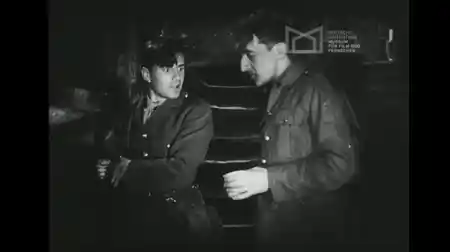
Stanhope, played by Conrad Veidt, wow. He’s a mess. He drinks. A lot. It’s not subtle. Every scene where he’s alone, or thinks he is, he’s reaching for a bottle. It’s less about the war outside, and more about the war inside him. That’s where the film really gets its teeth.
The way Veidt moves, almost hunched, even when he’s trying to stand tall. His voice, too, it's got this edge of desperation. You can almost feel the movie trying to convince you this man is clinging by a thread.
There's this one moment where Stanhope is talking to Raleigh, trying to be gruff, trying to hide how gone he is. Raleigh, bless his naive heart, talks about how much he looked up to him. Stanhope just stares into the middle distance. It’s awkward, but real. The silence starts to feel awkward rather than emotional for Raleigh, maybe.
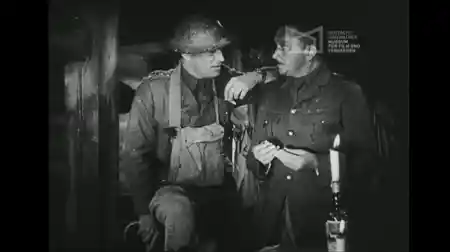
The other officers in Stanhope's company, they’re just… trying to cope. Some joke, some just stare. There’s a particular one, Osborne, who seems like the only one truly trying to understand Stanhope, or at least keep him from completely shattering. He’s the quiet, steady type, a real contrast to Stanhope’s volatile despair. You see him trying to offer comfort, even when it’s clearly not working.
The set design, for 1931, is actually pretty good. The trenches feel cramped and claustrophobic. You don't see much, but what you do see is grey and grimy. It’s less about epic battles and more about the damp, cold waiting.
And the sound design! It’s minimal, but effective. The occasional distant shell explosion. The constant drip of water. And that clink of Stanhope's bottle. It’s subtle, but it adds so much to the atmosphere.
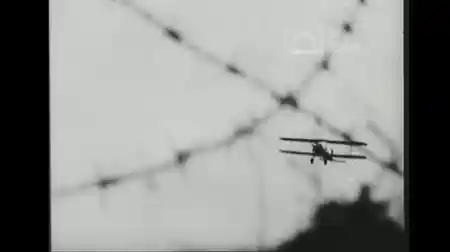
It’s all about the waiting, really. The film spends a good chunk of its time just sitting there, with these men, in the mud. The tension isn't from battle, but from the silence, the expectation. You can feel the clock ticking, even when nothing is happening. It's a kind of psychological warfare played out on screen.
Raleigh tries to connect with Stanhope, but Stanhope just pushes him away. He’s so worried Raleigh will tell his sister (who Stanhope is engaged to) about his drinking. This fear, it's almost bigger than the Germans for him. It's a strange detail, but it makes him more human, somehow.
And then there's the food. They talk about it, dream about it. Rationed tea, a bit of bacon. It’s a small detail, but it hammers home their existence. These little comforts, or lack thereof, become so important when everything else is just bleak.
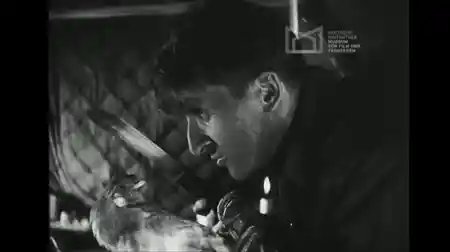
The tension builds slowly. You know something bad is coming. It’s not a surprise, not really. It’s a dread you feel in your gut. They’re just waiting for the signal to start this "foray" against the Germans.
When the signal finally comes… it's just a whistle. So anticlimactic, but that's the point, I think. No grand fanfare. Just a sound that sends them to their doom.
The actual charge, you don't see much of it. It’s quick, brutal, and utterly pointless. It's less about bravery and more about just… following orders into disaster. The crowd scenes have this oddly empty feeling, like half the extras wandered off, or maybe it was just the budget. But it works, makes it feel even more isolated.
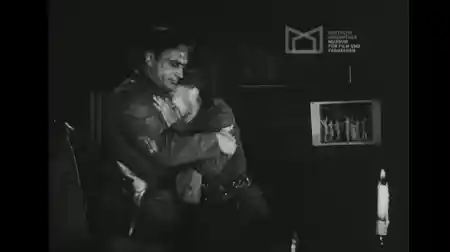
And the ending. Oh boy. It’s not happy. Don't expect a triumphant flag-waving moment. It’s just… tragic. Raleigh, who came in so innocent, sees everything. And Stanhope? He’s left with his despair, and his bottles. The scene goes on about 20 seconds too long after the disaster, and the silence starts to feel awkward rather than emotional.
This film, it just proves how much punch early talkies could still deliver, even with all their technical hiccups back then.
It sticks with you, this one. Not because of explosions or big battles, but because of what it does to the people in it. You watch Stanhope’s slow collapse, and it feels too real. 💔

IMDb 8
1930
Community
Log in to comment.