DbcultAccessing Vault...
5.4/10
Senior Film Conservator
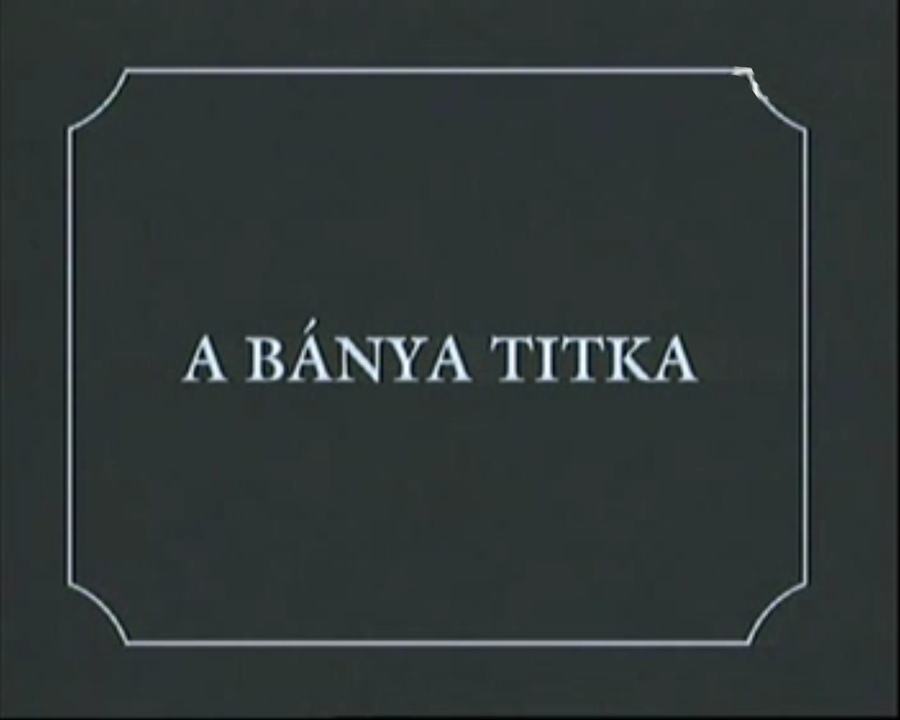
A definitive 5.4/10 rating for a film that redefined the boundaries of cult cinema. A bánya titka remains a cornerstone of transgressive art.
There are films that merely tell a story, and then there are those that absorb you, pulling you into their very fabric, demanding your full attention and emotional investment. Such is the enduring power of A bánya titka, or 'The Secret of the Mine,' a cinematic artifact that, despite its vintage, resonates with a profound, almost primal energy. It’s a work that eschews the facile pleasures of modern spectacle for the more enduring satisfactions of intricate plotting, deeply etched characterizations, and a pervasive atmosphere of suspense. From the moment the first frame flickers, we are transported not merely to a bygone era of filmmaking, but to a world teetering on the brink of collapse, where the very earth holds both promise and peril, and human nature is laid bare in all its complex shades.
The film’s genius lies in its ability to weave a narrative that is simultaneously grand in its scope and intimate in its emotional core. We are introduced to László, portrayed with a compelling blend of youthful idealism and simmering determination by Károly Lajthay. His return to the desolate, wind-swept mining town is not a homecoming of joy, but one steeped in grief and a burning sense of injustice. The shadow of his father’s mysterious death in the infamous Iron Heart Mine hangs heavy over him, a death unjustly attributed to mismanagement, leaving a stain on the family name and a community in despair. Lajthay’s performance is a masterclass in silent film acting, conveying a vast spectrum of emotions through subtle gestures, piercing gazes, and a posture that shifts from hopeful resolve to weary resignation and back again. One feels the weight of his inherited burden, the pressure of a dying town’s hopes resting squarely on his young shoulders.
At its heart, A bánya titka is a meticulously constructed mystery, a slow-burn thriller that understands the power of suggestion and the creeping dread of the unknown. The plot unfurls with an almost geological precision, each layer revealing a deeper vein of intrigue. The initial premise—László’s quest for vindication and salvation—quickly expands into a multi-faceted struggle against the formidable Baron Vendrey, brought to life with chilling efficacy by Ferenc Vendrey. His portrayal of the ruthless industrialist is devoid of caricature, instead presenting a figure of cold, calculating ambition, whose polite veneer barely conceals a predatory hunger for the mine’s rumored riches. Vendrey is not merely an antagonist; he is an embodiment of unchecked corporate power, a force that threatens to crush the human spirit along with the town’s very foundations. His schemes, ranging from industrial espionage to outright sabotage, are depicted with a cynical realism that still feels remarkably contemporary, echoing the corporate machinations seen in later films like The Turmoil, albeit with a distinctly more dramatic flair common to the era of its production.
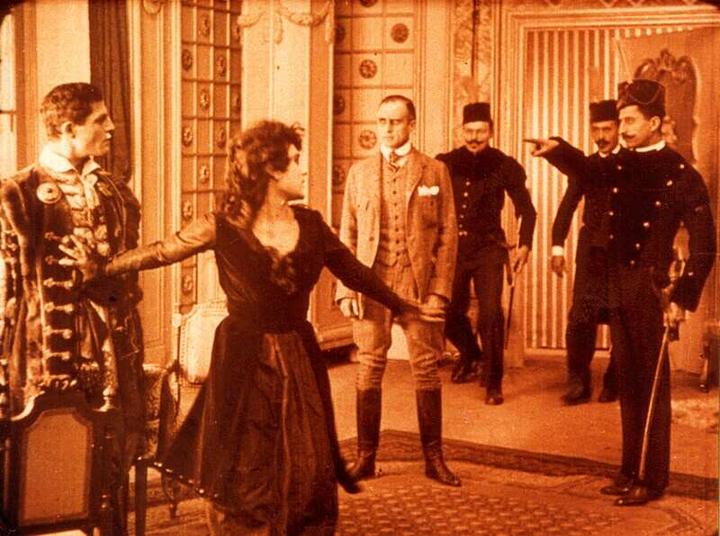
The narrative is expertly punctuated by moments of genuine peril and emotional resonance. The burgeoning relationship between László and Ilona, played with a captivating blend of resilience and warmth by Melitta Mea, serves as a crucial counterpoint to the escalating tension. Ilona is no mere damsel in distress; she is a woman of the earth, intimately familiar with the mine’s treacherous pathways and the town’s hidden histories. Her spirited independence and practical wisdom make her an indispensable ally, her presence a ray of light in the often-gloomy subterranean world. Mea’s performance is subtle yet powerful, her expressive eyes conveying volumes of unspoken support and growing affection. Their alliance feels organic, forged in the crucible of shared danger and mutual respect, rather than a forced romantic subplot.
As a silent film, A bánya titka relies heavily on its visual language, and in this regard, it is an unequivocal triumph. The cinematography, though of its time, demonstrates an acute understanding of mood and symbolism. The stark contrasts between the sun-drenched, yet impoverished, surface world and the oppressive, shadow-laden depths of the mine are masterfully rendered. The use of natural light and carefully constructed artificial illumination within the mine sequences creates an almost palpable sense of claustrophobia and danger. The flickering lamps carried by the miners cast long, dancing shadows, transforming mundane rock faces into monstrous visages, heightening the mystery surrounding the mine’s true 'secret.' One can draw parallels to the atmospheric dread cultivated in films like Die Insel der Seligen, though here, the supernatural elements are replaced by the more grounded, yet equally terrifying, specter of human avarice.
The expressive acting style, characteristic of the era, is utilized to its fullest potential. Beyond Lajthay and Mea, the supporting cast delivers performances that are both nuanced and impactful. Mari K. Demjén, as the sagacious Old Man Demjén, brings a quiet dignity and world-weariness to his role, his weathered face a map of the mine’s long history. His cryptic pronouncements and timely interventions are pivotal, guiding László through the labyrinthine clues left by his father. Aladár Fenyõ, as the loyal foreman, embodies the spirit of the common miner, his skepticism gradually giving way to staunch support, while Emil Fenyö's portrayal of his estranged, morally compromised brother adds a layer of familial conflict that enriches the narrative's emotional tapestry. Even minor characters contribute to the immersive quality, their faces etched with the realities of hard labor and precarious existence.
Beyond the thrilling mystery, A bánya titka delves into profound thematic territory. It is, first and foremost, a meditation on greed—the insatiable human desire for wealth that corrupts, destroys, and ultimately enslaves. Baron Vendrey serves as a stark embodiment of this theme, his relentless pursuit of the mine’s silver vein blinding him to the human cost of his ambition. Yet, the film offers a hopeful counter-narrative through László, who represents a different kind of ambition: one rooted in justice, legacy, and community. His desire to clear his father’s name and save his town transcends mere personal gain, elevating the struggle to an almost allegorical level. This tension between destructive avarice and redemptive altruism forms the moral backbone of the film.
The concept of legacy is another central pillar. László is not just solving a mystery; he is completing his father’s unfinished work, both literally and figuratively. The clues left behind by his father are not merely plot devices but symbolic threads connecting generations, emphasizing the enduring impact of one’s actions and the weight of inherited responsibility. This theme resonates with the narrative complexities found in films like The Master Mind, where past deeds cast long shadows over present struggles. The mine itself becomes a metaphor for this legacy—a place of both immense potential and buried secrets, reflecting the complex history of the family and the town.
Moreover, the film subtly explores themes of class struggle and the exploitation of labor. The miners, toiling in dangerous conditions, are portrayed with a quiet dignity, their plight forming a poignant backdrop to the central drama. Their collective hope and despair are palpable, making László’s mission not just a personal quest but a fight for the very soul of the community. The contrast between Vendrey’s opulent lifestyle and the miners’ meager existence is starkly drawn, adding a layer of social commentary that elevates the film beyond a simple adventure story. One might even see echoes of the stark class divisions explored in works like Children of Eve, though A bánya titka grounds its social critique within the framework of a thrilling mystery.
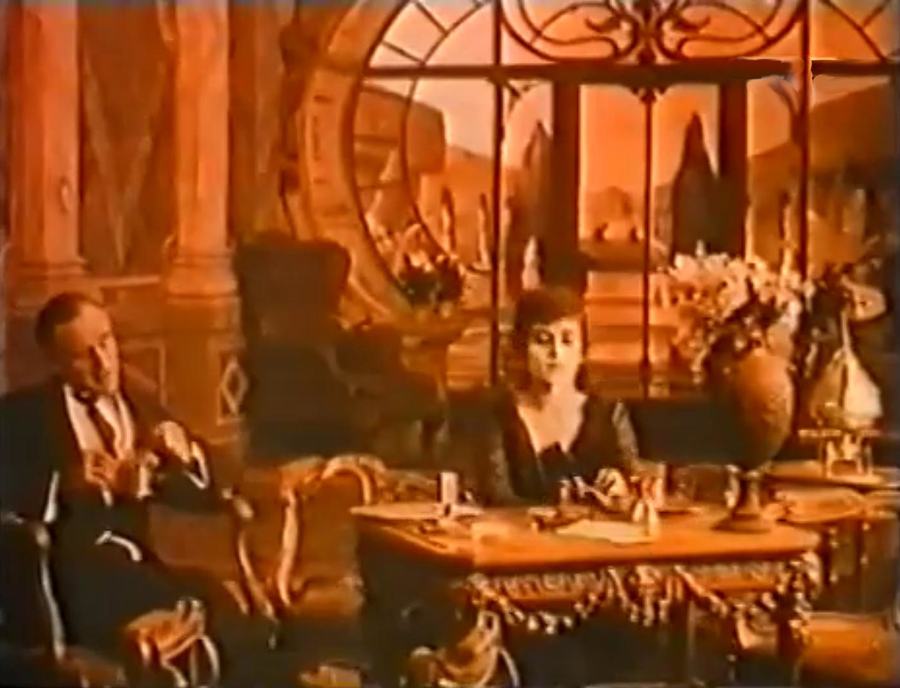
The film builds inexorably towards its thrilling climax, a descent into the mine’s deepest, most treacherous recesses. This sequence is a masterclass in tension, utilizing the confined spaces, the oppressive darkness, and the ever-present threat of collapse to create a truly visceral experience. László, Ilona, and Old Man Demjén navigate a labyrinth of dimly lit tunnels, their pursuit by Vendrey’s brutish enforcers adding a heart-pounding urgency. The confrontation in the hidden chamber, where the legendary silver vein and the crucial family documents are finally unearthed, is staged with a powerful sense of dramatic catharsis. The physical struggle, the collapsing rock, and the desperate scramble for survival are all rendered with an intensity that belies the film’s silent nature, relying on sharp editing and the actors’ heightened expressions to convey the raw emotion of the moment. This climax is reminiscent of the high-stakes, confined-space showdowns found in other period thrillers, like the intense train sequences in The Lost Express, but with the added weight of ancestral secrets and a community’s fate hanging in the balance.
The resolution, while providing the satisfying closure expected of such a narrative, doesn’t shy away from depicting the lingering scars of the conflict. Justice is served, Vendrey’s villainy is exposed, and the town is granted a new lease on life through the discovery of the silver. Yet, the film subtly suggests that true redemption is not merely about wealth or legal victories, but about the restoration of honor and the forging of new bonds. László and Ilona’s eventual union feels earned, a testament to their shared journey through darkness and their unwavering commitment to truth. It’s a resolution that feels both earned and resonant, leaving the audience with a sense of hope, tempered by the stark realities of the world the film so vividly portrays.
In conclusion, A bánya titka stands as a testament to the enduring power of early Hungarian cinema and the universal appeal of a well-told story. Its intricate plot, compelling characters, and profound thematic explorations of greed, legacy, and redemption ensure its place as a significant work. The film's masterful use of visual storytelling, from its atmospheric cinematography to the powerful, expressive performances of its cast, transcends the limitations of its silent medium, communicating directly to the heart and mind. It’s a film that demands to be rediscovered, a secret unearthed from the annals of cinematic history, proving that some stories, much like the silver buried deep within the earth, possess a timeless luster that refuses to diminish. For those who appreciate the artistry of silent film and the thrill of a meticulously crafted mystery, this 'secret of the mine' is one well worth exploring.
IMDb —
1916
Community
Log in to comment.