Summary
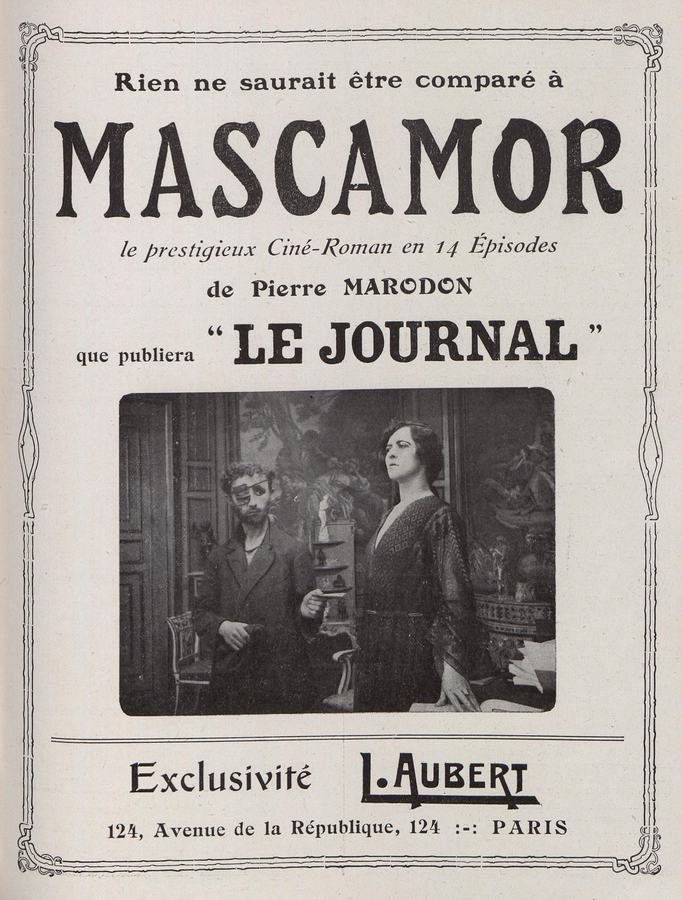
A phantasmagoric carnival of silhouettes flickers across the silver canvas: Mascamor, that half-forgotten phoenix of late-silent-era France, exhumed from nitrate limbo and re-ignited for modern retinas. Picture a moonlit coastal village where salt-chewed shutters gossip in the wind while a travelling showboat—part Grand Guignol, part Punch-and-Judy—drops anchor like a bad omen. Into this salt-stung Eden drifts Monsieur de Villette’s spectral ringmaster, a top-hated maestro of ceremonies whose smile is all incisors and promises. His ragtag troupe—Luc Dartagnan’s drunken tragedian, Ribel’s contortionist sprite, Marthe Lenclud’s fragile songbird—unspool nightly pageants that blur confession with conjuring. Villagers arrive for diversion; they leave minus heirlooms, inhibitions, occasionally hearts. Benito Perojo’s customs officer and Pierre Marodon’s widowed lighthouse keeper sniff conspiracy, yet the performances’ narcotic splendor keeps mutiny at bay. Suzanne Roumestan’s orphaned laundress, José Davert’s smuggler-priest, Rosita Perin’s consumptive ingenue, Gino Talamo’s feral child—all orbit the boat’s limelight as though it were a black-hole sun. The narrative spiral tightens when a dawn tide reveals a stage-prop coffin now occupied by the town’s most solvent banker; suddenly the masque is murder, the carnival a cabal, the laughter a threnody. From here Mascamor pirouettes into a hallucinated procedural: fingerprints rendered as chalk-white glove prints, alibis sung in tremolo falsetto, guilt projected as shadow play upon tattered sails. The climax—a dawn exorcism on a reef where seawater hisses like applause—collapses illusion and confession into one ecstatic dissolve, leaving only the boat’s painted eyes bobbing in the fog, winking at eternity.
Review Excerpt
"
p{margin:0 0 1.25rem 0}
blockquote{margin:2rem 0;padding:0 0 0 1.25rem;border-left:3px solid #EAB308;font-style:italic;color:#e0e0e0}
a{color:#0E7490;text-decoration:none;border-bottom:1px solid rgba(14,116,144,.3)}a:hover{color:#EAB308;border-bottom-color:#EAB308}
The first thing that strikes you about Mascamor is its smell: not the expected vinegar rot of deteriorating nitrate, but an olfactory hallucination of brine, lamp-oil, and cheap greasepaint, as though the celluloid itself perspire..."