DbcultAccessing Vault...
Cult Review
Senior Film Conservator
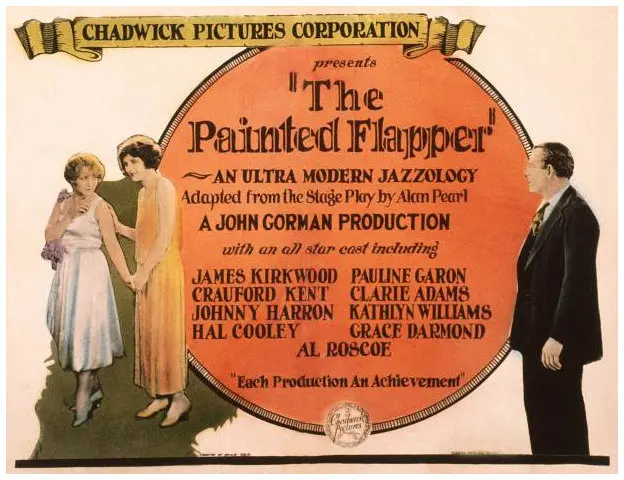
Stepping back into the roaring twenties through the lens of silent cinema is always a fascinating endeavor, and The Painted Flapper offers a particularly compelling glimpse into the era’s social currents. It’s a film that, despite its age, resonates with timeless themes of familial ambition, the perils of societal pressure, and the enduring bond between siblings. Released during a period of immense cultural flux, this picture, penned by the insightful Alan Pearl, captures the zeitgeist with a nuanced hand, presenting a narrative that is both entertaining and deeply reflective.
The film plunges us into the lives of two sisters, each navigating the often-treacherous waters of a mother’s relentless social aspirations. This matriarch, portrayed with a formidable blend of charm and steel by Kathlyn Williams, is a force of nature, determined to propel her daughters into a life of perceived glamour and advantageous marriages, irrespective of their true desires. It’s a classic setup, yet here it feels fresh, infused with the specific anxieties and freedoms of the flapper era. The mother’s machinations are not born of malice, but rather a misguided belief in what constitutes a 'good life,' a life she perhaps never fully attained herself. This complex motivation adds layers to a character that could easily have been a one-dimensional villain, making her actions, however detrimental, understandable within her own framework of success.
At the heart of the drama are the two daughters. The younger, a luminous and impressionable Grace Darmond, embodies the burgeoning spirit of the flapper – vibrant, eager, and somewhat naive to the hidden costs of the lifestyle her mother so vigorously promotes. Her youthful exuberance is palpable, making her vulnerability all the more poignant. In stark contrast stands the older sister, brought to life with profound depth by Pauline French. French delivers a performance that speaks volumes without uttering a single word, her eyes conveying a world of past regrets and present anxieties. She has walked the path her mother now lays out for her younger sibling, tasted its fleeting joys, and endured its bitter aftermath. Her arc is perhaps the most compelling in the film: a journey from personal disillusionment to fierce, protective love.
The dynamic between these two sisters forms the emotional bedrock of The Painted Flapper. The older sister’s desperate attempts to shield her younger counterpart are not merely acts of sibling affection; they are a profound act of self-redemption, an attempt to right the wrongs of her own past by preventing them from befalling someone she loves. This struggle is beautifully articulated through subtle gestures, stolen glances, and moments of quiet despair, a testament to the power of silent acting at its best. It’s a theme explored in other films of the era, such as Outcast (1922), which also delves into the lives of women grappling with societal expectations and personal choices, though perhaps with a more overt melodramatic flair.
The ensemble cast truly shines. Anita Simons, Crauford Kent, and Claire Adams lend robust support, each carving out memorable roles that contribute significantly to the film’s rich tapestry. Hallam Cooley, James Kirkwood, and Alan Roscoe, alongside John Harron and Carlton Griffin, provide the necessary male counterpoints to the female-driven narrative, often representing the very societal structures and romantic entanglements that define the sisters’ predicaments. Pauline Garon and Bud Geary round out the cast, adding further texture to the bustling world of the film. The collective strength of these performances ensures that even minor characters feel fully realized, contributing to a believable and immersive cinematic experience. The nuanced portrayals are particularly noteworthy, given the stylistic demands of silent film acting, which often leaned towards broader gestures. Here, there’s a commendable restraint that allows for genuine emotional impact.
One cannot discuss the performances without singling out the captivating presence of Grace Darmond. Her portrayal of the younger sister is a masterclass in conveying innocence and burgeoning awareness. She carries the weight of the film’s central conflict, embodying both the allure and the potential pitfalls of the era’s liberated woman. Her transformation, subtle yet profound, is a testament to her acting prowess. Similarly, Pauline French as the older sister offers a performance of quiet intensity, her expressive face a canvas for the film’s deeper emotional currents. Her struggle to protect her sister, even at personal cost, is genuinely moving, providing the film with its moral compass. It's a performance that echoes the poignant sacrifices seen in films like Love and Hate, where personal battles often intertwine with larger societal conflicts.
The direction, though uncredited in the prompt, is remarkably adept at translating Alan Pearl’s script into a visually articulate narrative. The cinematography skillfully uses light and shadow to enhance the emotional landscape, particularly in moments of introspection or dramatic confrontation. The sets and costumes are meticulously crafted, transporting the audience directly into the opulent, yet sometimes suffocating, world of the 1920s elite. The visual language is clear, precise, and evocative, eschewing unnecessary flourishes in favor of direct storytelling. This clarity allows the emotional core of the film to shine through, preventing the narrative from becoming bogged down in period details. The pacing is deliberate, allowing scenes to breathe and characters to develop, a quality often appreciated in silent dramas, contrasting with the more frantic pace of some contemporary action films like Racing Hearts.
The film’s visual style effectively conveys the glamour and superficiality of the flapper lifestyle the mother so craves. Shots of bustling social gatherings, fashionable attire, and opulent interiors serve not just as background but as a character in themselves, a silent antagonist shaping the characters’ choices. Yet, beneath this glittering surface, the camera often subtly hints at the underlying hollowness, the quiet desperation that permeates the ambitious pursuits. This visual dichotomy is a powerful tool, echoing the thematic tension between appearance and reality. It's a sophisticated approach to visual narrative that sets it apart from more straightforward melodramas of the period, such as Polly Ann, which, while charming, often relied on more overt visual cues.
Alan Pearl’s script is a thoughtful exploration of several profound themes. The most striking is perhaps the generational conflict and the pressure to conform to parental expectations. The mother’s ambition, while understandable in the context of her own life experiences, becomes a destructive force, threatening to consume her daughters’ individuality. This theme resonates strongly even today, as young people continue to navigate the demands of family against their own burgeoning sense of self. The film also delves into the nature of freedom and its responsibilities. The flapper era was a time of unprecedented liberation for women, yet The Painted Flapper subtly reminds us that true freedom comes not from external circumstances, but from the ability to make authentic choices, even if they defy societal norms or parental desires.
The film’s exploration of sisterly love and sacrifice is another potent element. The older sister’s journey, from a figure of regret to one of active intervention, underscores the enduring power of family bonds. Her actions are not without personal cost, but her determination to save her sister is a testament to unconditional love. This poignant portrayal of sisterhood provides a much-needed emotional anchor amidst the swirling currents of social ambition and personal compromise. It’s a narrative thread that could draw parallels with the emotional depth found in films like Through the Dark, which often explored complex human relationships against challenging backdrops.
In its entirety, The Painted Flapper is more than just a period piece; it’s a timeless commentary on the human condition. It reminds us that while the trappings of society may change, the fundamental struggles remain constant: the quest for identity, the push and pull of family loyalties, and the search for genuine happiness amidst external pressures. The film serves as a valuable historical document, capturing the essence of the Jazz Age, but its true strength lies in its universal themes. It prompts viewers to reflect on their own choices, the influences that shape them, and the sacrifices made in the name of love or ambition. In this regard, it stands alongside other thought-provoking silent films that transcended their immediate context, offering insights that resonate across generations, much like the philosophical undertones found in Ipnosi, albeit with a different focus.
The film’s lasting impact comes from its ability to evoke empathy for its characters, even the misguided matriarch. It doesn't preach, but rather presents a series of events and allows the audience to draw their own conclusions about the consequences of different paths. This subtle approach to moralizing is a hallmark of good storytelling, allowing for a more profound and personal engagement with the narrative. It’s a quality that elevates it beyond mere entertainment, placing it firmly in the realm of art that reflects and questions life itself. While it may not have the grand spectacle of some blockbusters, its intimate drama and powerful character studies ensure its place as a significant entry in silent cinema, offering a mirror to the societal pressures and personal dilemmas that continue to define human experience.
IMDb —
1919
Community
Log in to comment.