DbcultAccessing Vault...
Cult Review
Senior Film Conservator
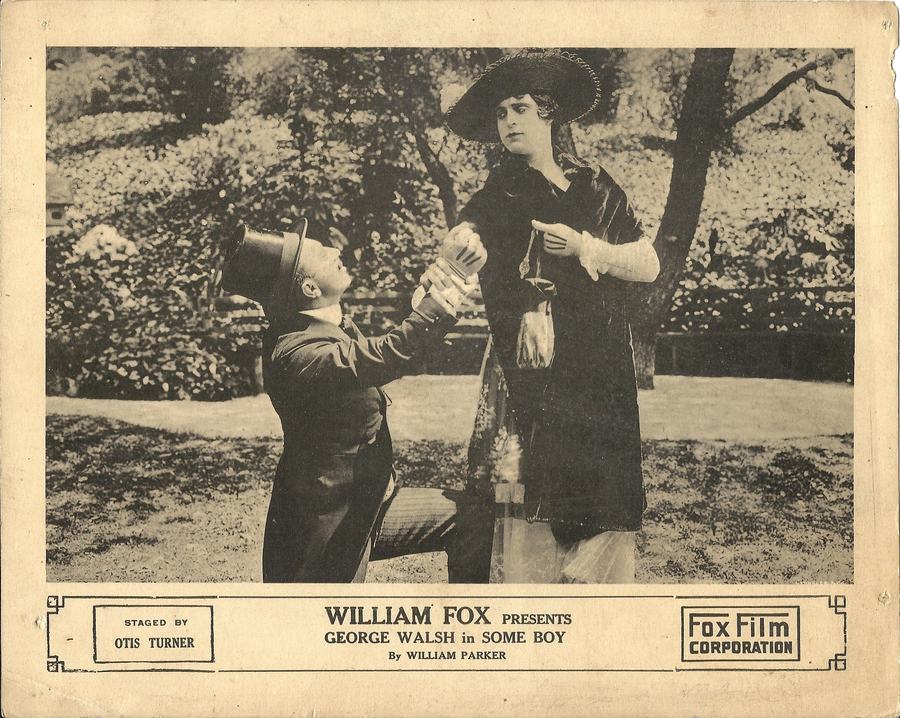
The early 20th century, particularly the vibrant silent film era, was a crucible for narratives exploring youthful exuberance, societal expectations, and the often-circuitous path to self-discovery. Amidst a burgeoning cinematic landscape, Some Boy, a 1919 offering from director William Parker, emerges not merely as a relic of its time but as a charmingly perceptive commentary on these very themes. Starring the charismatic George Walsh and the formidable Doris Pawn, this film navigates the comedic misadventures of a privileged young man thrust into the unforgiving world of commerce and, ultimately, into a profound understanding of responsibility.
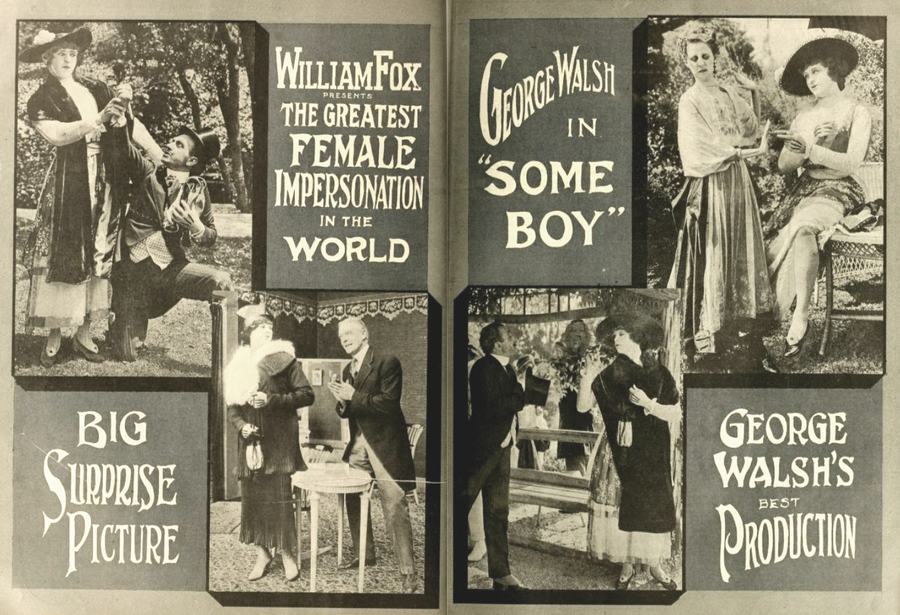
At its heart, Some Boy is a character study, primarily focusing on Joyous Johnson, a name that perfectly encapsulates his initial disposition. Expelled from college, Joyous embodies the archetypal idle rich, brimming with unchanneled energy and a penchant for grand, albeit poorly conceived, schemes. His father, a man burdened by the precarious state of his packing house, clearly struggles to instill a sense of purpose in his wayward son. The narrative cleverly positions Joyous in a public relations role at the Coronado Hotel, a position seemingly designed to harness his effervescence, but one that he quickly subverts with his own brand of chaotic ambition. This initial setup is crucial; it establishes Joyous as a blank canvas, ready for the transformative experiences that are about to unfold. His journey from an entitled dilettante to a grounded and capable individual forms the backbone of the film's enduring appeal.
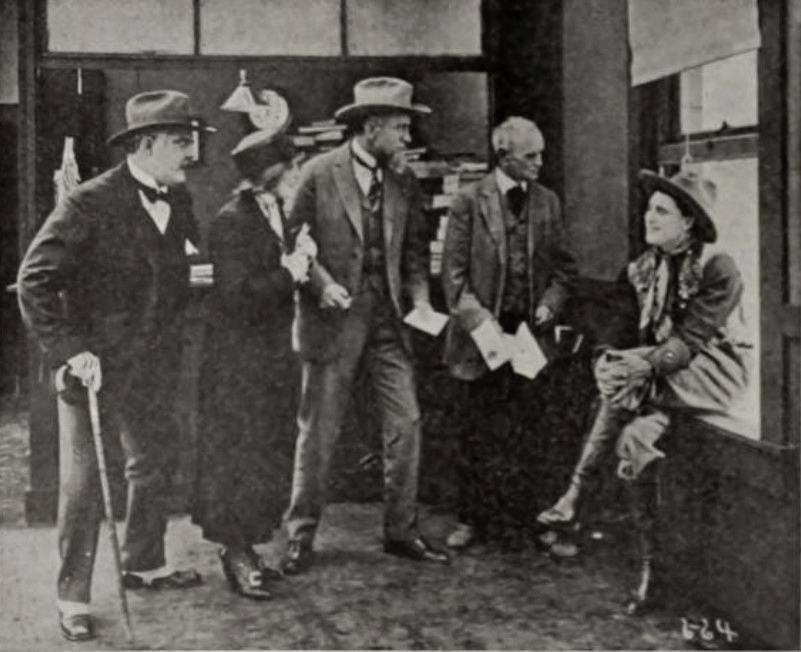
Enter Marjorie Milbank, portrayed with captivating self-possession by Doris Pawn. Marjorie is not merely a love interest; she is the gravitational center around which Joyous’s world begins to reorient itself. A shrewd businesswoman from Texas, she arrives in town with a clear agenda: to negotiate the sale of her valuable cattle ranch. Her interactions with Joyous’s father reveal a woman of sharp intellect and unwavering resolve, a stark contrast to the younger Johnson’s flippant approach to life. The tension between Marjorie’s pragmatic business sense and Joyous’s impulsive nature provides much of the film’s dramatic and comedic thrust. She represents a force of maturity and agency, qualities Joyous desperately lacks but will ultimately come to embody. Her refusal to sell her ranch to the elder Johnson, whose packing house teeters on the brink of insolvency, sets the stage for a multi-layered conflict: not just between two business entities, but between generations and differing philosophies of success.
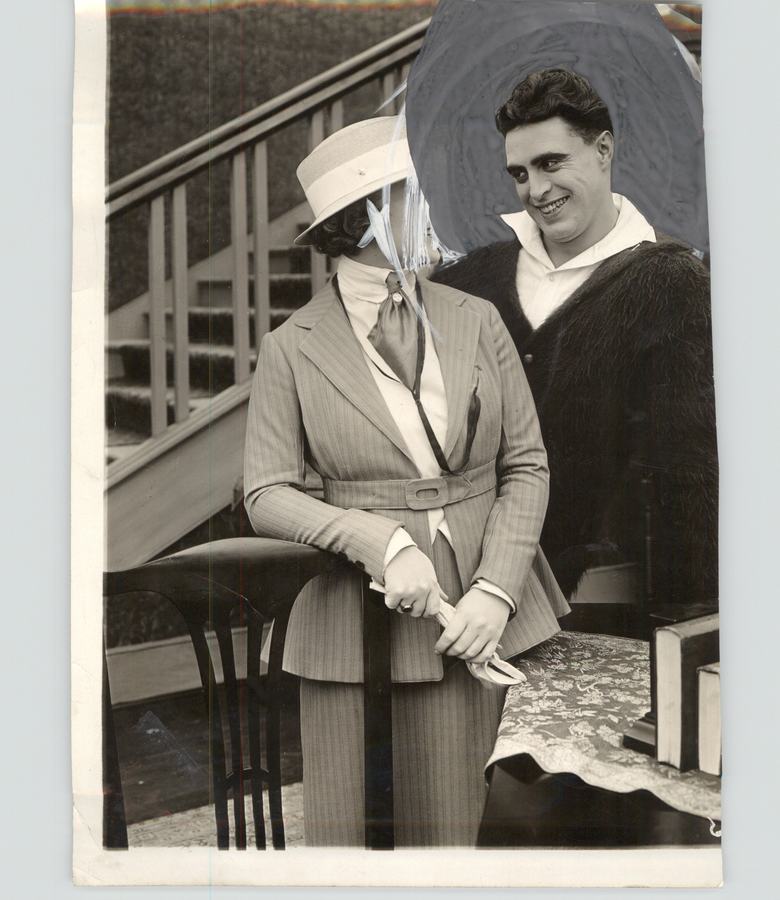
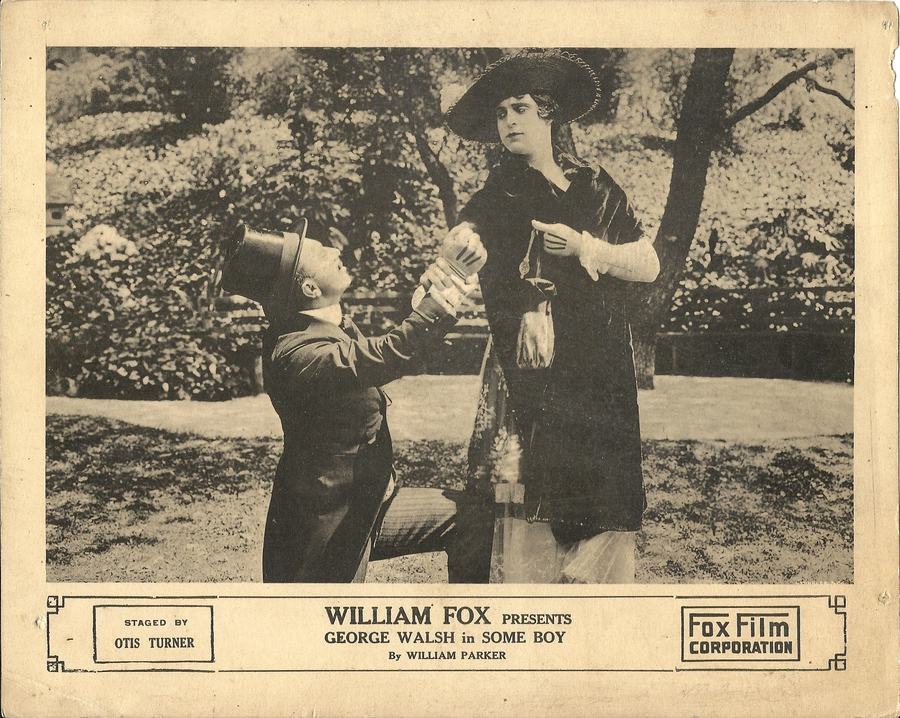
The plot thickens with Joyous's spectacularly ill-conceived attempt to generate publicity for the Coronado Hotel. In a move that highlights his immaturity and lack of foresight, he breaks into Marjorie’s room and steals her diamond necklace. This act, intended to create a sensation, instead plunges the hotel into scandal and underscores Joyous's inability to distinguish between notoriety and genuine positive attention. The ensuing chaos is a masterclass in comedic escalation, as Joyous’s employer, far from being pleased, is horrified by the negative publicity. This pivotal moment serves as a harsh dose of reality for Joyous, forcing him to confront the tangible repercussions of his actions. His subsequent, equally disastrous attempt to return the jewels, disguised in women's clothes, is a highlight of physical comedy, showcasing George Walsh’s talent for slapstick while further emphasizing Joyous’s desperate, yet ultimately well-intentioned, efforts to rectify his blunder. This sequence, while humorous, also subtly touches upon themes of identity and performance, common in silent comedies, where disguises often served to reveal deeper truths about characters, much like in a theatrical farce.
The narrative takes an unexpected turn when Marjorie, without her necklace, checks out of the hotel, bound for Texas. Joyous, now truly contrite and desperate to confess, follows her. His confession, delivered with a mix of shame and earnestness, is a significant step in his maturation. What could have been a moment of severe condemnation instead becomes a surprising opportunity. Marjorie, a woman of keen judgment, sees beyond the youthful folly. Perhaps recognizing a spark of potential, or even a certain audacious charm in his misguided efforts, she makes a bold and unconventional decision: she hires Joyous to manage her ranch. This twist is crucial, as it provides Joyous with the very thing he needs most—a purpose, a challenge, and a chance to prove his worth in an environment far removed from his privileged upbringing.
The transition to ranch life marks a profound shift in Joyous’s character. The wide-open spaces of Texas, the demands of the cattle business, and the responsibility entrusted to him by Marjorie force him to shed his collegiate indolence. He learns the value of hard work, strategic thinking, and genuine leadership. This period of growth culminates in a dramatic confrontation with his past: his father, still struggling, attempts a takeover of Marjorie’s ranch. It is here that the true extent of Joyous’s transformation is revealed. Armed with newfound knowledge and confidence, he successfully defeats his father’s bid, not out of malice, but out of a clear understanding of business and a commitment to Marjorie’s interests. This reversal of fortunes, where the son outmaneuvers the father, is a powerful symbolic victory, signifying Joyous’s coming of age and his emergence as a formidable force in his own right. This kind of generational clash, where a younger protagonist must prove their mettle against an established, often rigid, paternal figure, resonates with narratives seen in other dramas of the era, such as The Pit, which delves into the cutthroat world of market speculation and personal ambition, or even My Country First, where individual determination often triumphs over adversity.
William Parker’s direction, while perhaps not overtly flashy, demonstrates a clear understanding of comedic timing and character development. The pacing is brisk, propelling the narrative forward with a delightful energy that keeps the audience engaged. George Walsh, a popular leading man of the era, delivers a performance that balances physical comedy with genuine emotional growth. His evolution from a bumbling, well-meaning rogue to a capable, respected ranch manager is thoroughly convincing and charming. Doris Pawn, as Marjorie Milbank, is equally impressive. She imbues her character with an intelligence and strength that make her a compelling figure, far more than a mere plot device. Her agency and decisiveness are refreshing, particularly for a female character in a film of this period. The chemistry between Walsh and Pawn is palpable, lending credibility to the eventual romantic pairing that blossoms amidst their professional collaboration.
The film’s thematic depth extends beyond simple comedic escapades. It explores the perennial struggles of identity and purpose, particularly for young men navigating the transition from adolescence to adulthood. Joyous’s journey underscores the idea that true success isn't inherited but earned through experience, effort, and a willingness to learn from one's mistakes. The resolution with his father, who finally forgives the interference and embraces the new couple, is particularly poignant. It speaks to the universal desire for parental approval and the ultimate reconciliation that can occur when a child demonstrates genuine growth. The elder Johnson's initial rigidity gives way to pride, acknowledging the man his son has become. This narrative arc, of a seemingly lost individual finding their calling and earning respect, is a timeless one, echoing the spirit of self-reliance and ambition often celebrated in early American cinema.
While Some Boy may not possess the grandiosity of an epic or the intricate psychological depth of a later dramatic masterpiece, its charm lies in its straightforward storytelling and its endearing characters. It's a testament to the power of silent cinema to convey complex emotions and compelling narratives through visual storytelling and strong performances. The film’s exploration of familial duty, personal transformation, and the surprising avenues through which one can find their true calling remains remarkably resonant. It serves as a delightful reminder of the foundational strengths of early filmmaking, where engaging plots and well-drawn characters could captivate audiences without the aid of spoken dialogue or elaborate special effects. It's a small, bright gem from the silent era, one that deserves to be rediscovered for its wit, its heart, and its surprisingly modern take on growing up and finding your place in the world.
IMDb —
1917
Community
Log in to comment.